
Why Farm in Space Station?
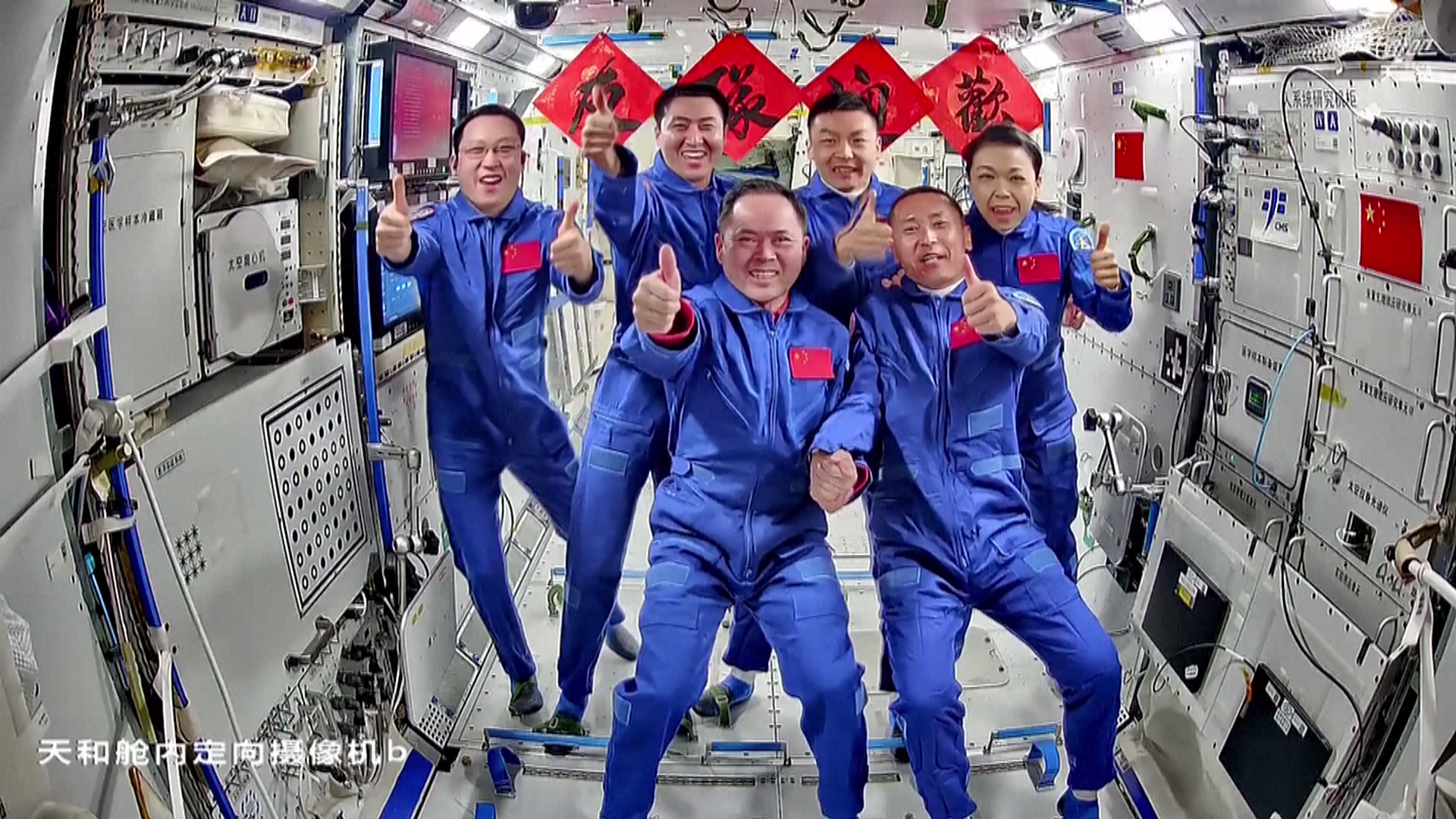
Recently, footage from "Tiangong TV" captured the public's attention, showing clusters of red cherry tomatoes being delicately harvested and packaged by the astronauts aboard Tiangong, China's Space Station. The cosmic occasion marked the start of vegetable harvest season aboard the space station.
With the launch of the Shenzhou-23 manned spacecraft on May 24, rice seeds have once again set out on a journey into space.
But why are Chinese astronauts so dedicated to farming in space, growing everything from vegetables to rice?
In 2022, the Shenzhou-14 crew completed the full life cycle of rice cultivation — from seed germination and growth, to grain production — within the microgravity environment of space. The rice seeds harvested in space remained capable of normal reproduction once returned to Earth, and the third generation of these seeds has now matured with significantly higher levels of glucose and fructose compared to ordinary seeds grown on Earth.
According to Zheng Huiqiong, a researcher at the Center for Excellence in Molecular Plant Science of the Chinese Academy of Sciences, the latest experiment involves four cultivation units. Each unit contains six rice seeds, which are used to create two sets of comparative plantings.
"In the microgravity environment of space, a plant's metabolic rates and biological processes undergo profound alterations. Consequently, their underlying genetic mechanisms may also undergo changes," said Zheng.
Given the immense human and material resources invested in space-based agriculture, many people wonder whether the sole objective of space "farming" is merely to provide astronauts with fresh fruits and vegetables to alleviate dietary monotony.
However, each successful plant growth represents something far more significant than a mere culinary indulgence.
The plants grown in space function as miniature "ecological recycling systems." As well as bearing edible produce, they generate oxygen, absorb carbon dioxide and purify water and air, serving as indispensable green partners for future long-duration space missions.
Moreover, the unique microgravity environment of space allows scientists to discover a variety of new phenomena related to plant growth and even induce new traits in seeds, thus enabling the cultivation of superior new crop varieties. China has successfully developed over 700 new crop varieties through space breeding, which have been widely adopted across vast areas of farmland, bringing the benefits of space back down to Earth.
Ultimately, every space-based planting experiment conducted is vital for accumulating the necessary experience, and validating the technologies, that will one day enable us to become extraterrestrial farmers.