

National Action Plan to Promote Green Lifestyles
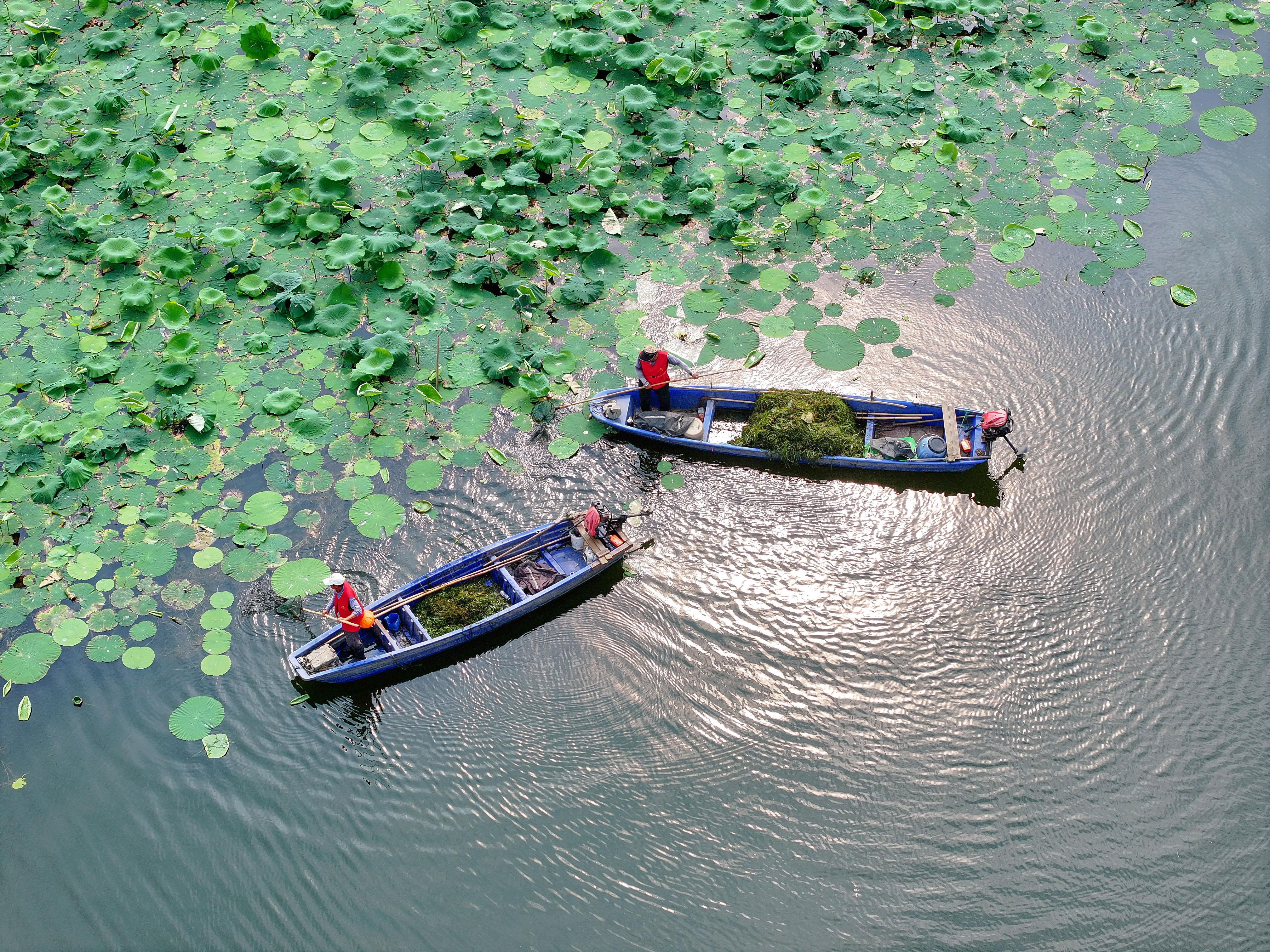
China has unveiled a new national action plan aimed at mobilizing public participation in ecological conservation and promoting greener lifestyles over the next five years.
The Ministry of Ecology and Environment, together with five other government departments, jointly released a five-year plan (2026-2030) to strengthen the cultural foundation for the Beautiful China Initiative, raise public ecological awareness, promote green and low-carbon living, and establish a nationwide participation framework by 2030.
The document outlines 15 specific measures across five key areas, aiming to continuously improve the public participation framework, stimulate society's intrinsic motivation to protect the environment, and encourage people from all walks of life to adopt green and low-carbon lifestyles.
One major focus is the preservation and promotion of ecological culture. The plan calls for incorporating ecological and environmental elements into projects under the Beautiful China Initiative, national ecological civilization demonstration zones, "lucid waters and lush mountains are invaluable assets" practice and innovation bases, national parks, and other protected natural areas. These efforts are intended to enrich ecological culture and create new "Beautiful China" landmark destinations for public visits.
The plan also encourages museums, exhibition halls and research institutions to expand ecological exhibitions and interactive educational programs.
To encourage broader public engagement, it proposes expanding the opening of environmental protection facilities to the public. Enterprises with the necessary capacity and willingness are encouraged to make their facilities accessible, while exploring innovative formats such as virtual immersive tours and hands-on offline experiences. It also promotes integrated models combining facility visits, educational programs, cultural tourism, and consumer activities to enhance both public participation and operational safety.
In addition, the plan promotes sustainable tourism by encouraging travelers to reduce the use of disposable products and protect the ecological environment of scenic destinations. It also calls for strengthening public communication on standards, certification, and labeling for green and low-carbon products to improve consumers' ability to identify environmentally friendly goods and encourage greener consumption.
To strengthen long-term incentives, the plan proposes conducting regular surveys of citizens' environmental behaviors to assess changes in public green practices and provide data support for more targeted policymaking.