

Ecological and Environmental Code Comes into Force
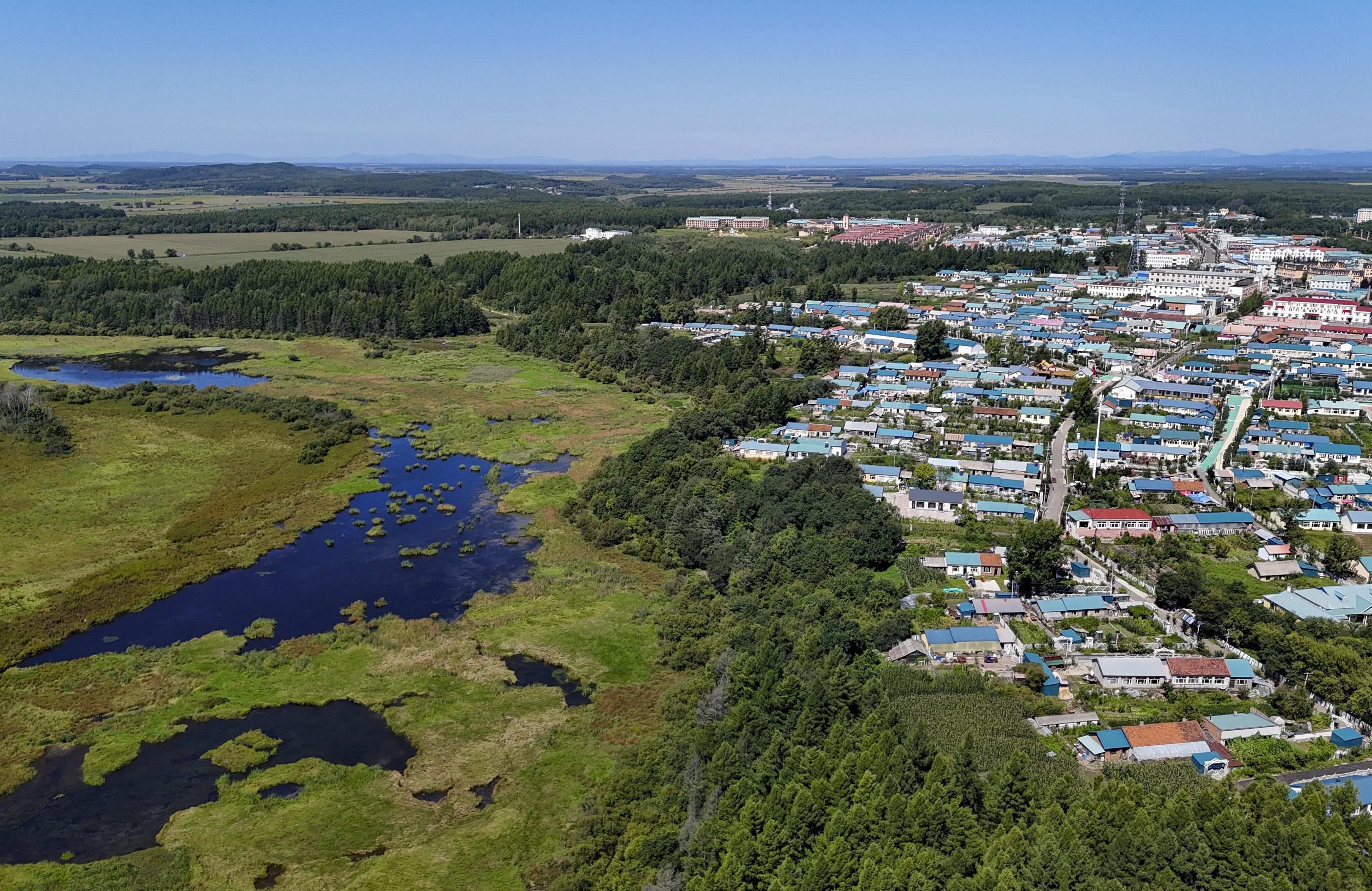
China's Ecological and Environmental Code came into force on August 15, following its adoption at the fourth session of the 14th National People's Congress in March. It is the world's first unified legal code named specifically for the ecology and environment, and China's second statutory code after the Civil Code.
The Code consists of 1,242 articles in five chapters, covering pollution control, ecological protection, and green and low-carbon development. These three areas directly address the three planetary crises of climate change, biodiversity loss and pollution identified by a 2021 United Nations Environment Programme report, Making Peace With Nature: A Scientific Blueprint to Tackle the Climate, Biodiversity and Pollution Emergencies.
Before the Ecological and Environmental Code was formulated, there were more than 30 ecology and environment-related laws. Ten of them, including the Environmental Protection Law, have been comprehensively revised and incorporated into the Code. These laws cease to be in force with the Code taking effect.
Key principles and provisions from the existing laws concerning river basins, regions, natural resources, biodiversity and other ecological elements and ecosystems, as well as those concerning the circular economy and energy conservation have been incorporated into or reflected in the Code. These laws will continue to remain in force.
To address legal needs related to climate change, carbon peaking and carbon neutrality, and green and low-carbon development, the Code sets out certain principles and forward-looking provisions in the areas where no dedicated laws have yet been enacted.
Homegrown Chinese practices, including the river and lake chief system, ecological and environmental zoning-based management and control, and ecological conservation redlines, have been incorporated into the Ecological and Environmental Code. These institutional innovations, born of China's own experience, form the strongest practical foundation for the Code.
A core feature of this integrated approach is a separate book on green and low-carbon development. It establishes and improves incentives for green consumption, developing systems for recycling and reuse of waste, and promoting coordinated green transformation of upstream and downstream enterprises, thereby translating the principles of putting ecology first and pursuing green development into legal rules.
The Code also includes a dedicated chapter on responding to climate change, establishing a legal mechanism to mitigate climate change through the carbon peaking and carbon neutrality goals.
In addition, the Code has a dedicated section on international cooperation under the book on green and low-carbon development, providing for active participation and leadership in global climate governance, as well as bilateral and multilateral international exchanges and cooperation to address climate change.