

High Stress, Poor Sleep and Unhealthy Diet Hurt Immune System
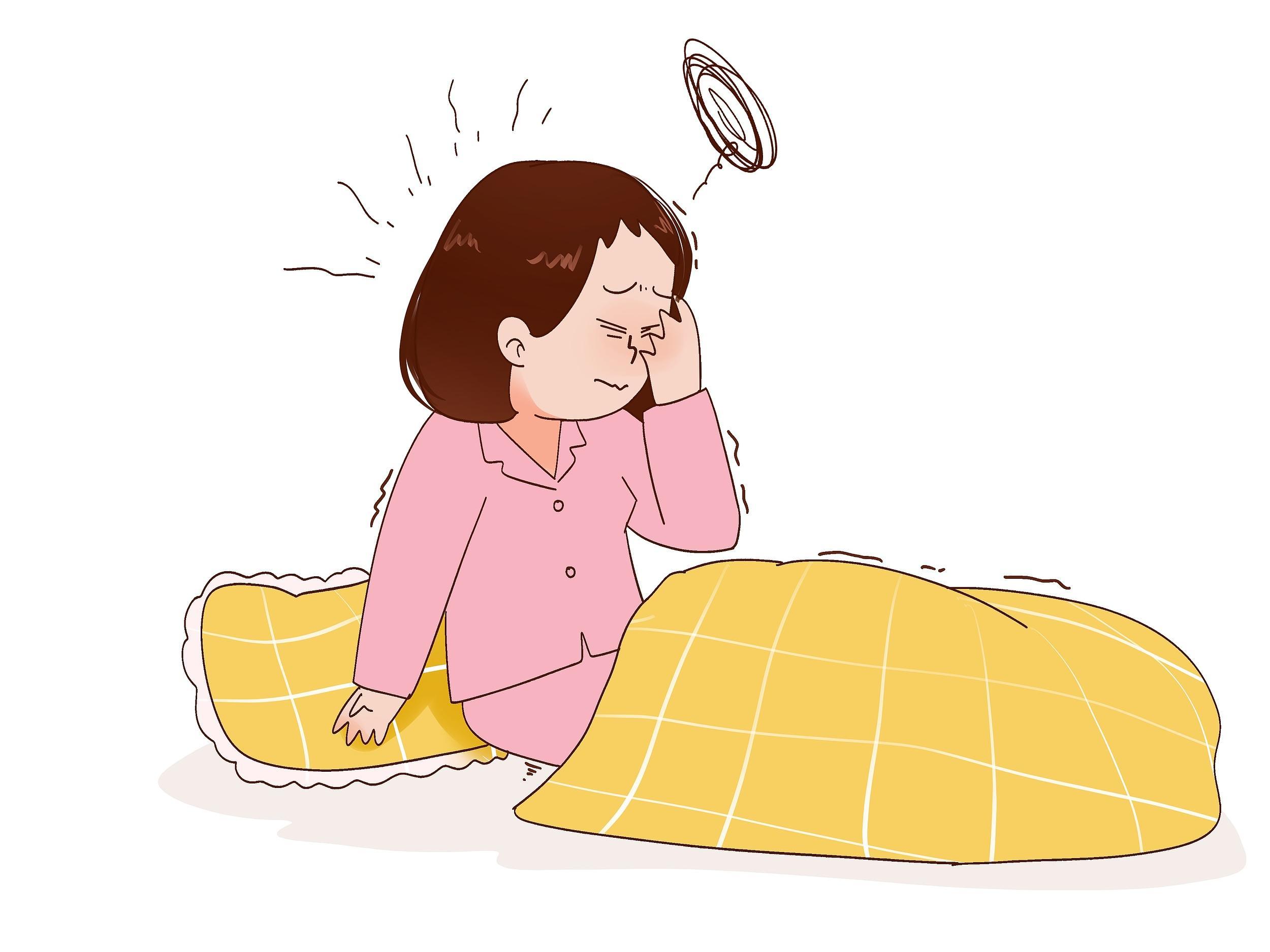
Recently, a resident of Chengdu city in southwest China used AI tools to create an intense weight-loss plan. He lost 20 kilograms in 45 days, and then fell into a sudden coma. When he was rushed to the ICU, doctors diagnosed him with multiple organ dysfunction syndrome: A combination of chronic sleep deprivation, irregular eating habits, and high-intensity exercise had disrupted his immune system.
Why does the immune system become dysregulated? How can people scientifically safeguard their immunity? Science and Technology Daily spoke with experts about this topic.
"The immune system is like a defense force within the human body. Under normal conditions, it identifies and eliminates harmful agents, such as viruses and bacteria, without attacking the body's healthy cells and tissues," said Dr. Li Junti, director and chief physician of the Department of Traditional Chinese Medicine Hematology at the 970th Hospital of the People's Liberation Army (PLA) Joint Logistics Support Force.
When problems arise within this "force," they typically manifest in three ways. The first is "insufficient manpower": Immune function is low, and bodily resistance drops, making one prone to recurrent colds and slow wound healing. The second way is "overzealous defense": The immune response is excessive, causing immune cells to attack normally harmless substances, such as pollen or dust mites. This condition is commonly known as an allergy. The third way is "inability to distinguish friend from foe": The immune system mistakenly identifies the body's own tissues as "enemies" and attacks them. This can potentially trigger autoimmune diseases.
Dr. Li added that serious complications resulting from immune dysregulation, such as myocarditis, interstitial pneumonia, and nephritis, can be life-threatening if not treated promptly.
Unhealthy lifestyle choices play a significant role in the immune system dysfunction. When immune system issues arise, many people’s first instinct is to try to "boost immunity." However, Dr. Zhang Huanping, director of the Department of Allergy and Immunology at Shanxi Bethune Hospital, pointed out that maintaining immune system balance is more important than simply boosting immunity. She suggested focusing on the following areas:
First is emotional management. Persistent psychological stress places a heavy burden on the immune system. Practices such as meditation, yoga, deep breathing, and listening to music can help alleviate stress and foster a positive, stable mindset.
Second is ensuring adequate, high-quality sleep. Getting seven to eight hours of high-quality sleep each night and avoiding staying up late are crucial.
Third is maintaining balanced nutrition. Try to eat a mix of whole foods in the right proportions: fill half your plate with fruits and vegetables, one-quarter with lean proteins, and one-quarter with whole grains, while staying hydrated with water and limiting processed foods, added sugars, and unhealthy fats.
"There are no shortcuts to maintaining immune system balance," said Dr. Zhang. Leading a regular lifestyle, practicing scientific prevention, using medication rationally, and seeking timely medical attention when discomfort arises are the most practical and effective ways to protect the immune system.