

Huochong: The World's Earliest Metal-barreled Firearm
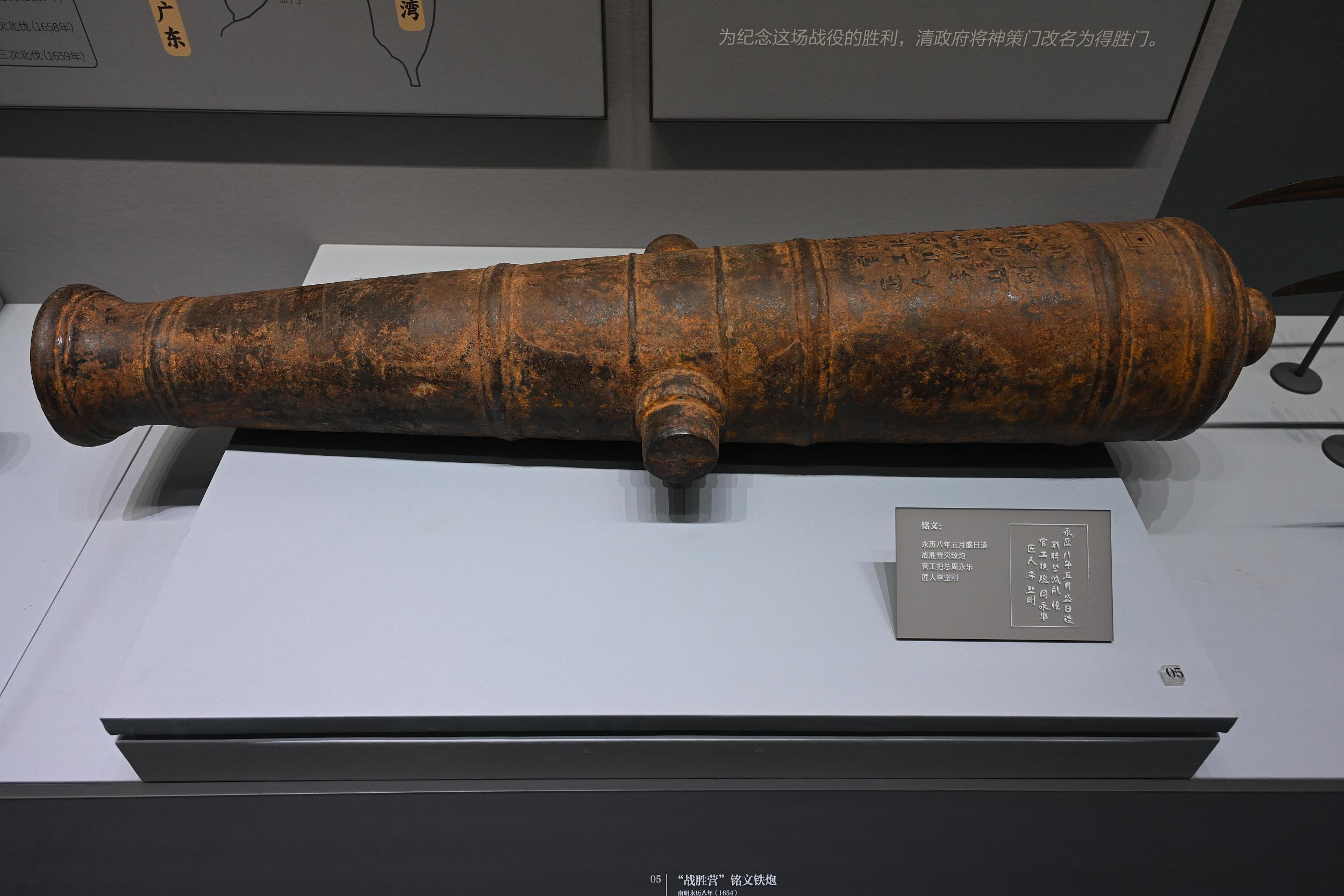
The huochong is the world's earliest known metal-barreled firearm. It originated during the Yuan Dynasty, when the bamboo barrel of the Southern Song Dynasty's fire lance was replaced with metal barrels cast from copper and iron.
The huochong relied on gunpowder combustion to generate the high-pressure gas necessary to propel projectiles. Its three fundamental structural components — the barrel, powder chamber, and breech — established the technical prototype for future firearms and artillery.
In ancient China, the huochong came in two varieties: handheld for individual soldiers and the mounted bowl-mouth for larger weapons.
The earliest extant huochong with a clear date of manufacture is a bronze bowl-mouth item dating back to 1298. It was discovered northeast of the Shangdu Ruins in today's Inner Mongolia autonomous region. Yuan Dynasty armies were equipped with both handheld and bowl-mouth huochongs, utilizing them for sieges (both offensive and defensive) and field battles.
The development and use of the huochong reached its zenith during the Ming Dynasty. The weapon was either small, handheld models or large, artillery-style pieces, widely issued to the military for use in sieges, naval warfare and field battles. Capable of inflicting casualties and exerting a psychological deterrent, the huochong transformed combat patterns associated with traditional cold weapons.
The Mongols' westward campaigns and the resulting cultural exchange between the East and West during the Yuan Dynasty spread the huochong technology westward into Central and West Asia. After the Arabs adopted and mastered this technology, it spread further into Europe, driving innovation and development in European gun and cannon technology.
By the late Ming Dynasty, a pattern of two-way exchange in firearm technology had emerged, with Western artillery technology being introduced back into China. During this period, China continued to refine its indigenous huochong designs, resulting in an increased use of cast-iron versions. China also adopted advanced Western technologies, such as the Red Barbarian Cannon (Hongyi Dapao). These developments drove the evolution of traditional huochong technology into large-scale, standardized artillery pieces.