

友情链接
- Copyright © Science and Technology Daily, All Rights Reserved
- 科技日报社 中国科技网 版权所有

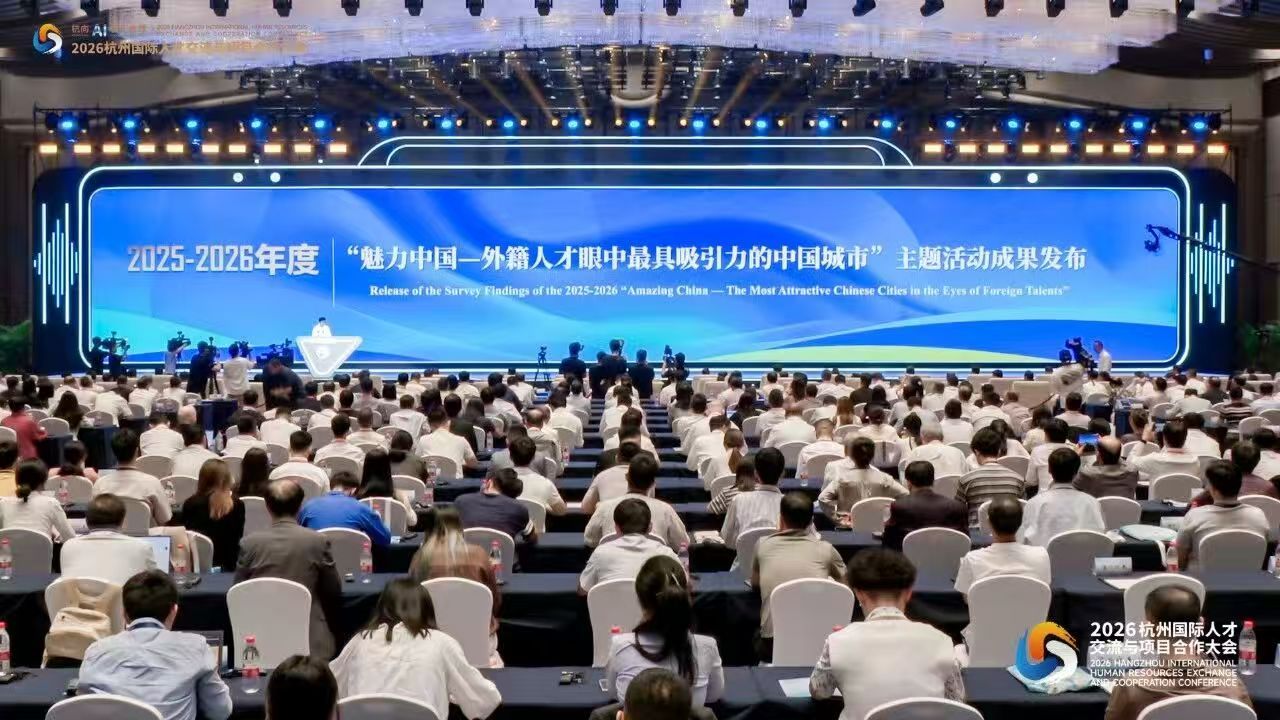
On September 28th, the Foreign Talent ResearchCenter of the Ministry of Human Resources and Social Security released the Survey Findings of 2025-2026 "Amazing China – The Most Attractive Chinese Cities in the Eyes of Foreign Talents" –2025-2026 Foreign Talent Attraction Index of Chinese Cities at the 2026 Hangzhou International Human Resources Exchange and Cooperation Conference.
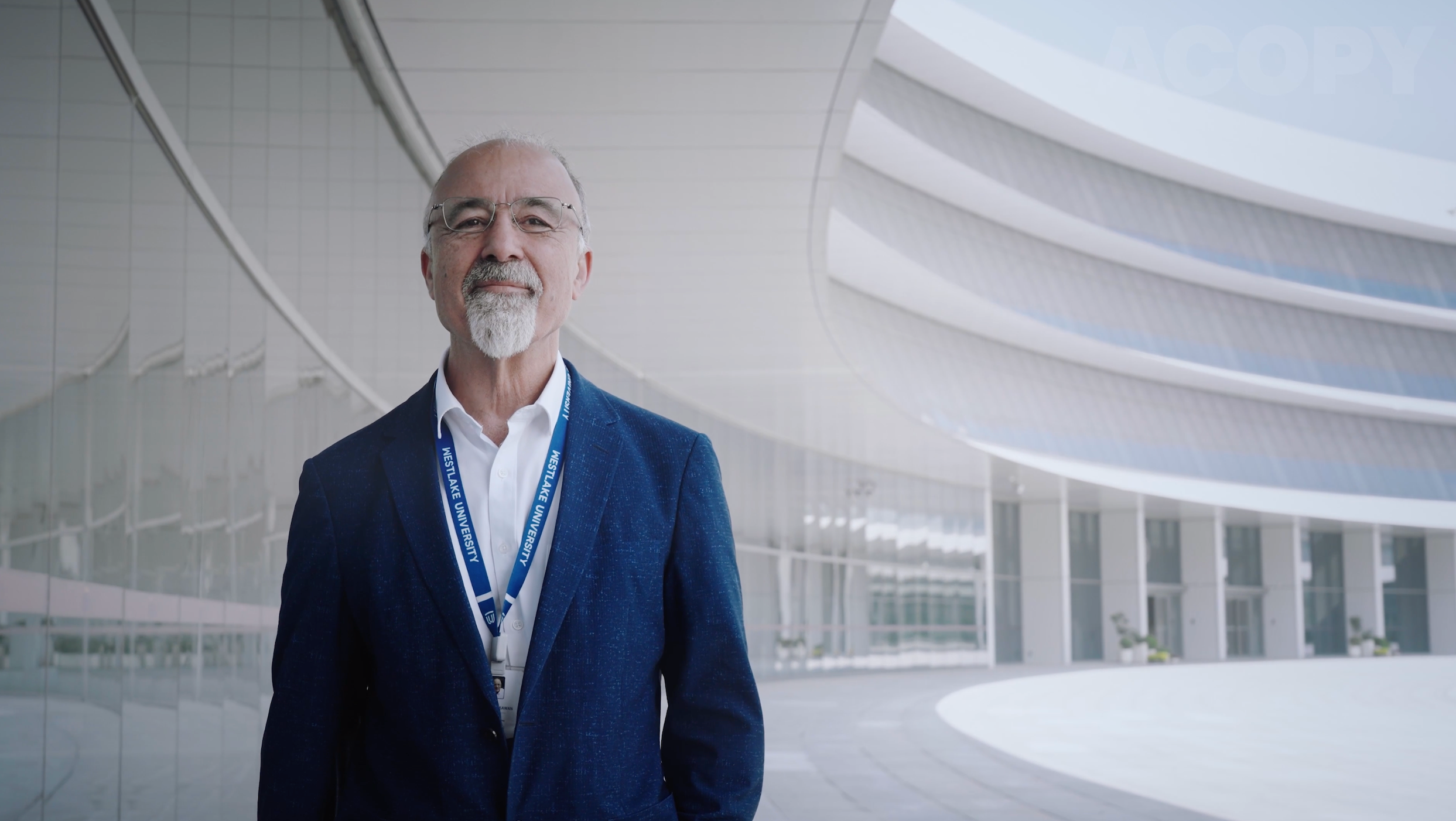
For years, brain-computer interface belonged to the realm of science fiction, a distant fantasy of minds communicating directly with machines. But for Professor Mohamad Sawan, a fellow of the Royal Society of Canada and the Canadian Academy of Engineering, this vision has been the focus of a lifetime of research. In 2018, he made a decision that surprised many: he left his established career in Canada to join Westlake University in Hangzhou in Zhejiang province, east China, as a chair professor of microsystems and bioengineering and the founding director of the CenBRAIN Neurotech Center of Excellence. Eight years on, he sees that move as an inevitable step toward the future.
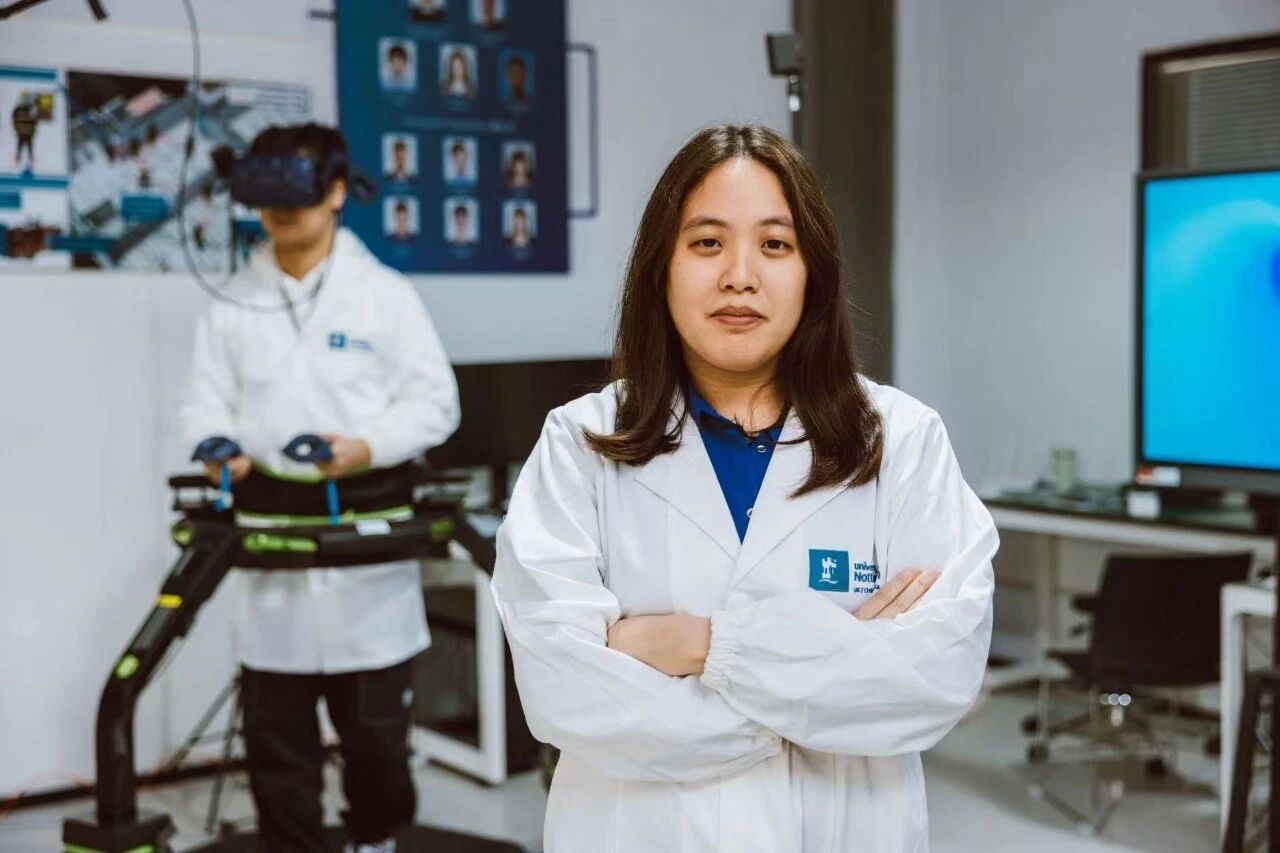
When Sze Shin Low began her research on flexible bioelectronic sensors, her motivation was straightforward: to improve patients' quality of life. Now an associate professor at the University of Nottingham Ningbo China (UNNC) and named among the World's Top 2% Scientists, she has developed a graphene-based wearable patch that captures the mechanical pulse waveform continuously outside hospital settings.
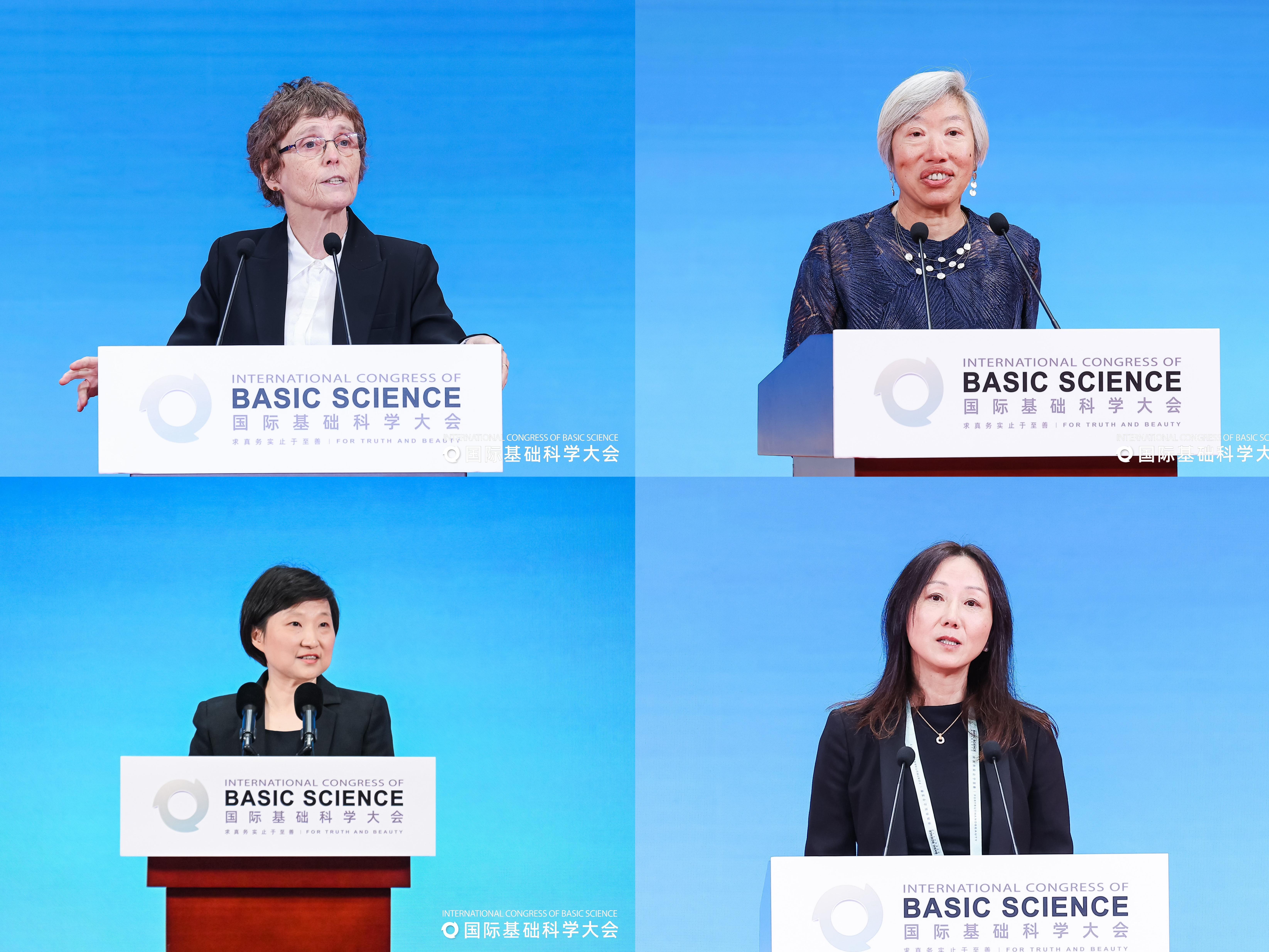
Among the nine recipients of the ICBS Medal awarded at the 2026 International Congress of Basic Science (ICBS), four are women: Claire Voisin, Andrea J. Liu, Bao Zhenan, and Zhuang Xiaowei. Shing-Tung Yau, chair of ICBS, highlighted this in his opening address, noting that "women researchers are contributing to every stage of scientific progress through their distinctive intellectual perspectives and sustained dedication."
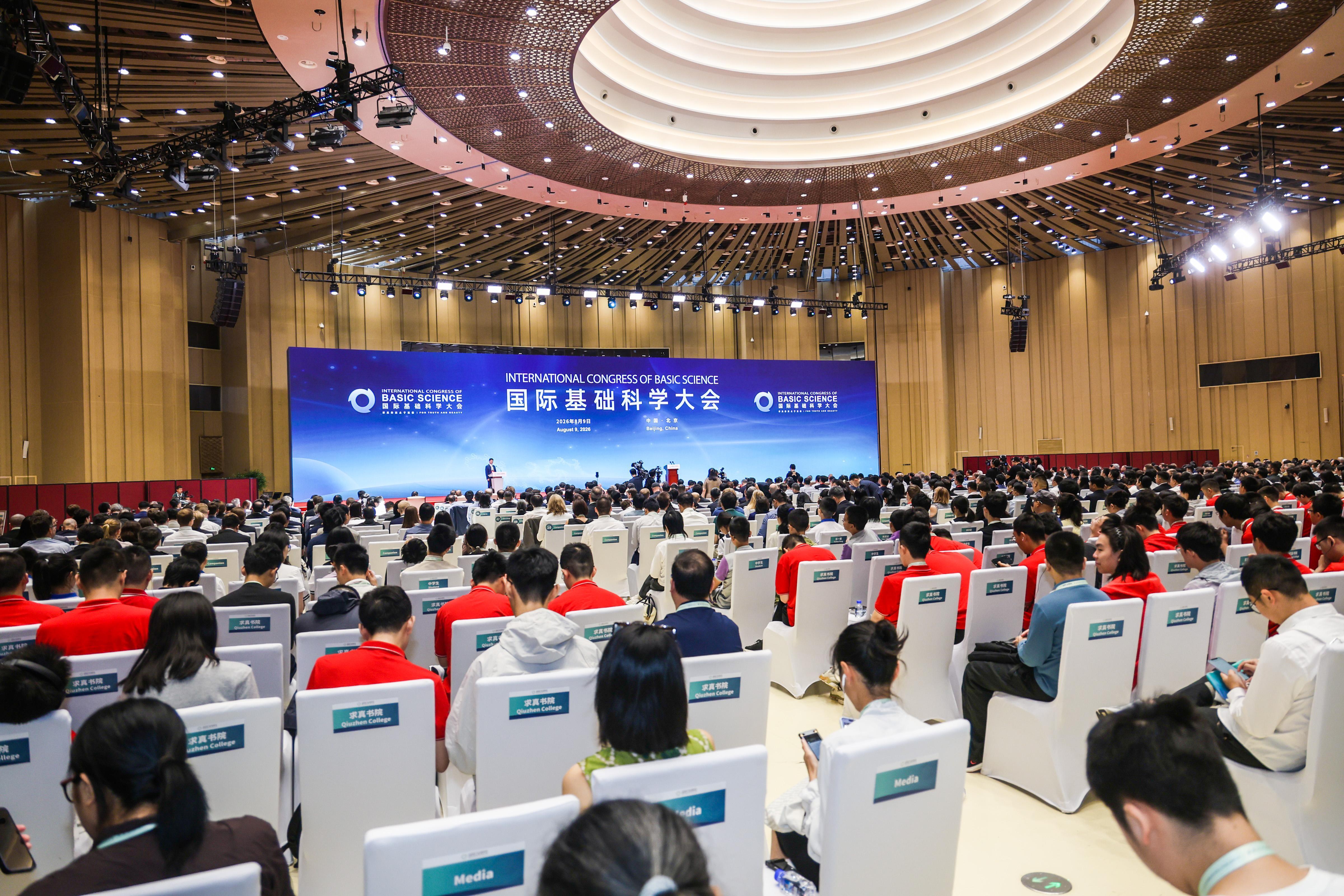
"The Chinese government has made an unprecedented commitment to basic research. From sustained funding and long-term strategic planning to talent recruitment and the development of research platforms, China has become increasingly fertile ground for fundamental research," Shing-Tung Yau, chair of the International Conference of Basic Science (ICBS), said in his opening address at the 2026 ICBS.
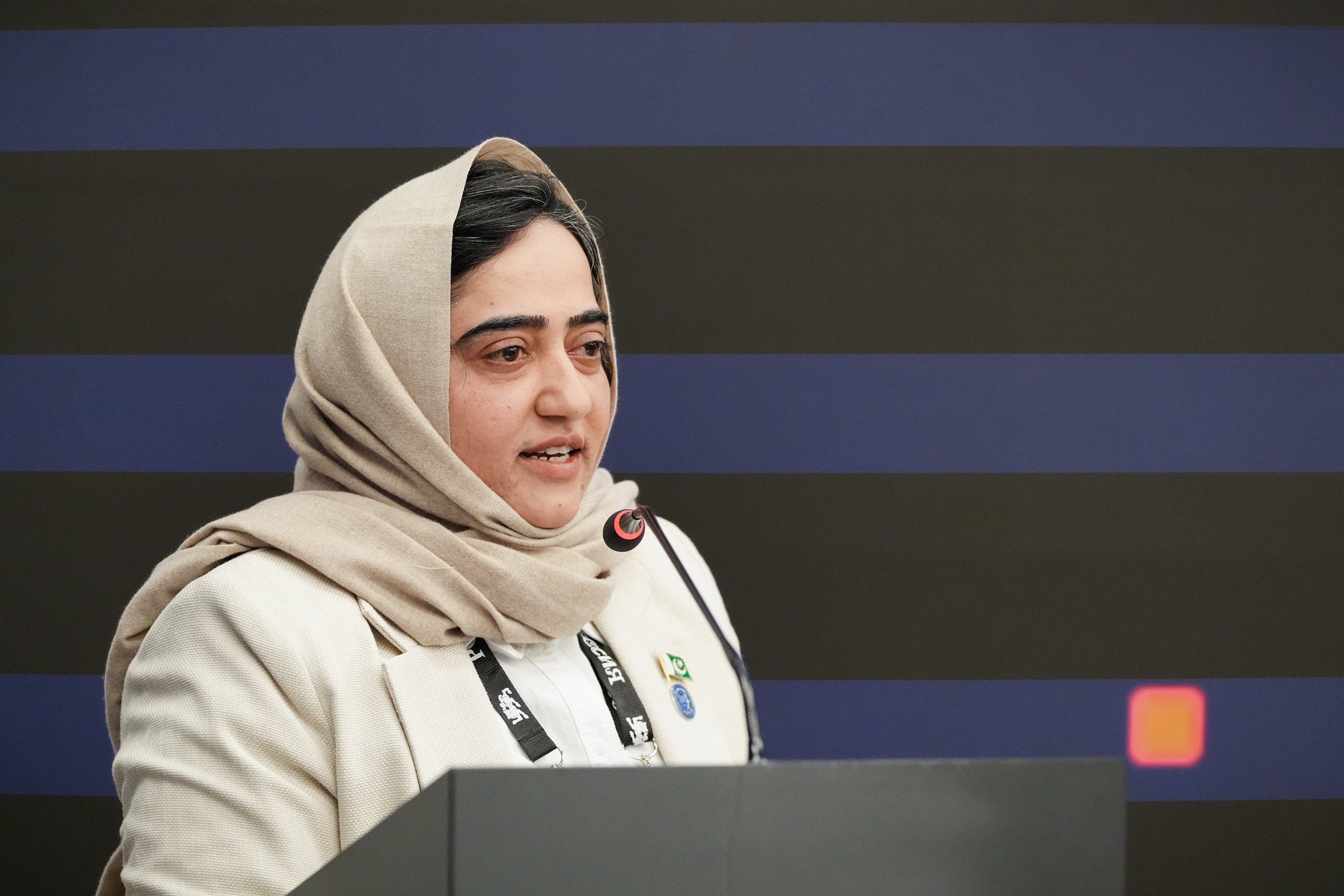
In the laboratory at Tianjin University (TJU)'s School of Architecture, Pakistani PhD student Asma Bibi is refining her "Climate-Mental Health-Community" tri-resilience model. She hopes to help communities in Pakistan rebuild after climate disasters through a science-based framework.
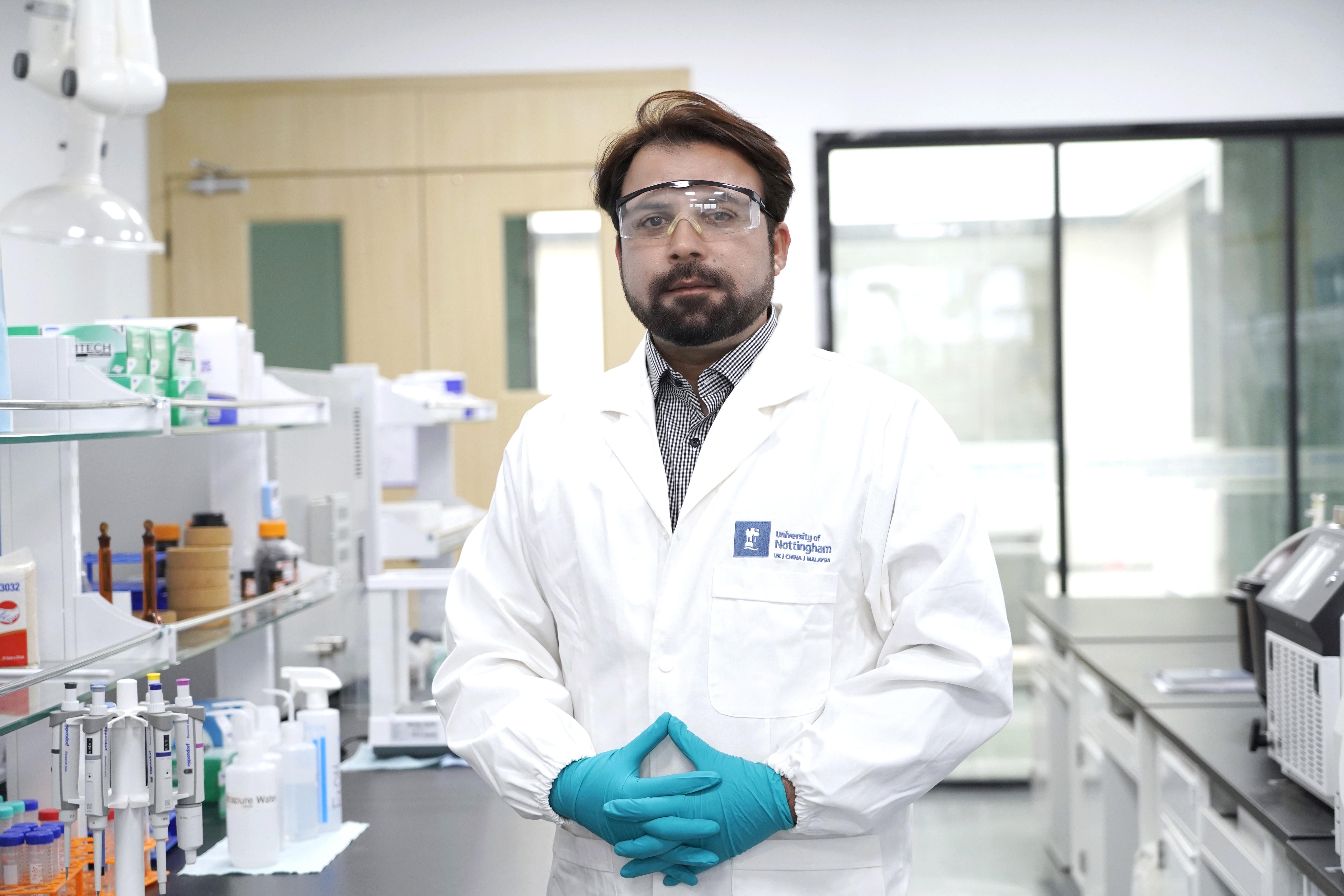
That is how Dr Imran Mahmood Khan, assistant professor in smart food at the University of Nottingham Ningbo China (UNNC), sums up what surprised him most about working in China's research ecosystem: “The speed of validation in China drives immense productivity.” His team develops test strips that detect mold toxins in grain. They also design nanomaterials that kill bacteria with heat, and materials that could be used for cancer therapy. The applications vary, butthe underlying principle does not.
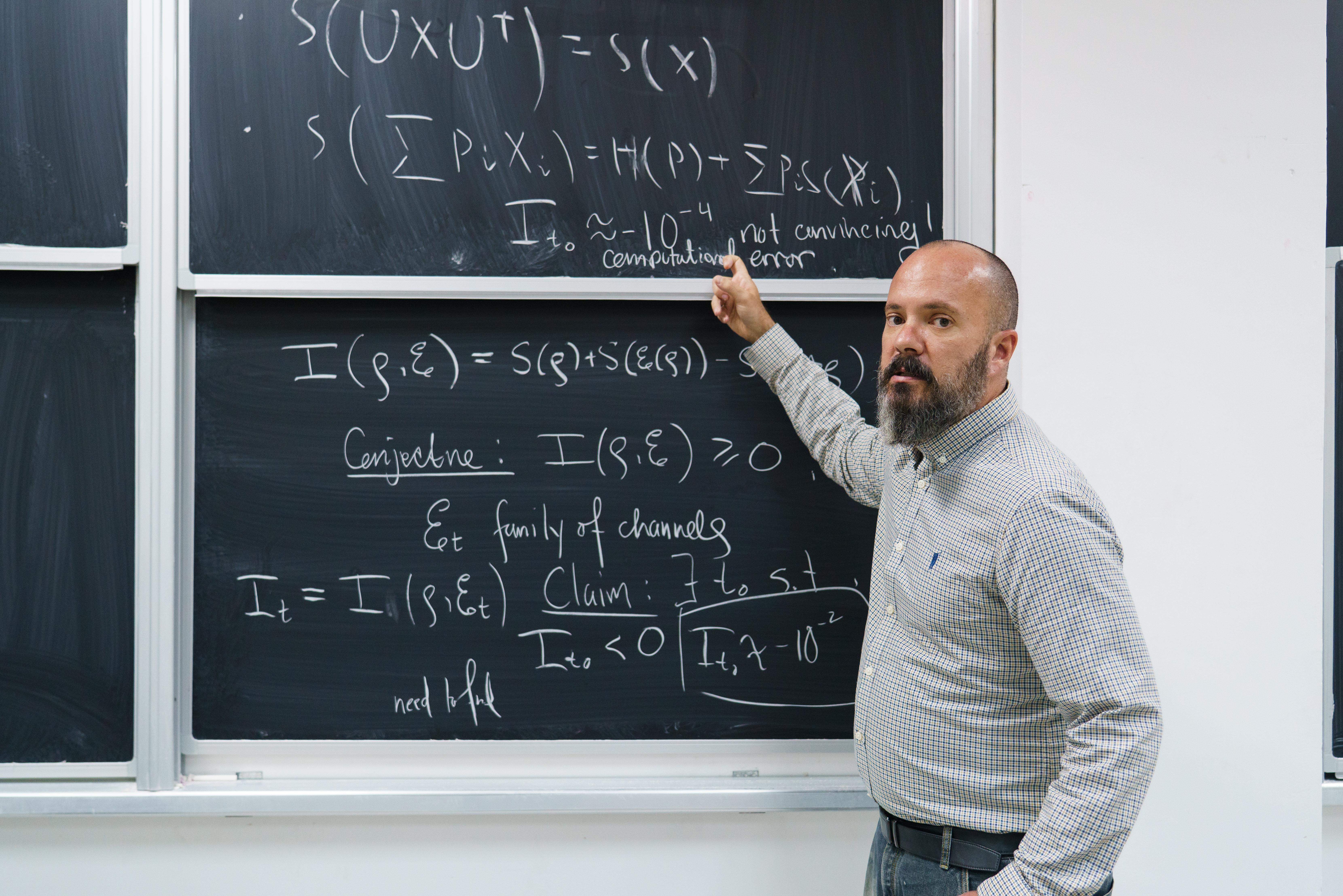
James Fullwood first came to China nearly 14 years ago. As a PhD student he collaborated with Fields Medalist Shing-Tung Yau on the geometry of string theory, and then took a postdoctoral position at The University of Hong Kong under Chinese Academician Ngaiming Mok. But it was a 2020 visit to Hainan University in south China that sealed his destiny. "I am originally from Miami, Florida, and I immediately felt at home with (provincial capital) Haikou's blue skies, clean air and tropical climate." In April 2024, he joined the faculty of the School of Mathematics and Statistics, finding an idyllic atmosphere for his research on fundamental physics.
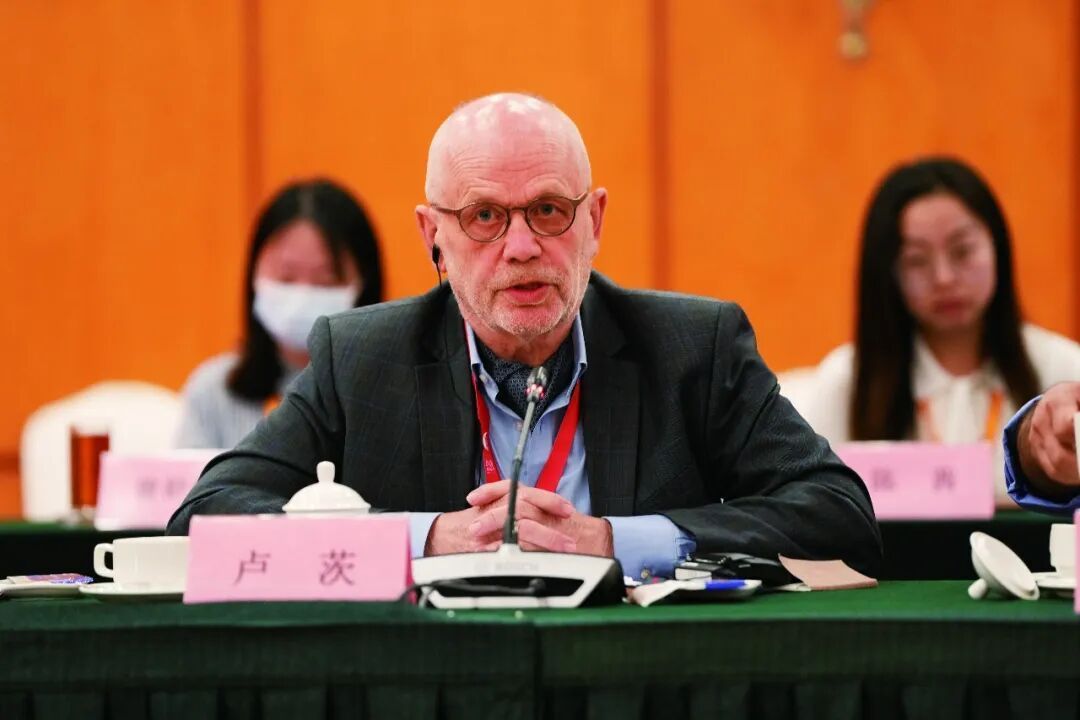
In 2018, Lutz Gunther Pluemer, a German senior professor specializing in geographic information and AI, was invited to Chengdu to serve as foreign dean of the Faculty of Geosciences and Environmental Engineering at Southwest Jiaotong University.
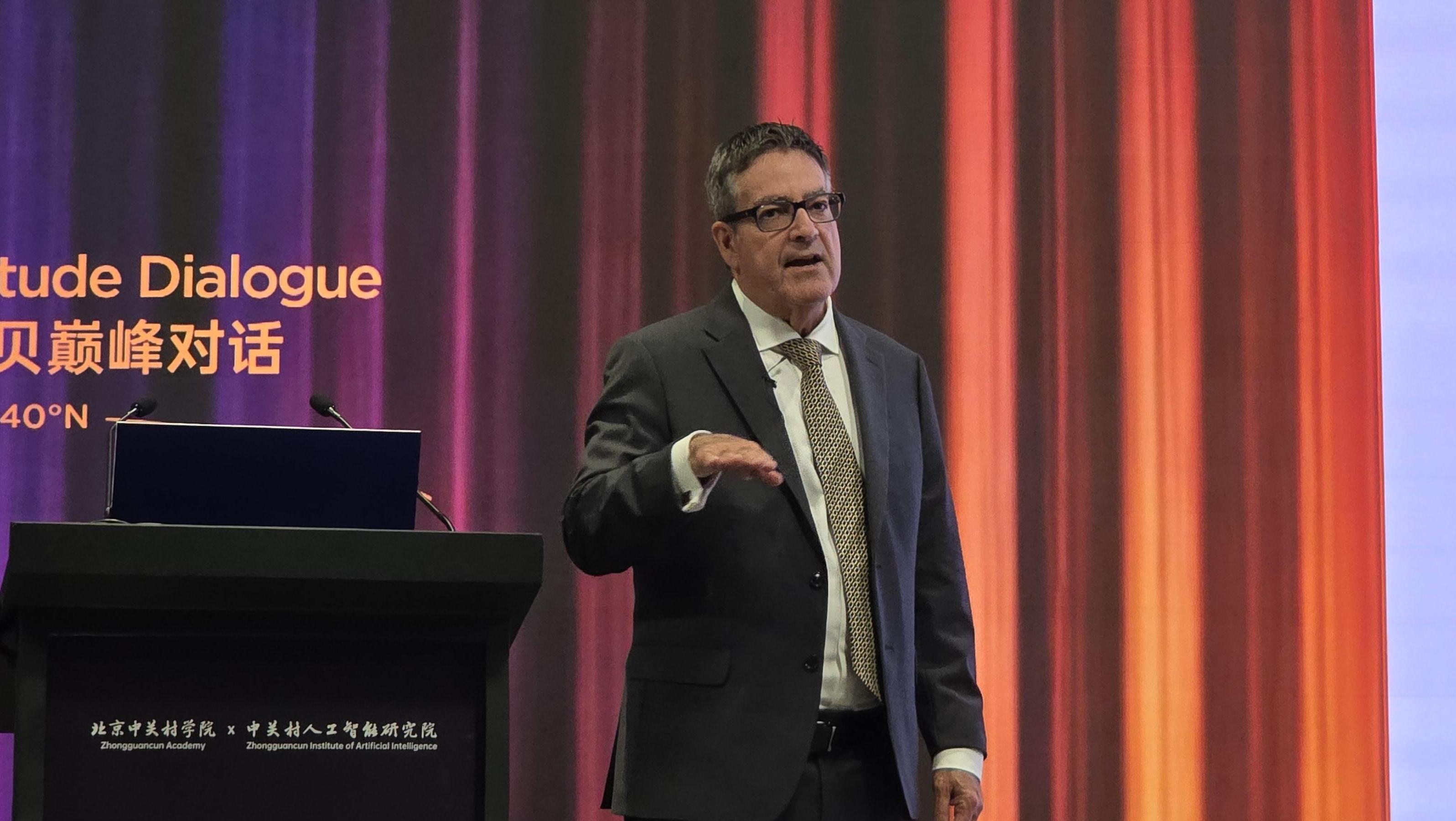
The auditorium at the Zhongguancun Academy in Beijing was packed for the forum "From AI Strategy to Business Growth: Building the AI-Enabled Enterprise." The speaker was Joe Weinman, a renowned AI strategist widely known as the "Father of Cloud Economics." He is also the founder of the International Institute for Future Industries and the author of numerous books as well as the newly released report Disruptive and Interesting Tech: AI.
China's innovation-oriented development is not merely a slogan—it is the engine driving the nation toward a future defined by sustainability, intelligence, and shared prosperity. From renewable energy farms to orbital satellites, China is building technologies for the shared future of humankind. The country stands at the forefront of technological innovation and breakthroughs and is creating a benchmark that inspires the world.
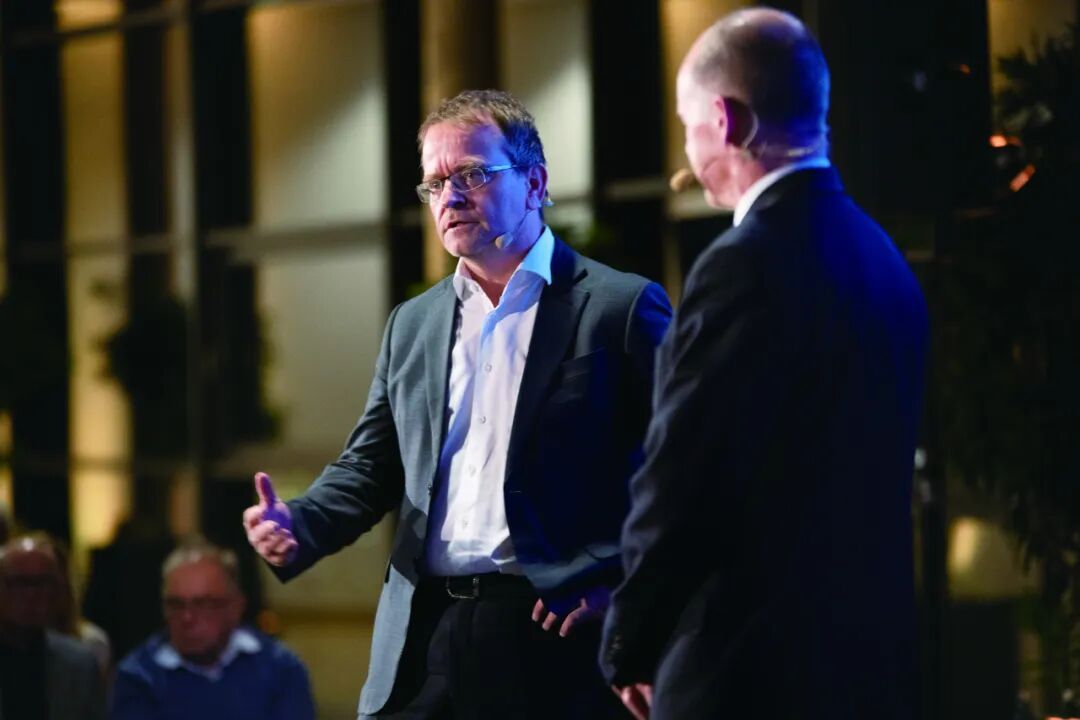
Juergen Haering is a seasoned expert in the field of global automotive precision manufacturing, and established Haering Precision Technology (Taicang) Co., Ltd., in 2004. For over two decades, he has championed close cooperation between China and Germany in intelligent manufacturing, technical standards and vocational education. He has also played an active role in facilitating cultural and business exchanges between Chinese and German enterprises. In recognition of these contributions, he was awarded the prestigious 2025 Chinese Government Friendship Award.
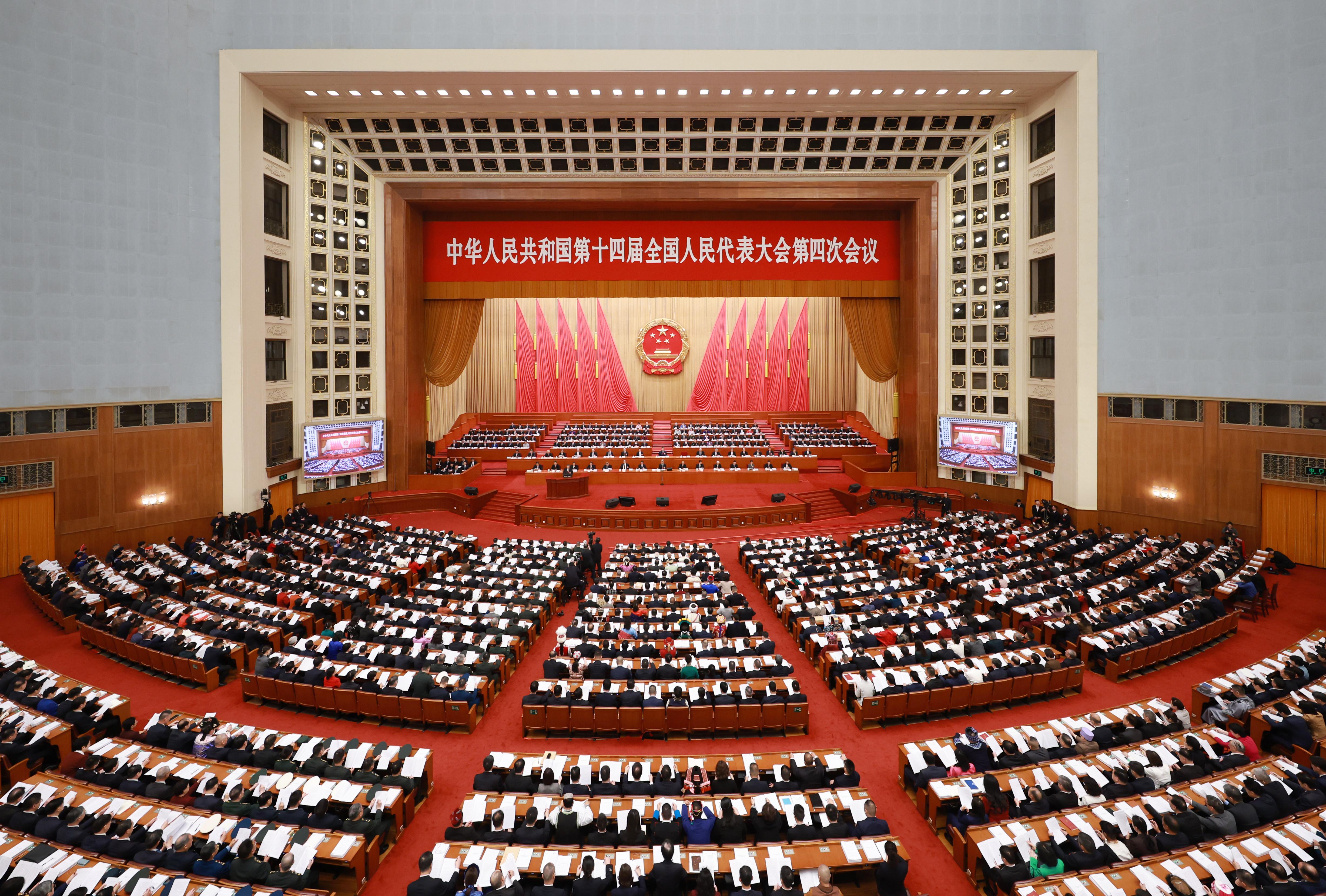
China will accelerate efforts for greater achievements in science and technology in 2026 and build world-class sci-tech innovation engines, according to a draft government work report submitted to the country's top legislature for deliberation on March 5.
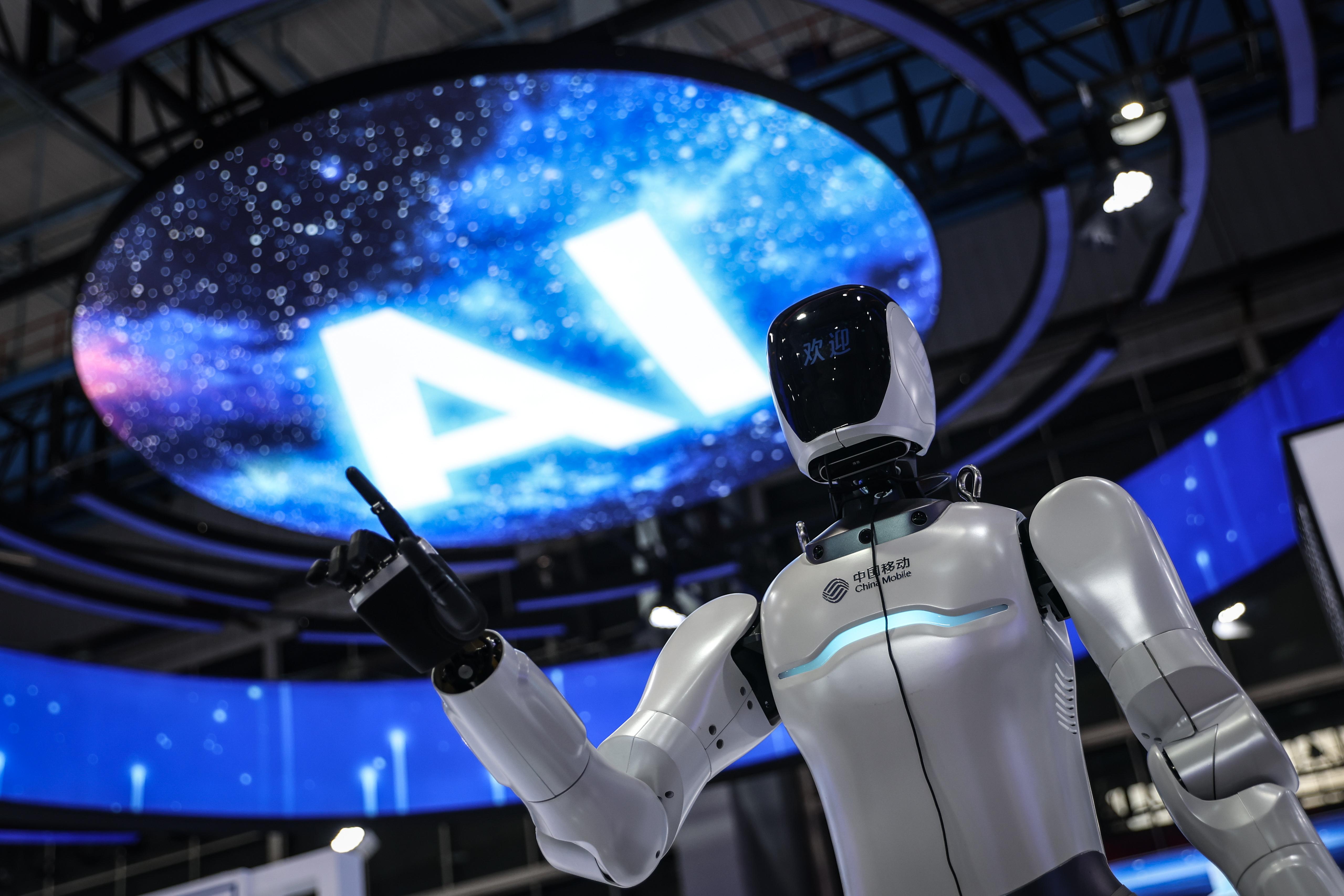
The spotlight at this year's Spring Festival Gala fell on a new kind of performer. As the world's most-watched television program unfolded, Chinese humanoid robots commanded the stage with a display of agility that captivated audiences worldwide. Videos of the event quickly circulated online, showing machines executing precise kung fu moves, synchronized dances, and elaborate gymnastics. This leap from tentative movement to athletic precision reflects a broader trend: the rapid maturation of China's future industries.
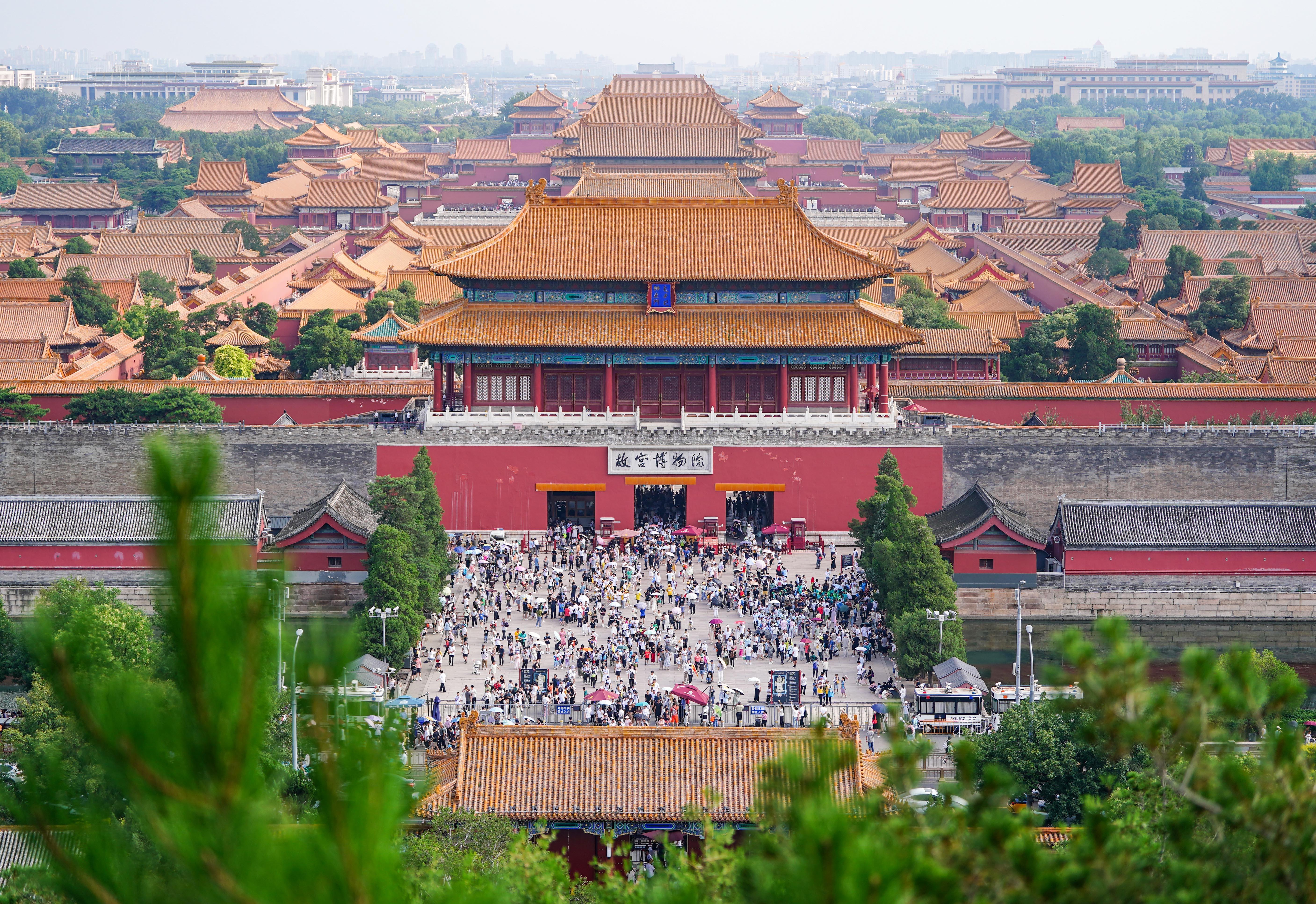
In 2025, China continued to expand its policies of institutional opening-up and optimization of personnel exchanges, with topics such as "Becoming Chinese"and "China Travel"regularly going viral on foreign social media platforms. Backing this up, trendy consumer products like LABUBU dolls and China-produced sci-tech devices have emerged as new mediums for the global community to gain an authentic, multi-dimensional understanding of China.
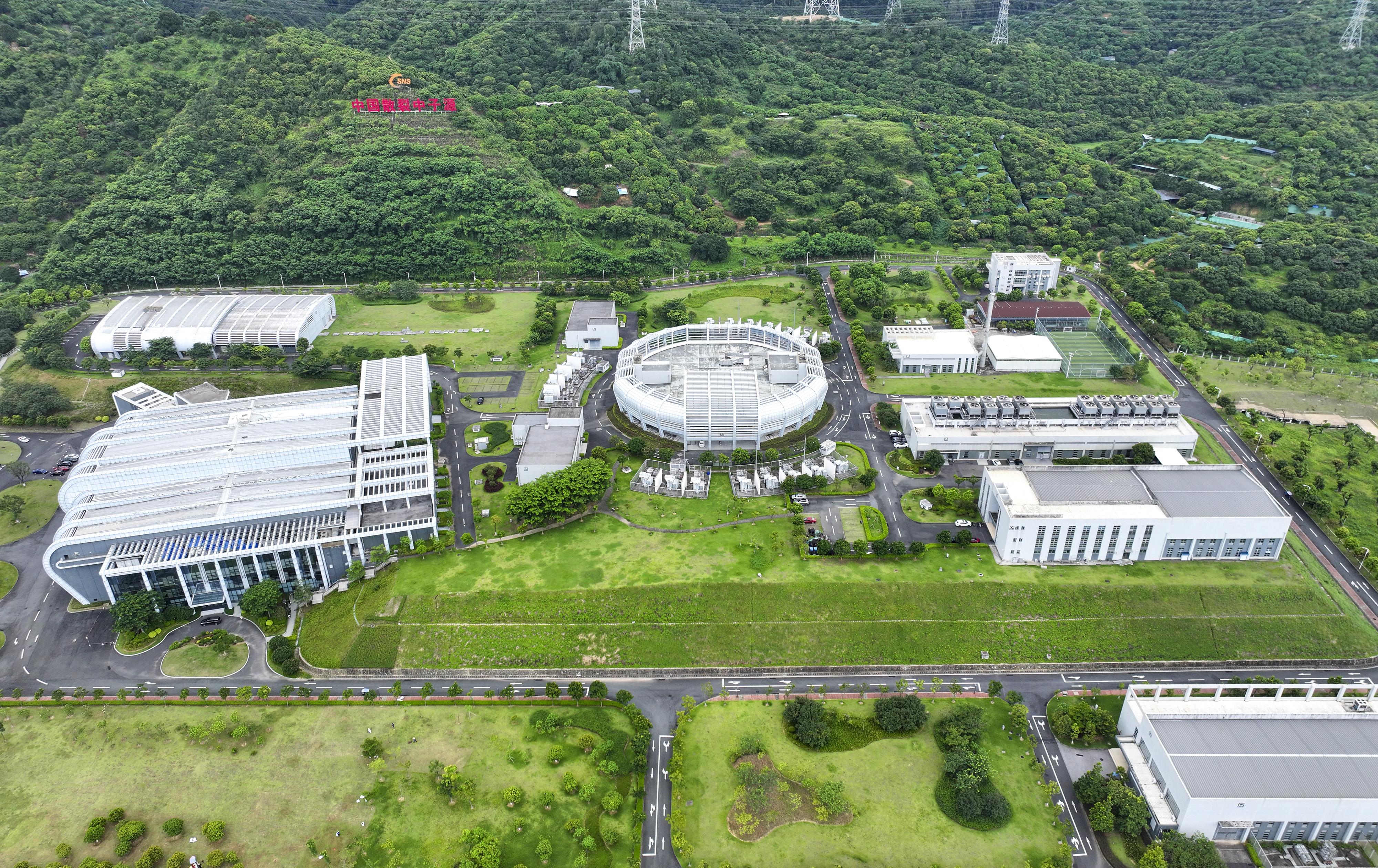
China has stepped onto the global stage not only as a manufacturing power, but as a rising center for sci-tech innovation. This is evident from the investment in basic research to the rise of world-class laboratories; the foundation is being laid for long-term breakthroughs.
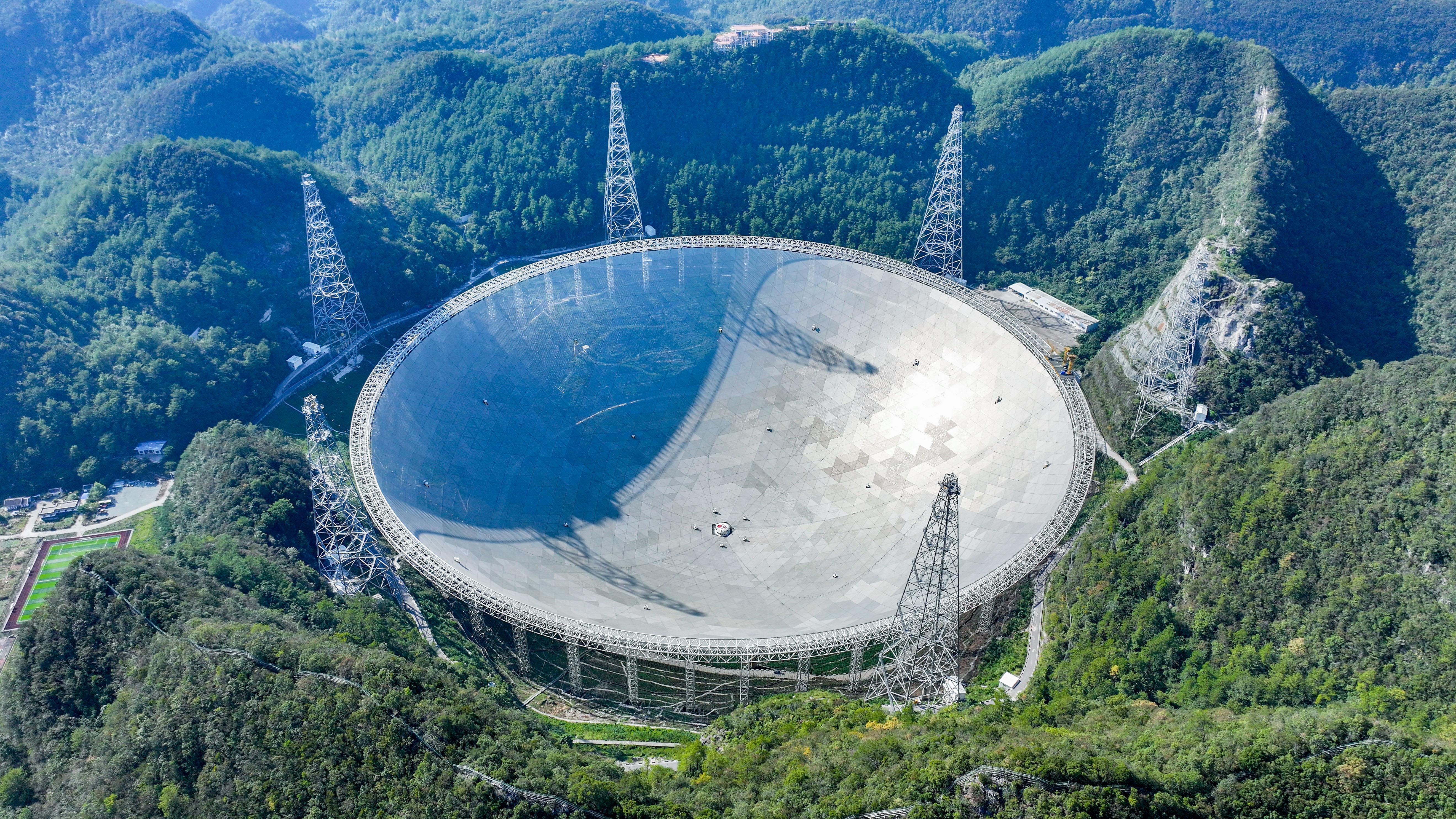
As China's 2026 Two Sessions approach, the global community is looking not just for economic targets, but for insights into China's unique development path, a path defined by people-centered development, open scientific collaboration, sustainable green transitions, and the harmonious coexistence of deep cultural roots with frontier technology.
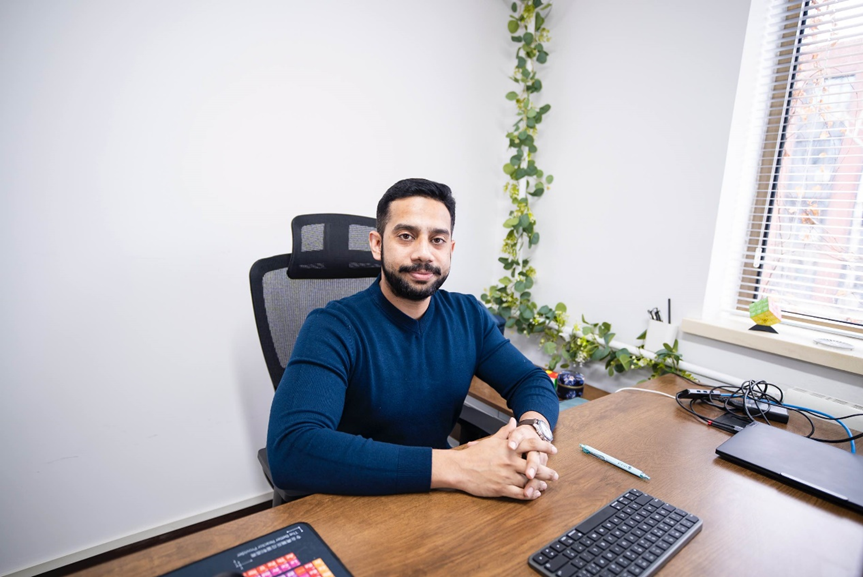
In 2017, when Pakistani scholar Muhammad Salman Nasir first arrived in China to begin his PhD, he had a clear scientific mission: to advance catalytic technologies for renewable energy. What he didn't anticipate, was how deeply the country would shape his sense of purpose and belonging.
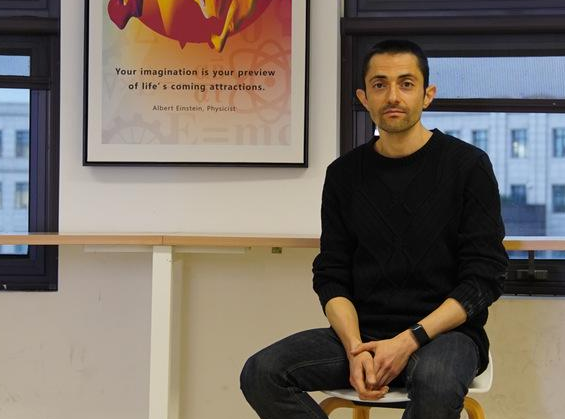
At Fudan University's Jiangwan Campus in Shanghai, Cosimo Bambi is often seen jogging around the physics building. He runs without headphones, keeps a steady pace, and sometimes waves to students. Some say he resembles Sheldon from the American sitcom The Big Bang Theory, not because of eccentric habits, but because of his sharp eyes and quiet focus. In reality, he is grounded and has spent the last 13 years helping build a research field that barely existed in China when he arrived.
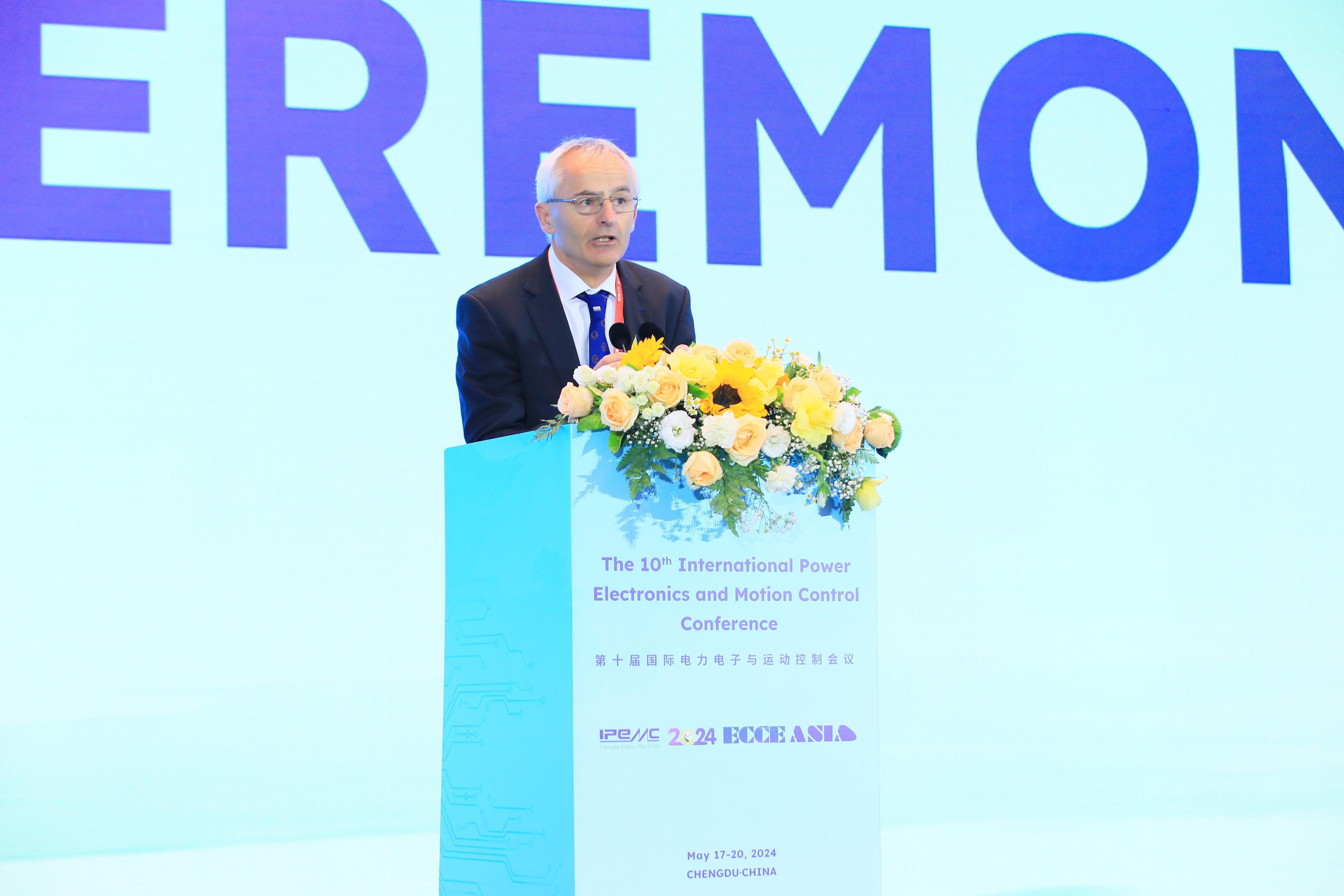
Straight from delivering a lecture at Southwest Jiaotong University, Professor Frede Blaabjerg sat down for an interview with Science and Technology Daily. When asked if he was tired, he smiled and said, "I seldom get tired from academic work."

Chinese President Xi Jinping has sent a congratulatory letter to the Science and Technology Daily on the occasion of the 40th anniversary of its founding.
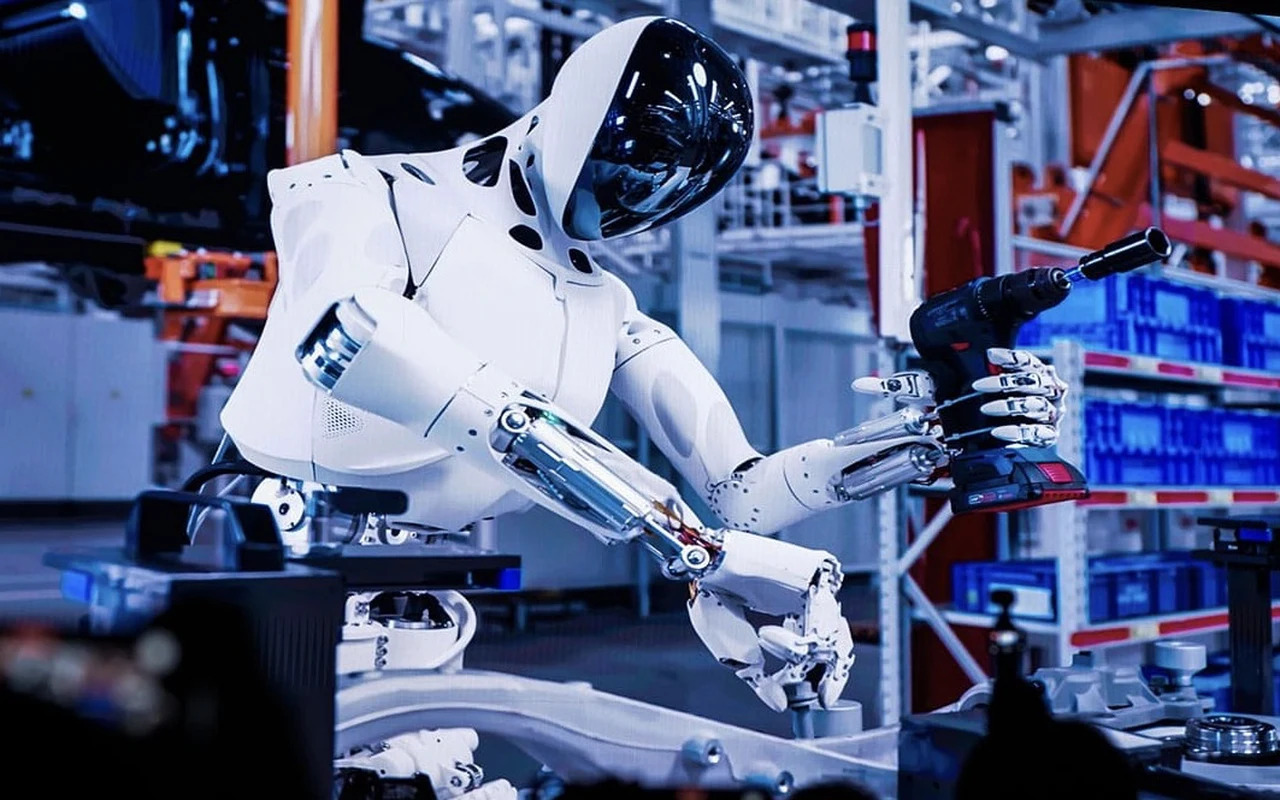
As artificial intelligence continues to advance, robots are moving beyond laboratories and exhibition halls to take on an expanding range of tasks once performed entirely by humans. From everyday services to industrial production, intelligent machines are increasingly being put to practical use, helping improve efficiency, consistency and hygiene while addressing challenges in traditional industries.