

友情链接
- Copyright © Science and Technology Daily, All Rights Reserved
- 科技日报社 中国科技网 版权所有

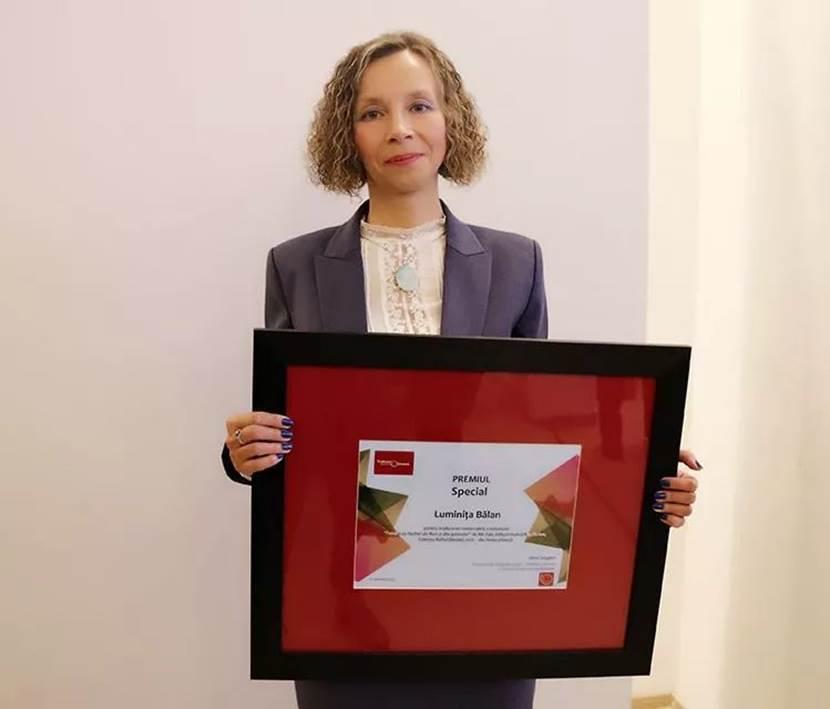
At the age of seven, standing in a classroom in 1970s Romania, little Luminita Balan saw Chinese characters written on the blackboard for the first time. "They were extraordinary, almost magical," she recalled. Instantly captivated, she felt certain these "mysterious symbols" would lead her into a world of profound beauty and meaning. That moment marked the beginning of a lifelong journey — one that would transform her from a curious schoolgirl into a leading sinologist, translator and cultural bridge between Romania and China.
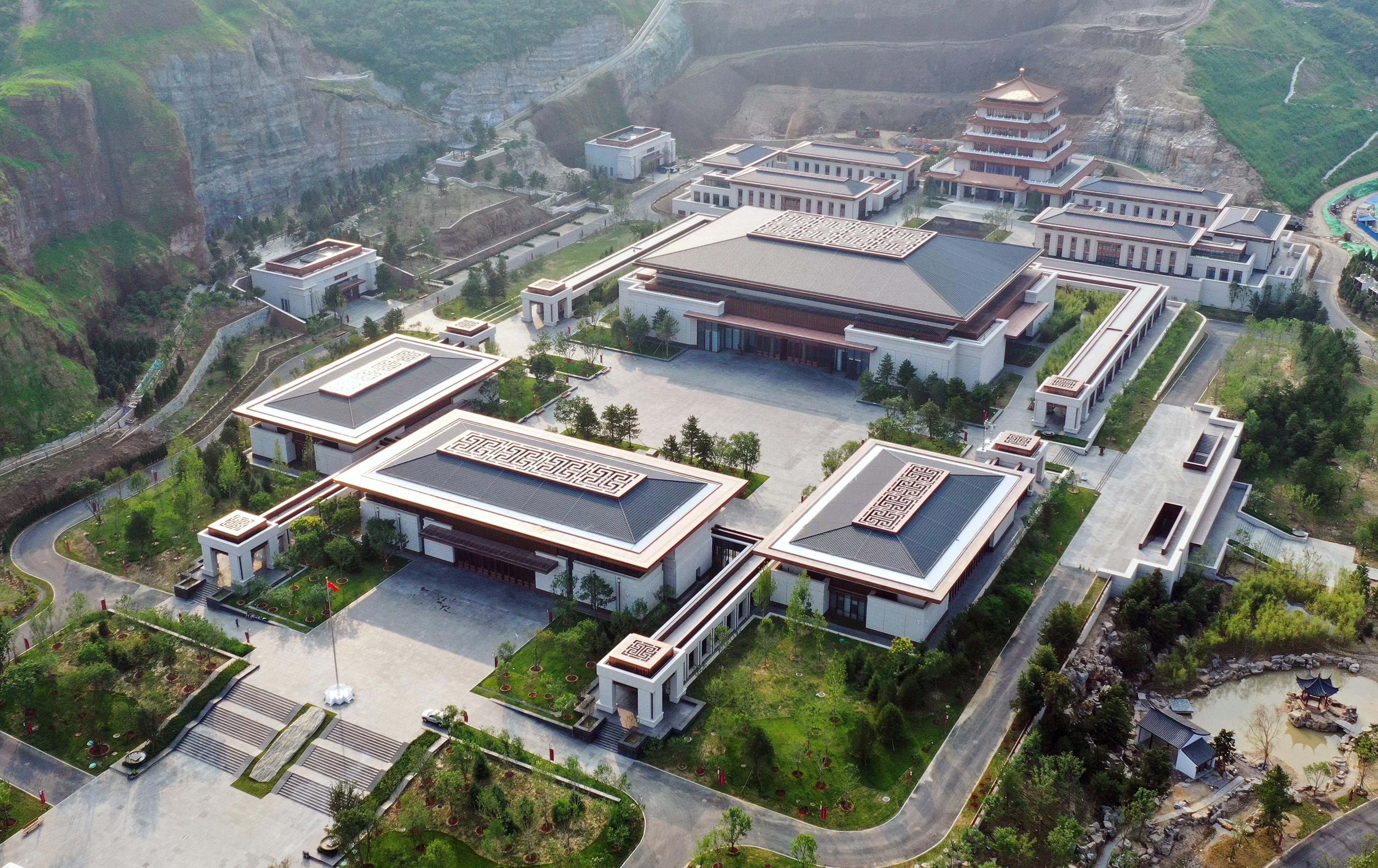
In an era of rapid scientific advancement, China's contemporary drive for innovation is increasingly recognized not as a sudden departure from its past, but as a reawakening of deep historical currents. In a recent interview with Science and Technology Daily, three leading Chinese scholars emphasized that the Chinese nation has long possessed a profound, resilient and distinctive tradition of innovation, which remains a source of inspiration for today's scientific and cultural endeavors.
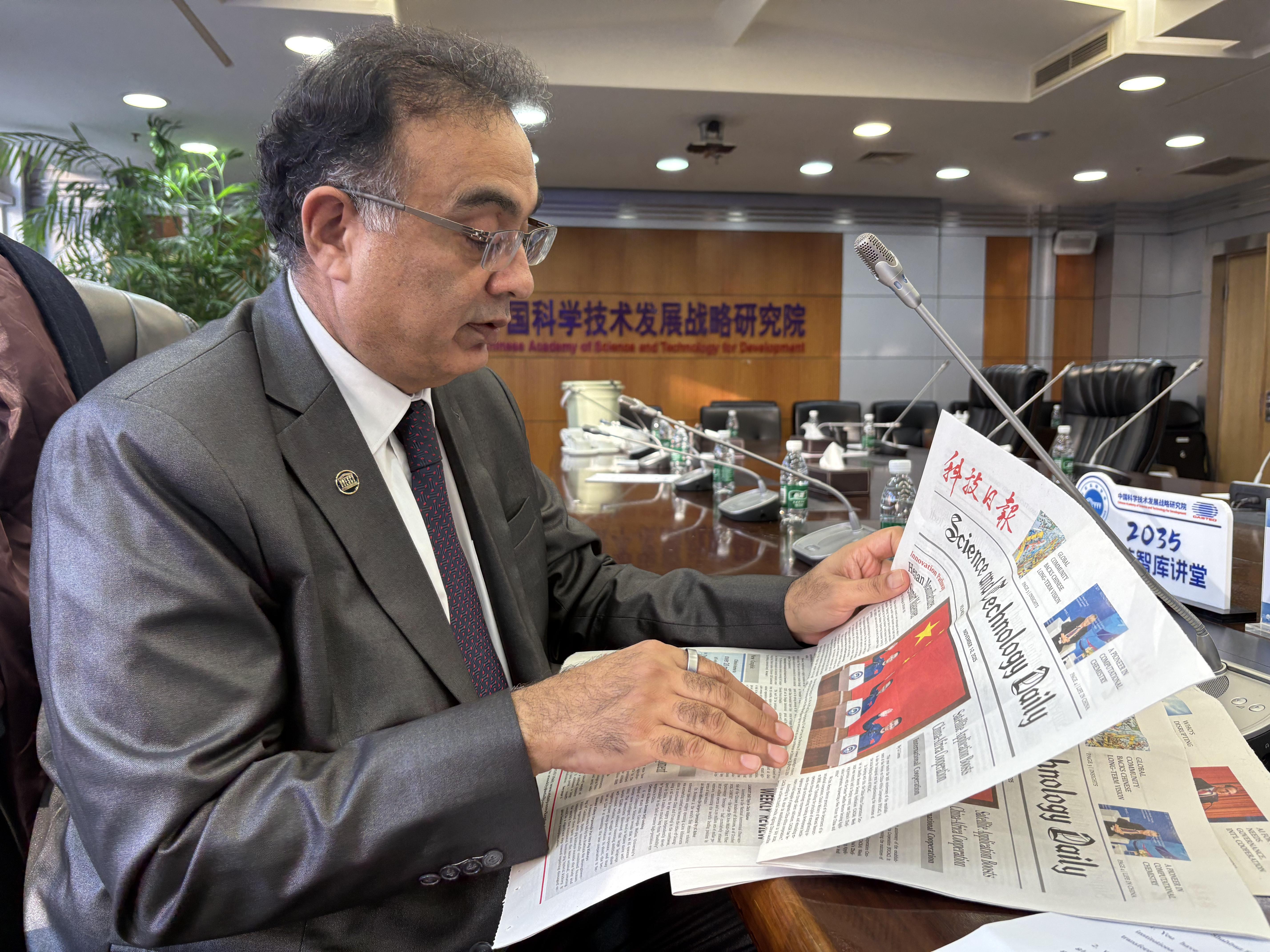
"When the value created by a product stays where it's made through jobs, skills, and fair wages…that's what I mean by shared prosperity," said Shahbaz Khan, director and UNESCO representative to the Regional Office for East Asia, holding up his smartphone during a lecture at the China Academy of Science and Technology for Development (CASTED). The device was a Realme, a brand born in China but assembled by young workers in Lahore, Pakistan. "I bought it there because I needed a phone that works in Pakistan," he said with a knowing smile. "But more importantly, local people are employed, trained and earning. That's not extraction. That's partnership."
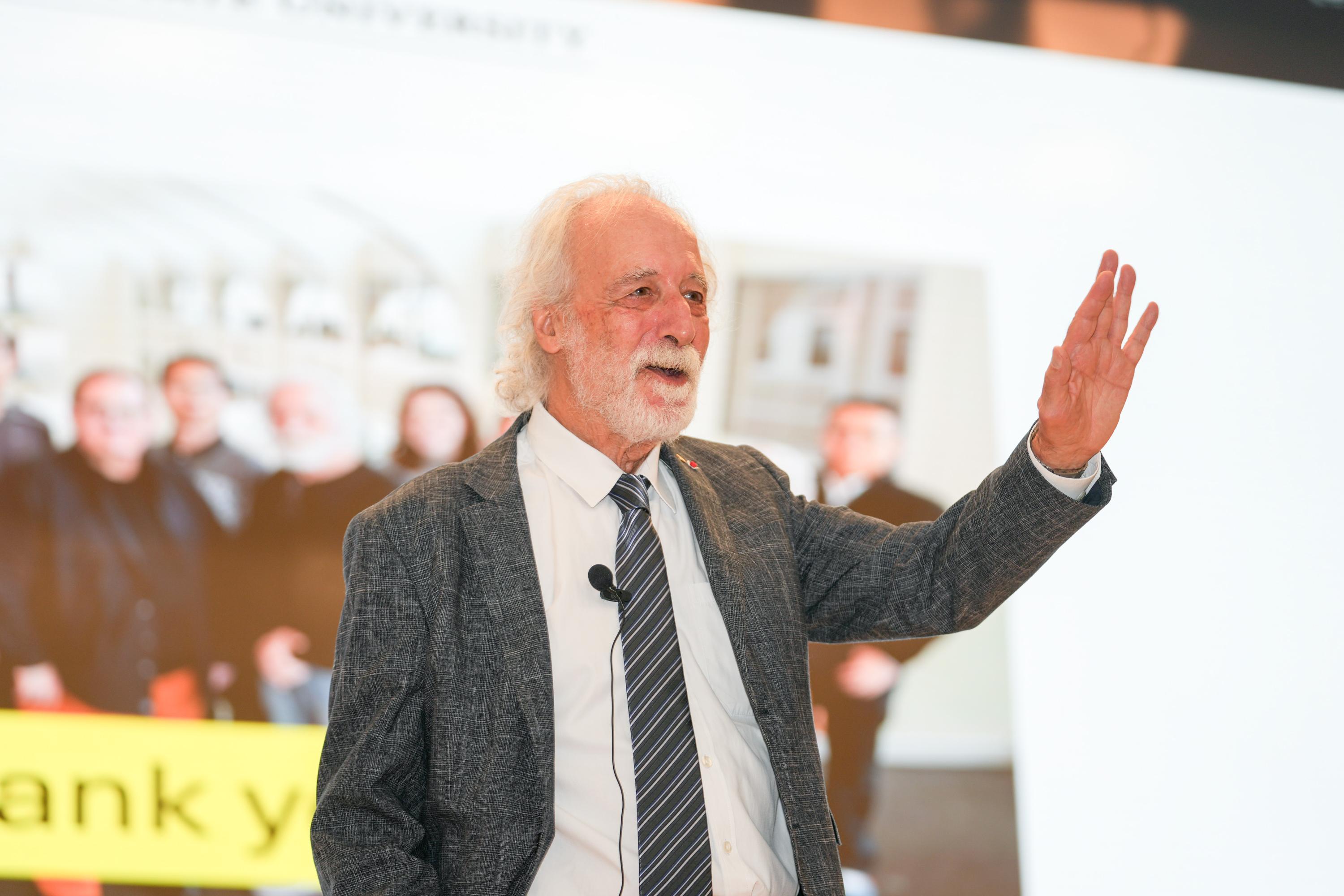
For Professor Pierre Agostini, science first appeared as a man running back and forth across a classroom. It was during high school when his chemistry teacher, demonstrating how atoms bond, dashed from the blackboard to the wall and back again, shouting out element symbols and mimicking reaction pathways.
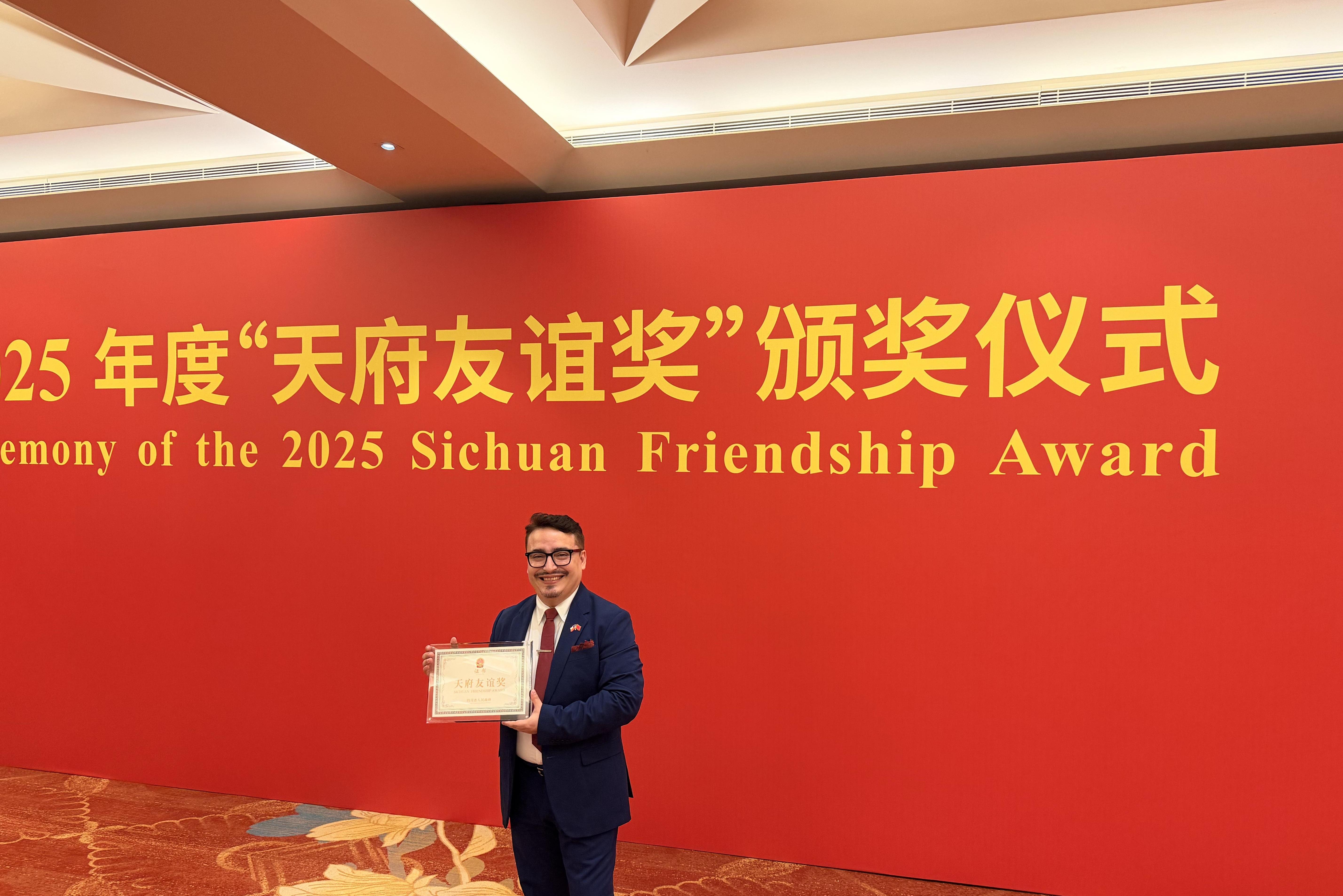
In 2009, Alex Rivera arrived in Mianyang, Sichuan province, to teach Spanish at Southwest University of Science and Technology (SWUST). He carried little more than curiosity and a willingness to embrace the unknown. 16 years later, he is a deeply rooted member of the community, an educator, a cultural bridge-builder and a storyteller committed to fostering mutual understanding between China and his native Chile.
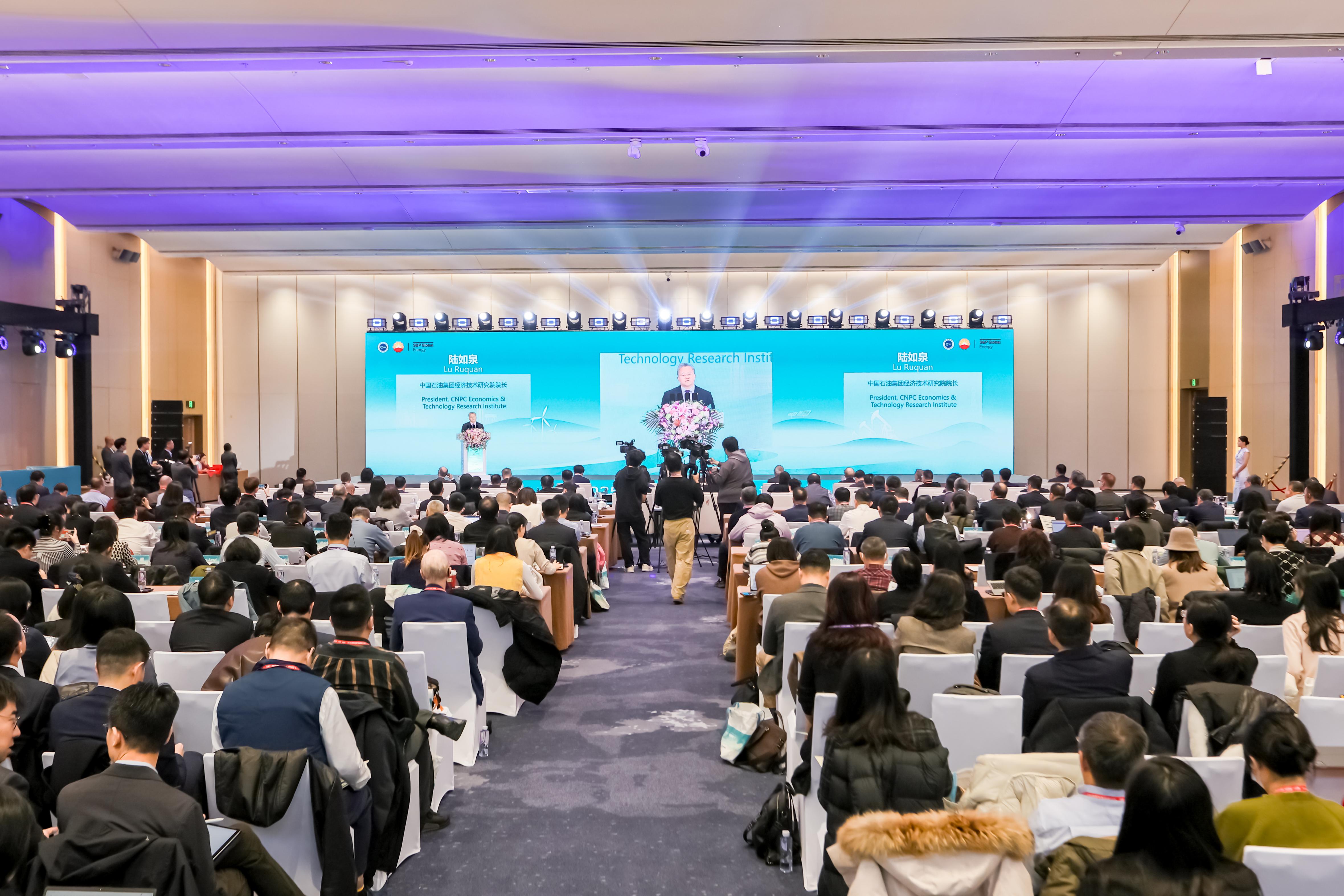
As the global energy landscape reshapes amid geopolitical and climate shocks, the 2025 International Energy Executive Forum held in Beijing on December 11 and 12, discussed joining forces to shape a fair, secure, and intelligent new global energy ecosystem.
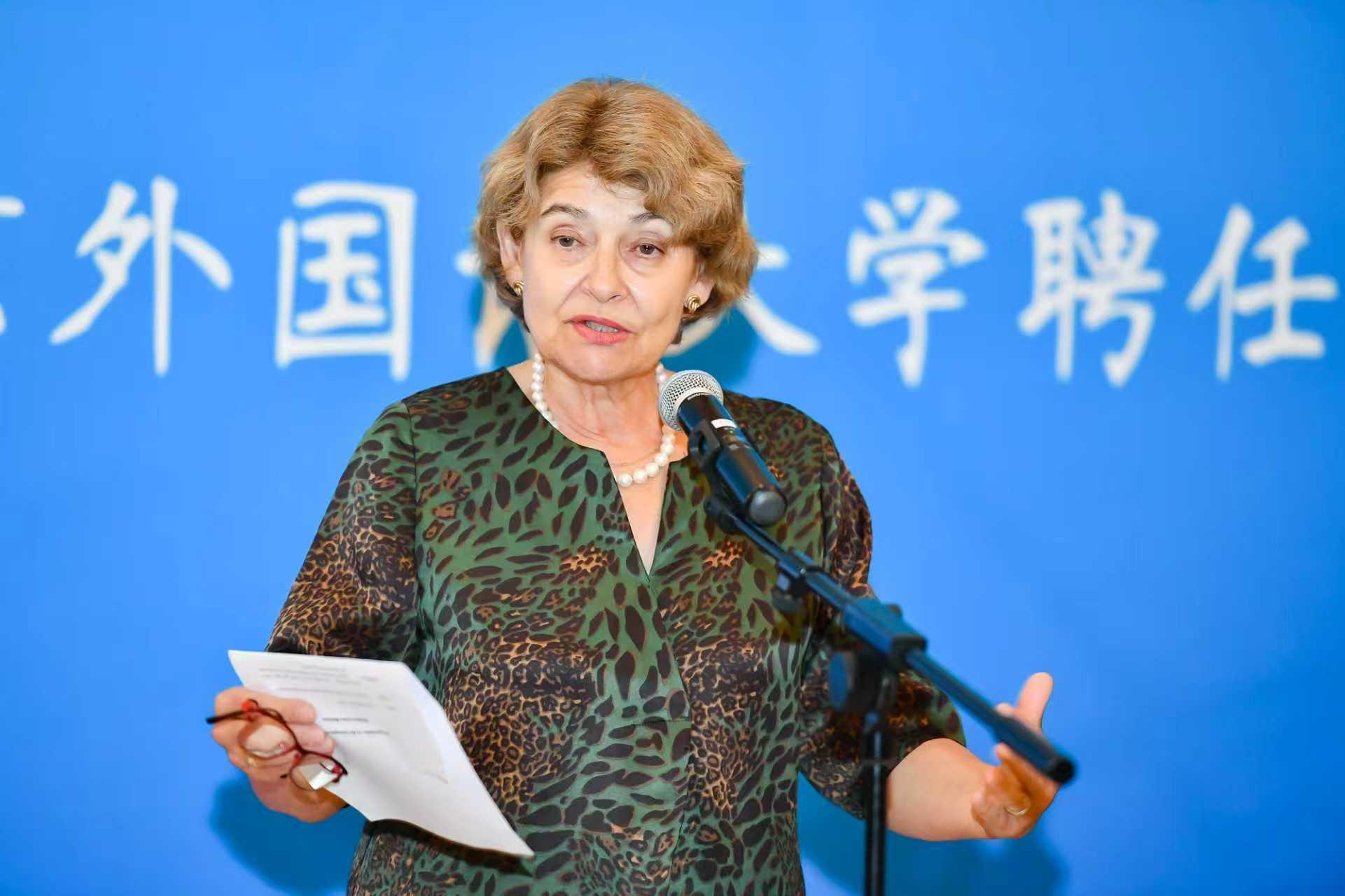
“I believed in those early years of my professional career, and I still do, that multilateralism is vital for living together in peace and mutual understanding,” former UNESCO director-general professor Irina Bokova told Science and Technology Daily in a recent interview.
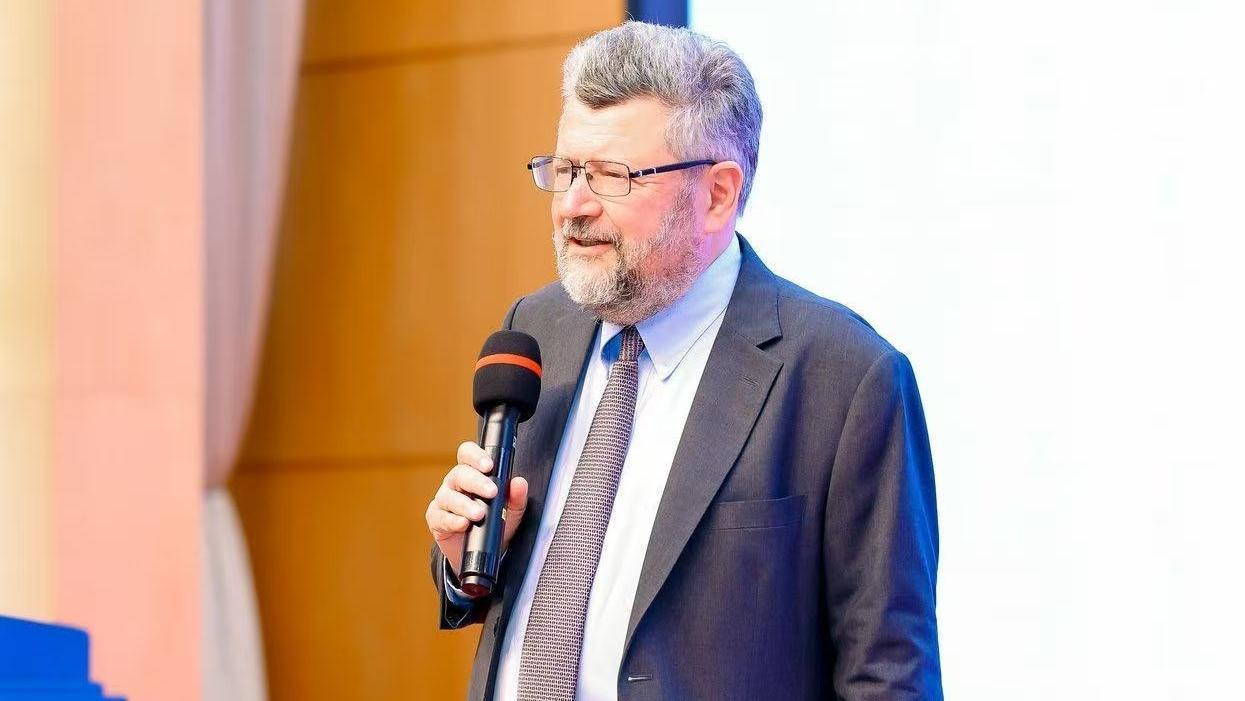
At the age of 70, renowned mathematician Professor Efim Zelmanov remains deeply passionate about teaching undergraduate students in Shenzhen in south China. Before class, he makes tea and answers questions. When he speaks about mathematics, he treats it not as a subject meant for geniuses, but as something deeply woven into everyday life. Zelmanov received the Fields Medal for solving a century-old problem on symmetry when he was only 39. The Fields Medal is the highest honor in mathematics, presented every four years at the International Congress of Mathematicians.
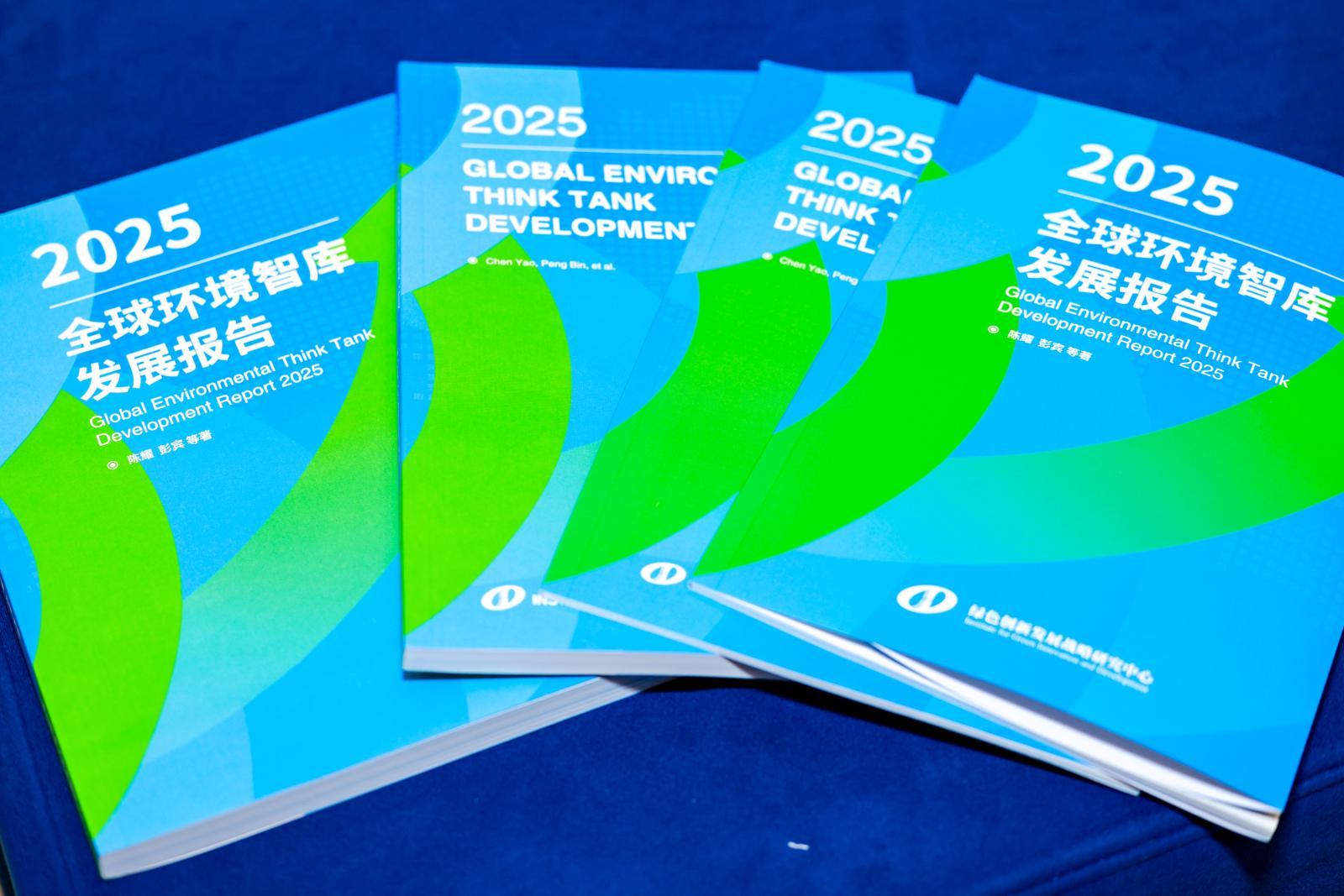
Eight Chinese think tanks are among the top environmental think tanks worldwide, six top in the field of environmental pollution control, and another six ace in the field of biodiversity and ecosystems. These are among the findings of the Global Environmental Think Tank Development Report 2025 released in Beijing on December 5 by the Institute for Green Innovation and Development, a science and technology think tank jointly established by Zhejiang University of Technology and the Chinese Society for Environmental Sciences.

Erik Solheim, Co-Chair of Europe Asia Center and Former Under Secretary-General of the UN and Executive Director of the UNEP, is vocal about China’s global role.
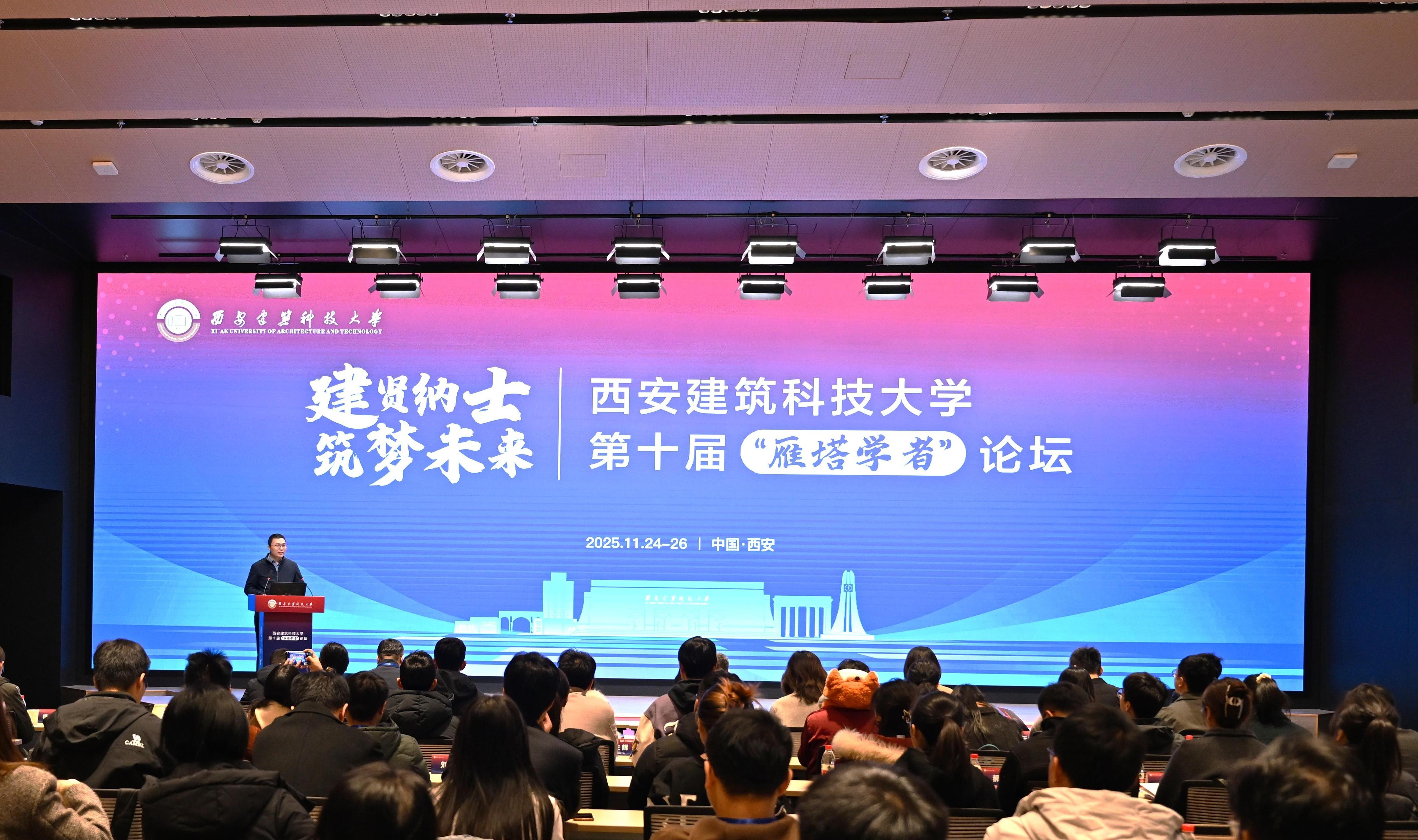
On November 25, Xi’an University of Architecture and Technology (XAUAT) opened the 10th Yanta Scholars Forum in Xi’an, Shaanxi province, in northwest China, bringing together talented academics to witness XAUAT’s commitment to attracting global talent through an open and inclusive approach.
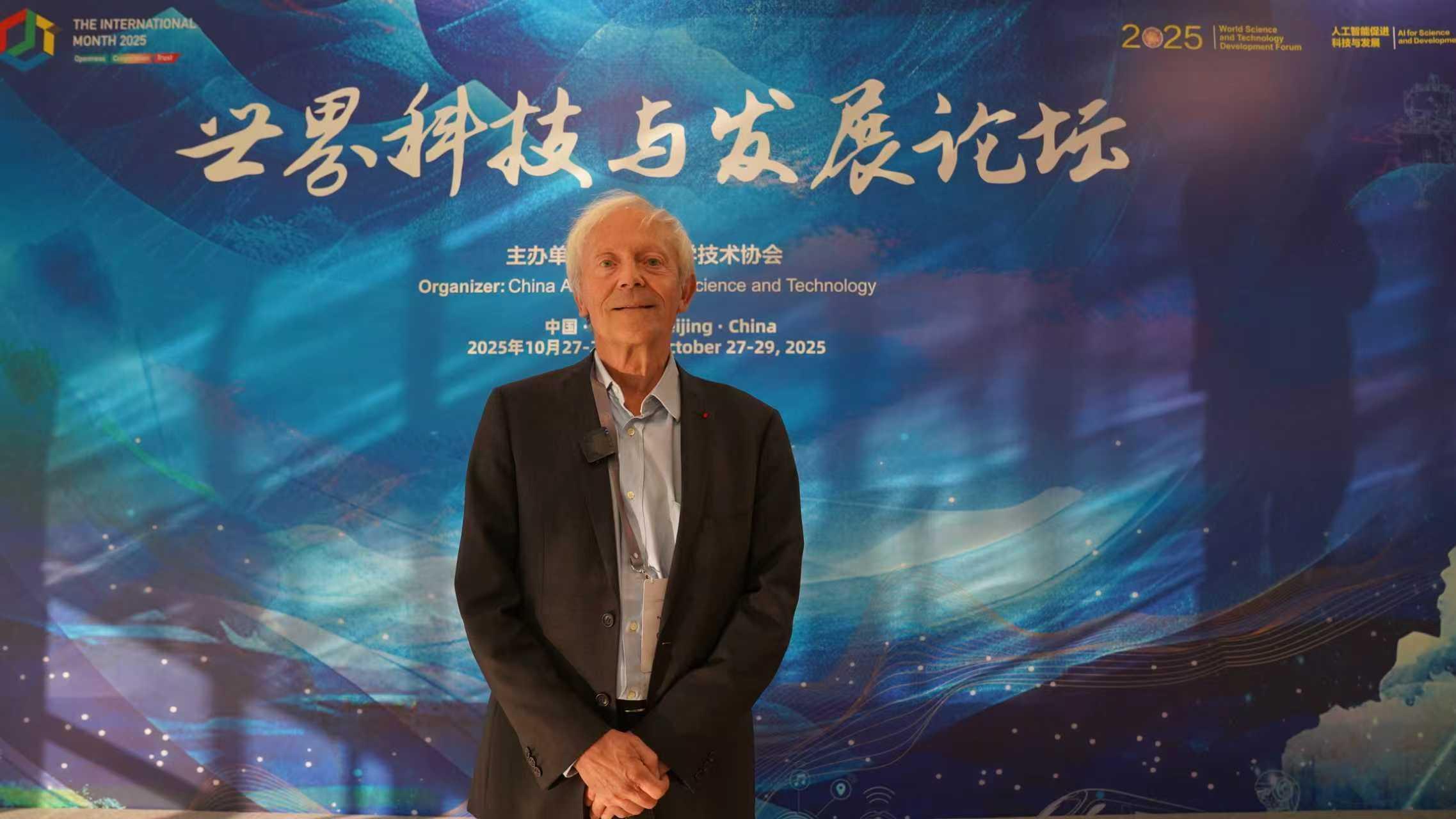
Yvon Le Maho, an emeritus research director at the French National Centre for Scientific Research, project manager at the Monaco Scientific Center and member of the French Academy of Sciences, expressed his admiration for China's achievements in ecological conservation, scientific research and international cooperation, during a recent exclusive interview with Science and Technology Daily.

A compact ultra-high voltage (UHV) testing system, independently developed in Hubei, central China, has been shipped to Dubai to facilitate offshore wind power projects.
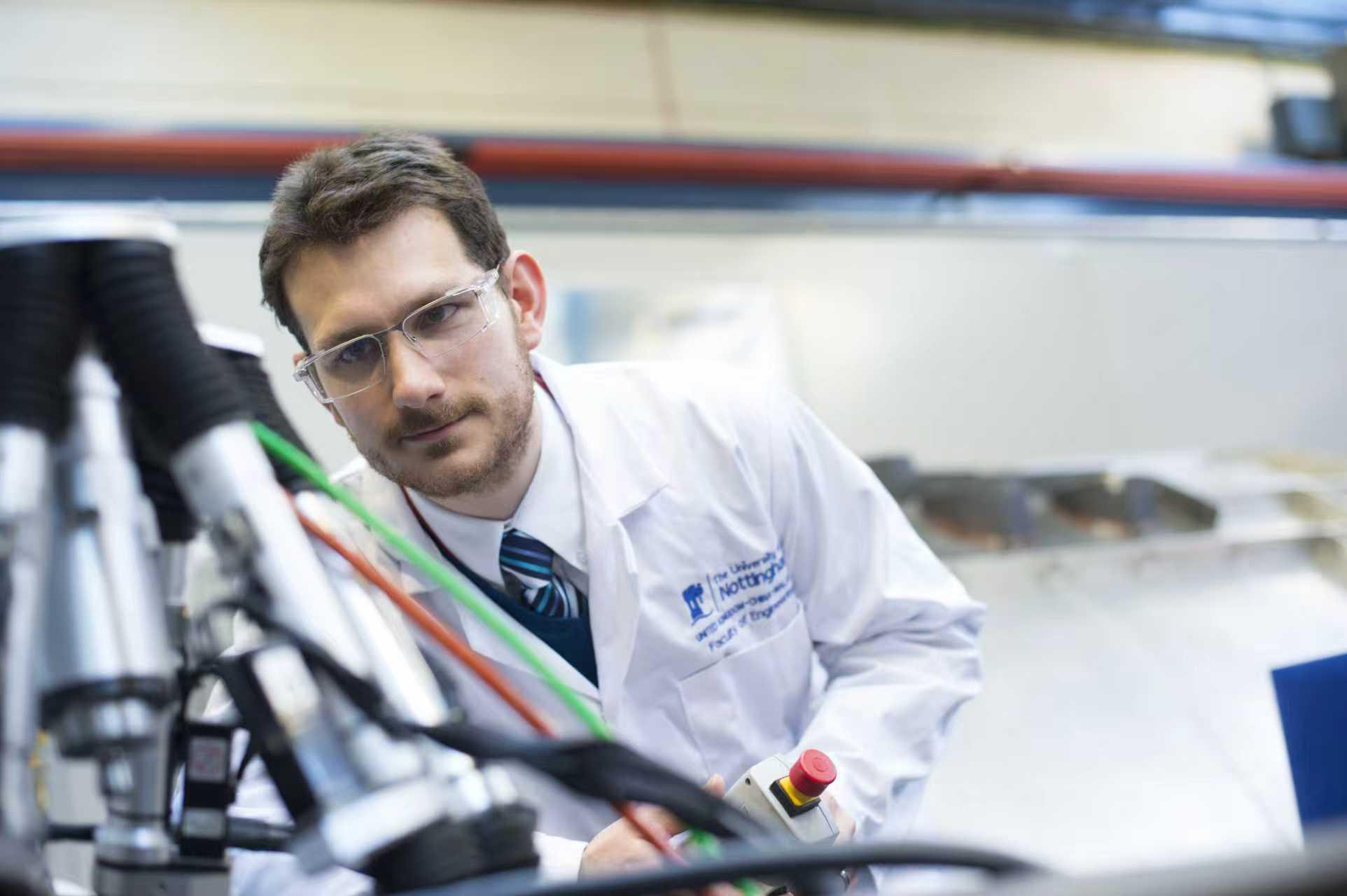
When a university course becomes more than just a requirement on a transcript, and it transforms into a pathway for students to improve skills, a launchpad for innovation, and a nationally recognized model of excellence, something extraordinary is happening in the classroom. At the University of Nottingham, Ningbo, China (UNNC), British scientist Dr. Adam Rushworth has not only redefined how engineering is taught but is also pushing the boundaries of what’s possible in additive manufacturing.

Dr. Salvatore Aricò, an Italian biologist, ecologist, oceanographer and marine policy expert, has worked at the science-policy interface for nearly 30 years, contributing to initiatives such as the Pilot Analysis of Global Ecosystems, the Millennium Ecosystem Assessment, as well as the Global Environment Outlook and Global Biodiversity Outlook.
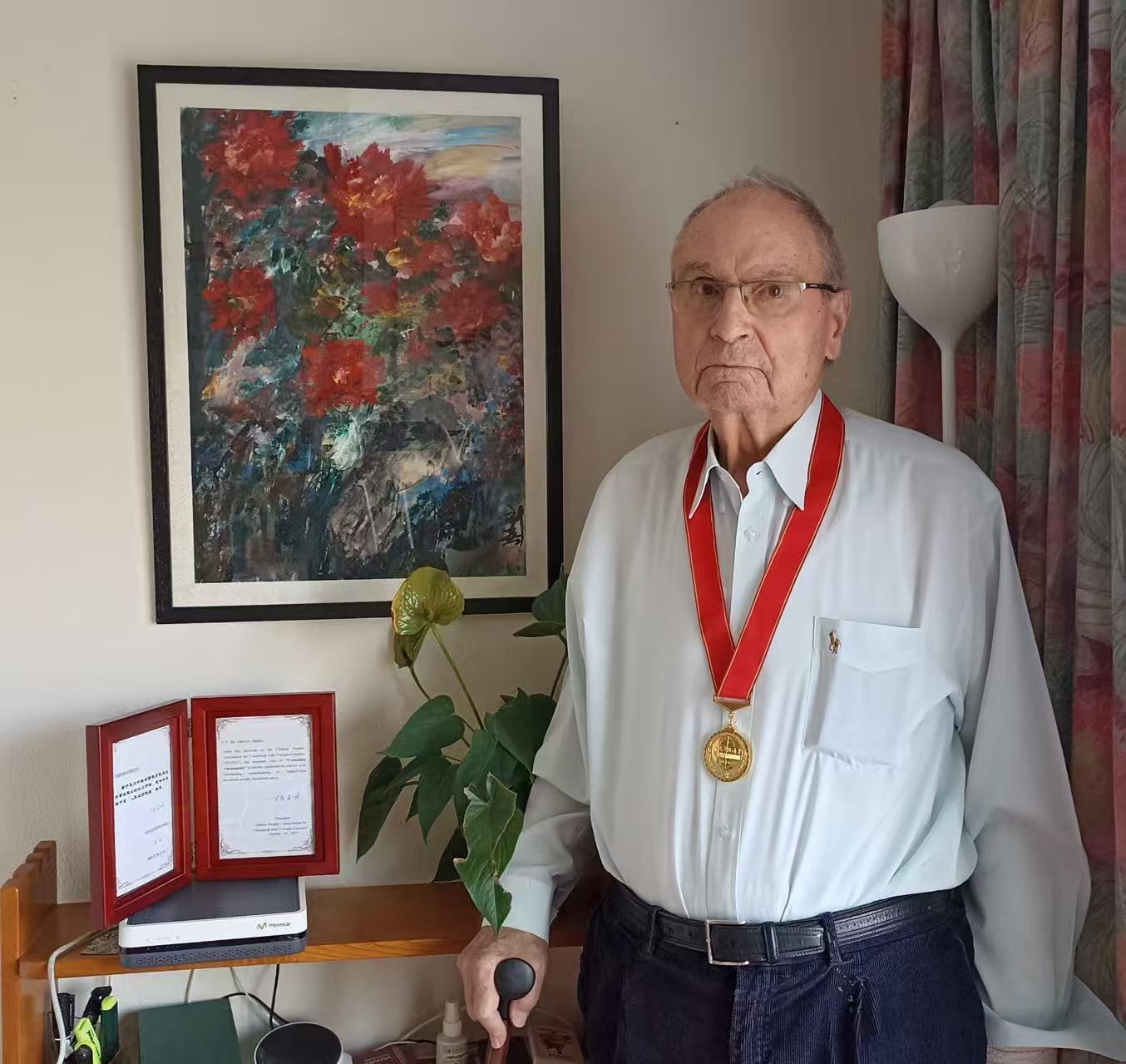
China's Five-Year Plans are far more than economic planning documents. They are the outcome of a collective process that mobilizes thousands of experts, academics, officials and representatives from all levels of the Communist Party of China (CPC), from the most remote provinces to the central organs of power in Beijing. Their formulation involves millions of people through consultations, sectoral studies and strategic debates. This participatory and scientific approach ensures that the plan is not an imposed decree, but a shared roadmap embraced by society as a whole.
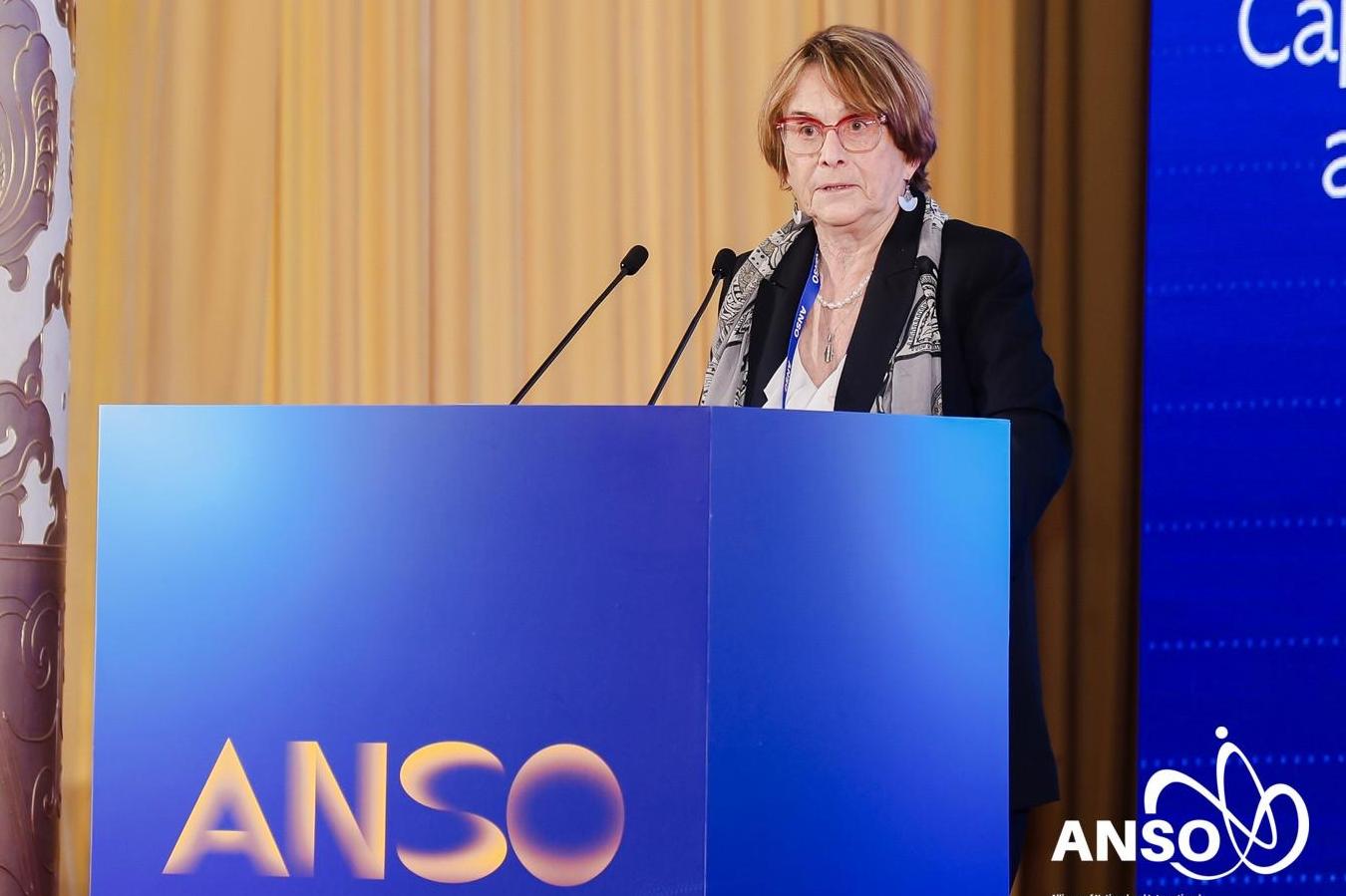
"Global cooperation is not a luxury. It is a necessity. It is through dialogue, trust and shared scientific work that we can build bridges and create solutions that leave no one behind.” This powerful message is part of the speech given by Brazilian scientist Professor Helena B. Nader at the 2025 General Conference of Alliance of National and International Science Organizations for the Belt and Road Regions (ANSO) on Science and Innovation 2025, which opened in Beijing on October 28.
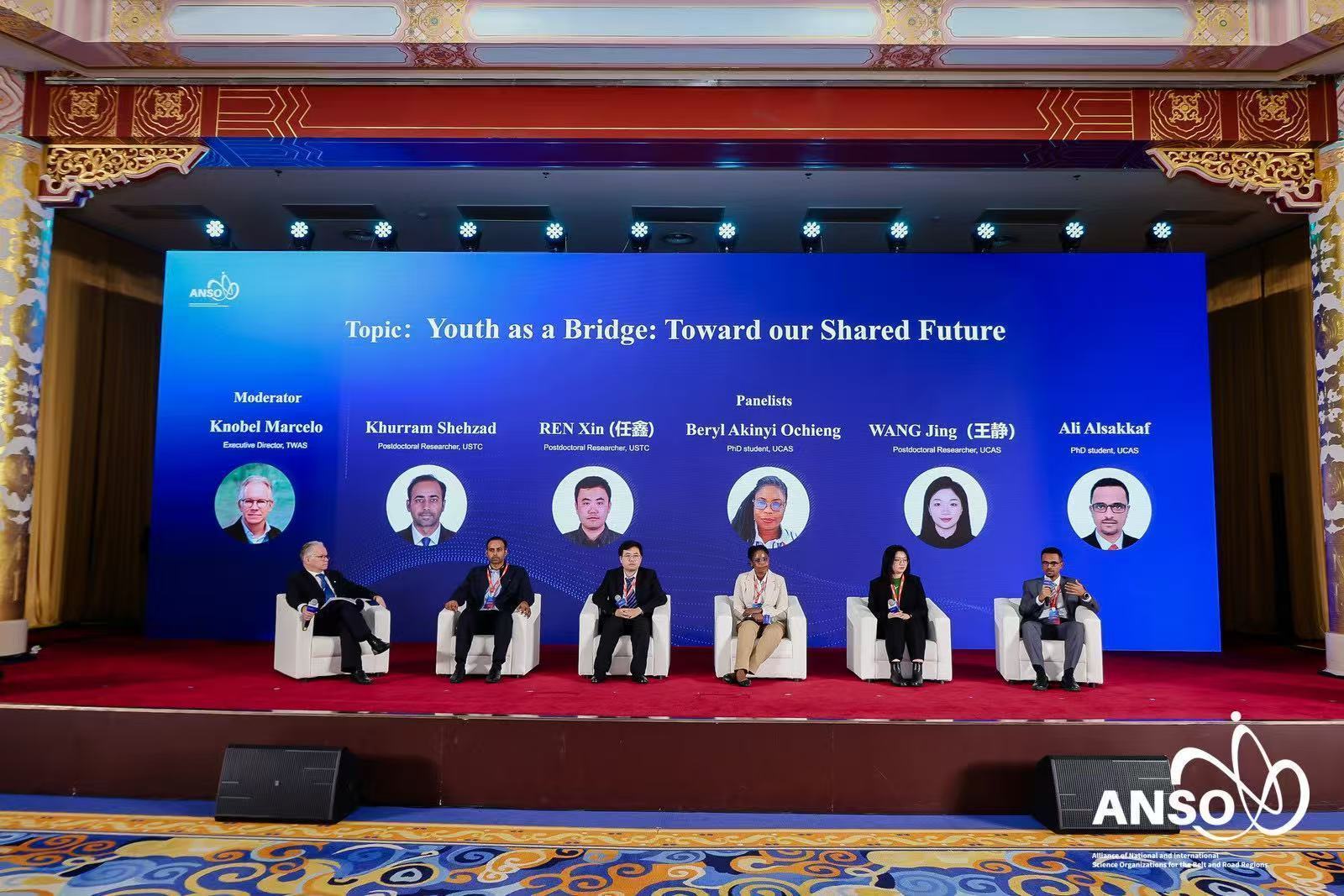
"No country can be great without great science. This is clearly the case with China." With these words, Norwegian biologist Nils Christian Stenseth, speaking as ANSO Science Ambassador, president of the International Society of Zoological Sciences, and a foreign member of the Chinese Academy of Sciences (CAS), captured the spirit of the 2025 General Conference of Alliance of National and International Science Organizations for the Belt and Road Regions (ANSO).
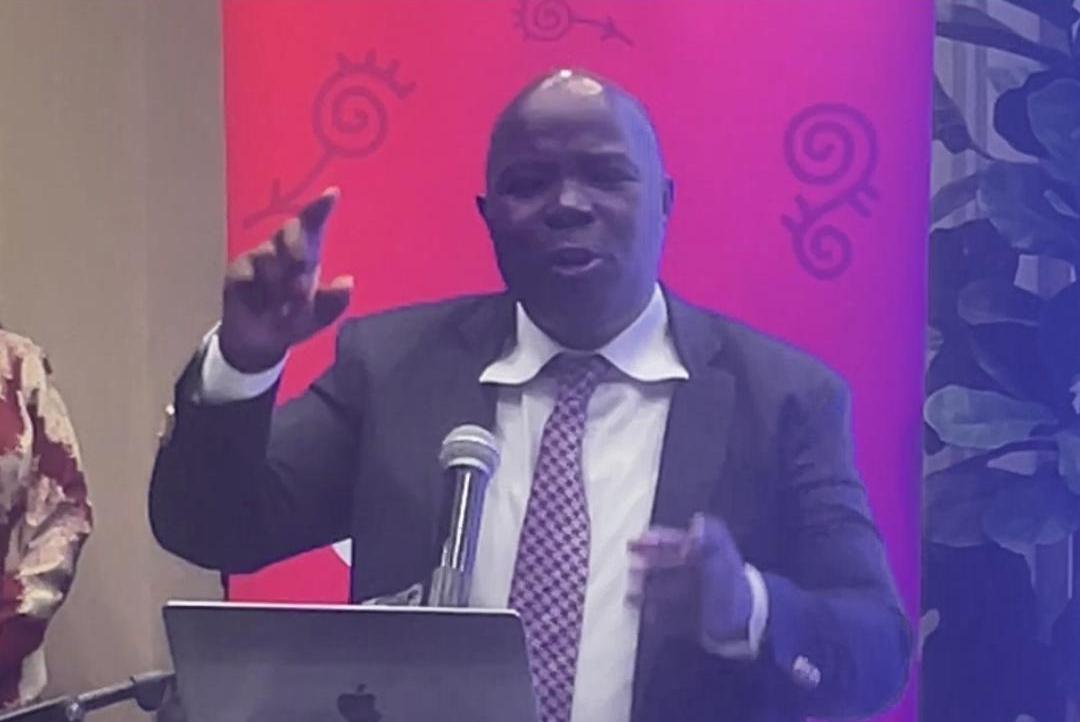
China has supported African countries in building many infrastructure projects, and there is no other country that could put all these together, so win-win cooperation should be strengthened, said Tshilidzi Munyai, member of the National Assembly of South Africa, during the "Innovation, Openness, Shared Development" Global Dialogue recently held in Johannesburg, South Africa.
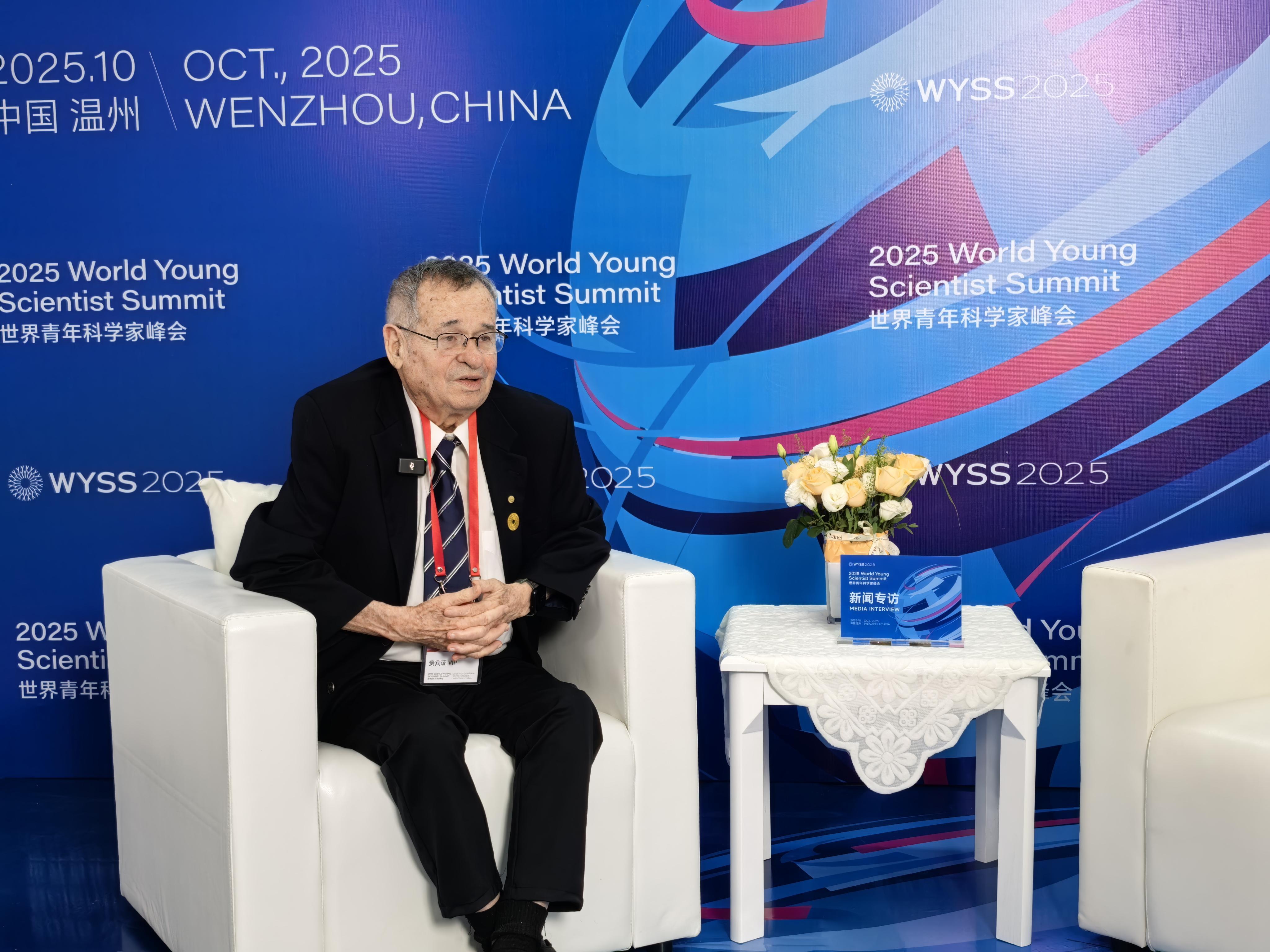
Arieh Warshel, Nobel laureate in chemistry in 2013, is widely recognized as one of the founding figures of computational chemistry. Together with Martin Karplus and Michael Levitt, he developed the groundbreaking "multiscale model," a revolutionary approach that enabled accurate simulations of complex biological molecules, leading from chemistry and biology to drug discovery. In a recent interview with Science and Technology Daily, Warshel, now 85, reflected on the beginnings of his scientific career, sharing his insights on international collaboration, AI, and the path ahead for young researchers.

Chinese President Xi Jinping has sent a congratulatory letter to the Science and Technology Daily on the occasion of the 40th anniversary of its founding.
As artificial intelligence continues to advance, robots are moving beyond laboratories and exhibition halls to take on an expanding range of tasks once performed entirely by humans. From everyday services to industrial production, intelligent machines are increasingly being put to practical use, helping improve efficiency, consistency and hygiene while addressing challenges in traditional industries.