

Transforming Sci-tech Feats into Industry Standards
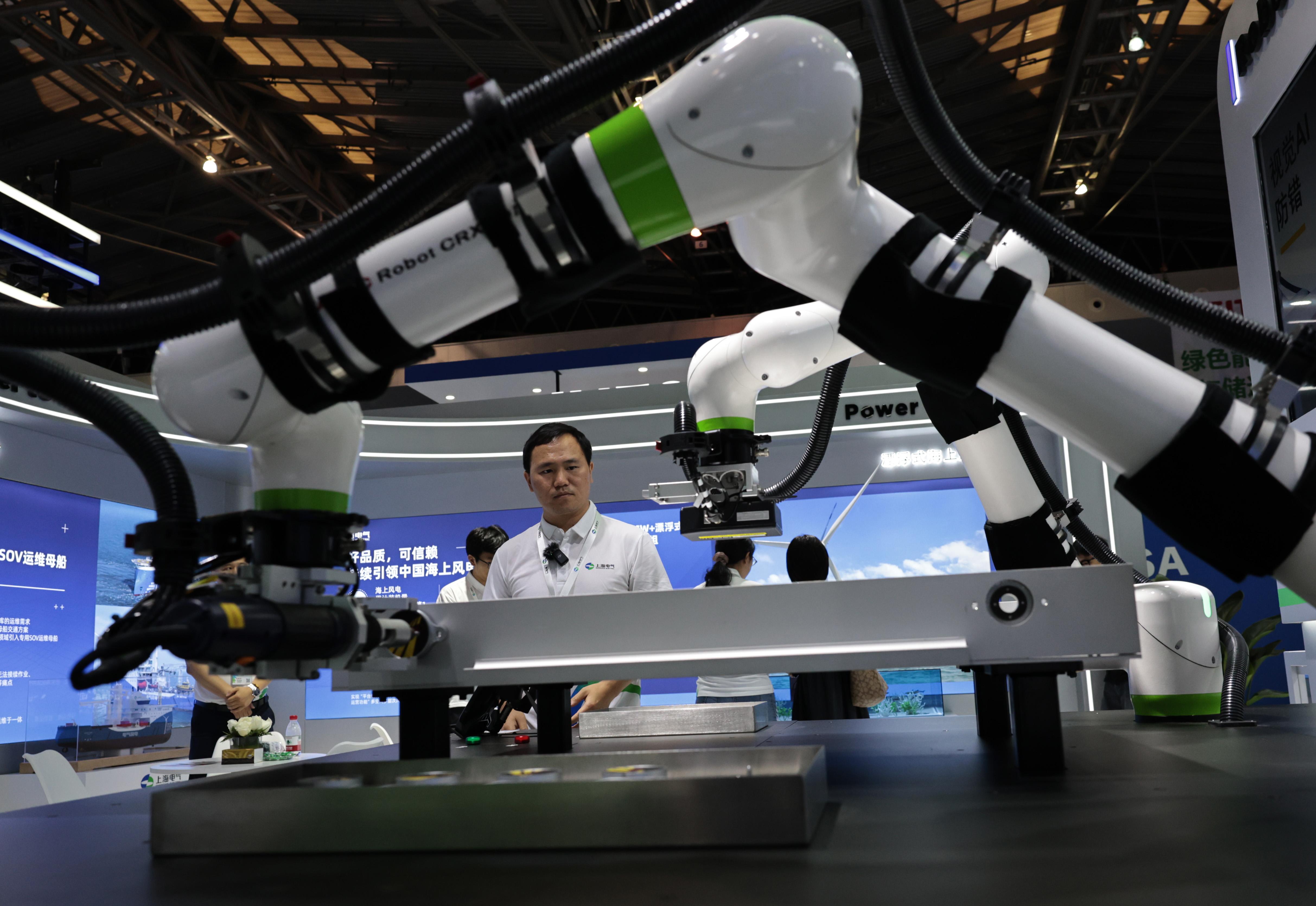
China has issued a comprehensive framework to accelerate the transformation of scientific and technological innovations into formal industry standards so that a more efficient, innovative, and competitive industrial landscape can emerge.
It emphasizes the critical role of standards in bridging the gap between scientific research and commercial application and aims to align scientific breakthroughs with industry needs to enhance productivity, drive economic growth, and optimize the technological landscape across various sectors.
The objective is deeper integration of standardization efforts with scientific advancements, reinforcing the importance of turning technology into actionable, scalable, and widely applicable industry norms.
At the core of this framework is a systematic approach to converting scientific achievements into formal standards. The guideline details the steps, including demand analysis, feasibility studies, and a robust evaluation process that ensures each technological breakthrough meets the criteria for widespread adoption.
New methodologies have been introduced for assessing the potential impact of these technologies, factoring in aspects such as market demand, competitiveness, safety, and innovation.
Technological achievements are categorized into three distinct types: public interest technologies, common technologies applicable across industries, and proprietary technologies with specialized use cases. This classification helps tailor the standardization process to the unique requirements of each area, ensuring that the standards are developed in line with both market needs and strategic national interests.
The policy also addresses the growing significance of international competitiveness. With China aiming to lead in global technological innovation, the guideline promotes the alignment of domestic standards with international norms. This will help break down technical trade barriers and facilitate smoother integration into global markets, further positioning China as a key player in the international technological arena.
In addition, the document stresses the importance of data security, intellectual property rights, and environmental sustainability in the standardization process. These factors will be closely monitored to ensure that the standards foster technological growth as well as contribute to a sustainable, secure, and equitable future.
Through these revisions, China is reaffirming its commitment to technology-driven industrial development, strengthening its position in the global innovation ecosystem, and ensuring that scientific breakthroughs lead to tangible improvements in national and global industries.