
China-Nauru Ties Benefit Local Lives
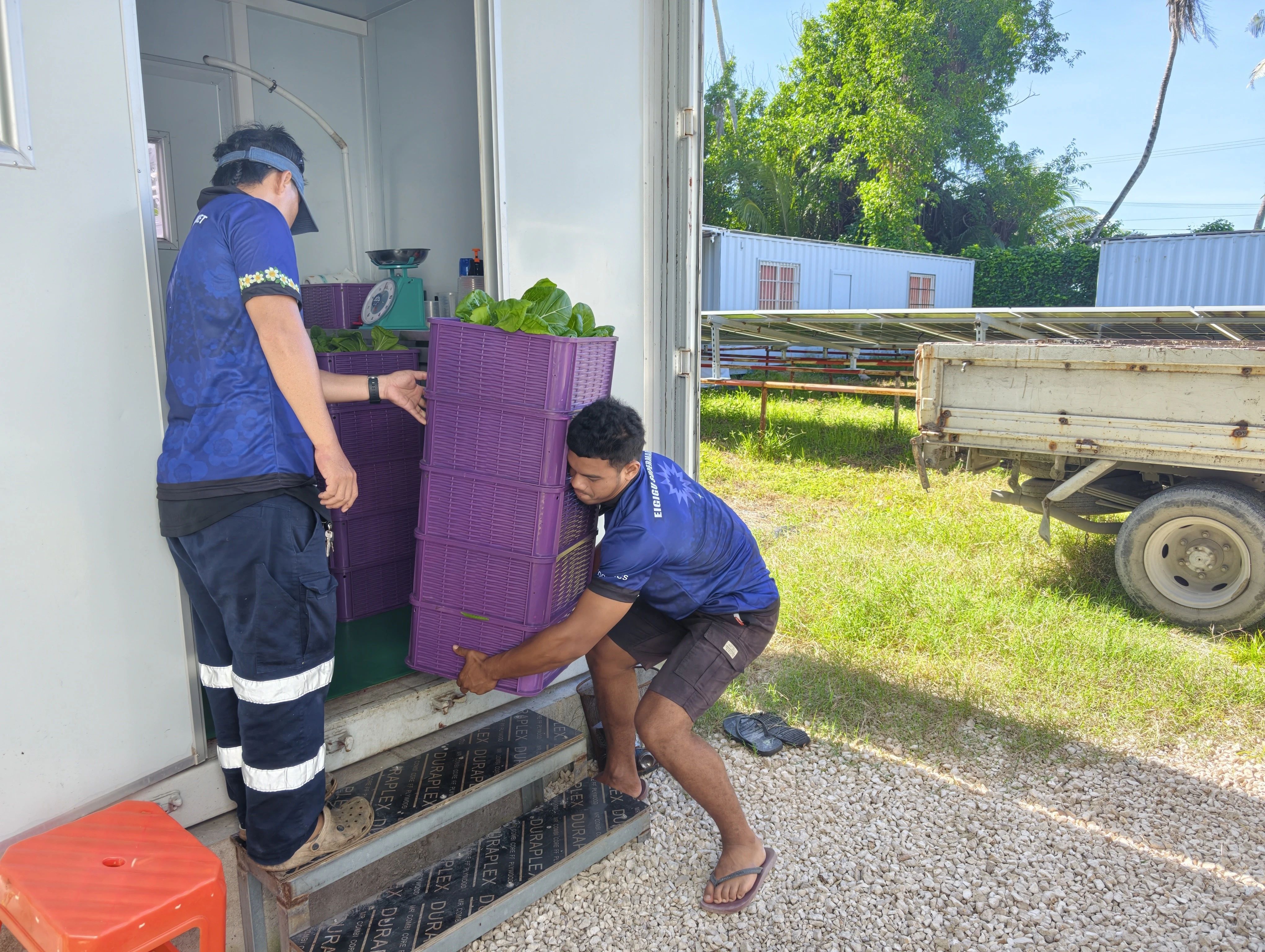
On a regular morning in Nauru, a small island nation in the Pacific, fresh lettuce goes from harvest to shopping cart in just 80 minutes.
At 9:00 a.m., workers at a Chinese-built soilless cultivation facility start cutting green lettuce. By 10:20 a.m., packaged vegetables with both Chinese and Nauruan flags are already on supermarket shelves. "This is my second time buying locally grown vegetables. They are fresh, healthy and cheaper than imported ones," said a local resident.
For years, Nauru — a coral reef island of only 21 square kilometers with an estimated population of just 12,000 — has struggled with poor soil and heavy reliance on imported produce. Fresh vegetables were costly and hard to get, leading to unbalanced diets and high obesity rates.
Now, a project led by Jiangmen Agricultural Holding Group from Guangdong, is changing the status quo. Two shipping containers, equipped with Chinese soilless hydroponic technology, now produce fresh lettuce and other vegetables every Monday, Wednesday and Friday. The system is efficient and climate-independent — ideal for an island nation like Nauru.
"The vegetables sell out fast. I even have to rush to get some myself," said David Aingimea, CEO of Eigigu Holding Corporation, which runs the local supermarket.
And it's not just food products that are benefiting locals. Nearly 500 solar streetlights from China now line Nauru's ring road. With panda patterns, "Jiangmen, Guangdong" and "China" printed on them, they light up previously dark and remote areas.
"These lights have greatly reduced accidents and changed our nighttime life," said Anthony Dimapilis, CEO of Nauru Utilities Corporation. China's Ambassador to Nauru, Lyu Jin, summed up the impact, starting from the specific needs at people's doorsteps and on their dinner tables, these cooperation projects have produced tangible results and quickly improved daily life — and truly are a vivid example of "small yet smart" livelihood projects under the Belt and Road Initiative.