

The Secret Behind China's Timeless Floral Mastery
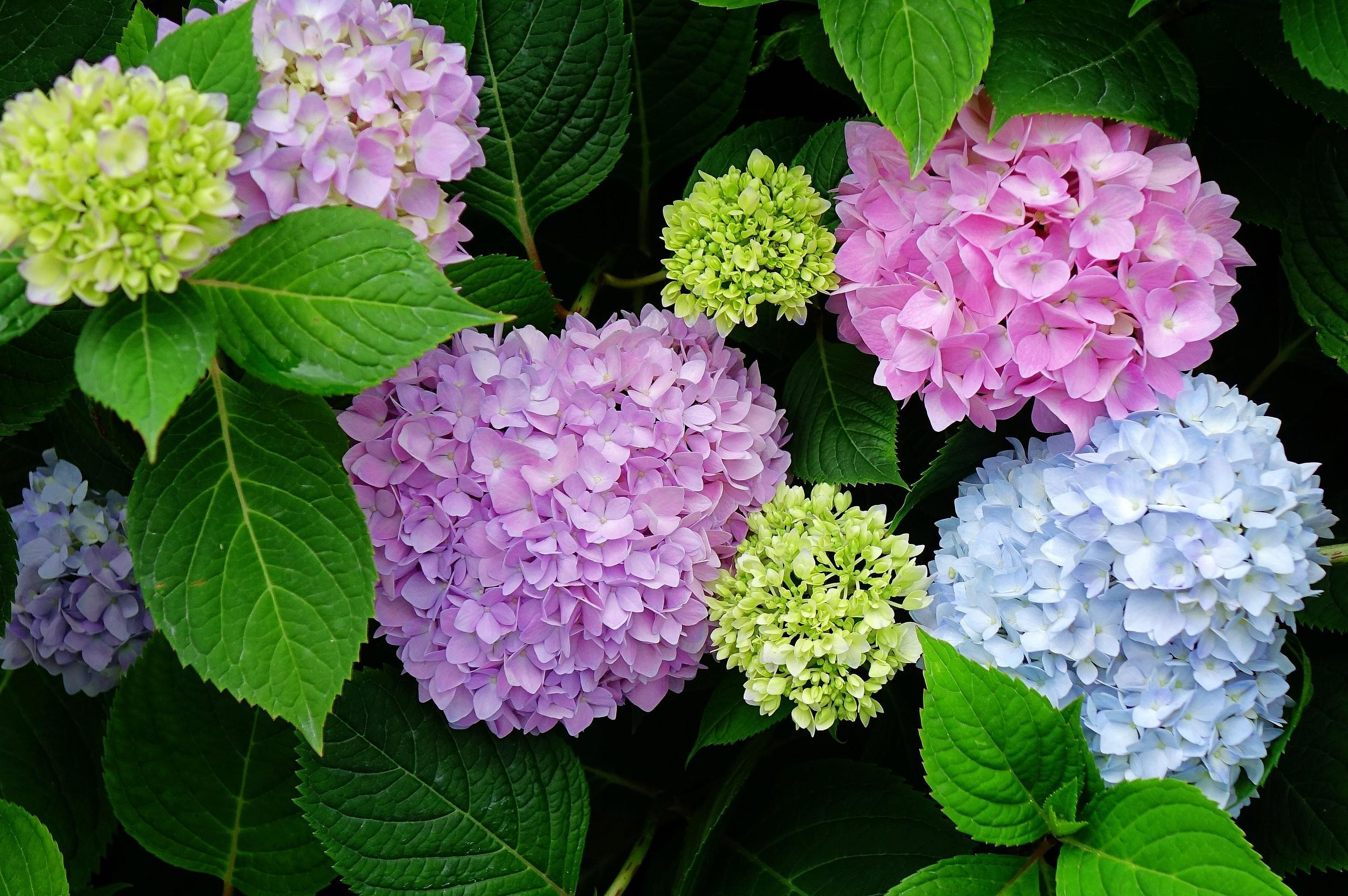
China's flower cultivation tradition dates back over a thousand years, rooted in the continuous breakthroughs in horticultural techniques mastered by generations of skilled artisans.
Initially relying primarily on transplanting wild specimens, flower cultivation during the Spring and Autumn Period evolved into artificial cultivation. The Rites of Zhou, a Chinese text on bureaucracy and organizational theory, documents the existence of officials who were appointed to oversee gardens and orchards. By the Warring States period, the ancient Chinese poem Li Sao from the anthology Chuci, demonstrated an understanding of techniques such as planting, ridging and intercropping. Greenhouse temperature control technology emerged during the Wei, Jin, and Northern and Southern Dynasties, enabling precious flowers to bloom in late winter.
Meanwhile, the most completely preserved ancient Chinese agricultural text, Qi Min Yao Shu (Essential Techniques for the Welfare of the People), provided a systematic record of fruit tree grafting. This technique joins a scion (a cutting from a desirable variety) to a rootstock (a hardy root system) to create a tree with superior fruit, controlled size, and better disease resistance. This technique is typically performed in late winter or early spring, using methods such as whip-and-tongue or cleft grafting to allow the cambium layers to merge and grow. This technique laid the foundation for the subsequent improvement of flower varieties.
During the Tang Dynasty, techniques for soil enrichment, seedling propagation, and grafting were widely adopted, leading to increasingly refined and sophisticated flower cultivation. During the Song Dynasty, the south-north introduction process was established. This process involves moving crop plants, varieties, or species from their original cultivation areas to new regions with different latitudes. It is a practice fundamental to ancient Chinese agriculture and is now primarily used to diversify crop production and find suitable environments for new varieties.
In the late Ming and early Qing dynasties, the horticulturist Chen Haozi compiled a classic text on horticulture and botany called The Mirror of Flowers. The book systematically summarized the four primary methods of plant propagation — grafting, cuttings, division and sowing — and articulated core principles such as "timely division" and "appropriate watering." It is celebrated as the encyclopedia of ancient Chinese flower cultivation.
Generations of horticulturalists have used technical innovations to cultivate blossoms that grace every season, mastering the craft for over a millennium. From greenhouse temperature control and grafting to cold-hardy domestication and water and fertilizer management, a precious legacy has been created within the tapestry of Chinese agrarian civilization.