

Russia Patents Bioink from Jellyfish for Skin Regeneration
Researchers at the Immanuel Kant Baltic Federal University's Scientific and Educational Centre for Industrial Biotechnologies in Kaliningrad, Russia, have patented an innovative bioink based on marine collagen, alongside a novel production method for the material.
The project, supported by the "Priority 2030" program, a major Russian federal academic leadership initiative, focuses on tissue engineering and 3D bioprinting technologies for regenerative medicine.
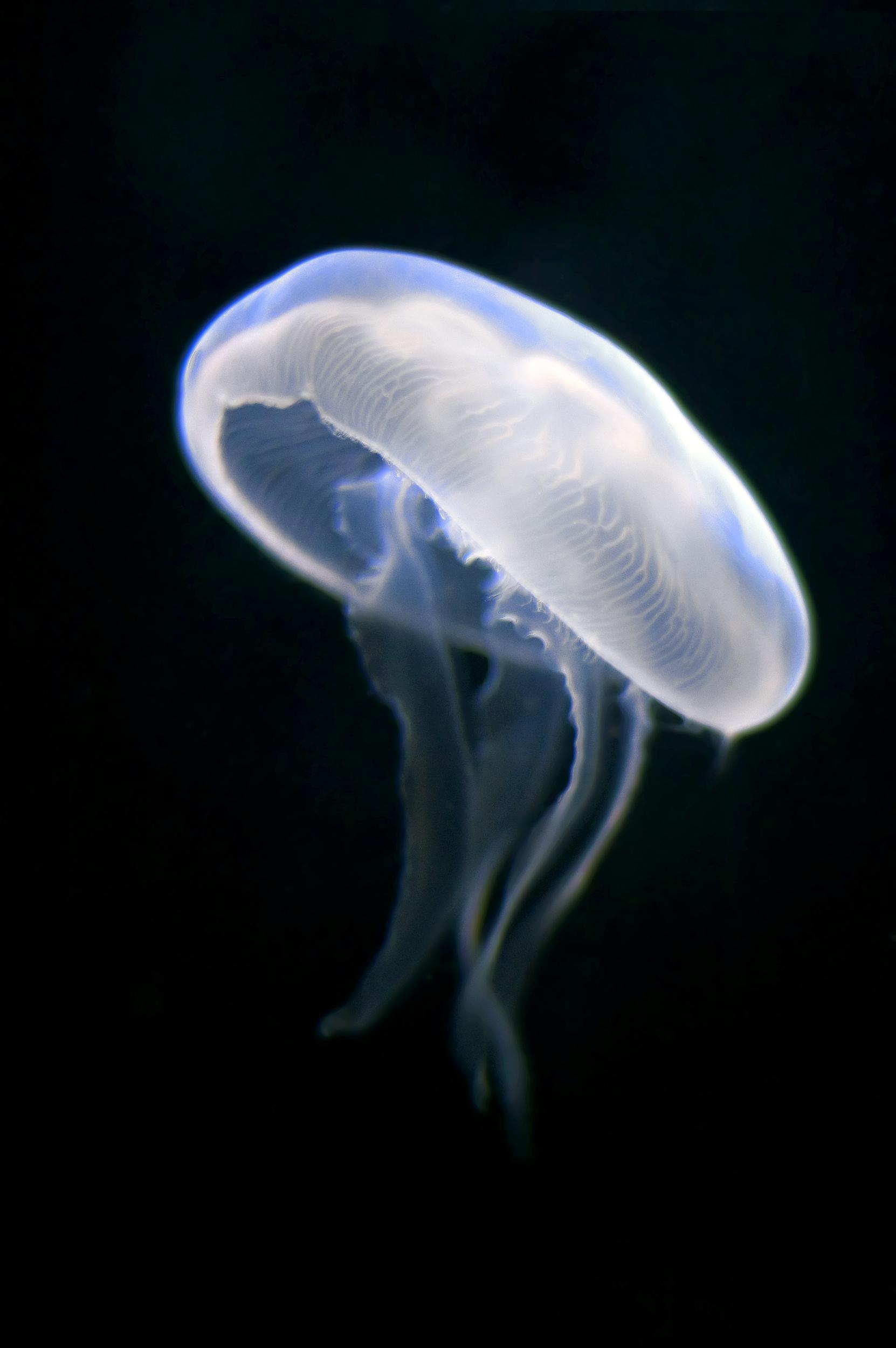
The key component of the bioink is collagen derived from the jellyfish species Aurelia aurita. Combined with sodium alginate, a biocompatible substance widely used in biomedical technologies, the material forms a soft hydrogel that closely resembles living tissue. Using a 3D bioprinter, scientists can create structures that replicate the architecture of human skin, according to a report on the university's website.
According to Yuliya Kulikova, one of the authors of the study, marine collagen supports skin regeneration while demonstrating low allergenic properties compared to animal-derived collagen. Research conducted by the team showed that the material can increase the growth and division rate of human skin cells by approximately 40–50 percent, helping accelerate patient rehabilitation and reduce the risk of secondary infections.
The patented production method ensures the stability and reproducibility of the final product. The resulting hydrogel exhibits the structural and functional properties necessary to recreate the cellular architecture of replacement tissues. The development is expected to expand the possibilities for advanced biomedical applications and personalized regenerative therapies.
The researchers also plan to create a range of medical products based on marine collagen, including sponges and sprays. One of the prospective areas of application is the production of dental membranes designed to support bone tissue regeneration in restorative dentistry.
(Source: TV BRICS, Edited by YU Haoyuan)