
Super Converters: Tech Redefines China's CBDs
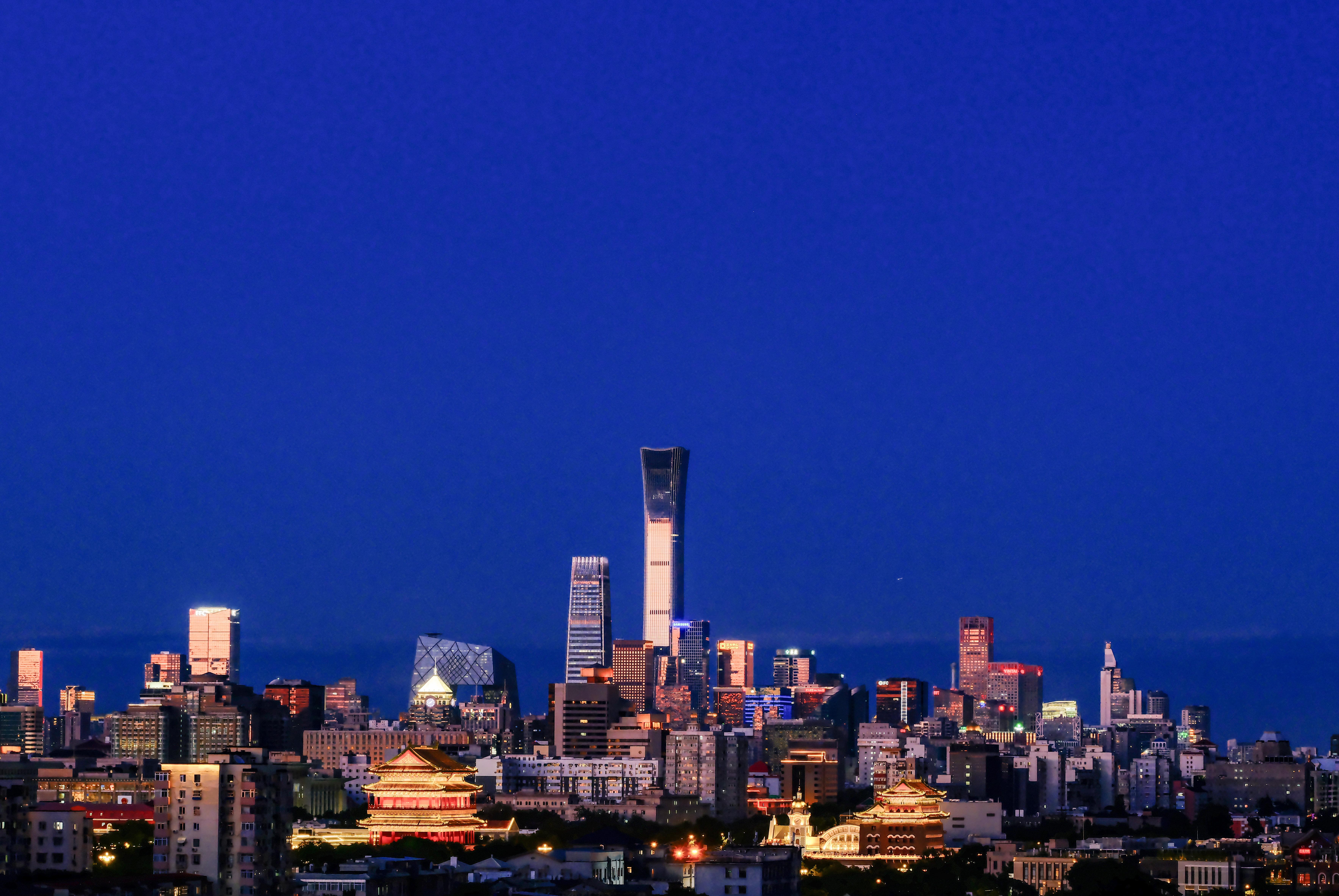
The recently held London Parallel Session of the 2026 Beijing CBD Forum shed a global spotlight on the remarkable evolution of China's central business districts (CBDs). Over the past few years, these urban hubs have steadily climbed the global value chain, commanding stronger competitiveness and earning greater international acclaim.
According to the 2025 Global Business Districts Attractiveness Report, Beijing's CBD, which was placed ninth in 2017 and seventh in 2020, now ranks sixth.
Other Chinese business districts are also making their mark: Hong Kong's Central District holds 13th place, Shanghai's Pudong Lujiazui, which recorded the strongest improvement among Asian CBDs, stands at 14th, and Guangzhou's Tianhe CBD ranks 22nd. Collectively, they showcase China's growing clout in the global business landscape.
Today, as a fresh wave of technological and industrial revolutions reshapes the global economy, Chinese CBDs are boldly expanding their industrial boundaries. No longer confined to their traditional roles as centers for commerce, finance, and professional services, they are fast becoming the heartlands of new quality productive forces — where the digital economy and frontier tech seamlessly converge.
In terms of spatial programming, these CBDs are no longer confined to providing standardized high-end office buildings. Instead, they are forward-looking in deploying highly flexible, hybrid innovation infrastructures, such as deep-tech incubators, cross-disciplinary joint laboratories, digital content creation hubs, and immersive roadshow centers.
This diversification of the industrial ecosystem, paired with the adaptive upgrading of physical venues, does more than provide fertile ground for nurturing hard-tech R&D and digital-native startups. By leveraging spatial proximity, it also catalyzes high-frequency interactions between financial capital, professional services, and technological innovation.
In effect, these districts have re-engineered themselves into "super converters" that drive supply chain upgrades and incubate cutting-edge technologies.
Jane Yang, Government & Infrastructure Market Segment leader for EY Greater China, said that for many young professionals in China today, the CBD is no longer simply where they work. It is also where they learn, connect, and spend their time outside the office. You might see people discussing AI products during the day and attending startup talks, industry events, or evening classes after work.
Beijing's CBD offers a good example. Several older office buildings have recently been redesigned with open staircases, shared spaces, and public exhibition areas. Instead of remaining closed office environments, these buildings now host product launches, startup showcases, and industry events throughout the year.
According to Yang, the meaning of "B" in China's CBDs is being redefined. It is not only about business activity, but also about bridging — connecting industries, regions, and markets — and blending — bringing together work, life, culture, and innovation in new ways.