

A More Comprehensive Transport Network by 2030
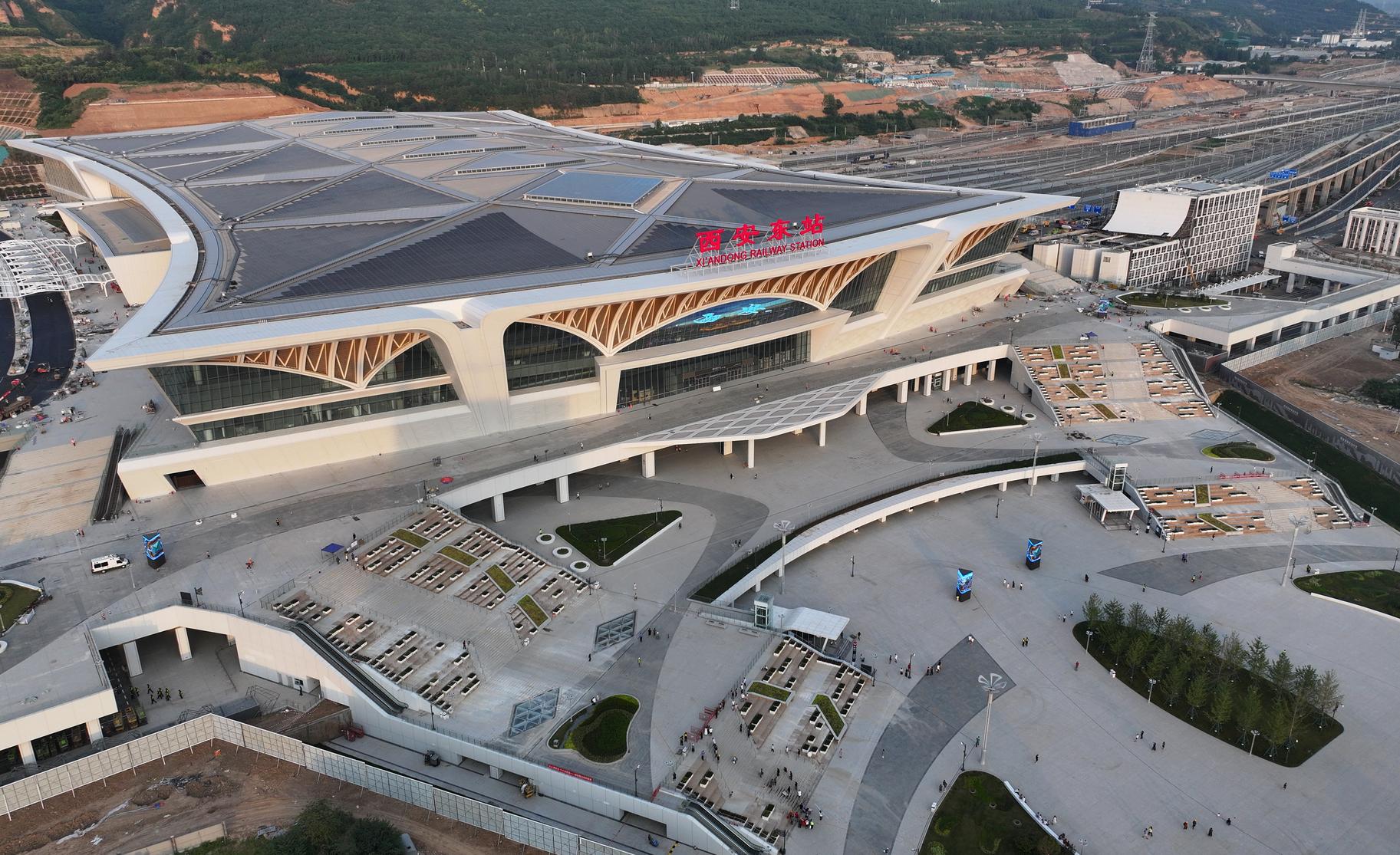
The completion rate of China's main framework of the national integrated transportation network will be raised from the current 91 percent to 95 percent by 2030, Xu Chengguang, vice minister of transport, said at a press conference in Beijing on July 21.
During the 15th Five-Year Plan period, the construction of large corridors along the rivers, seas and borders will be emphasized, as well as corridors connecting Xinjiang and Xizang autonomous regions, the New International Land-Sea Trade Corridor and corridors crossing rivers, seas and bays. Railway, highway, waterway, civil aviation, postal and express delivery infrastructure will be improved.
The function of comprehensive transportation hub cities will be enhanced. Twenty international and 80 national comprehensive transportation hub cities will be developed and the agglomeration and service capabilities of hub cities based on different levels and categories enhanced. The efficiency of intermodal connections and transfers as well as integrated transport services will be improved.
In addition, around 80,000 km of transportation infrastructure will be renewed and upgraded through digital and intelligent transformation by 2030, with investment in such projects accounting for around 50 percent of total fixed-asset investment in transport
A diversified and resilient system of international transportation corridors will also be built. The global network of international maritime trunk routes will be improved, connectivity with major global air cargo hubs strengthened, and key overseas hubs such as overseas ports optimized and enhanced for better security and resilience of the country's international logistics supply chains.
Cai Tuanjie, safety director of the Ministry of Transport (MOT) and director general of the Transport Service Department of MOT, said a modern logistics network will be built by developing backbone logistics corridor, enhancing connectivity among key logistics hubs and nodes, and addressing gaps in urban and rural logistics infrastructure.
The planning and development of international logistics infrastructure will be strengthened.
A new round of initiatives will be launched to address weak links and strengthen national comprehensive freight transport hubs. During the 14th Five-Year Plan period (2021-2025), the government supported 37 cities to ensure this. During the 15th Five-Year Plan period, it will support around 30 additional cities for about three years, Cai said.
Moreover, major ports, key inland ports, large logistics parks, major industrial parks, and China-Europe (Asia) Railway Express assembly centers will be focused on to develop around 1,000 multimodal transport hubs. Tailored measures will be adopted to address bottlenecks at each hub and enhance multimodal transport.
The digital and intelligent transformation of transport and logistics will be advanced. China will explore major innovation projects such as autonomous driving for freight trucks in typical application scenarios, regulate the operations of online freight platform operators, and plan pilot programs to standardize the use of autonomous delivery vehicles.