

友情链接
- Copyright © Science and Technology Daily, All Rights Reserved
- 科技日报社 中国科技网 版权所有

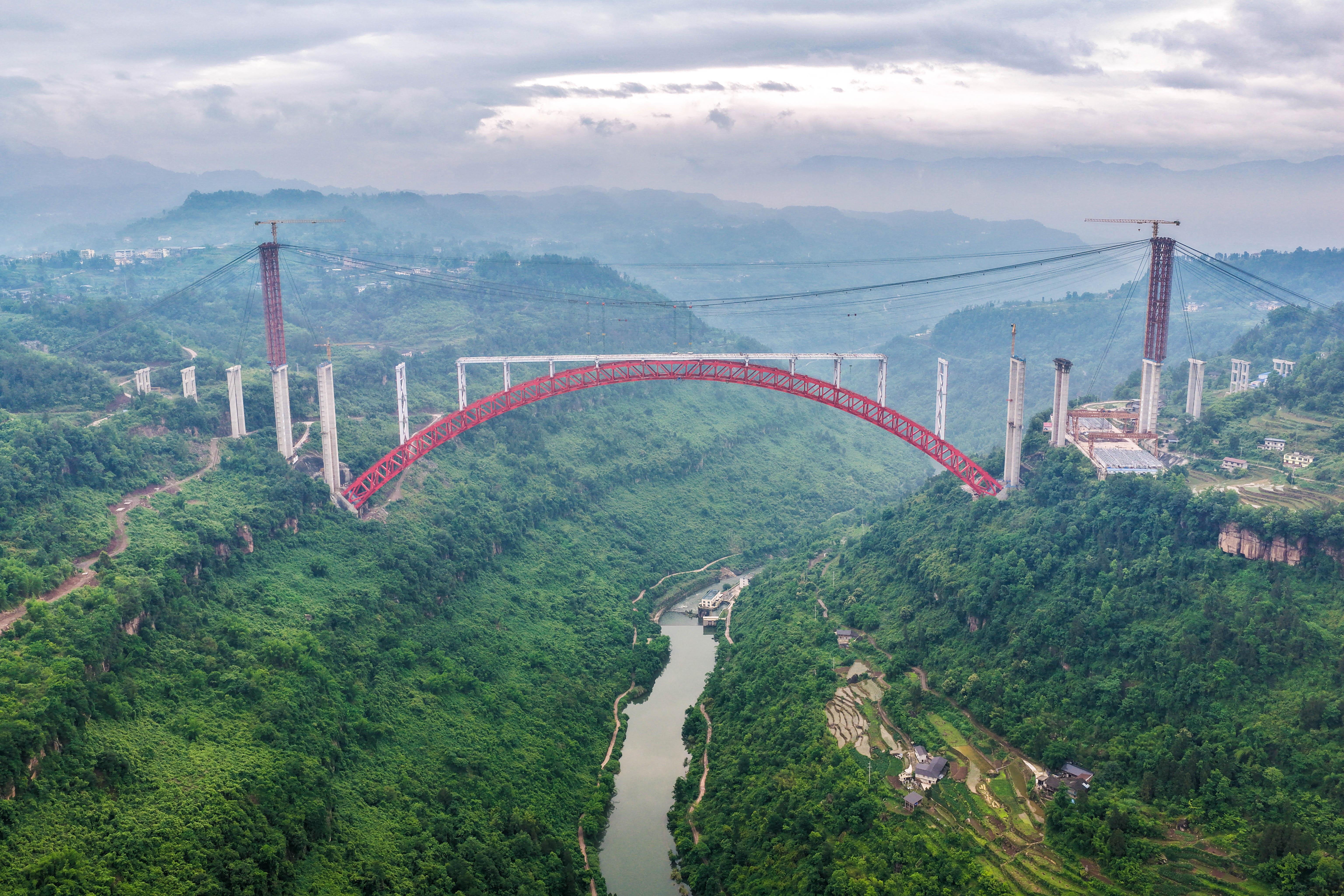
High above a deep gorge in southwest China's Chongqing, the final concrete deck panel of a bridge was lowered into place with millimeter precision. On June 12, the steel-concrete composite girder of the Fenglai Daxi River Grand Bridge was officially completed. With a main span of 580 meters, it is now the world's largest-span steel arch bridge.
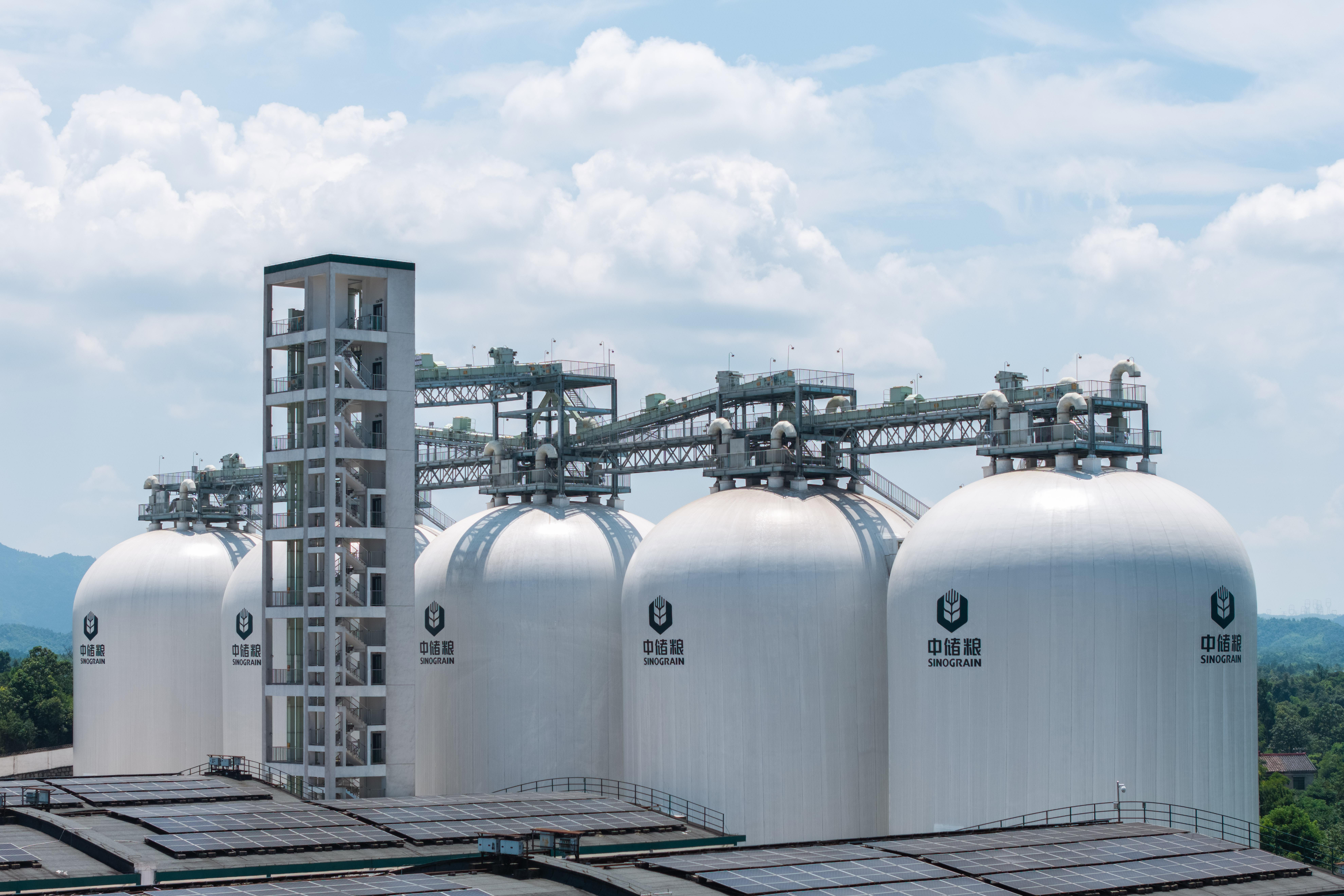
China has rolled out its fourth-generation grain storage facilities —a new breed of "air-dome" silos to make food stockpiling smarter, more energy-efficient, and far less reliant on chemicals.

The 3,000-year-old Zhou Cypress is one of the "three wonders" at Jinci Temple in north China's Shanxi province. How is the ancient tree protected with the aid of morden technology? Check it out!
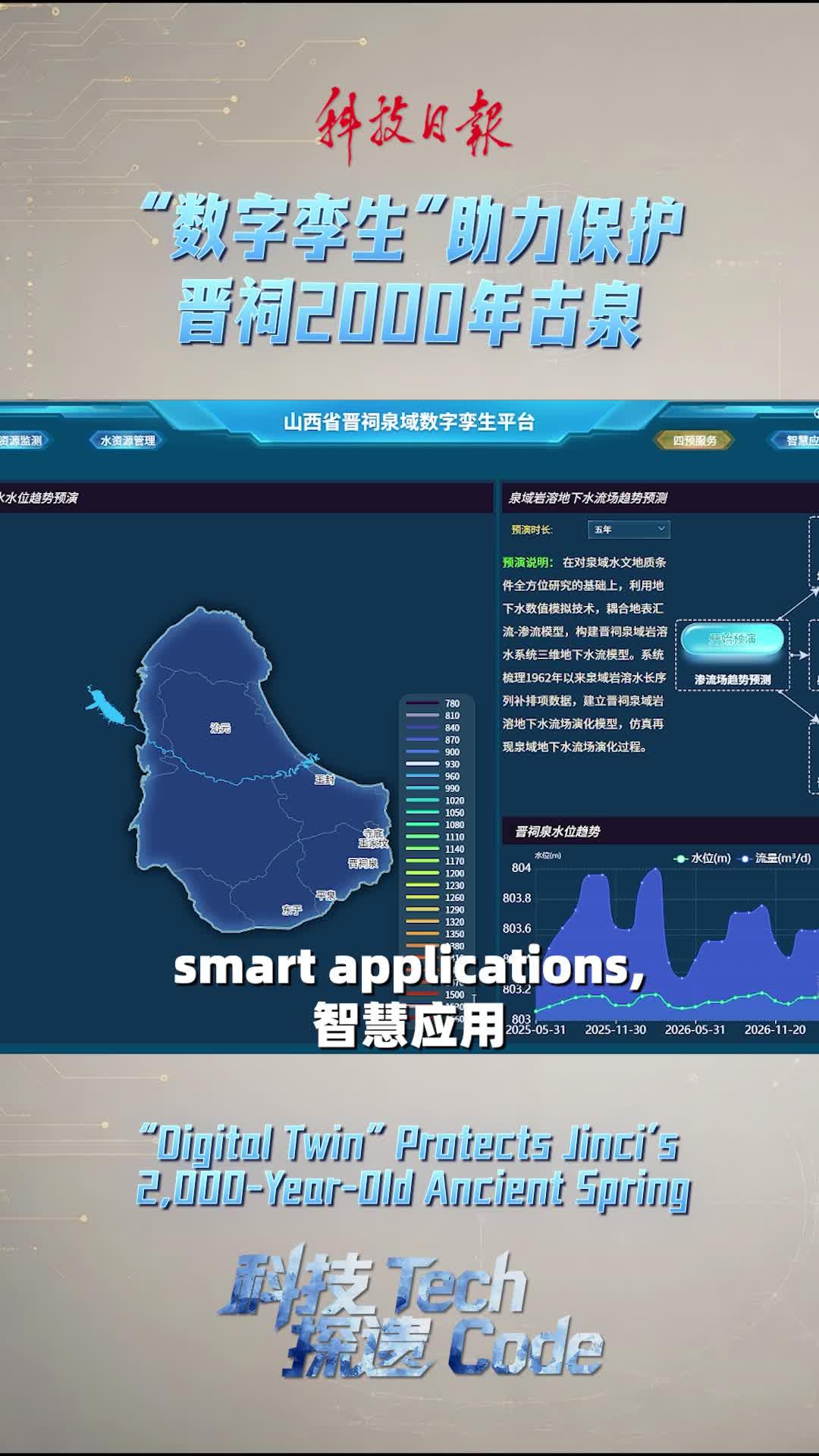
The over 2,000-year-old Nanlao Spring (Never Aging Spring) is still flowing at the Jinci Temple in north China's Shanxi province. Now a digital twin platform is established to monitor its water level and prompt early warning. Click the video to learn more!

In a recent interview with a Chinese and a Pakistani youth, Xie Qiang, deputy director of the Jinci Temple Museum in north China's Shanxi province, said the museum has changed its philosophy from "rescue" to "preventive" protection of cultural relics.
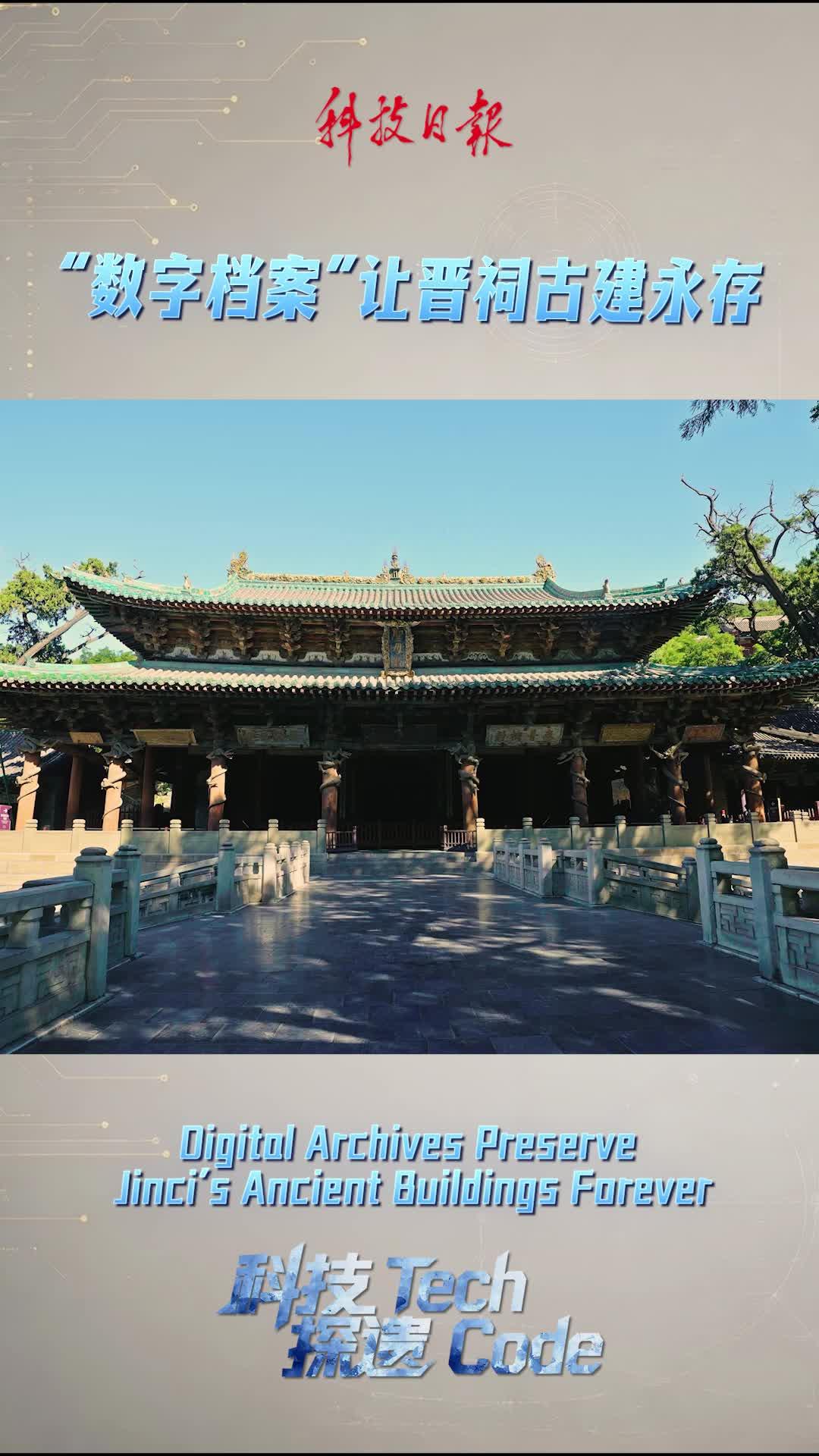
At the Jinci Temple in north China's Shanxi province, engineers have used technology to digitalize those ancient buildings so that they can be seen by more people beyond the limits of time and space.

The ancient Silk Road not only facilitated the movement of goods, but also the dissemination of technology. Indigenous Chinese sericulture techniques traveled east to Korea and Japan, as well as west to Central and West Asia, eventually reaching Europe.

The Longmen Grottoes in central China's Henan province has established a monitoring and early warning system to transform to "preventive protection" of the grottoes. Check out how this system works.
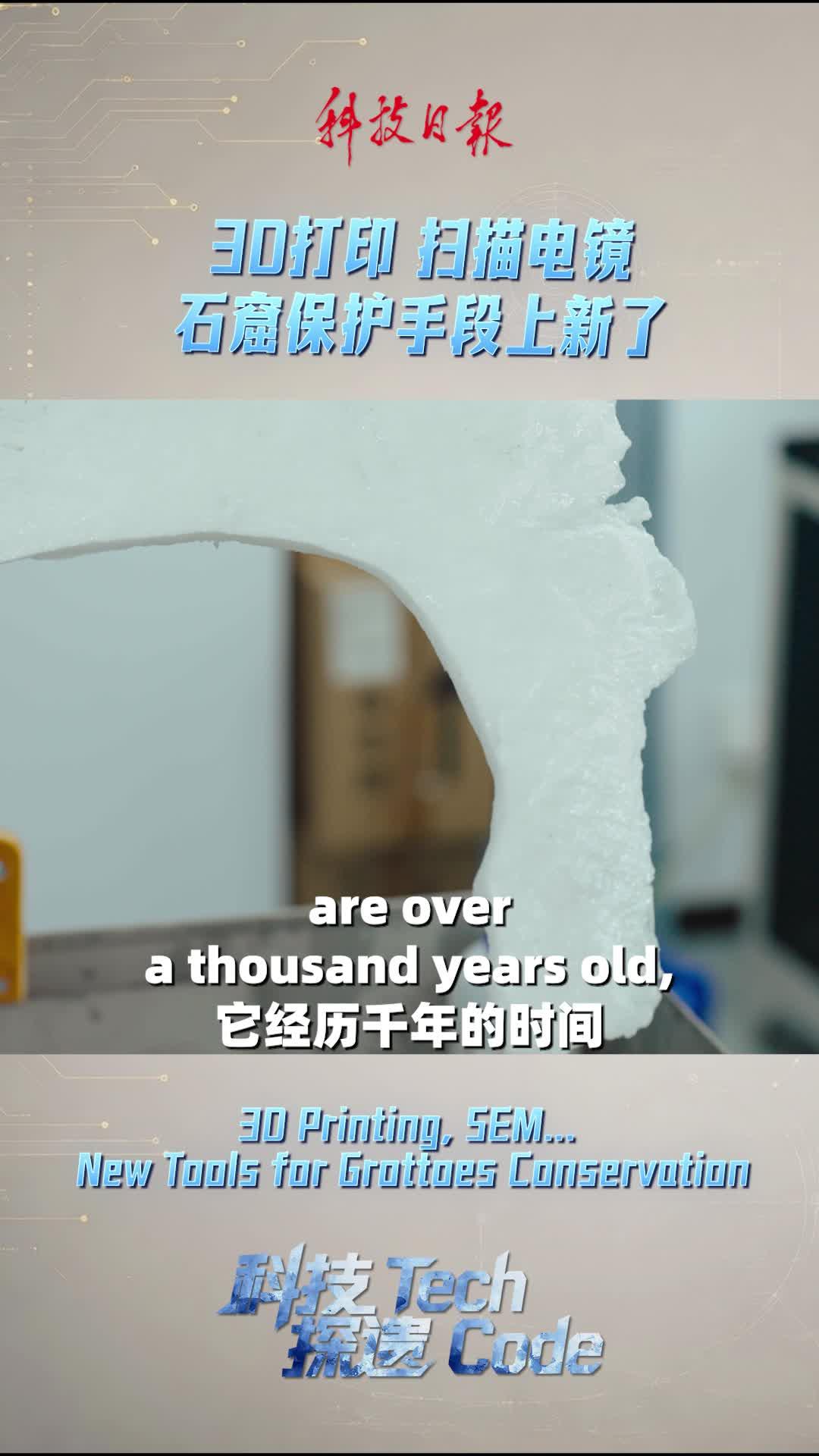
What are the new tools used to protect and restore the Longmen Grottoes in central China's Henan province. Check it out!
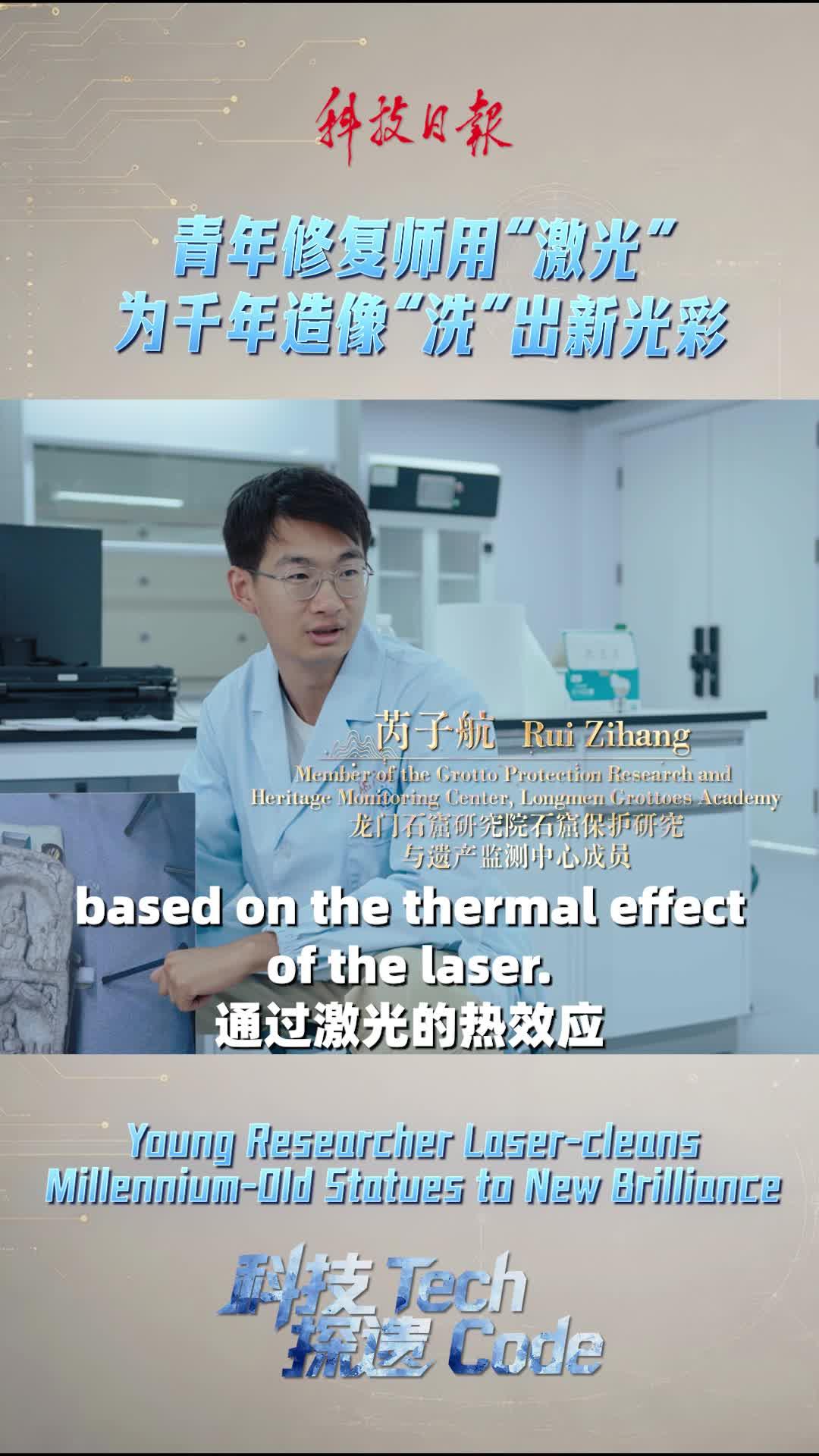
Rui Zihang, a young researcher dedicated to cultural heritage protection at Longmen Grottoes in central China's Henan provicne, demonstrated how laser technology is used to clean millennium-old stone carvings, and how he views his work as a cultural guardian.

At Longmen Grottoes in central China's Henan province, there is a Guanyin (the bodhisattva of compassion) statue whose face was stolen. How has tech helped the Guanyin regain its true appearance? Follow the Chinese and Italian youth to find the answer.
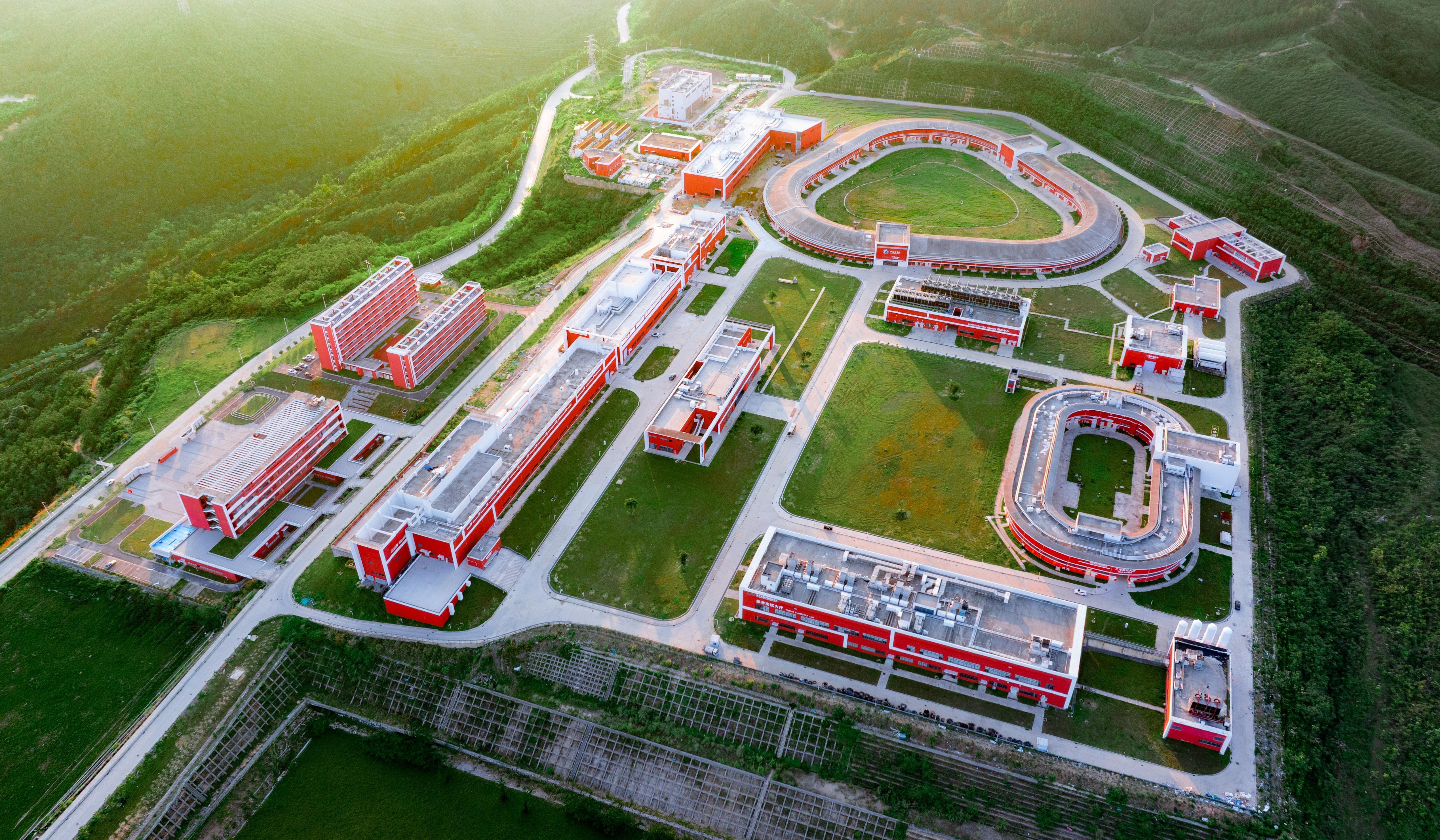
Located on the Renping peninsula in Huizhou, south China's Guangdong province, the High Intensity heavy-ion Accelerator Facility (HIAF) successfully passed the process acceptance inspection in July and entered trial operation phase. It is the world's first "three-in-one" advanced heavy-ion research facility integrating a superconducting linear accelerator, a synchrotron and a storage ring, Yang Jiancheng, deputy director of the Institute of Modern Physics (IMP), Chinese Academy of Sciences (CAS) and chief engineer of HIAF, said.
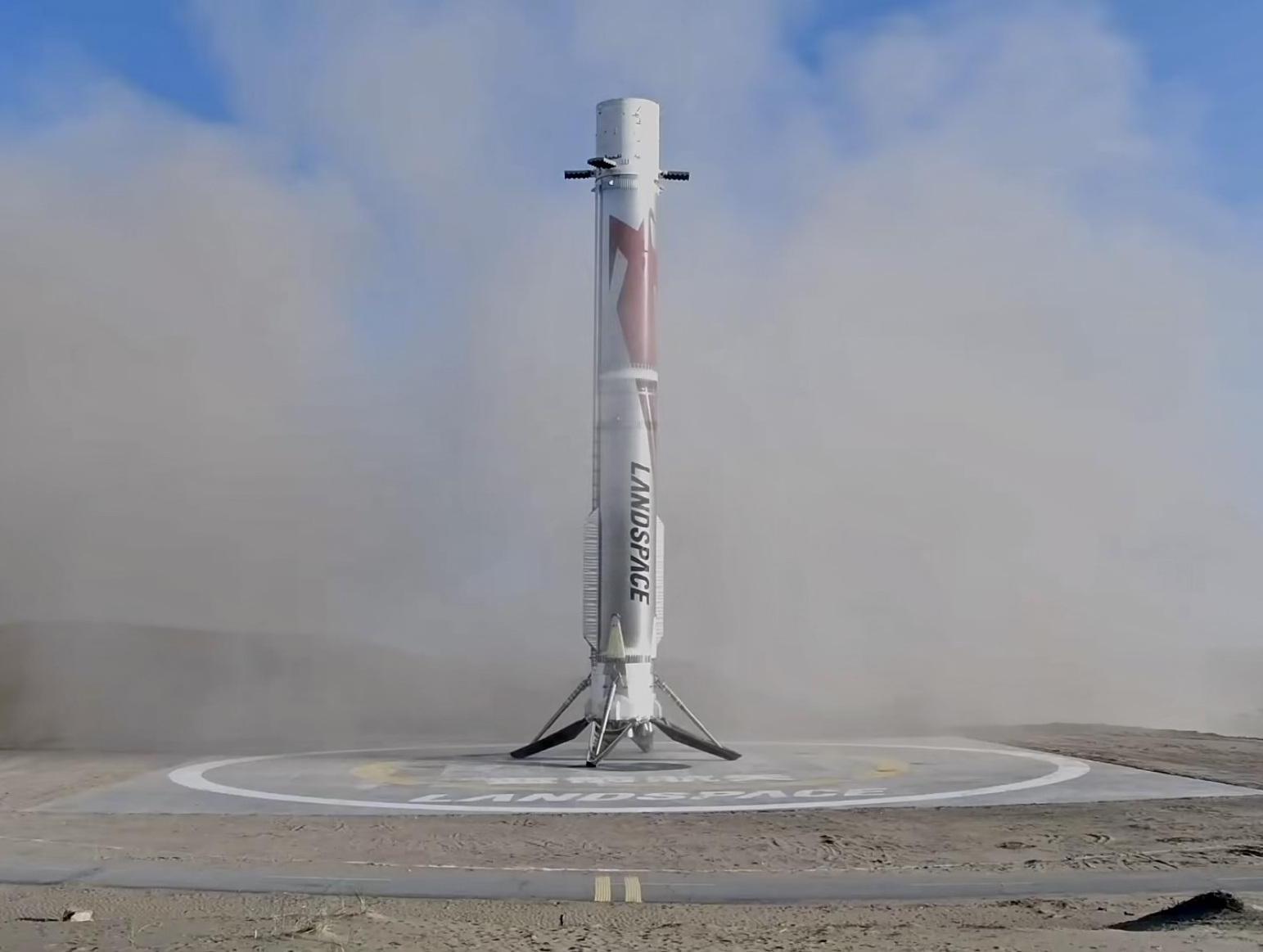
The Zhuque-3, a reusable launch vehicle developed by Chinese commercial aerospace company LandSpace Technology Co., Ltd., was launched from the Dongfeng commercial space innovation pilot zone in northwest China on August 19, and its first stage successfully landed at the designated location in the recovery area.
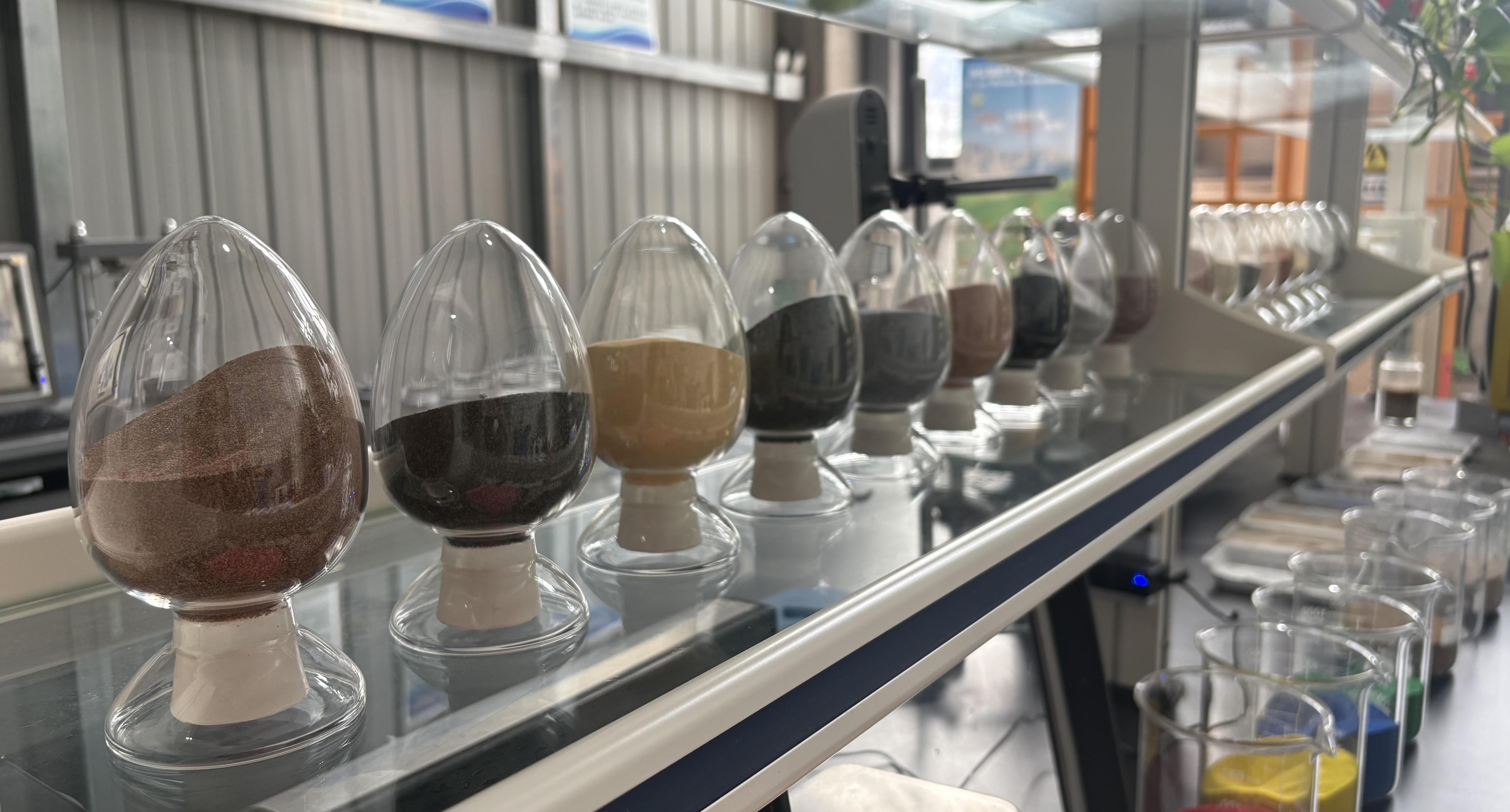
In the exhibition hall of Xi'an Meinan Biotechnology Co., Ltd. (Maenam High-Tech), an experiment catches visitors' eye: Water is poured onto ordinary sand and it quickly seeps through. But when poured onto water-resistant sand, the droplets roll across the surface of the grains without penetrating at all.

From an ancient sound system and a natural "refrigerator" to digital archiving and painted-sculpture restoration, what other forms of "black tech" are hidden within the Jinci Temple in Taiyuan, Shanxi province?

"Lucid waters and lush mountains are invaluable assets." At the Jinci Temple in Taiyuan city, Shanxi province, this Chinese vision of ecological protection and development is brought vividly to life. From the 2,000-year-old Never Aging Spring to the almost 3,000-year-old Zhou Cypress, these "living heritage" are being gently protected with the help of technology.
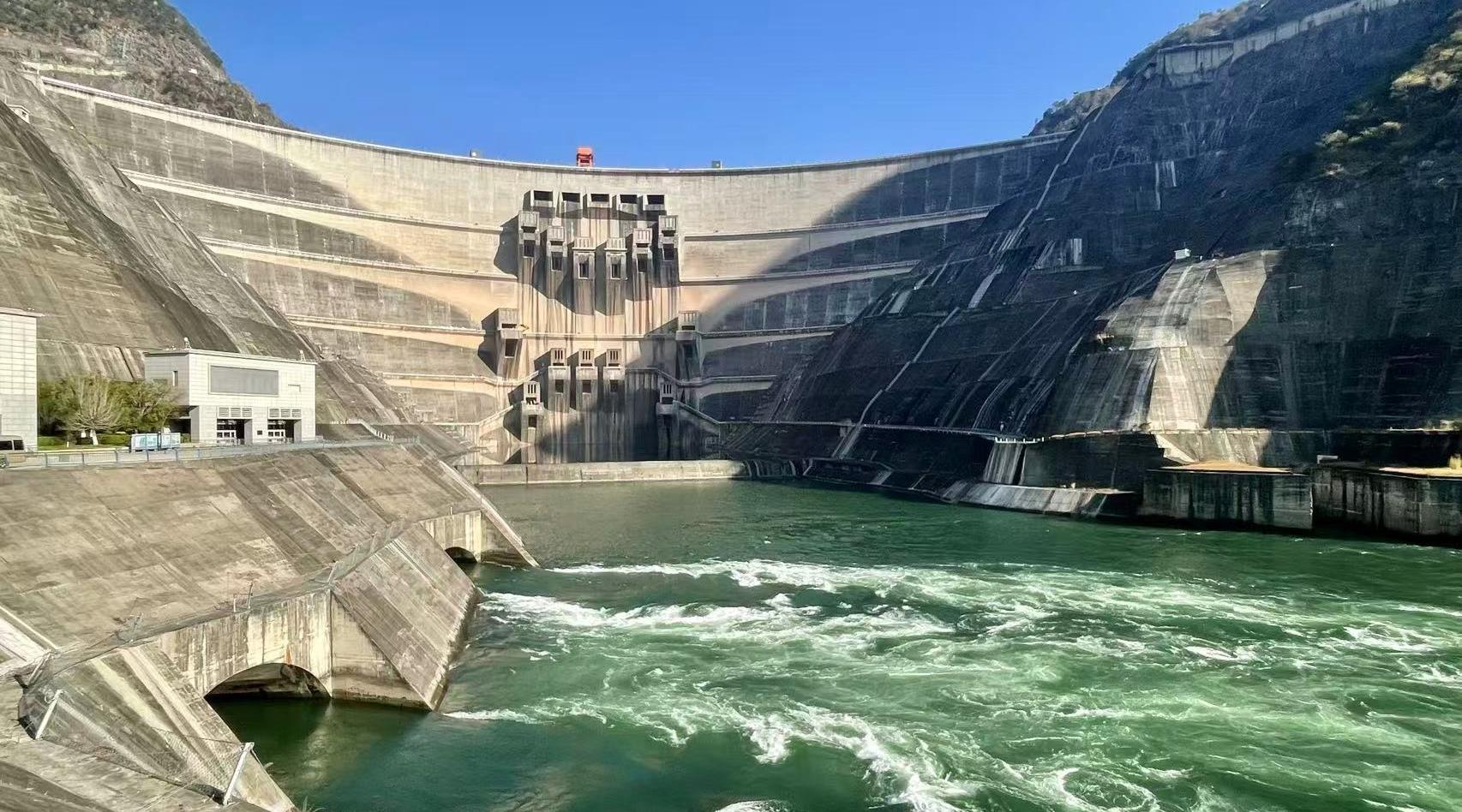
A great dam stands on the Lancang River in a canyon located between the counties of Nanjian and Fengqing in Yunnan province, southwest China. This is the Xiaowan Hydropower Plant, a key power source for China's west-to-east power transmission program and a flagship project in the cascade hydropower development of the Lancang River Basin.
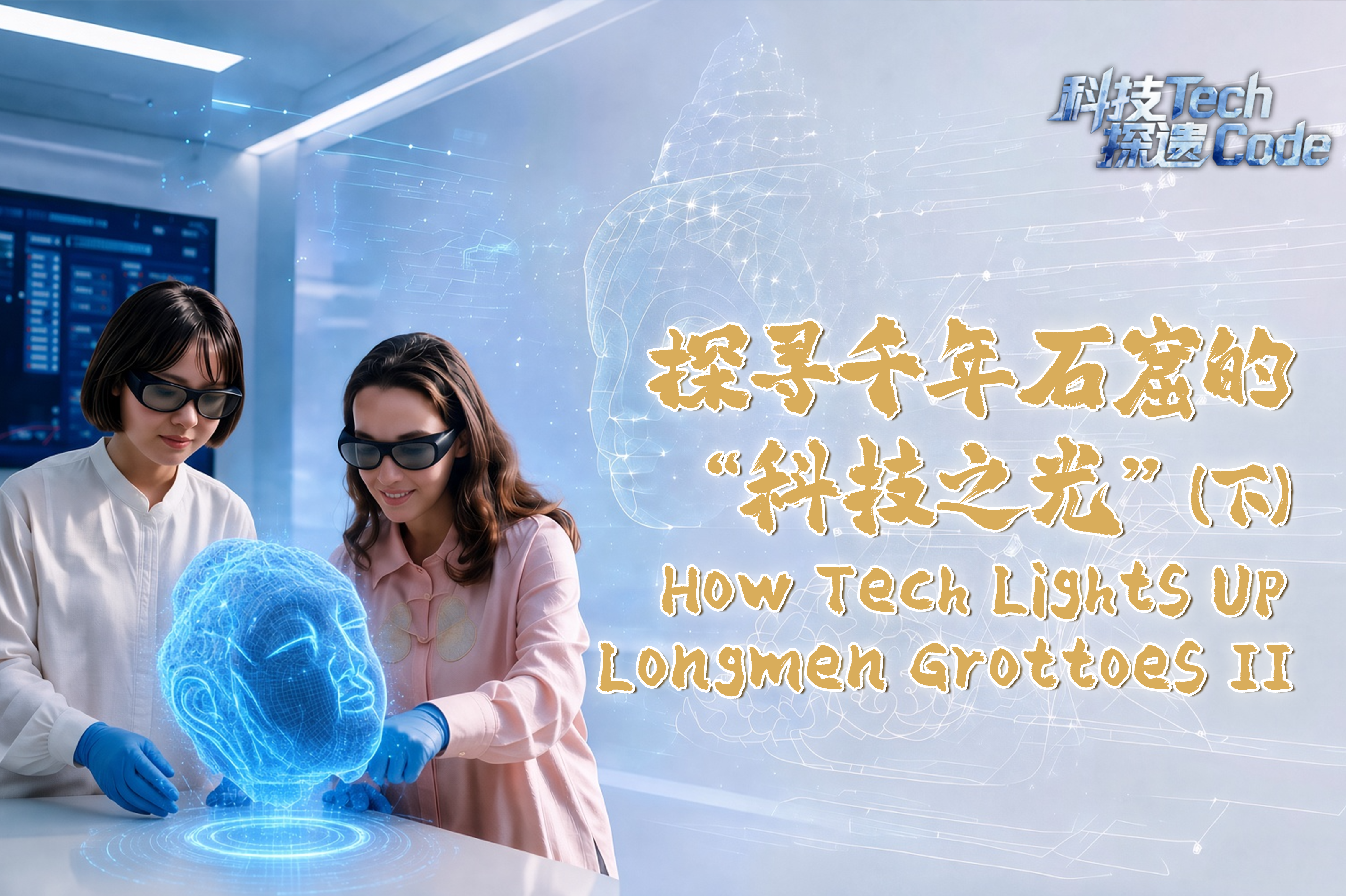
How does technology provide precise data support for the "preventive conservation" of cultural relics? An Italian student from Henan University, recently visited the Longmen Grottoes Academy to learn about the application of the monitoring and early warning system, laser cleaning, 3D printing, and other technologies in the preservation and restoration of cultural heritage.
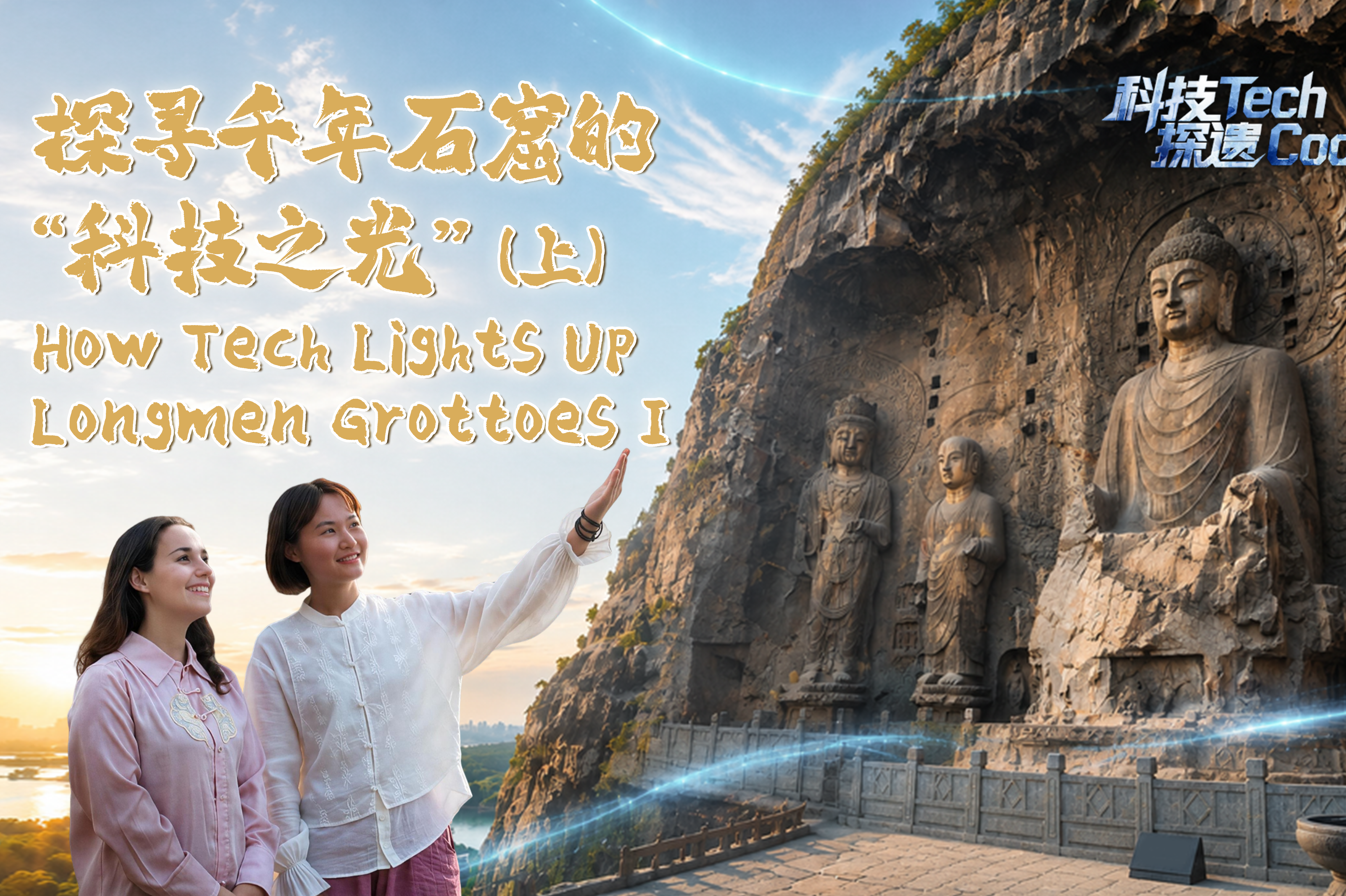
Camilla Quaranta, an Italian student from Henan University, recently visited the Longmen Grottoes, a UNESCO World Heritage site in Luoyang city, central China's Henan province, to trace the pulse of Chinese civilization through millennia-old stone carvings. Standing before the stolen and weathered Buddha statues, she saw how technology "mends" the irreparable loss, restoring damaged sculptures to their former glory.
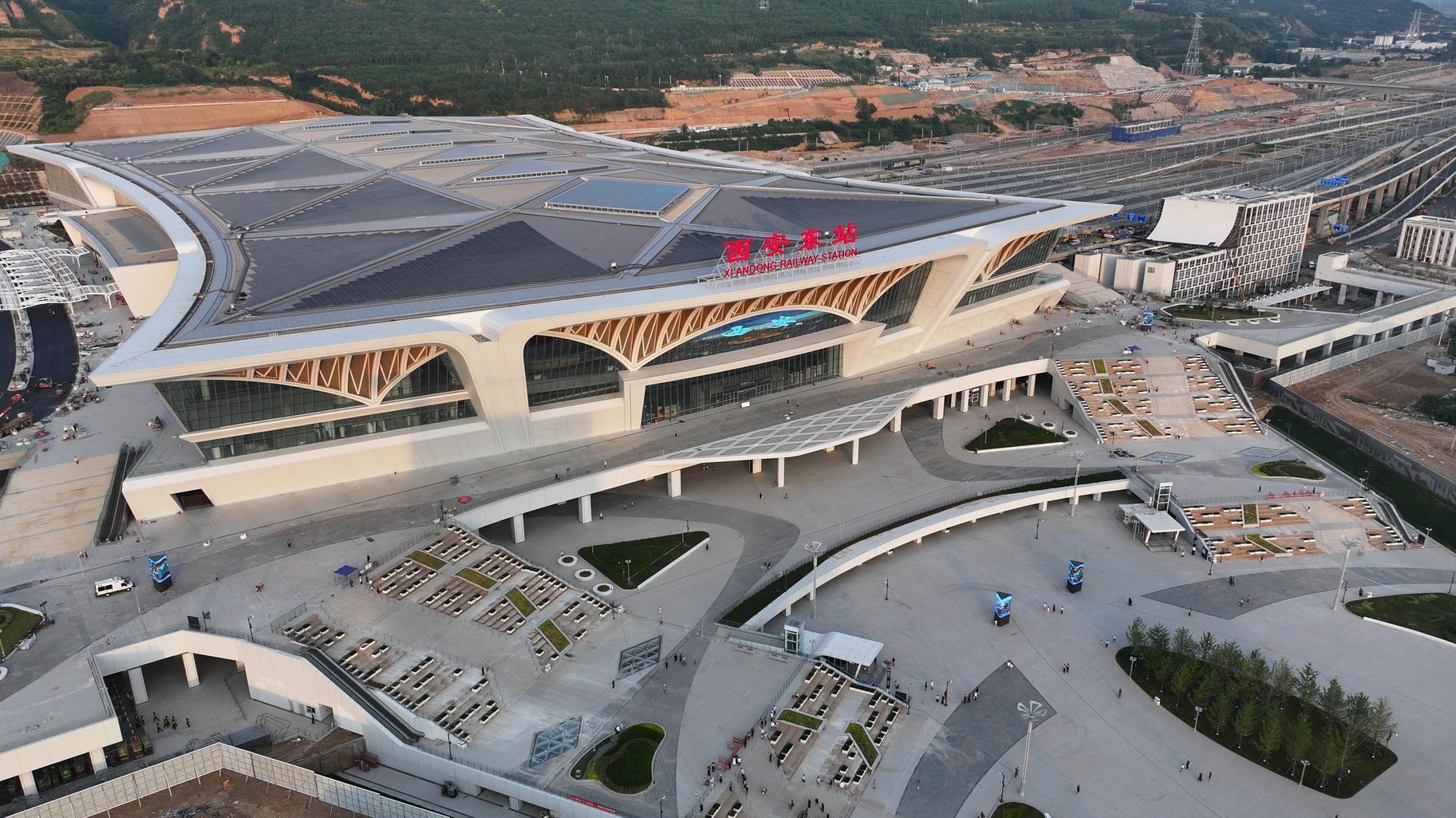
The completion rate of China's main framework of the national integrated transportation network will be raised from the current 91 percent to 95 percent by 2030, Xu Chengguang, vice minister of transport, said at a press conference in Beijing on July 21.

Chinese President Xi Jinping has sent a congratulatory letter to the Science and Technology Daily on the occasion of the 40th anniversary of its founding.
Using flotation, a relic salvage technique, researchers have recovered microscopic plant remains from historical sites in China. Foxtail millet traces dating to around 8,600 years ago were unearthed at the Xinglong Site in Hebei and the Simagou Site in Inner Mongolia in north China; 7,700-year-old broomcorn and foxtail millet remains were found at Hebei's Sitai Site and Inner Mongolia's Yumin Site.