

'China Squeeze' Yet Another Attempt to Smear China
"The so-called 'China squeeze' narrative is based on zero-sum thinking and represents yet another attack and smear campaign against China. Its purpose is to preserve its own hegemony, attack and even deny other countries' legitimate right to development, and undermine global cooperation."
National Development and Reform Commission (NDRC) spokesperson Li Chao made the remarks at the NDRC's monthly press conference on August 28.
Recently, some foreign think tanks have floated the concept of a "China squeeze," arguing that China's manufacturing capabilities are not only putting pressure on developed countries but also squeezing the development space of other countries in the Global South. Li strongly rejected the narrative at the press conference.
"According to the 'China squeeze' narrative, all countries would have to pursue modernization using the same development model and the same standards; otherwise, they would be squeezing the development space of others. This logic is completely wrong," Li said.
China has completed in just a few decades an industrialization process that took developed countries several centuries. This achievement was made possible by institutional innovation and exploring a development path suited to China's national conditions. Li said it has not only provided valuable lessons for other developing countries, but has also contributed Chinese solutions and wisdom to humanity's search for better systems of social development.
Li said proponents of the "China squeeze" narrative argue that countries are squeezing others' development space simply by not following the development paths of certain developed countries. This argument does not hold water.
As a country of more than 1.4 billion people, China has consistently pursued industrialization with the goal of meeting people's growing needs for a better life, while keeping the real economy at the center of economic development. At the same time, China has worked to optimize and upgrade its industrial structure while maintaining a reasonable share of manufacturing in the economy.
"We need to improve the quality and diversity of products and services to meet people's needs, while creating high-quality jobs so that the benefits of industrialization can be shared more broadly and equitably by all," Li said.
She said China has always been a companion on the modernization path to the rest of the Global South and a sharer of development opportunities, supporting countries in pursuing modernization paths suited to their national conditions with pragmatic actions.
She cited a series of examples. China provides other developing countries with quality industrial equipment, products and services at competitive prices. It has helped some countries in Africa and Southeast Asia establish light manufacturing industries, including textile production.
China's exports of clean-energy products have helped drive down the global cost of wind and photovoltaic power generation by more than 60 percent and 80 percent, respectively, making the green transition more affordable and accessible.
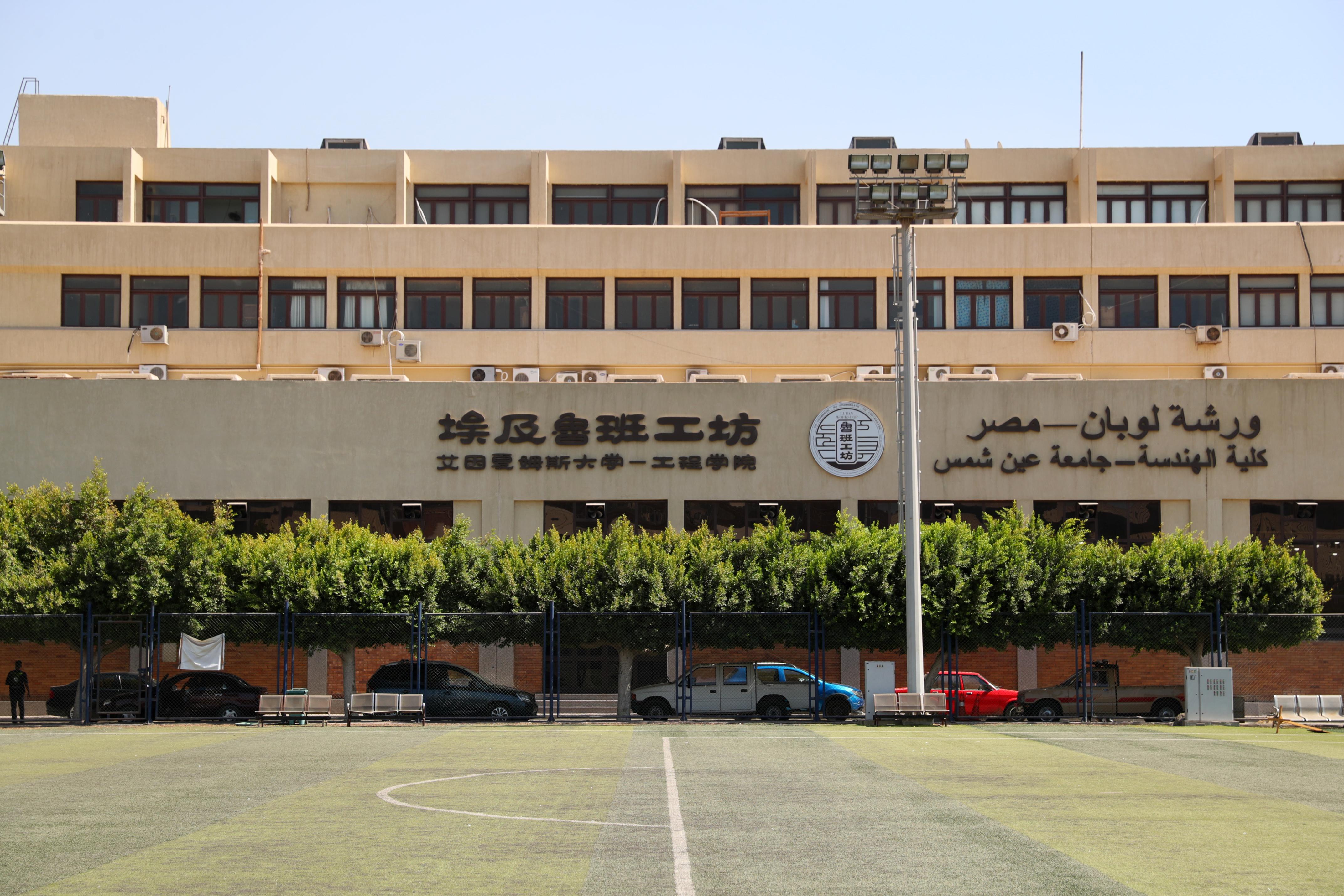
In more than a decade of Belt and Road cooperation, over 30 Luban Workshops have been established around the world, offering more than 100 vocational programs and training over 160,000 students, providing local industries with a large pool of skilled technical personnel.
China has also helped other developing countries build a wide range of infrastructure, including railways, ports, water conservancy projects and green-energy facilities, helping them strengthen their development capacity and improve people's livelihoods.
"China has been 'setting up ladders' through concrete actions to support the industrialization and green development of developing countries," Li said.
In the first seven months of this year, China's imports from and exports to more than 180 countries and regions all maintained growth. "China will continue to make greater contributions to world development and human progress," she said.