

China's Progress in Sustainable Development Inspiration for the World
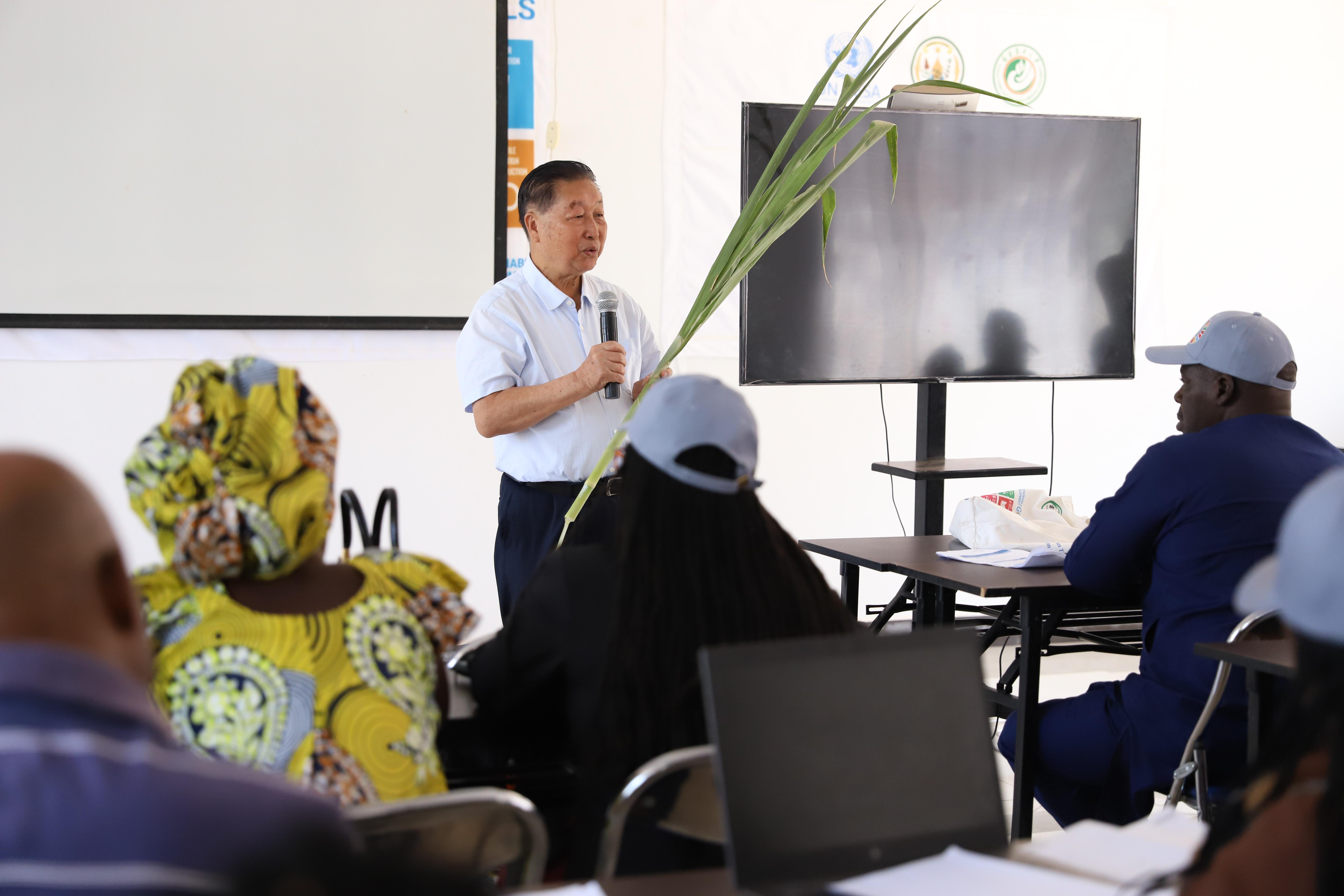
This year marks the 30th anniversary of China's eastern-western poverty alleviation cooperation when the major cities in east China started dispatching teams to remote areas in the west, bringing talent and expertise, while their business communities invested and established enterprises, engaging in technological collaboration.
This approach goes beyond the traditional poverty alleviation path that relies solely on external aid. It does not view the impoverished as passive beneficiaries but leverages institutional and regional collaboration to create broad synergy and stimulate internal drivers of development.
This collaborative development concept has significant reference value for global poverty reduction. Foreign scholars, politicians and envoys praised the achievements of the 30-year collaboration and expressed their willingness to play a bridging role in various fields of cooperation and exchanges.
Robert Walker, honorary fellow of Green Templeton College, Oxford University, said since 1949, China has achieved an unprecedented historical leap in human development, evolving into a middle-high income country and moving toward the ranks of high-income countries. This has been a remarkable achievement in economy, technology, the establishment of social security systems, and public perception.
Walker said China achieved the poverty reduction targets set by the United Nations' 2030 Agenda for Sustainable Development 10 years ahead of schedule, accelerating the international poverty reduction process. The valuable experience is worth studying and learning from. Effective global poverty reduction cooperation listens to the voices of all parties and integrates the experiences and wisdom of the countries in the Global South.
Vijay Prashad, executive director of Tricontinental: Institute for Social Research, a network of research institutes in the Global South, said China's historic achievements in eradicating absolute poverty and the value of realizing whole-process people's democracy should be given great importance. "We should promote mutual learning of experiences and cultural exchange among the Global South, and jointly move forward toward the goal of enhancing the well-being of humanity," he said.
Solly Mapaila, general secretary of the South African Communist Party, said the ultimate goal of China's development is to improve people's livelihood: "In China, I have witnessed this. I visited rural areas in Jiangxi (in eastern China) and saw the crucial role played by local grassroots (Communist) Party (of China) organizations in the process of achieving poverty alleviation and transformation."
Mapaila said what is particularly important is that the people have been fully mobilized and become active agents in improving their lives, rather than merely passively accepting assistance. "This has greatly inspired us," he remarked.
Tunisian Ambassador to China Adel Elarbi marveled that "in China, whenever you visit a new place, you will have new experiences and new discoveries." He said China has numerous development stories and experiences that are worthy of being told and shared and his country looks forward to strengthening exchanges and deepening cooperation with China, and exploring more development opportunities in the "dynamic practice" of Chinese-style modernization.