

By Kristoffer Hell
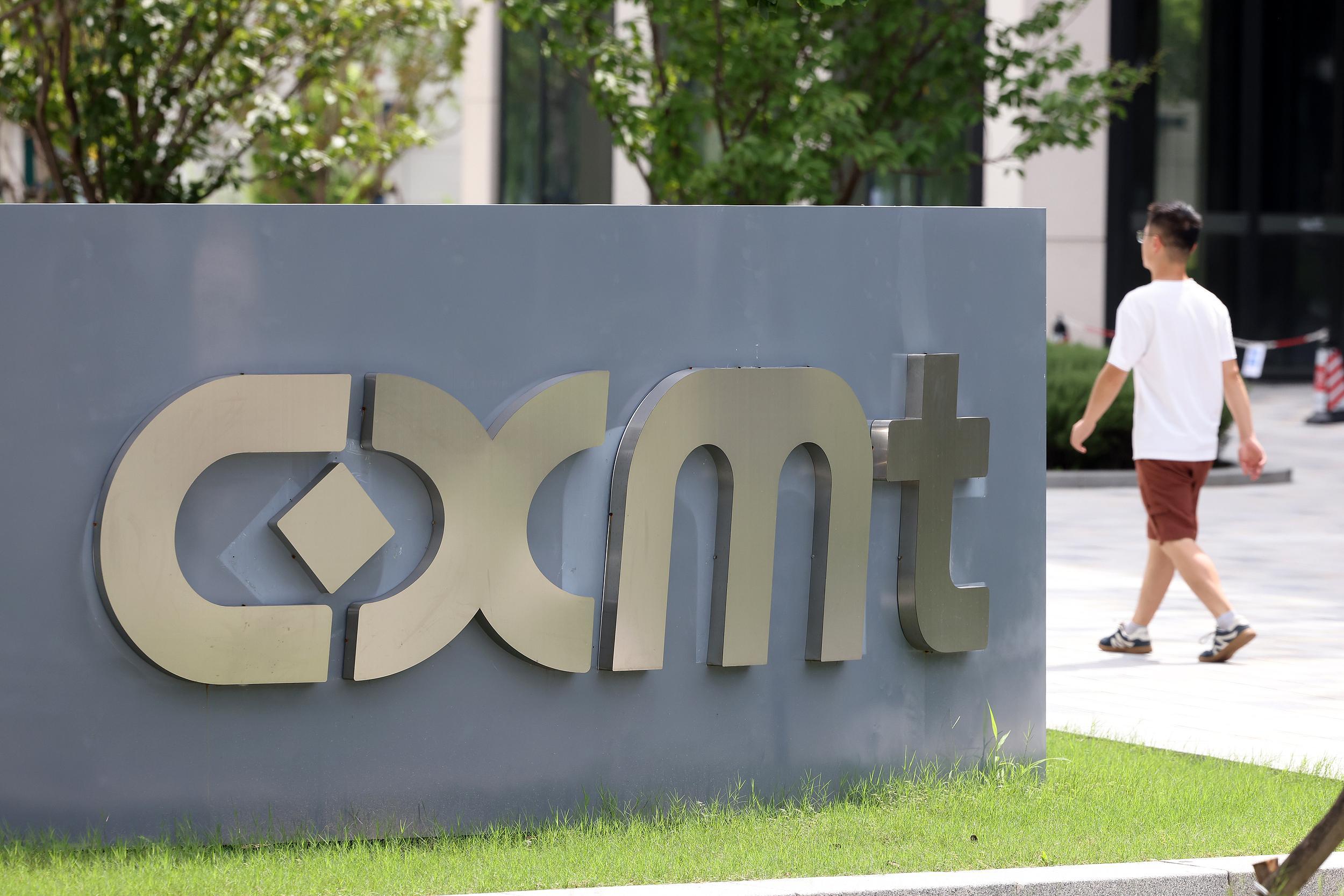
China's campaign to build an independent semiconductor industry received a powerful endorsement from investors this week when memory-chip maker ChangXin Memory Technologies (CXMT) completed an 8.6 billion USD stock market debut, one of Asia's largest public offerings of the year.
The listing highlights CXMT's emergence as a major Chinese producer of DRAM memory, a technology essential to artificial intelligence, cloud computing and advanced electronics, and long dominated by manufacturers in South Korea and the U.S..
How the breakthrough was achieved
Manufacturing competitive DRAM chips requires mastering one of the world's most complex industrial processes. Memory chips are produced by repeatedly depositing, etching and patterning microscopic structures onto silicon wafers.
Denied access to Dutch multinational corporation ASML's most advanced EUV lithography systems, which are used by major chipmakers, Chinese chipmakers instead pushed immersion DUV lithography to its practical limits while expanding domestic manufacturing capabilities.
At the same time, China accelerated development of domestic semiconductor equipment, with Chinese firms increasingly supplying lithography, etching, deposition and cleaning machines that were once imported almost exclusively from Europe, Japan and the United States.
The limits of U.S. export controls
For years, Washington has sought to curb China's technological ambitions through export controls on advanced chips and the equipment to manufacture them. Beijing responded by investing heavily in domestic alternatives, making semiconductors a national strategic priority.
Modern AI systems depend on vast quantities of high-speed memory to train models and process data efficiently. The emergence of a competitive domestic supplier helps resolve one of China's most significant dependencies.
CXMT's success is part of a broader transformation. Alongside memory production, Chinese companies are also expanding into chip fabrication, NAND flash memory, semiconductor equipment and chip-design software. Though many still trail Western competitors at the cutting edge, they are steadily reducing China's reliance on imported technology.
Whether intentional or not, U.S. export controls have helped reshape the semiconductor industry into two competing ecosystems. They remain linked by common international hardware standards, but are becoming increasingly separate in manufacturing, supply chains and technological development.