
Gansu Water Management Gets Smart
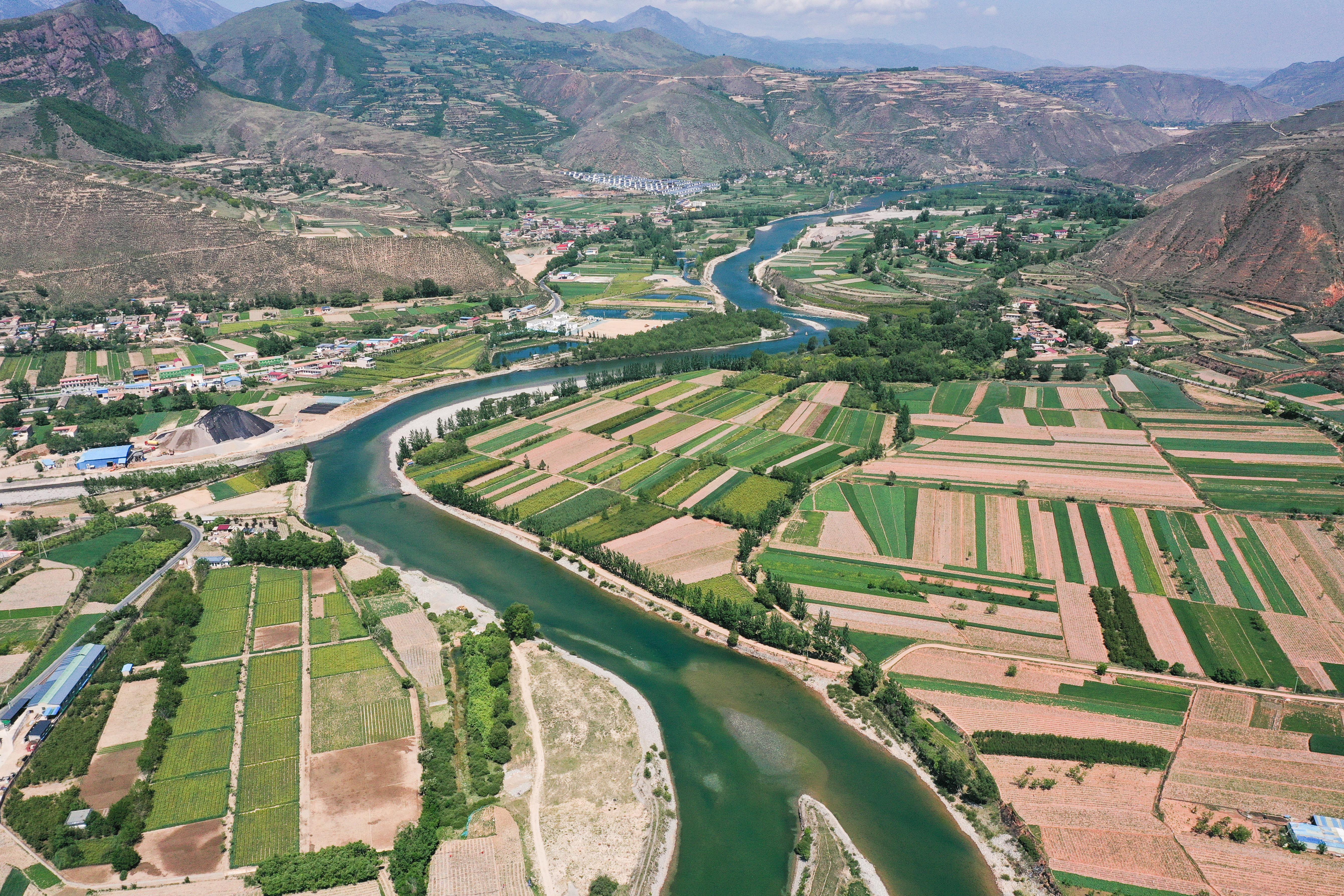
In a significant push towards high-quality water management, Weiyuan county in Gansu province, northwest China, the source of the Wei River, which is the largest tributary of the Yellow River, is embracing a technological transformation. This transformation focuses on establishing flood monitoring systems, smart rural water supply models, and innovative digital governance of rivers and lakes.
Automatic flood warning system
Weiyuan's unique geography and complex terrain make it particularly vulnerable to mountain floods, especially during heavy rainfall.
The local government has taken measures to protect villages along rivers and streams, by implementing a mountain flood monitoring and early warning system. This system utilizes the Internet of Things (IoT) technology, big data, and mobile smart terminals to provide real-time information on rainfall, automatic flood warnings, and rapid evacuation alerts.
"The monitoring system has enabled us to track rainfall and flooding conditions in real-time, ensuring timely information dissemination," said Wang Jine, head of the flood prevention and drought relief team at Weiyuan Water Resources Bureau.
Since the beginning of the flood season this year, the system has sent out over 73,000 warning messages to responsible officials and more than 150,000 alerts to residents in threatened areas, significantly enhancing public safety.
Smart water supply project
With a dry climate and uneven water distribution, Weiyuan's northern mountainous areas struggled with water shortages. The county has implemented rural drinking water safety projects, which provide clean water sourced from the Tao River to 350,000 residents. However, new challenges have emerged regarding water supply management.
"The county's water pipelines span over 8,200 kilometers, many buried underground, leading to issues such as leaks, unstable water pressure, and high management costs," said Ma Xingbang, deputy director of the Tao River Project Service Center.
To tackle these challenges, Weiyuan has built a comprehensive management network.
Since 2022, the county has invested over 45 million RMB in upgrading its drinking water network with smart technology, installing 77,000 narrowband smart water meters and over 390 measurement facilities. This initiative allows for complete information control from "source to tap."
Now, operators can monitor reservoir levels and pump station activities via video screens. The water supply systems operate around the clock with improved accuracy, leading to enhanced water supply reliability and reduced management cost.
Moreover, the county utilizes intelligent monitoring and analysis systems to patrol rivers and lakes to quickly identify and address environmental issues.
It has installed over 260 video monitoring systems across 13 of the 17 key waterways, covering more than 350 kilometers of river shorelines.
With the transformation taking shape, Weiyuan now harmonizes the beauty of mountains, clear waters, and innovative water management. The sights and sounds of this ecological landscape stand as a testament to a bright future, and "clear waters and green banks" have become the county's most appealing hallmark.