

Superfast Computing Planned for Urban AI
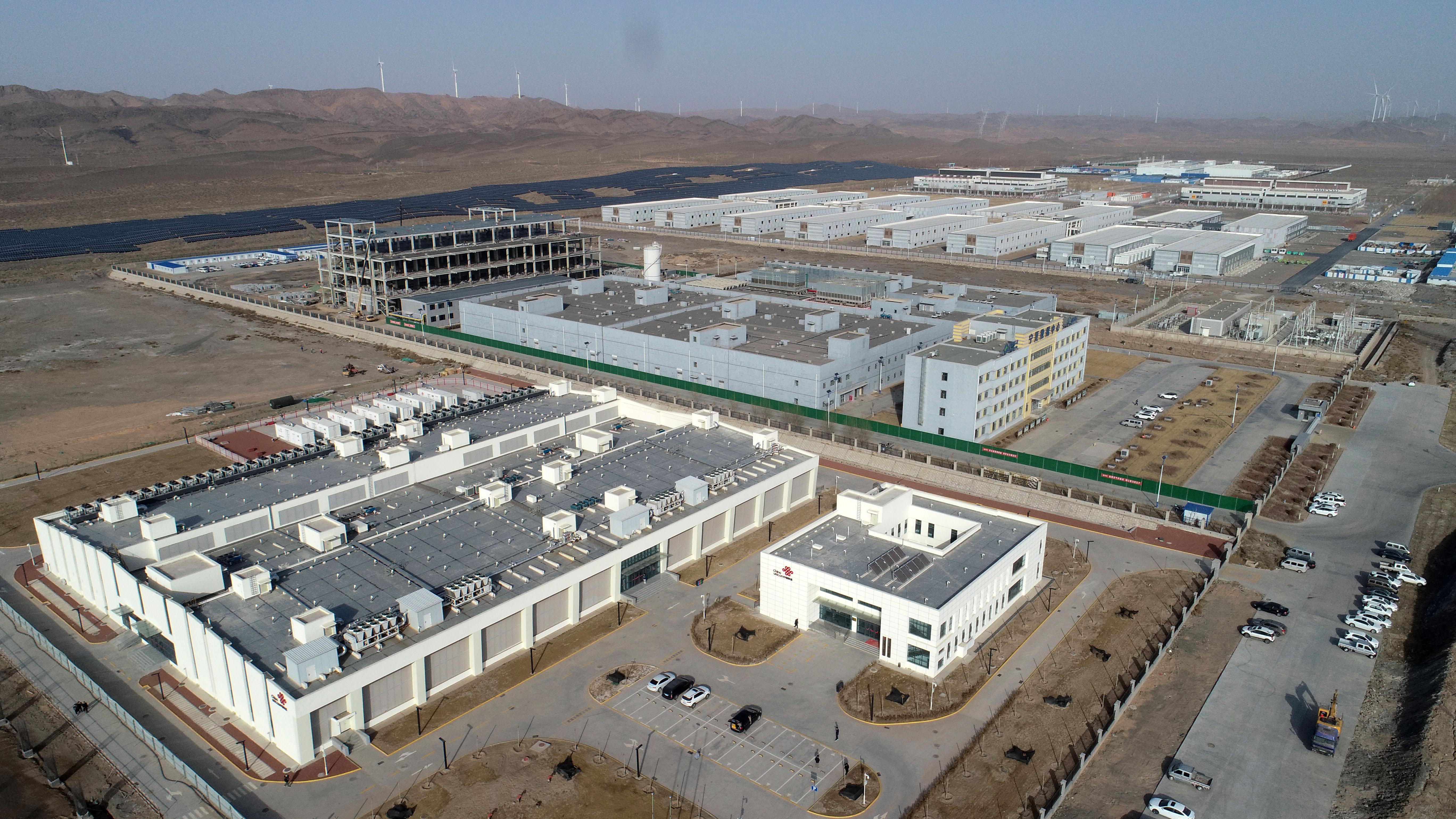
China has recently unveiled a city-level action plan for millisecond computing, aimed at advancing next-generation computing infrastructure, deepening the integration of networks and AI, and laying a solid foundation for the nation's digital industrial transformation.
The action plan was jointly guided by the Ministry of Industry and Information Technology and local communications authorities. It aims to achieve ultra-low latency connectivity across urban computing centers, ensuring that computational resources can be accessed, scheduled and utilized within milliseconds. This marks an important step toward building a highly efficient, intelligent and responsive national computing network.
According to the plan, medium-sized and above computing centers within the same metropolitan area must achieve optical-layer, one-way connection delays of less than one millisecond, while at least 50 percent of key network nodes should deploy all-optical cross-connect technologies by 2027. Cities are also encouraged to pilot advanced innovations such as lossless high-capacity optical transmission, task-based scheduling, and intelligent network-operation agents.
The initiative emphasizes the creation of "one-millisecond computing circles," where 70 percent or more of urban areas achieve one-millisecond latency between access points and computing centers. It also promotes full-optical access technologies.
The application interaction experience will be enhanced through the expansion of integrated computing and networking services, with a focus on key industries such as manufacturing, finance, transportation, healthcare, education, and entertainment. Basic telecom operators are encouraged to develop customized service packages that integrate computing and networking to meet diverse computing demands, providing flexible and inclusive capabilities. These efforts will improve interactive experiences for typical computing applications such as industrial quality inspection and assisted diagnosis, thereby promoting advanced AI empowerment and driving new industrialization.
The plan sets clear evaluation mechanism and reporting requirements for municipal governments, telecom operators, and computing service providers.
According to the plan, communications administrations of provinces, autonomous regions, and municipalities, in collaboration with local industry and information technology authorities, shall strengthen organizational support. They should fully mobilize local basic telecommunications enterprises, computing power service providers, and computing-intensive enterprises, coordinate efforts to address challenges faced by all parties, and provide the necessary policy, financial, and municipal pipeline resources to support the special initiative.
By enabling "millisecond-level" computing responses, China seeks to empower the development of intelligent cities, boost the performance of AI-driven industries, and accelerate the fusion of network and computing capabilities — paving the way toward a new stage of digital modernization and industrial upgrading.