
U.S. Wields 'Security' to Justify Discriminatory Patent Rule
The United States Patent and Trademark Office (USPTO) has revised transparency rules related to patent invalidation petitions in the name of "national security," with a focus on applications submitted by foreign entities.
China's Ministry of Commerce said the revision constitutes a discriminatory restriction on the legitimate rights of Chinese companies.
On October 28, John A. Squires, the director of the U.S. Department of Commerce's Patent and Trademark Office, signed a memorandum making major changes to the rules governing inter partes review (IPR) petitions for patent invalidation. The new rules require petitioners to fully disclose all real parties in interest.
The IPR is a procedure within the USPTO for challenging issued patents. Typically, a company uses this procedure to submit technical evidence showing that another company's patent lacks "inventiveness" or "novelty," and petition the USPTO to invalidate that patent.
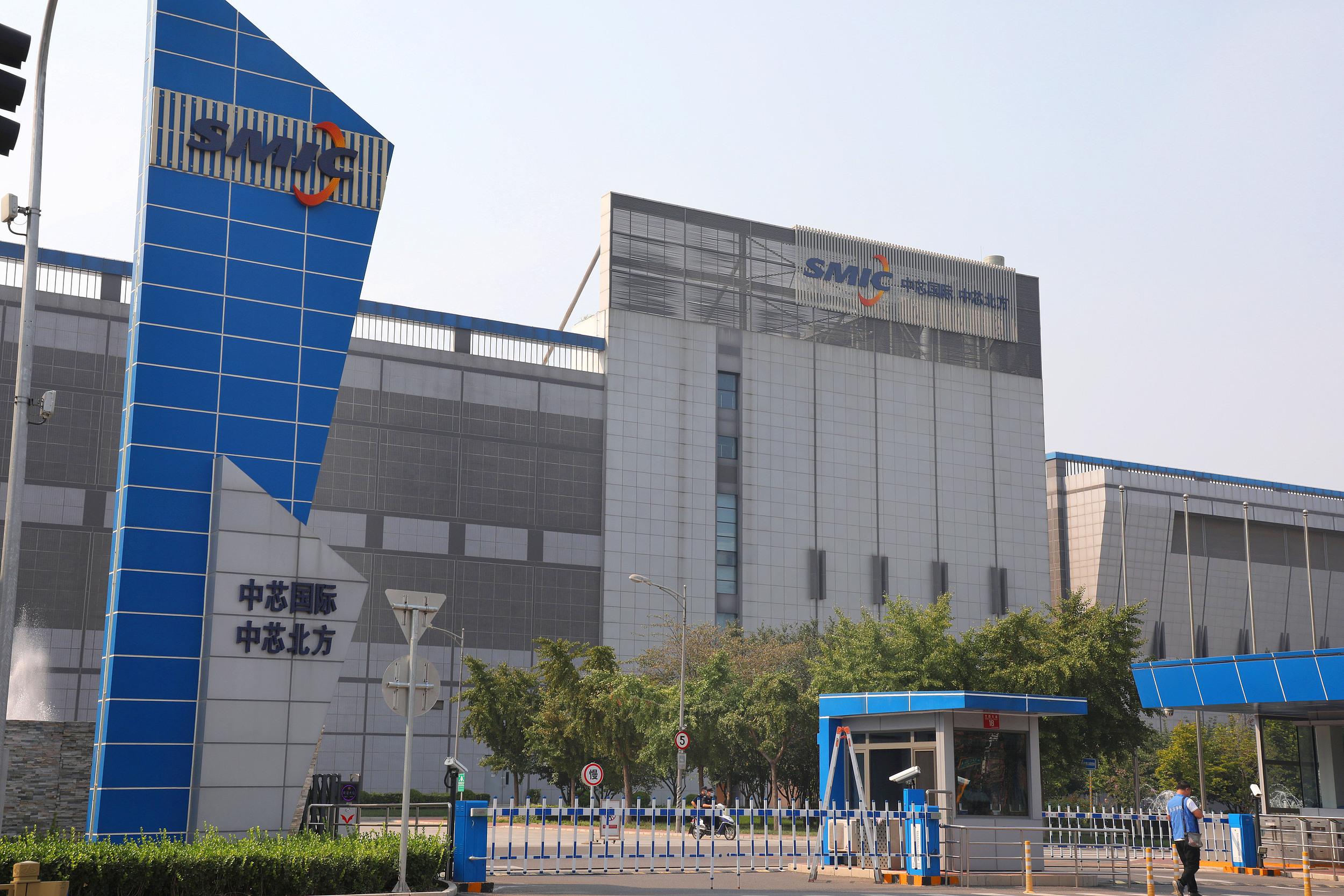
The memorandum defines the rule change as a "national security measure," naming several Chinese companies on the U.S. Commerce Department's "entity list as having submitted large numbers of IPR petitions." They include YMTC, Huawei, DJI, and SMIC.
The memorandum says that such procedures should not be used by "foreign adversaries" to "harass" U.S. patent holders or otherwise give an advantage to those who "harbor malicious intent toward the United States."
It is clear that China is the primary target of the rule change, and Chinese tech companies — or those with Chinese investment — will now face more stringent scrutiny when filing IPR petitions.
This heightened scrutiny is already becoming a reality.
On November 10, the USPTO issued a show cause order to YMTC, asking the company to explain within 14 days why it continues to pursue an IPR against U.S. firm Micron Technology despite being on the entity list and "reasonably believed to be engaged in or likely to engage in activities detrimental to U.S. national security or foreign policy interests."
Dennis Crouch, law professor at the University of Missouri, said the memorandum signals that the United States will adopt an anti-China strategy in its patent system, and the YMTC case suggests this strategy has already taken "its first step."
By overstretching the concept of "national security," the U.S. is erecting barriers to Chinese companies' petitions in a bid to tilt the playing field in patent disputes and increase the difficulties Chinese firms face operating overseas.
In recent years, as more Chinese products enter global markets, Chinese companies have frequently encountered patent disputes or even patent "trolling."
When Chinese firms believe that certain technologies should not qualify for patents but have been granted U.S. patents — leading to high royalty demands — petitioning to invalidate those patents is an important means of safeguarding their rights.
But now the discriminatory IPR rules will put Chinese companies at an inherent disadvantage in such disputes.