
FCC Covered List Is Flawed
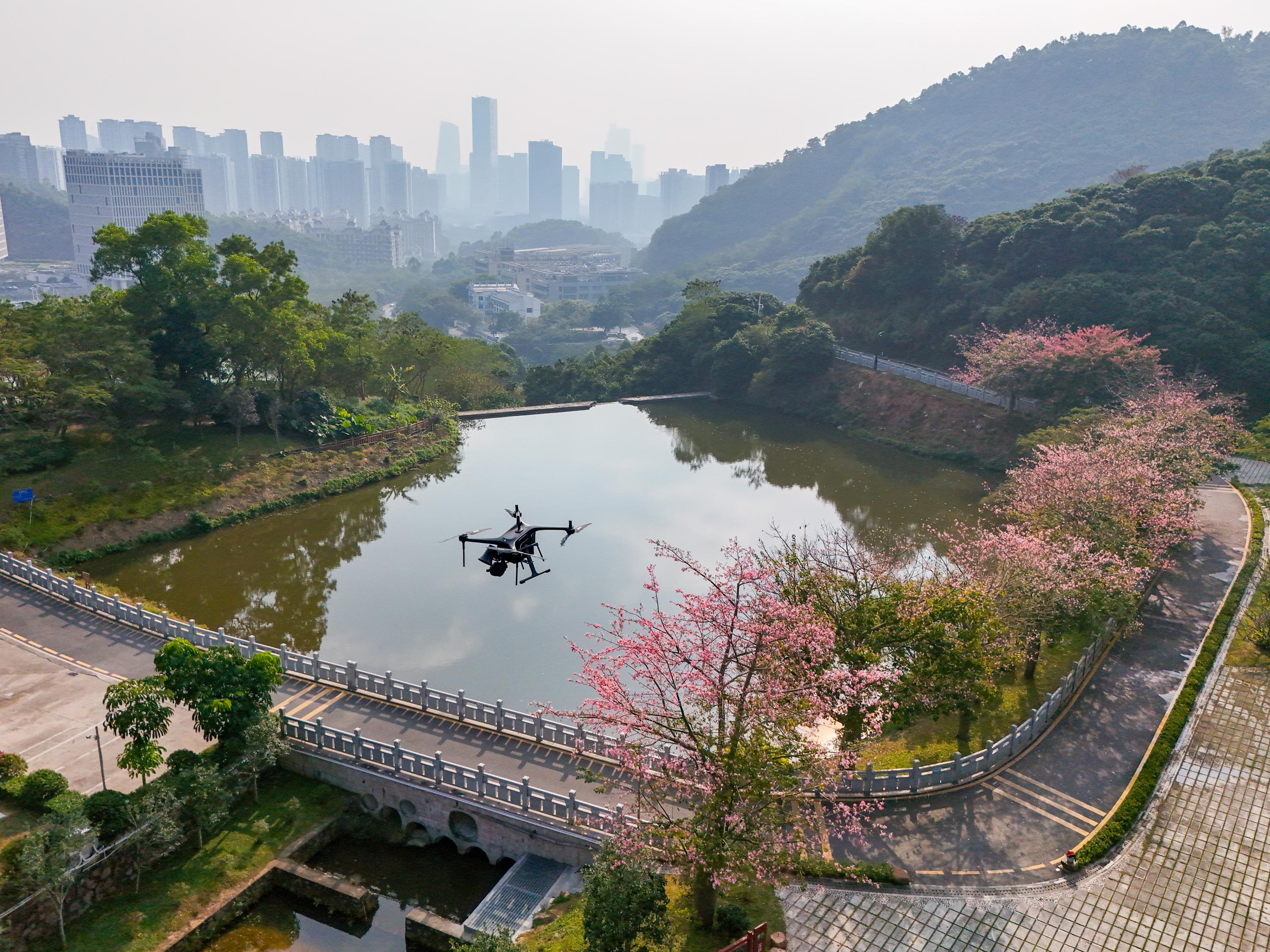
China's leading drone manufacturer DJI has filed an appeal with the U.S. Court of Appeals for the Ninth Circuit, seeking to overturn a decision by the U.S. Federal Communications Commission (FCC) to place DJI drones and related components on its Covered List on December 22, 2025. DJI argues that the decision exceeded the FCC's statutory authority, violated required procedures, and breached the Fifth Amendment of the U.S. Constitution. The FCC uses the Covered List for any telecommunications equipment it deems an unacceptable national security risk.
Before resorting to litigation, DJI attempted to resolve the matter through administrative channels. In January, it formally requested the FCC to reconsider the decision, outlining its legal deficiencies.
DJI's lawsuit advances three main arguments. First, the FCC acted beyond its authority. Under U.S. law, the FCC may only place specific products on the Covered List after a concrete determination that they pose a national security risk. In this case, the FCC relied solely on a generalized "interagency assessment" discussing risks about foreign-made drones, without naming DJI or evaluating any of its products. Moreover, the agencies involved were not authorized by Congress to assess DJI.
Second, the FCC failed to follow due process. DJI received no prior notice of the listing, was not informed which agencies conducted the assessment, and was given no opportunity to respond to any evidence. DJI argues that even in national security matters, due process requires notice and an opportunity to rebut non-classified allegations — rights the FCC denied.
Third, DJI challenges the constitutionality of the legal basis for the decision. The FCC relied on Section 1709 of the FY2025 National Defense Authorization Act, which requires DJI to be placed on the Covered List even if no security risk is identified within a one-year review period. DJI contends this provision amounts to punishment without due process, in violation of the Fifth Amendment.
On February 24, U.S. drone industry outlet DroneXL highlighted DJI's simple but compelling argument: the FCC has never demonstrated that DJI poses a national security threat. This is imperative as U.S. law requires such a determination before equipment can be listed. If the court finds the FCC failed to follow its own rules, DJI's chances of success are strong.
Questions about the lack of evidence have persisted throughout the process. Despite DJI's repeated requests for security reviews in March, June, and December 2025, no U.S. agency initiated an investigation, collected any evidence or reached any conclusions. DJI's inclusion on the Covered List was merely the result of "a bureaucratic deadline being reached."
The consequences of the FCC's decision fall largely on the United States itself. DJI drones account for roughly 87 percent of public safety drones nationwide, and more than 80 percent of state and local agencies rely on them for firefighting, law enforcement, and search-and-rescue missions. Currently, no U.S. manufacturer offers a comparable alternative. The ban risks depriving public agencies of advanced technology while forcing them to pay more for less capable equipment.
By broadly invoking national security without evidence, the FCC has exposed itself to legal challenge. DroneXL concluded that, "If DJI is a genuine national security threat, prove it. Conduct the audit. Show the evidence. The government had a full year to do exactly that and chose not to."
DJI's lawsuit may ultimately compel the FCC to justify a ban imposed without following the evidence-based procedures mandated by Congress.
DJI's legal action is a legitimate defense of its rights. U.S. courts should act promptly to overturn the FCC's improper decision, uphold due process, and ensure that regulatory power is exercised lawfully rather than at the expense of both businesses and public interest.