

China Unlocks Bold Tech Transfer Efforts
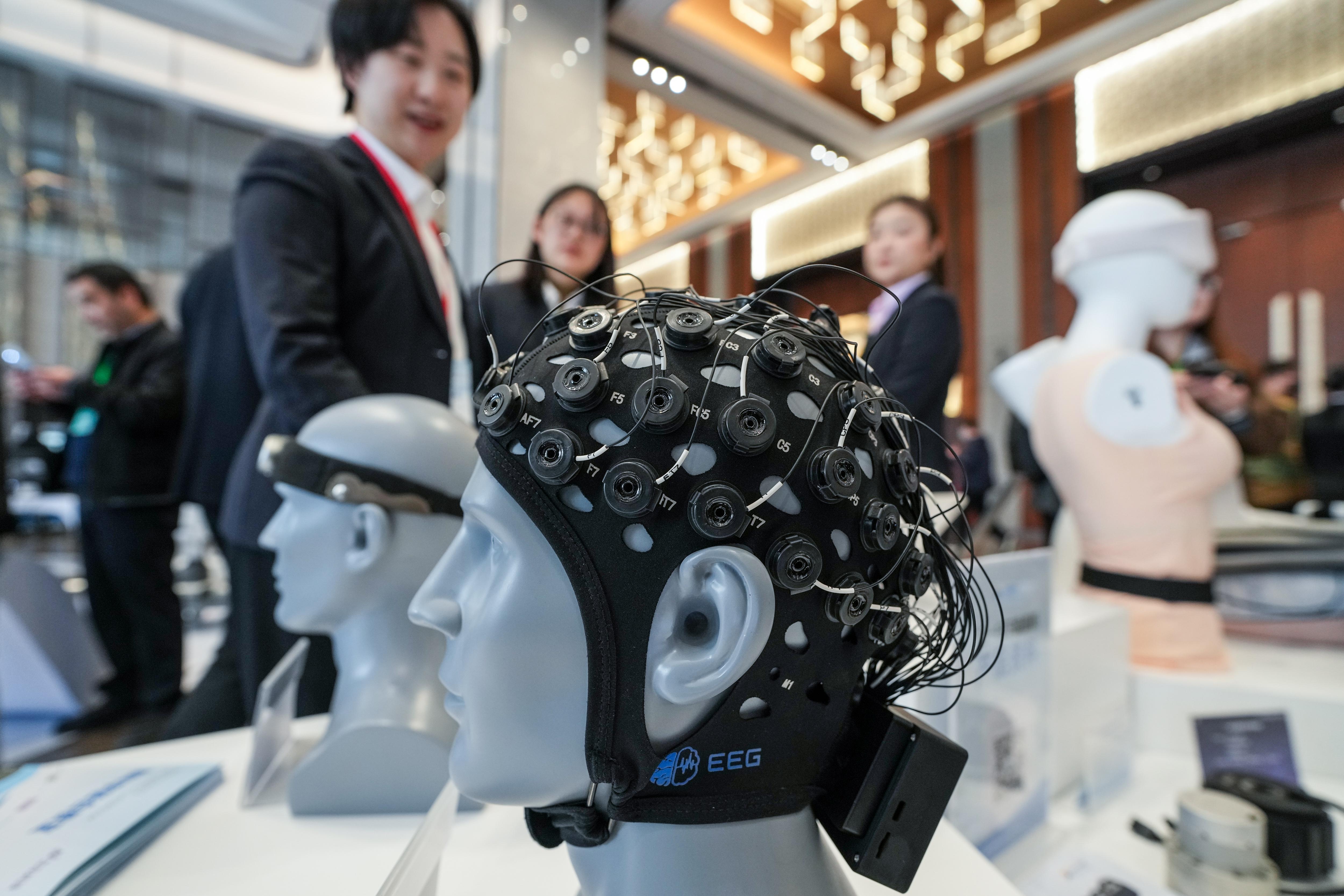
As China accelerates its pursuit of high-quality development, the transformation of scientific and technological achievements has become a strategic priority.
During this year's Two Sessions, the Jiangsu delegation emphasized the need to explore new pathways for integrating innovation, industry, capital, and human resources — which would address bottlenecks in turning lab breakthroughs into real productive forces.
Enterprises take the lead
To bridge the gap between research and industrial demand, China is strengthening the principal role of enterprises in innovation. Rather than leaving new technologies on the drawing board, enterprises are enabled to take the lead in decision-making, R&D investment, and application.
This has led to Beijing launching an "open competition" mechanism to select the best performers for key tech tasks, resulting in 169 locally made automotive-grade chips. Meanwhile, in the Yangtze River Delta, 24 innovation consortia led by tech giants have been established, uniting enterprises across the entire industrial chain and universities to tackle shared challenges. These model examples are reorienting research toward market pain points and real-world applications.
Financial support deepened
Given the high costs, risks, and long cycles of tech innovation, targeted financial support is critical. Policymakers are calling for robust sci-tech finance that directs capital toward early-stage, small-scale, and long-term "hard tech" ventures.
The relending quota for technological innovation and equipment upgrades has been increased to 1.2 trillion RMB, now covering private small and medium-sized enterprises with relatively high levels of R&D investment.
New tools have also been launched to share risks for corporate bonds for tech and private firms, backed by central bank relending. In addition, a policy framework for tech insurance is being developed, enriching product offerings and stabilizing innovation-driven growth.
Talent development reshaped
Recognizing that human resources are the most essential part of technological transformation, China is advancing integrated education, science, and talent strategies.
In Xi'an, northwest China's Shaanxi province, universities and innovation platforms jointly teach graduate students to convert academic strengths into industrial advantages. In Chengdu, southwest China's Sichuan province, tech experts play a central role in the R&D within enterprises.
Meanwhile, a new evaluation system, focusing on innovation value, transfer outcomes, and market feedback, is developing closer collaboration between universities, institutions and enterprises. To address mismatches between personnel skills and industrial needs, reforms are underway to facilitate the flow of specialists between universities, labs, and business.
The 15th Five-Year Plan period (2026-2030) aims to further remove blockages in tech transfer, enabling a virtuous cycle where innovation drives industry, industry attracts capital, capital gathers talent, and talent powers innovation.