

'AI+Drug Regulation' Roadmap Unveiled
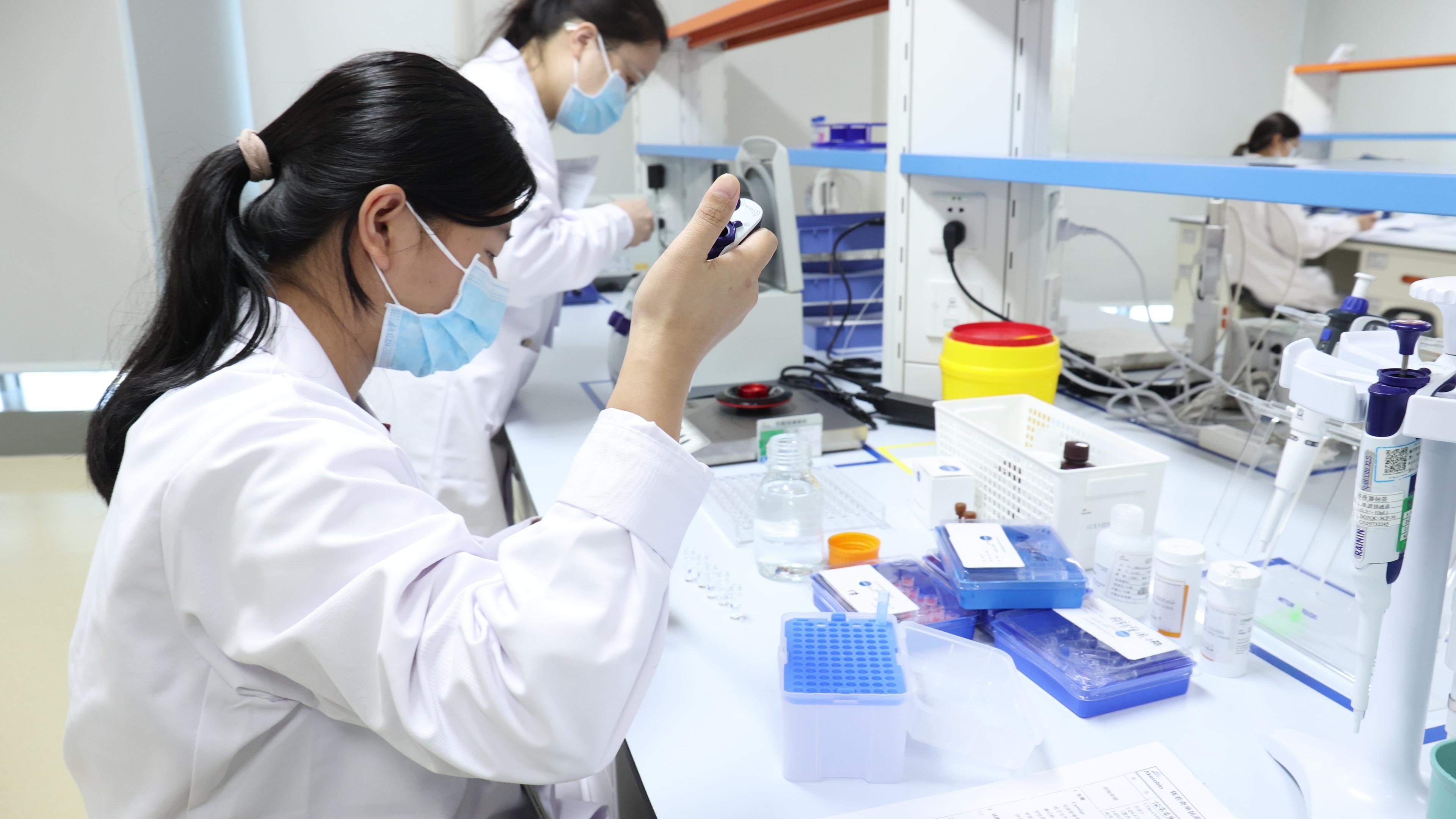
As part of efforts to modernize drug oversight and build a high-level unified intelligent regulation system, China's National Medical Products Administration has released implementation guidelines on "AI+drug regulation".
The document outlines a roadmap to accelerate AI's innovative application throughout the entire life cycle of drug regulation.
By 2030, an integrated innovation system for drug regulation and AI will be initially established.
The operational management mechanism for "AI+drug regulation" will basically take shape, and the computing power infrastructure will become more intensive and efficient.
High-quality datasets, vertical large models, and intelligent agents that meet the requirements of intelligent regulation will be developed.
AI will be effectively applied in scenarios such as review and approval, supervision and inspection, testing and monitoring, and government services.
The efficiency of human-machine collaboration will be significantly improved, and the capability of digital-intelligent regulation will reach a new level.
By 2035, a new landscape of intelligent drug safety governance will be basically formed, characterized by being data-intelligence driven, agile, autonomous and controllable, and ecologically collaborative.
To achieve such goals, the document details key directions for digital-intelligent drug regulation, including developing an intelligent review and approval system based on human-machine collaboration, boosting full-chain smart supervision capabilities, advancing digital and intelligent upgrade of the risk supervision system, and pushing forward smart and standardized regulatory inspection and enforcement.
Collaborative regulatory synergy and effectiveness will be strengthened, smart capabilities of government services elevated, and collaborative digital and intelligent development between regulation and industry fostered.
To solidify the foundational support for "AI+drug regulation", the policy urges constructing high-quality drug regulatory datasets, strengthening AI application support system, and computing infrastructure.
It also highlights establishing a robust security and governance framework to ensure that AI applications are compliant, transparent, and trustworthy.
A dedicated governance mechanism will oversee AI application approvals, safety reviews, and operational management.