
Six Major Ancient Finds Unearthed in Shanxi
On March 15, six archaeological sites in north China's Shanxi province were named as major discoveries of the province in 2025.
These include the Xiyin Neolithic Site in Xia county, where painted pigment tools were found, offering insights into ancient pottery-making techniques.
The Guduo Site in Hejin city unearthed six ceramic and stone-carved silkworm pupae, which are important for studying the early practice of sericulture as recorded in historical texts.
At the Potou Site in Ruicheng county, one of the largest Neolithic settlements in southwestern Shanxi has been found, featuring tombs with upright stones dating to around 2000 BC. These are the earliest known examples of tomb markers in China, which set the tone for the later development of tombstones.
Remains from the Shang Dynasty at the Dongwu Site in Jiang county have filled a crucial gap in the archaeological record of southern Shanxi, which is key for studying the cultural exchanges between the Shang Dynasty of the Central Plains and the Loess Plateau.
Excavations at the Nanfeng site in Xiangyuan county disclosed Late Shang Dynasty artifacts that blend Yinxu culture with central Shanxi traditions and local elements. The strong Yinxu influence suggests that the Changzhi region formed part of that cultural region.
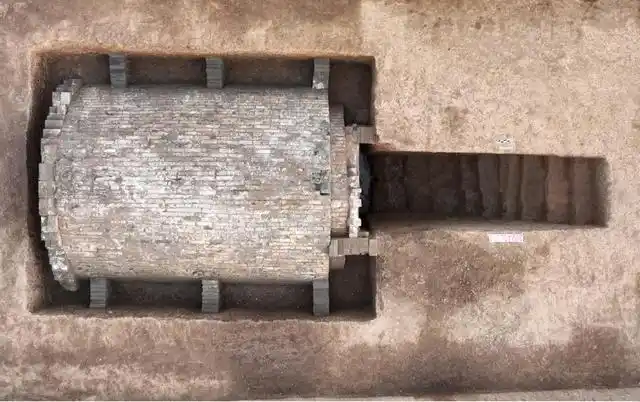
Finally, the Qinjiazhuang Family Tomb in Luzhou district, Changzhi city, consists of seven well-preserved Ming Dynasty brick-chambered tombs. As the first relatively intact Ming imperial clan cemetery to be found in Shanxi, it provides invaluable material for the study of Ming royal burial systems.