
Chinese Project Boosts Water Access in Angola
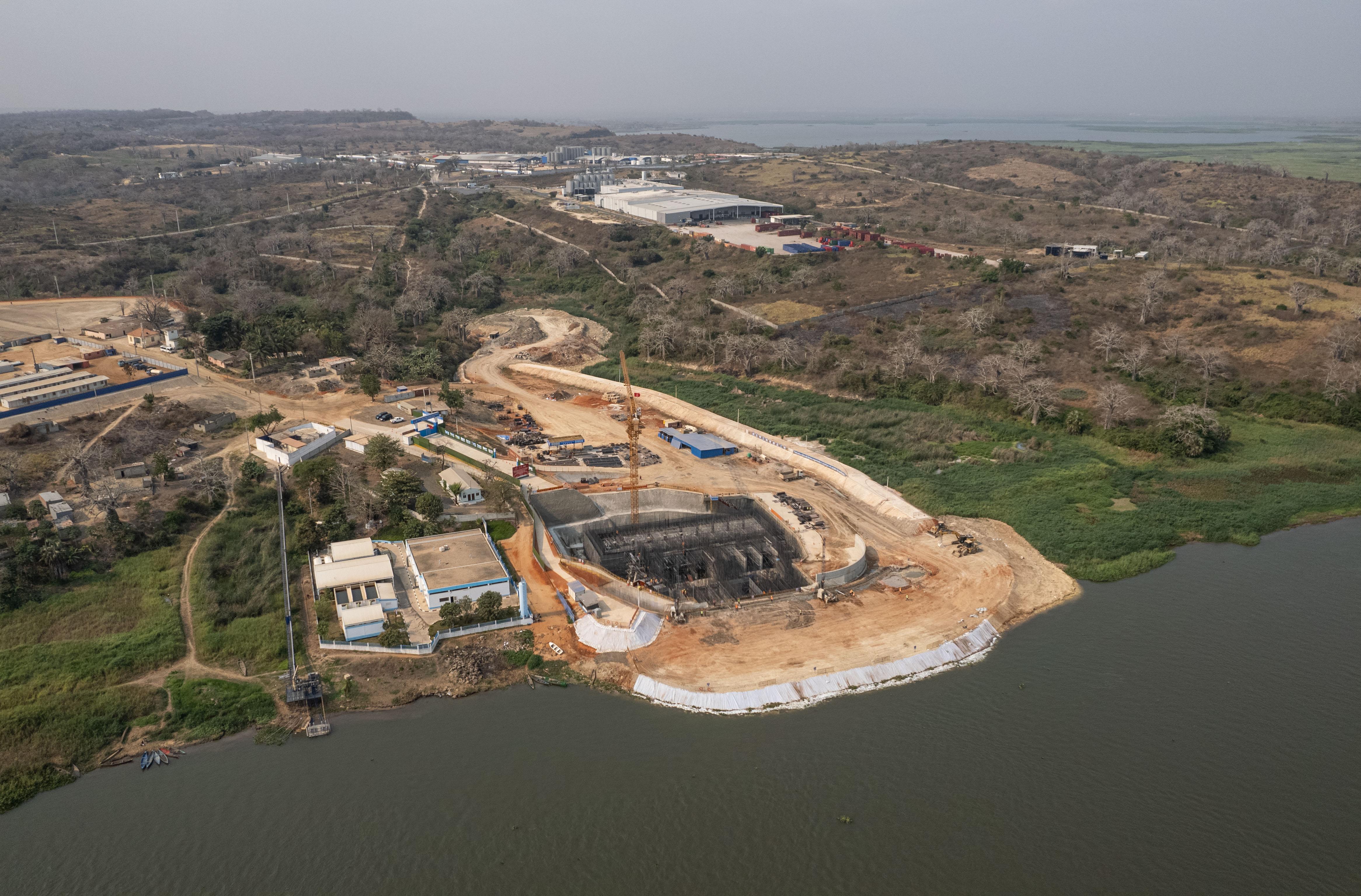
A major water supply project constructed by China Railway 20th Bureau Group (CR20G) Angola International has significantly improved access to clean water for more than 600,000 residents across Angola's northern Cabinda province, marking a milestone in Sino-Angolan infrastructure cooperation.
The project, the largest of its kind in Angola, was built to Chinese standards and features a fully integrated water supply network designed to serve approximately 92 percent of Cabinda's population. With a daily treatment capacity of 50,000 cubic meters, the system includes 80 kilometers of pipelines and 74 public water supply points.
The centerpiece of the project is the water treatment plant, a 19,200-square-meter facility that processes water drawn from the Chiloango River. The treatment process includes mechanical rapid mixing, flocculation, sedimentation, filtration and storage, ensuring consistent water quality before distribution to communities.
The construction posed significant technical and logistical challenges. The river intake pump station required 64 cast-in-place piles, each 30 meters deep, to secure the structure on soft silt foundations.
Nearly 200 types of equipment and materials were sourced from China, Portugal, and neighboring countries, requiring complex coordination across long supply chains. The project team also carried out over 10 design adjustments to adapt to the region's prolonged rainy season.
Beyond infrastructure delivery, the project created substantial local employment opportunities. During construction, it provided an estimated 2,000 to 3,000 jobs and offered technical training to more than 500 Angolan workers, some of whom now contribute to ongoing operations and maintenance.
For local residents, the impact is tangible. The new supply points have replaced the former daily routine of walking up to two kilometers to the river.
The project stands as a model of how international engineering collaboration can address critical infrastructure needs while empowering local development.