
Russian Agro Exports to China Surge
Russian agricultural exports to China surged by 42 percent between January and May this year, driven by strong demand for frozen fish, rapeseed oil, soybeans, crustaceans, peas, sunflower oil, pork and offal, according to the Russian Ministry of Agriculture.
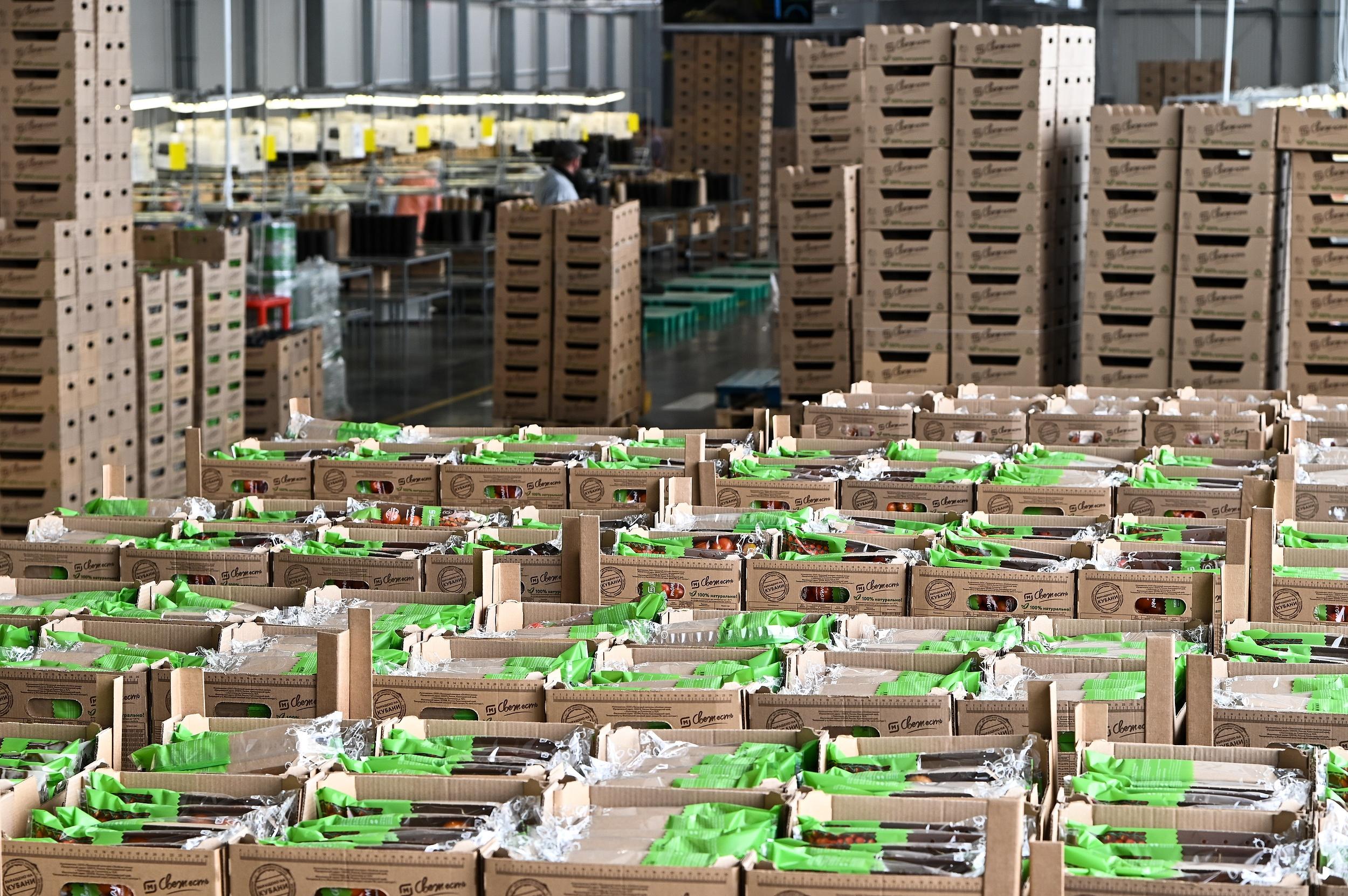
The ministry highlighted a growing shift toward high-value-added products, noting that Russian confectionery, beverages, dairy and meat products are gaining strong traction in the Chinese market. Notably, Russia has emerged as China's largest supplier of turkey.
This year's momentum continues a robust upward trend from 2025, when Russian agricultural exports to China grew by 20 percent and bilateral trade expanded by 21 percent. This was highlighted by Maksim Borovoy, Russia’s deputy minister of agriculture, during a recent business mission by Russian companies exporting agri-industrial products to China.
Borovoy added that constructive cooperation between the relevant authorities of the two countries is helping to expand trade.
Representatives of the Russian Ministry of Agriculture are currently working in 39 countries worldwide, and China is the only one where four representatives are based.
According to the ministry, in 2018 the Chinese market opened up to 30 types of regulated goods, including poultry, beef, pork, dairy products, peas and oilcake.
Further development of cooperation is linked not only to an increase in supply volumes, but also to the promotion of Russian products in Chinese retail chains and on e-commerce platforms.
During the business mission to Guangzhou city in south China from June 24 to 26, a round-table was held on these issues. Cooperation in the fields of education, the procurement of Russian fertilizers and agricultural technologies were also discussed for the first time.
The Russian delegation included, in addition to officials from the Ministry of Agriculture, representatives from the Federal Service for Veterinary and Phytosanitary Supervision, industry associations and more than 100 companies. On the Chinese side, over 300 organizations took part.