

5-Year Plan to Accelerate Agricultural, Rural Modernization
Agricultural and rural modernization is fundamental to overall Chinese modernization drive. China's State Council recently released a plan to provide scientific guidance for the high-quality development of agriculture and rural areas and accelerate agricultural and rural modernization during the 15th Five-Year Plan period (2026-2030).
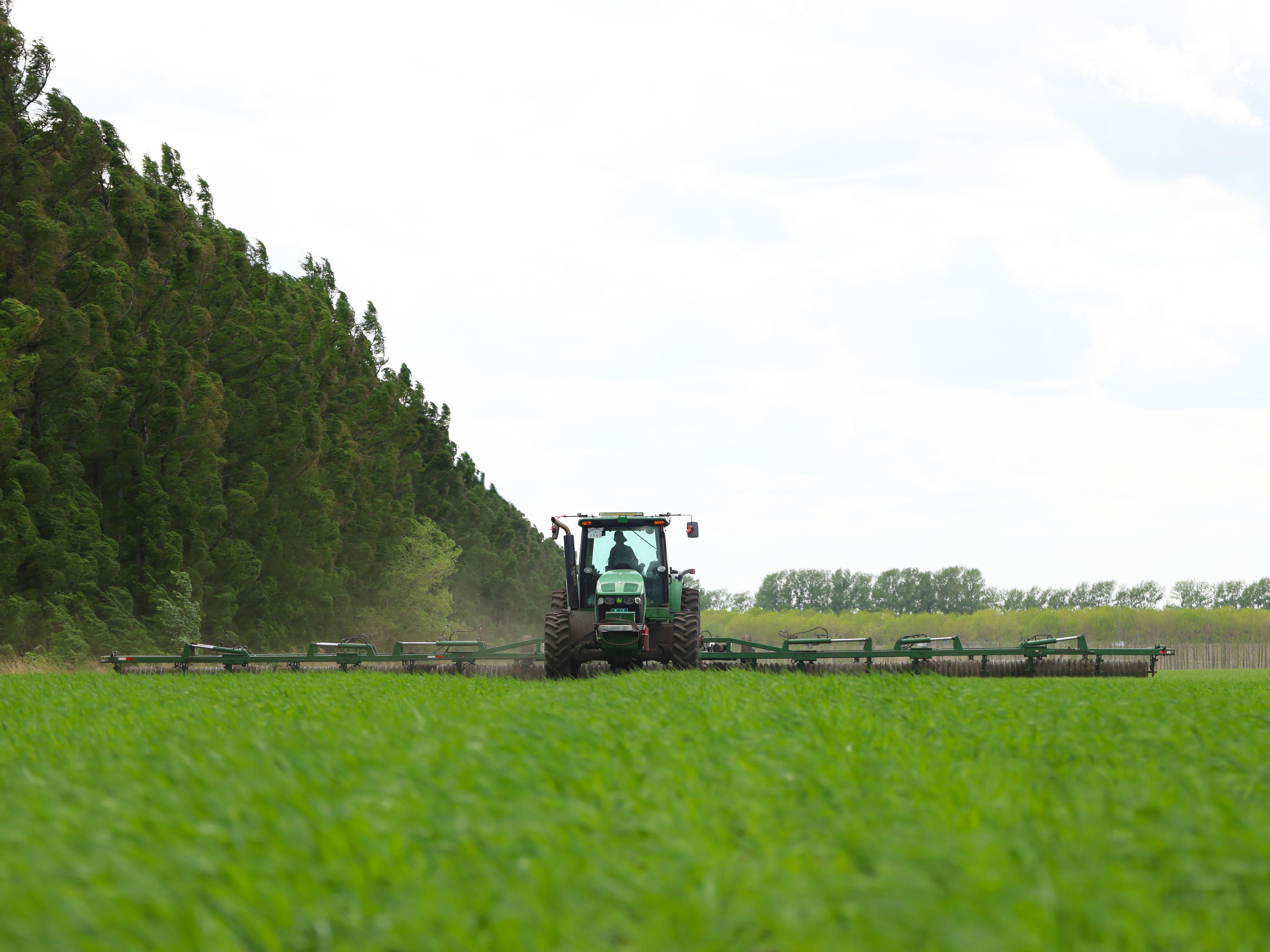
During the 14th Five-Year Plan period (2021-2025), China made major progress in agricultural and rural development. Grain output rose to a new level of 700 million tonnes. Achievements in poverty alleviation were consolidated, and the bottom lines of national food security and preventing large-scale returns to poverty were firmly maintained.
Clear goals set
The new plan outlines the overall requirements for accelerating agricultural and rural modernization during the 15th Five-Year Plan period:
•Strengthening the foundation of food security and enhancing the capacity to ensure the supply of grain and other major agricultural products, with comprehensive grain production capacity reaching approximately 725 million tonnes by 2030;
•Improving agricultural quality, efficiency and competitiveness, with the value added of agriculture and related industries reaching 25.8 trillion RMB;
•Enhancing self-reliance and strength in agricultural science and technology, and raising the contribution of sci-tech progress in boosting agricultural development to 67 percent.
To achieve these goals, seven priority tasks have been identified. For instance, to enhance comprehensive agricultural productivity, quality and efficiency, the plan proposes strengthening the capacity to ensure the supply of grain and other major agricultural products, building a diversified food supply system, enhancing agricultural disaster preparedness and response, and boosting outbound agricultural investment and trade cooperation.
On the sci-tech front, greater emphasis is placed on strengthening original innovation and achieving breakthroughs in core technologies. Efforts include improving the capacity for agricultural sci-tech innovation and technology application, accelerating the revitalization of the seed industry, developing advanced and suitable agricultural machinery and equipment, and advancing AI applications in smart agriculture.
Cultivating future industries
The plan places greater strategic emphasis on developing new quality productive forces in agriculture tailored to local conditions. For the first time, it proposes cultivating and expanding emerging and future industries in the agricultural sector. Efforts will focus on scaling up more pioneering industries, including intelligent design breeding, new-energy agricultural machinery, low‑altitude agricultural economy, agricultural bio-manufacturing and novel food systems.
To support the development of new quality productive forces in agriculture, targeted actions will be taken, such as promoting the high-quality development of agricultural machinery and equipment, launching an agricultural biomanufacturing initiative, and implementing an "AI + agriculture" initiative.
Policy support includes implementing tax policies that incentivize sci-tech innovation, applying policies for the first sets or batches of agricultural equipment and materials in pilot projects, and encouraging local governments to explore policies for first-version application of agricultural software and related technologies.