

Five-Year Plan to Build Smart National Meteorological Observation System
The China Meteorological Administration and the National Development and Reform Commission have issued the 15th Five-Year Plan for the Construction of the National Comprehensive Meteorological Observation System (2026-2030).
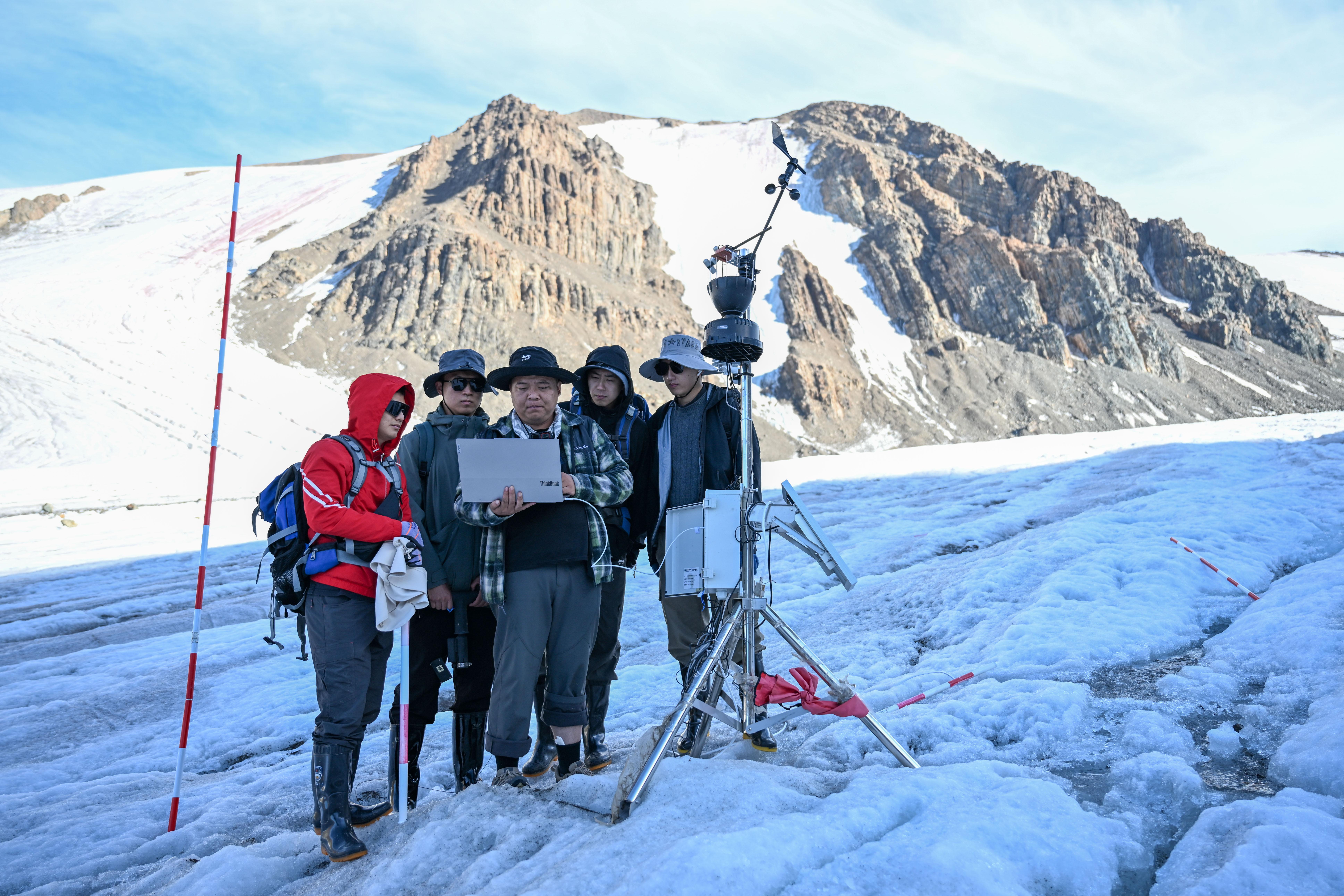
Tailored to meteorological disaster prevention and mitigation as well as socioeconomic advancement, the plan supports the modernization of both meteorological technology and public weather services by optimizing observation layouts, strengthening overall resource coordination, and improving operational coordination and service capacity.
The specific targets are:
●Raising the monitoring coverage rate of meteorological disasters to 85 percent;
●Improving the accuracy of severe convective weather identification;
●Extending the lead time for localized severe weather warnings to over 50 minutes;
●Boosting the accuracy of observational data to 98 percent, alongside upgrades in observation data quality, equipment maintenance and meteorological control.
Over the next five years, the development of the comprehensive meteorological observation system will shift toward a more application-driven model. Observation coverage will expand beyond atmospheric conditions to include multi-sphere Earth system sensing, with a stronger focus on disaster reduction, climate adaptation, and industry-specific services. A key priority is accelerating the translation of raw data into actionable monitoring products and service-oriented information.
To address long-standing challenges, such as scattered construction, inconsistent technical standards, and insufficient data sharing among meteorological observation facilities run by different departments and sectors, the plan introduces five unifying principles. They cover layout, technical specifications, data reporting, maintenance protocols and resource sharing. This is intended to create a coordinated, cross-sector framework for meteorological observation.
Existing facilities will be consolidated, and new-build projects planned under a unified approach to make better use of observation sites, communication links and auxiliary infrastructure. The plan also promotes greater cross-departmental aggregation and integration of observational data.
To construct a monitoring-station network, weak links will be addressed, capacity upgraded, and inter-department collaboration fostered.
To better respond to high-impact weather, including heavy rain, severe convection, flash floods and geological hazards, the deployment of radars, ground-based, upper-air and vertical observation installations will be optimized. Three-dimensional monitoring will be reinforced in priority zones, key river basins and disaster-prone regions.
Besides, climate and multi-sphere observation networks will be upgraded to support climate change research and ecological security. Customized professional meteorological observation capabilities will be developed to meet the needs of agriculture, transport, inland waterway shipping, the low-altitude economy and the new-energy sector.