

U.S. Drone Ban Plan Meets Overwhelming Public Opposition
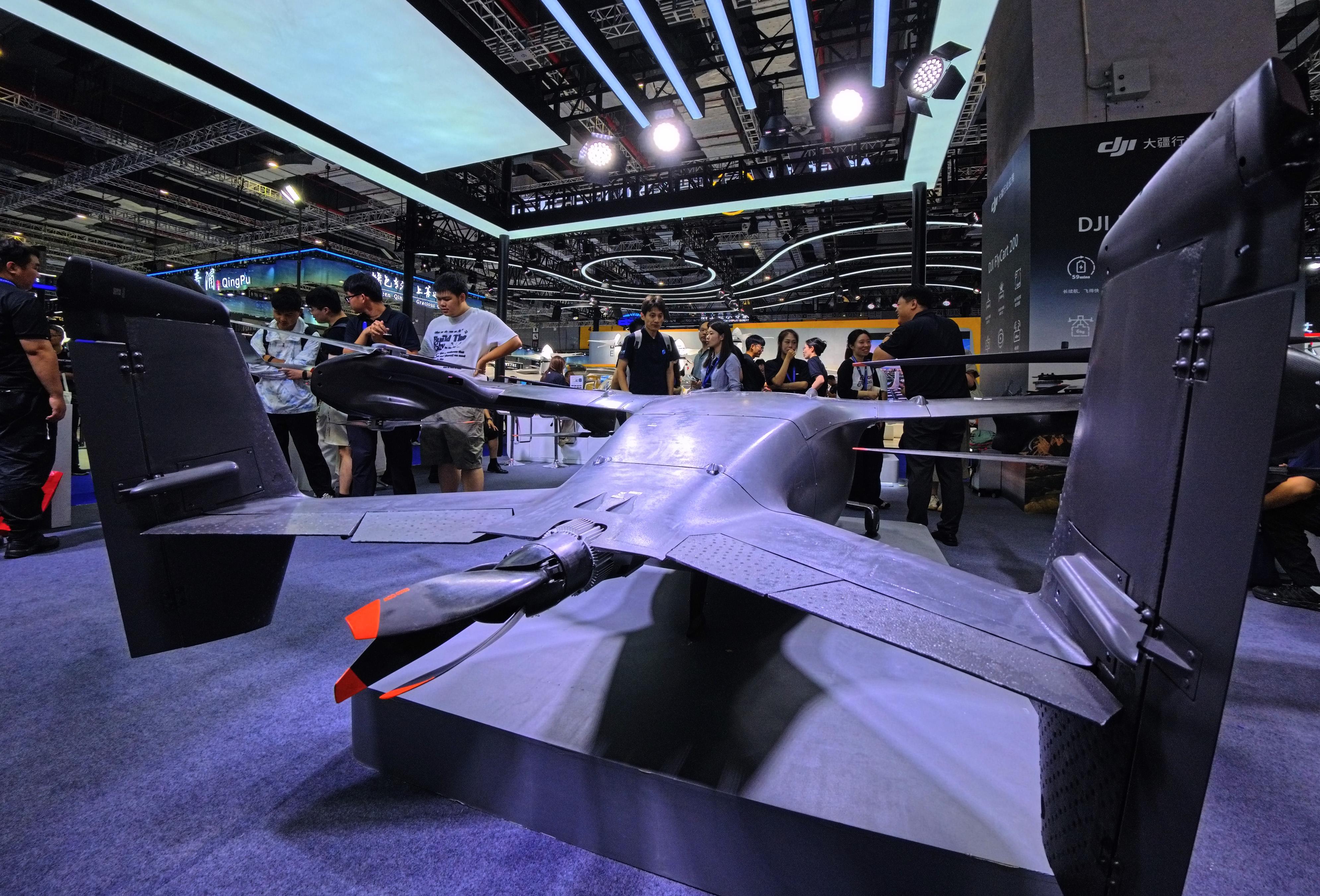
The U.S. Federal Communications Commission (FCC) on July 21 proposed prohibiting the import and marketing of foreign-made "military-grade" drones, citing "unacceptable risks to the national security of the United States" and opened the proposal to public comment. The comment period closed on September 2.
Recently, U.S. drone industry news outlet DroneXL, citing data compiled by the prominent U.S. drone training organization Pilot Institute, reported that the FCC received 3,829 comments, of which 3,824 contained readable text. Over 98 percent of them opposed the proposal, while only 16 supported it — comprising a trade group, two venture investors, a think tank and a handful of domestic manufacturers that compete with the aircraft targeted.
The overwhelming opposition stems from the fact that the FCC's proposal effectively labels ordinary civilian drones as "military-grade" and imposes sweeping import restrictions under the broad banner of national security. Under the FCC's proposed definition, drones equipped with thermal imaging sensors or LiDAR, "docking stations", agricultural spraying equipment, or swarming capabilities would fall into the "military-grade" category.
This is clearly absurd because many civilian drones already have these features and capabilities. LiDAR, for example, has become a standard feature on drones equipped with obstacle-avoidance systems, while thermal imaging is indispensable for many search-and-rescue operations.
According to Pilot Institute, 1,584 comments questioned whether the FCC's definition of "military-grade" drones was appropriate. Of these, 1,575 said the definition was overly broad, while 1,148 pointed out that thermal imaging and LiDAR are ordinary commercial sensors.
According to DroneXL, the FCC's proposal appears to include every drone currently manufactured by Chinese company DJI. In fact, this may be the real purpose behind the FCC's proposal: to escalate efforts to restrict and suppress Chinese drone manufacturers.
Chinese drones have a dominant position in the U.S. consumer, commercial and government drone markets. DJI-manufactured drones comprise more than 96 percent of detected platforms in the U.S. National Airspace System, according to the U.S. Alliance for System Safety of UAS through Research Excellence 2025 annual report.
In December 2025, the FCC added foreign-made drones and critical components to its "Covered List", effectively preventing new models from receiving its authorization. While it allowed models that had already been authorized to remain on the market, the current proposal, however, explicitly targets equipment that had been "previously authorized", potentially closing that "loophole" as well.
Restricting imports of Chinese drones would come at a substantial cost to the U.S. economy and public safety. The American public have not hidden their concerns in the submitted comments.
In its request for comment, the FCC concluded that the proposal's economic impact would be "relatively minor and contained" and asked commenters whether they agreed. Of the 1,701 comments that addressed the question, 1,686 said the proposal would cause serious economic harm.
Pilot Institute put the issue bluntly, describing foreign-made drones as the "operating base of the American civil drone economy." According to DroneXL, the American Drone Data Protection Coalition estimates that replacing DJI drones registered in the United States in 2023 alone would cost an additional 1.12 billion USD.
On public safety, 598 comments raised concerns about search-and-rescue or firefighting capabilities, with 513 stating that the proposal would lead to casualties in emergency response operations.
Kyle Nordfors, UAS chair of the U.S. Mountain Rescue Association and drone coordinator for Weber County Search and Rescue in Utah, said thanks to the super capable and affordable platforms like DJI and Autel, "we are saving countless American lives". He argued that the FCC's proposal would take life-saving tools away from public-safety personnel and put more American lives at risk.
Nordfors emphasized that U.S.-made drones simply cannot meet all the functional requirements that search-and-rescue personnel need to perform their missions — they deliver less than half the performance of DJI products, yet cost three to eight times as much.
The public comments demonstrate that the FCC's crackdown on Chinese drones is deeply unpopular. Whether for ordinary American drone enthusiasts, commercial aerial photography and performance companies, or even public safety agencies that rely on drones to save lives, Chinese drones are cost-effective, high-quality tools and indispensable "good helpers". The FCC should heed public opinion, abandon the proposal as soon as possible, and stop doubling down on a misguided course of action.