
‘China Understands That Science Matters for Development’
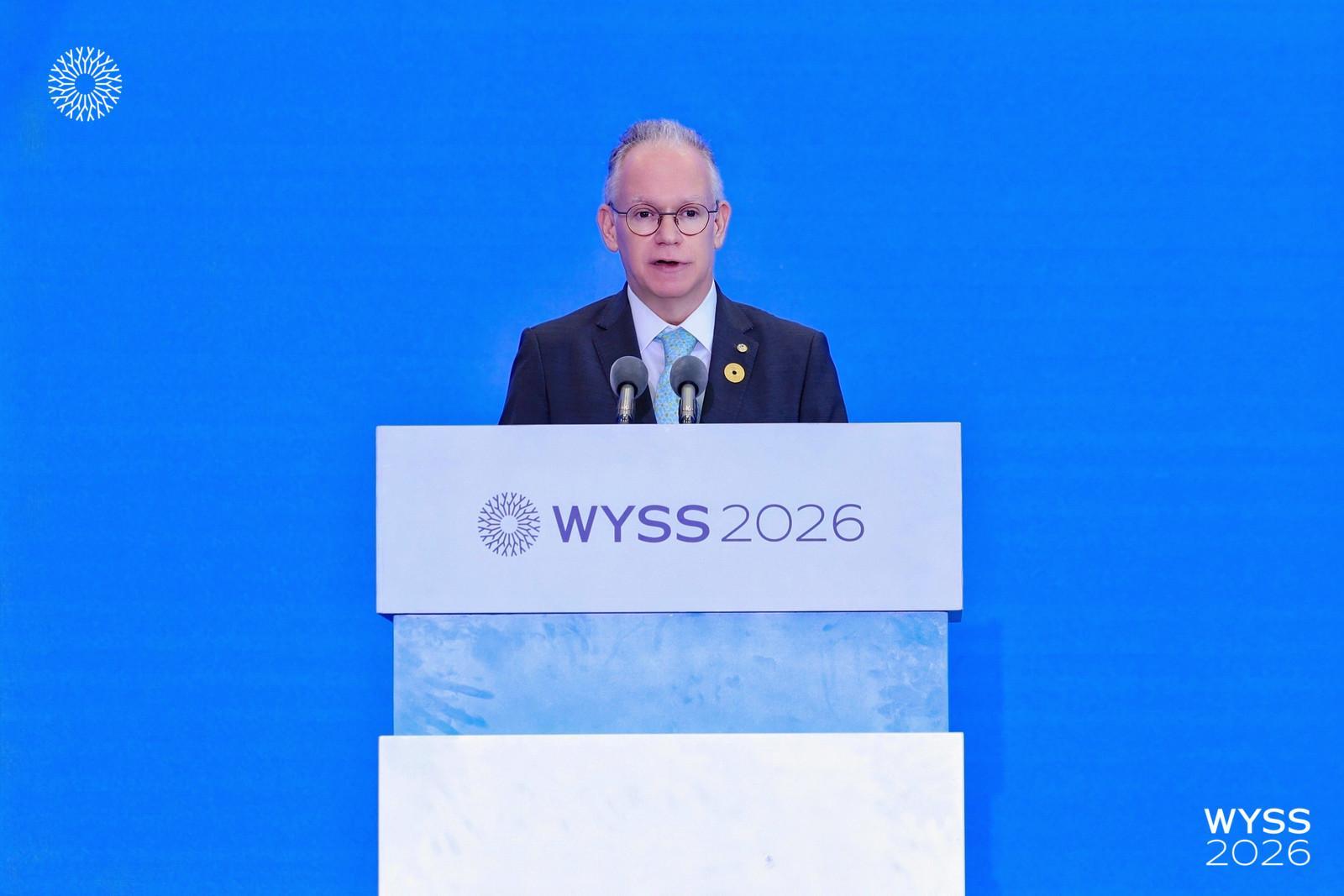
"China is a place that understands the importance of science for development." Marcelo Knobel, executive director of The World Academy of Sciences (TWAS), said in an interview with Science and Technology Daily on the sidelines of the World Young Scientist Summit.
Knobel's organization represents a concrete need. Many developing countries lack good microscopes, synchrotron sources and advanced laboratories, limiting their researchers' ability to participate in global science. Young researchers need not only doctoral and postdoctoral opportunities but also access to equipment and infrastructure. "The core need is for both sides to work under equal conditions, with truly equal opportunities, and to advance science fairly," Knobel said.
China has long been working in this direction. In November 2024, China, Brazil, South Africa and the African Union jointly launched the Initiative on International Cooperation in Open Science. "China has made clear that collaboration is the way to go, and real collaboration requires real open science," Knobel said.
Commercial platforms claiming to be open science charge publication fees that many Global South scientists cannot afford; real openness means free journals, data repositories and platforms where complex data can be analyzed by more people. He noted that China is promoting more journals, building more data repositories and sharing data with different partners.
Knobel, who visited the Oujiang Laboratory in Wenzhou, which works on neuroscience and regenerative medicine, was impressed by its infrastructure and investment in talent. He felt the laboratory clearly needs more people working there.
TWAS has a long-standing cooperation with the Chinese Academy of Sciences, including six centers of excellence on sustainable development, and provides 40 scholarships for doctoral students from the Global South to study at the University of Chinese Academy of Sciences. During this trip, Knobel signed an agreement with the China Association for Science and Technology to support up to 100 visits by young researchers to China. "This is new and a big step forward, but we can do more," he said. The arrangements build on a network of more than 60,000 researchers from the Global South.
Knobel wants the cooperation to be two-way. "We also want a counterpart arrangement, with Chinese researchers going to different places and collaborating," he said. He had proposed to the summit's leadership that TWAS help take scientists from Wenzhou to different places for more dialogues, including in Brazil, Italy and Africa, so that more people can learn about the opportunities here. "The diversity of cultures, the diversity of views and the possibility to see a problem from different perspectives are fundamental to develop science," he said.
In China, Knobel has seen “ good opportunities for doing good research” because “China is a good place when other places are closing their doors and not investing in science.”