

友情链接
- Copyright © Science and Technology Daily, All Rights Reserved
- 科技日报社 中国科技网 版权所有





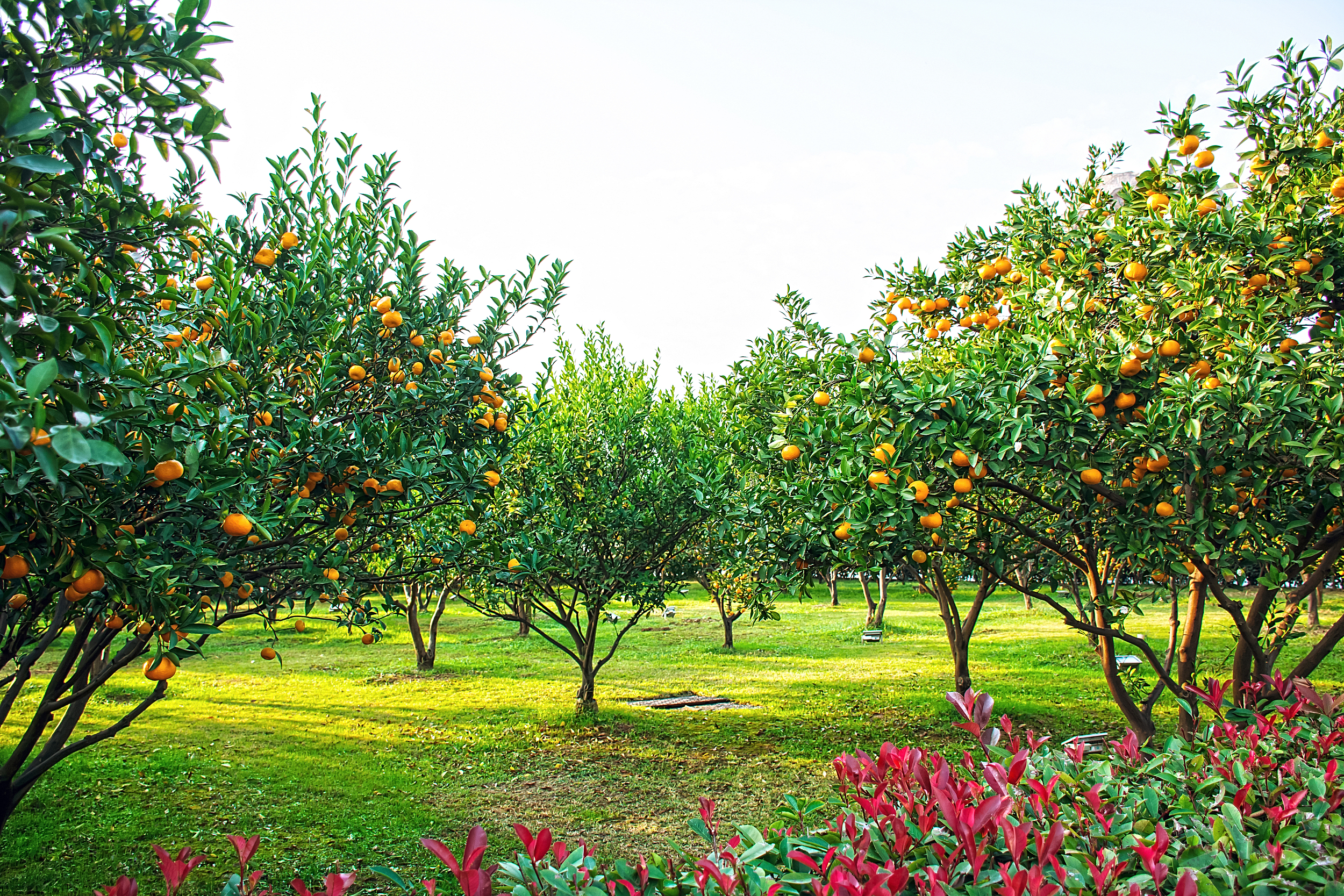
Citrus is a genus of flowering trees or shrubs in the Rutaceae family. Oranges, lemons, grapefruit, pomelos, and limes are all popular citrus fruits around the world for their rich nutritional content and aromatic fragrance.
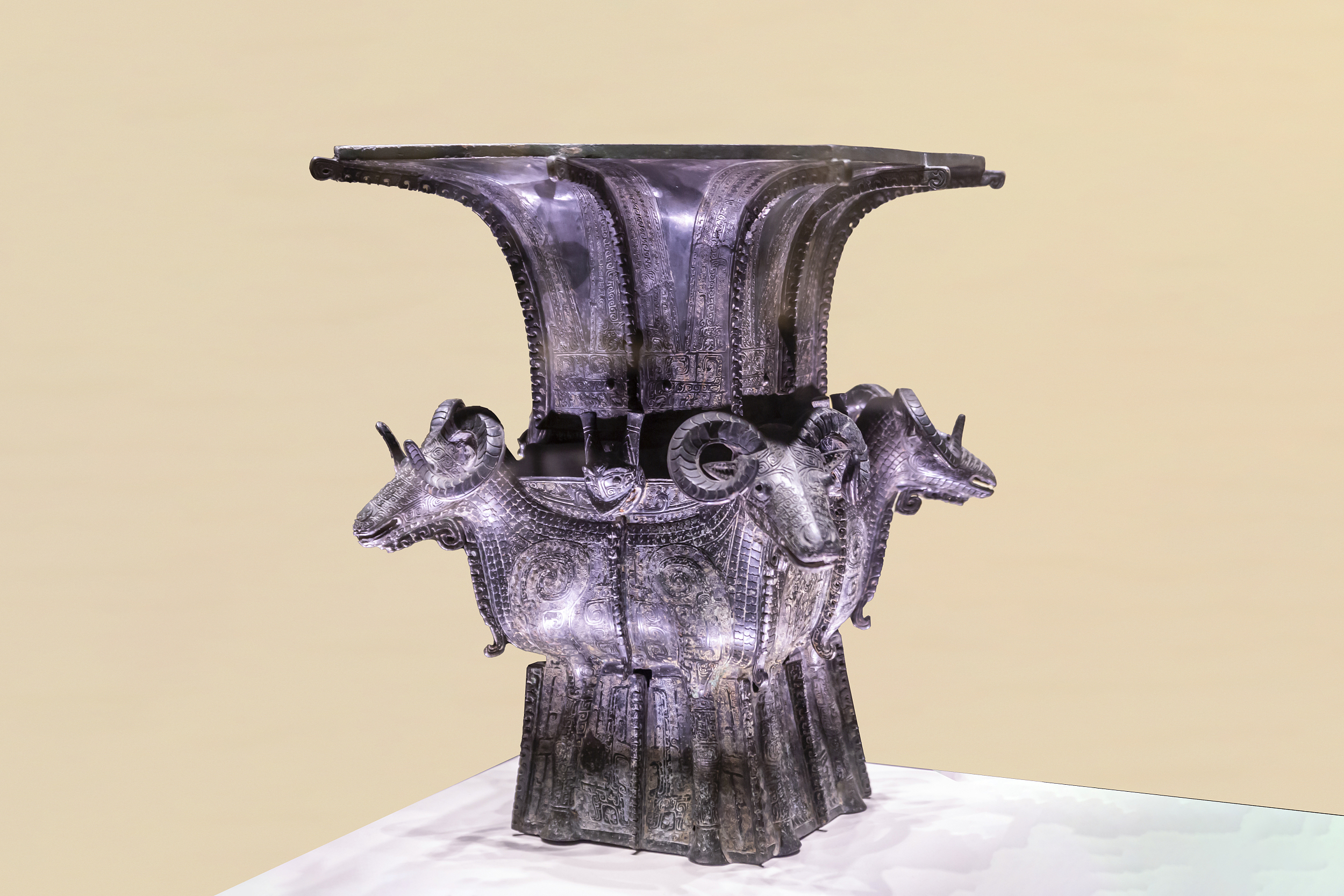
China has a rich history of over 5,000 years of artistic advancement and is the birthplace of one of the world's oldest civilizations. An important part of this advancement is that by 1100 BC, the Chinese had achieved a high level of artistic and technical excellence in bronze casting.
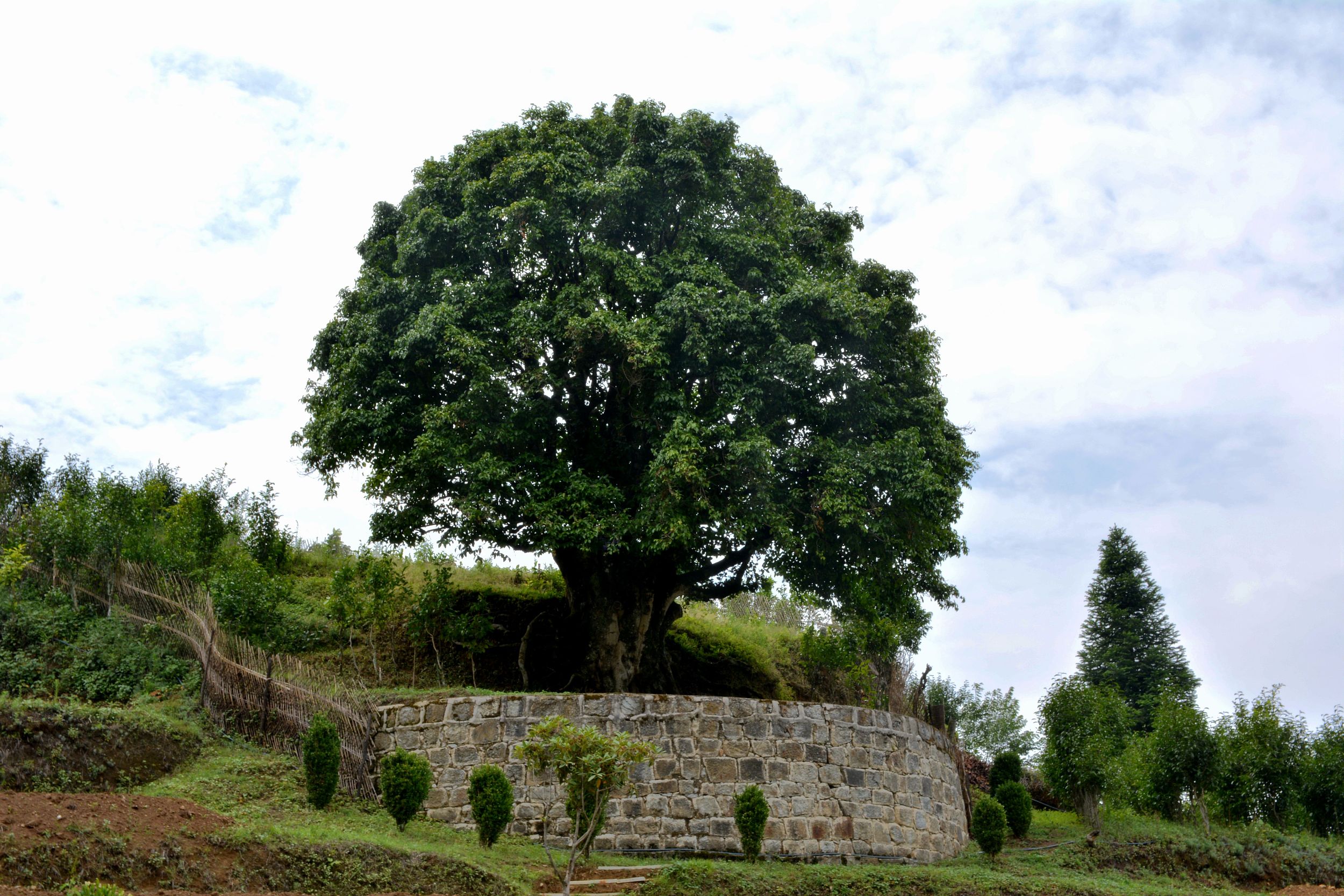
Tea is one of the most popular non-alcoholic beverages in the world. China is where tea originated, and the Chinese were the first people in the world to develop the habit of drinking tea.

Soybean, called "Shu" in ancient times, is one of the five traditional cereals in China, not only as a major edible oil crop but also an important source of plant protein. China is recognized as the origin of soybean domestication by domestic and foreign academics.
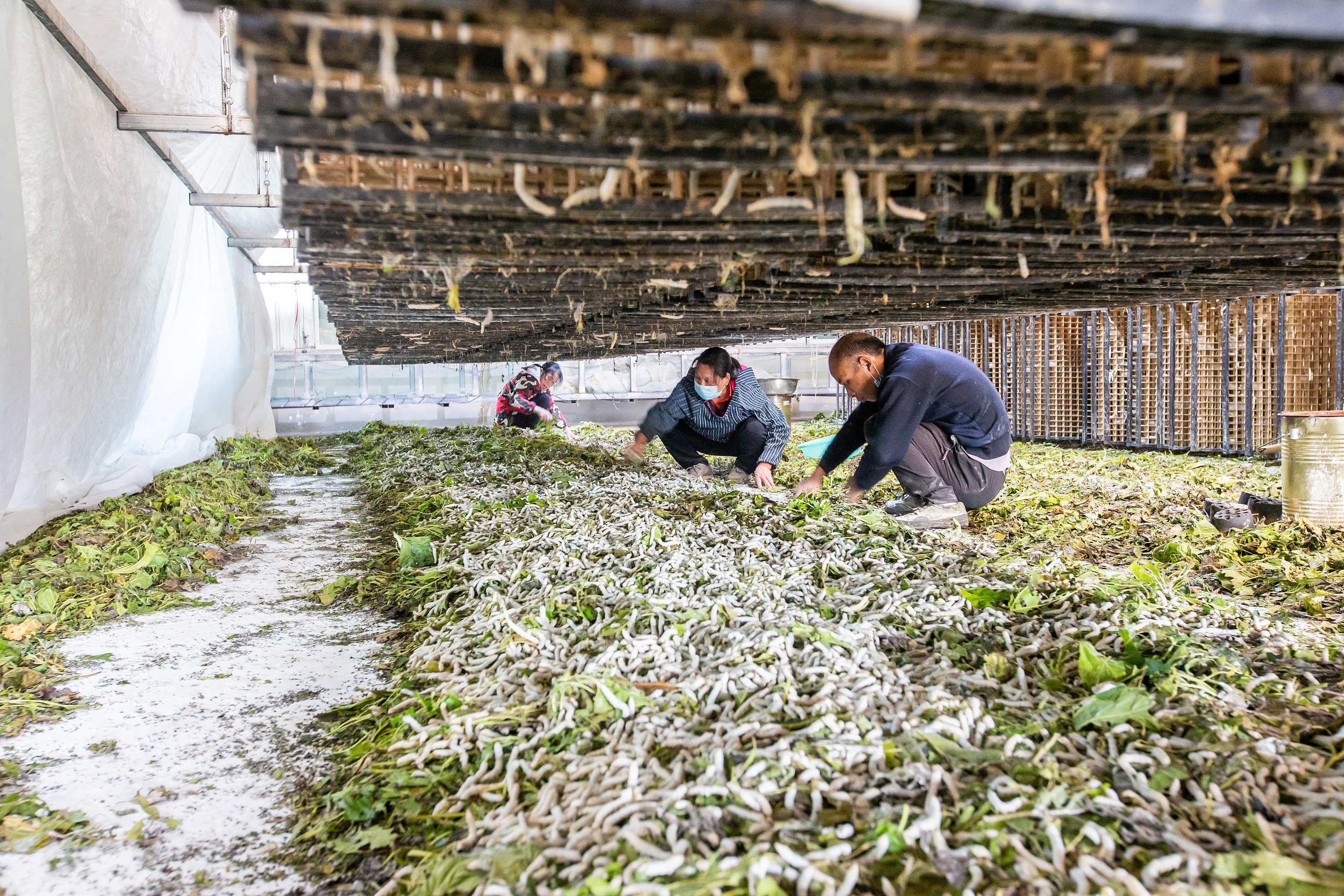
China is the first country in the world to raise silkworms and make silks. Before cotton was introduced to the Yangtze and Yellow River basins, silk was one of the main raw materials for clothing and quilts in ancient China, and silk weaving was an important material for economic exchanges in agricultural and pastoral areas.
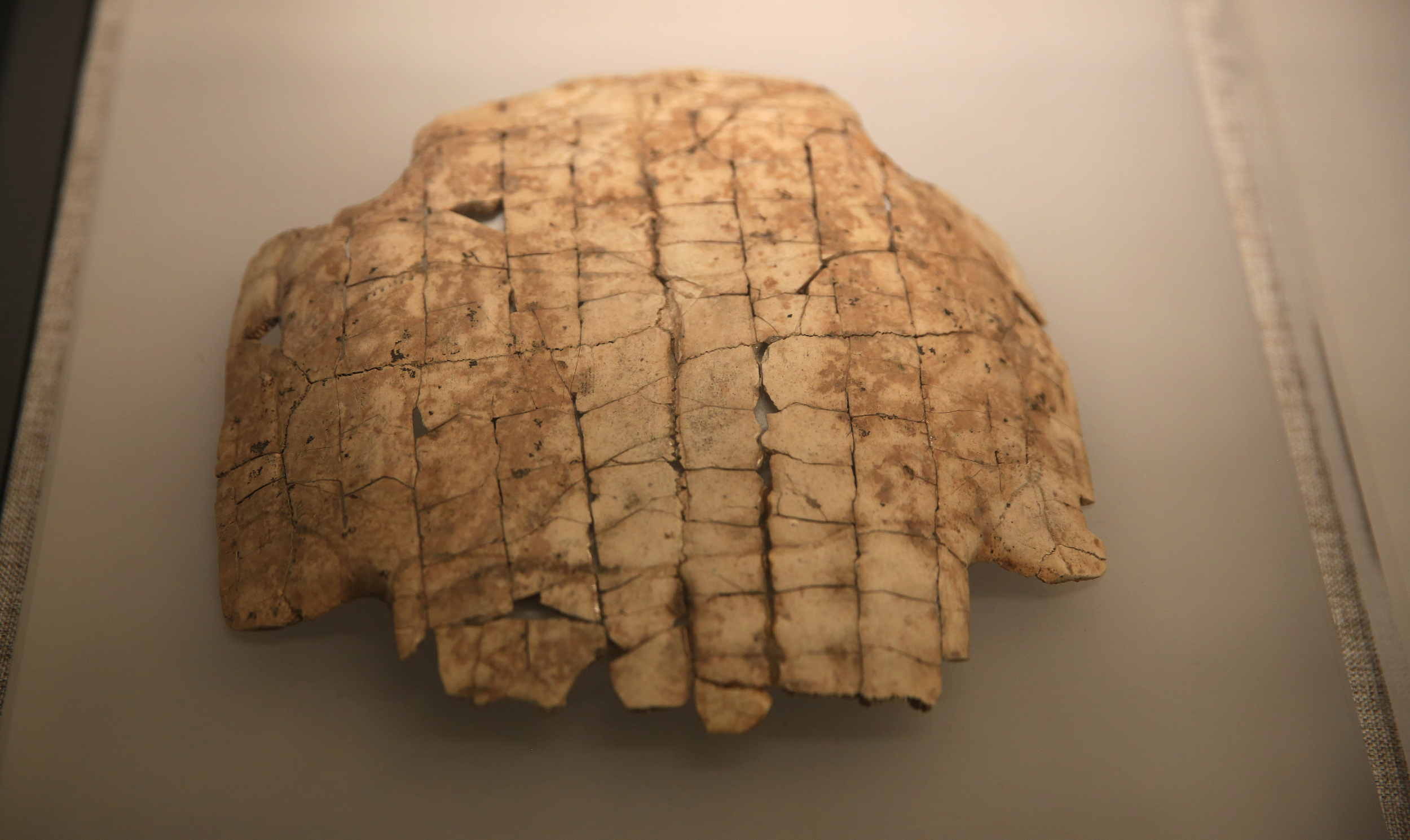
Oracle bone inscriptions are the oldest form of Chinese characters engraved on turtle shells or animal bones. They were used for divination and recording events in the late Shang Dynasty (1400-1100 B.C.) They are the earliest known systematic and mature writing in China and even East Asia.
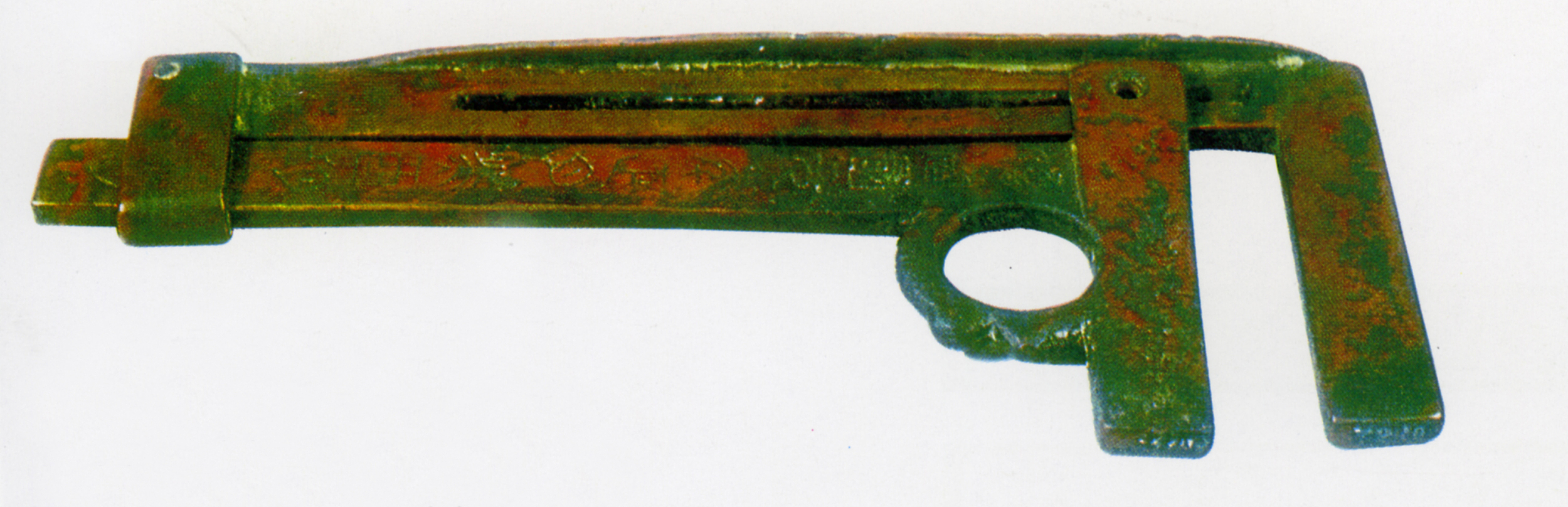
One of the priceless exhibits at the National Museum of China in Beijing is a 2,000-year-old caliper unearthed in an Eastern Han tomb in Hanjiang, a county in Jiangsu province, east China. Almost identical to the calipers used today, it was named the Wang Mang caliper after its inventor Wang Mang (45 BC-23 AD), who was the emperor of the nAew Han dynasty, as well as a reformer and statesman.
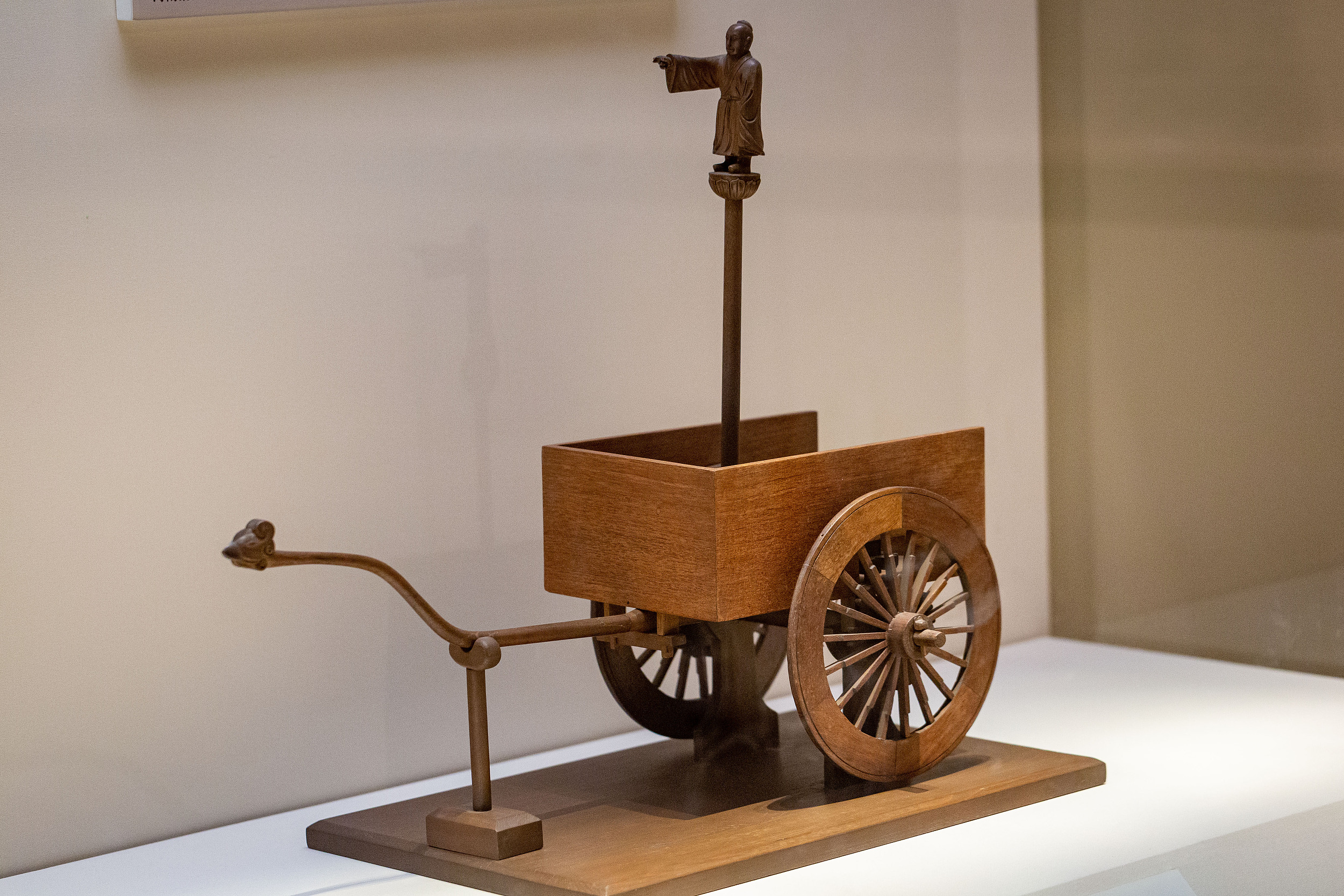
The southward-pointing cart was a historic mechanical device, which was invented and used earlier than the compass. More than five thousand years ago, ancient Chinese had utilized it to indicate direction.
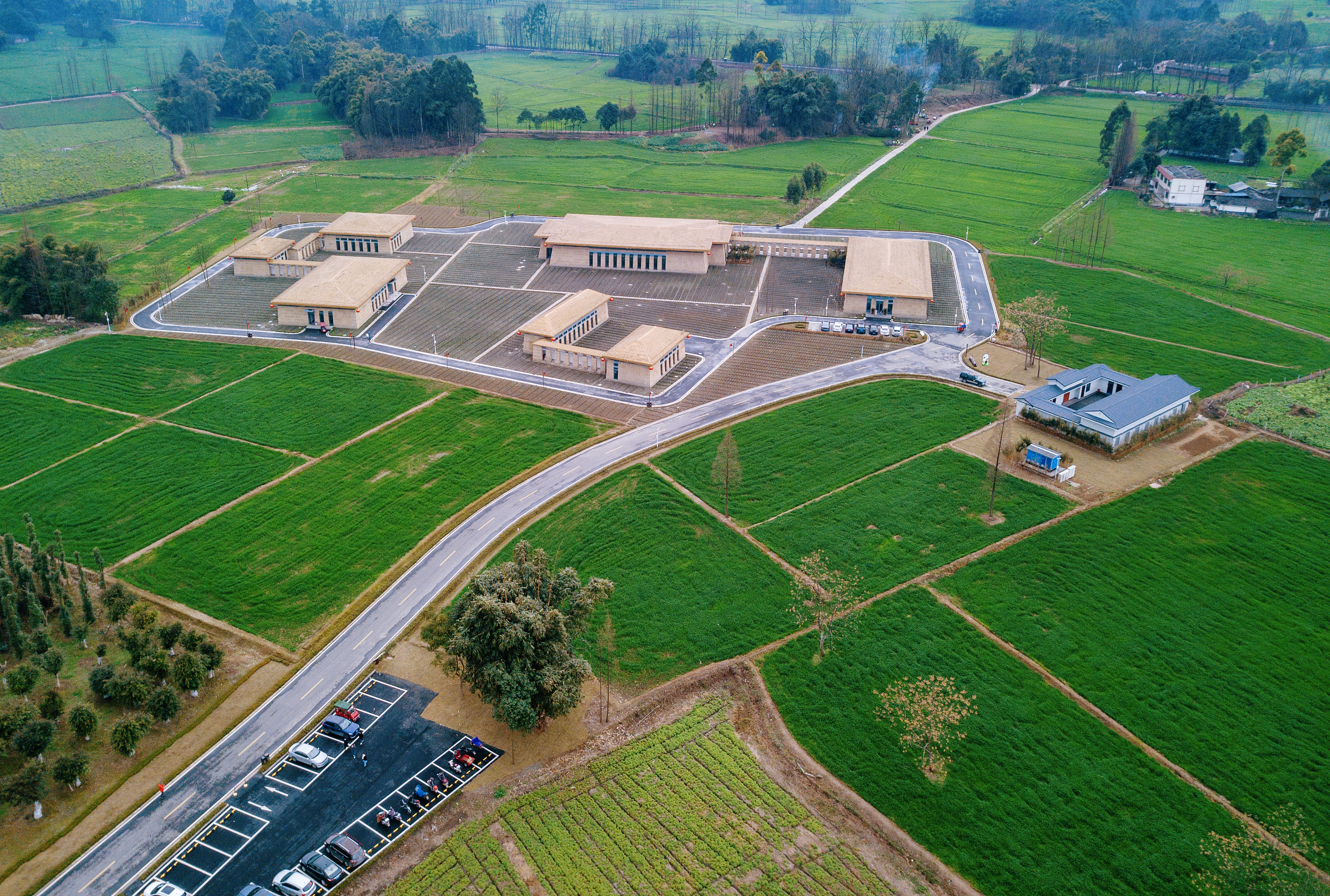
The Baodun Culture is a late Neolithic culture that developed in the Chengdu Plain in southwestern China and its adjacent region from 2500-1700 B.C.
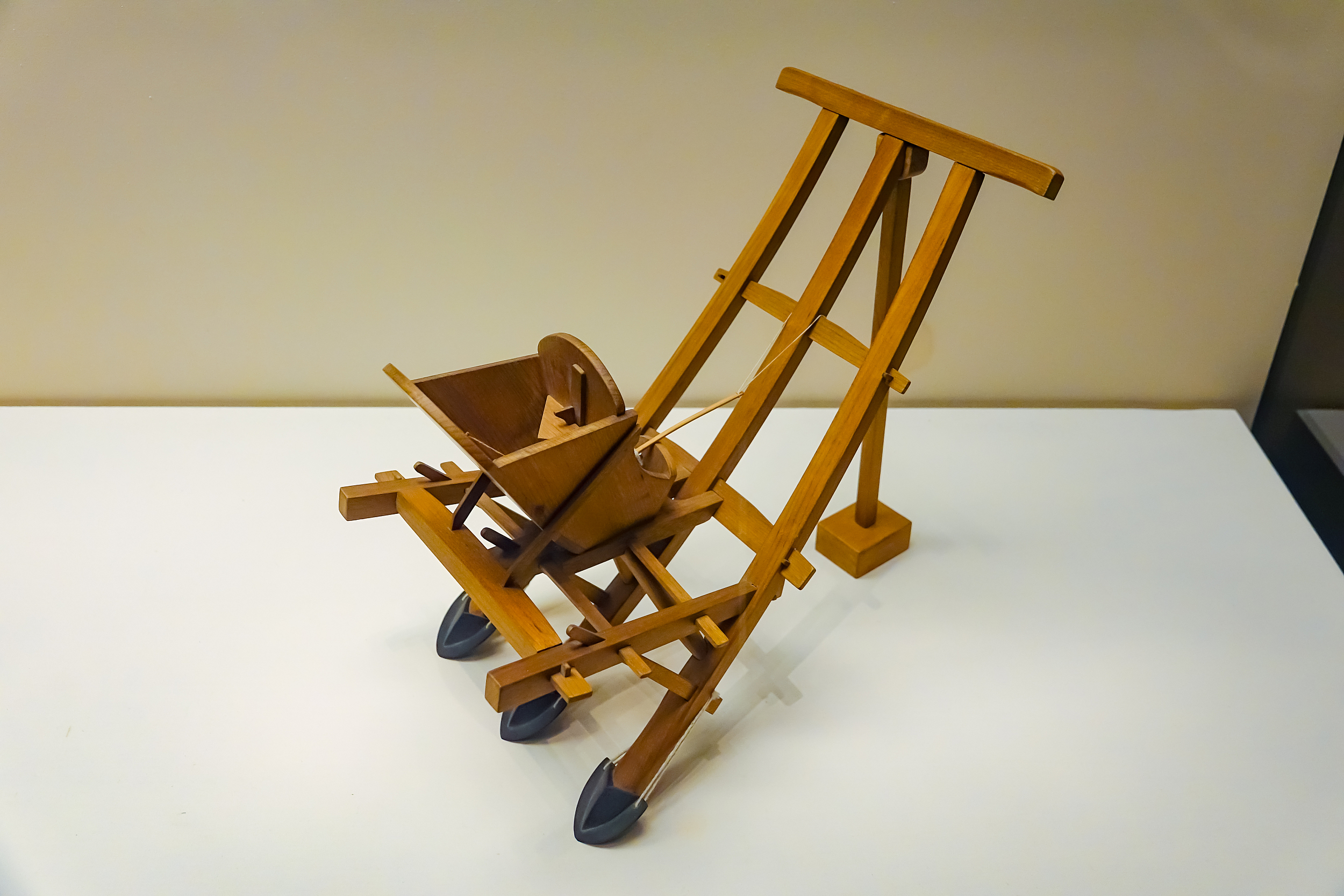
The louche, also known as a drill sowing vehicle, was a mobile animal-powered agricultural sowing machine invented by Zhao Guo, a Chinese agronomist and official in charge of agricultural production during the Han Dynasty (202 BC - 220 AC).
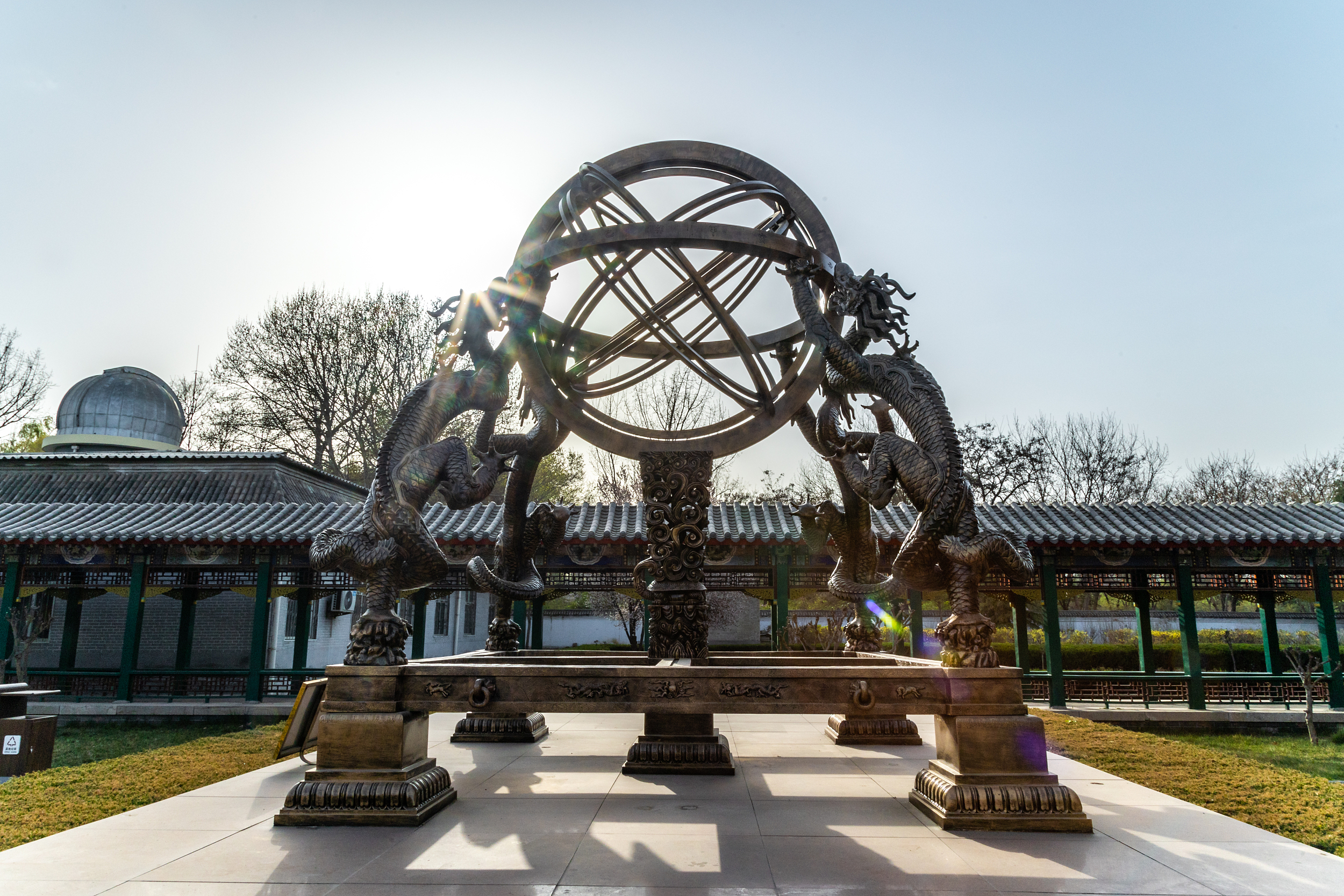
Hunyi (An armillary sphere) is an ancient Chinese astronomical instrument, which consists of a circular spherical frame centered on Earth or the Sun, representing the longitude and latitude of the celestial body and other astronomical features, such as the zodiac. The Chinese armillary sphere, based on the Armillary Theory, is the symbol of ancient Chinese astronomy.
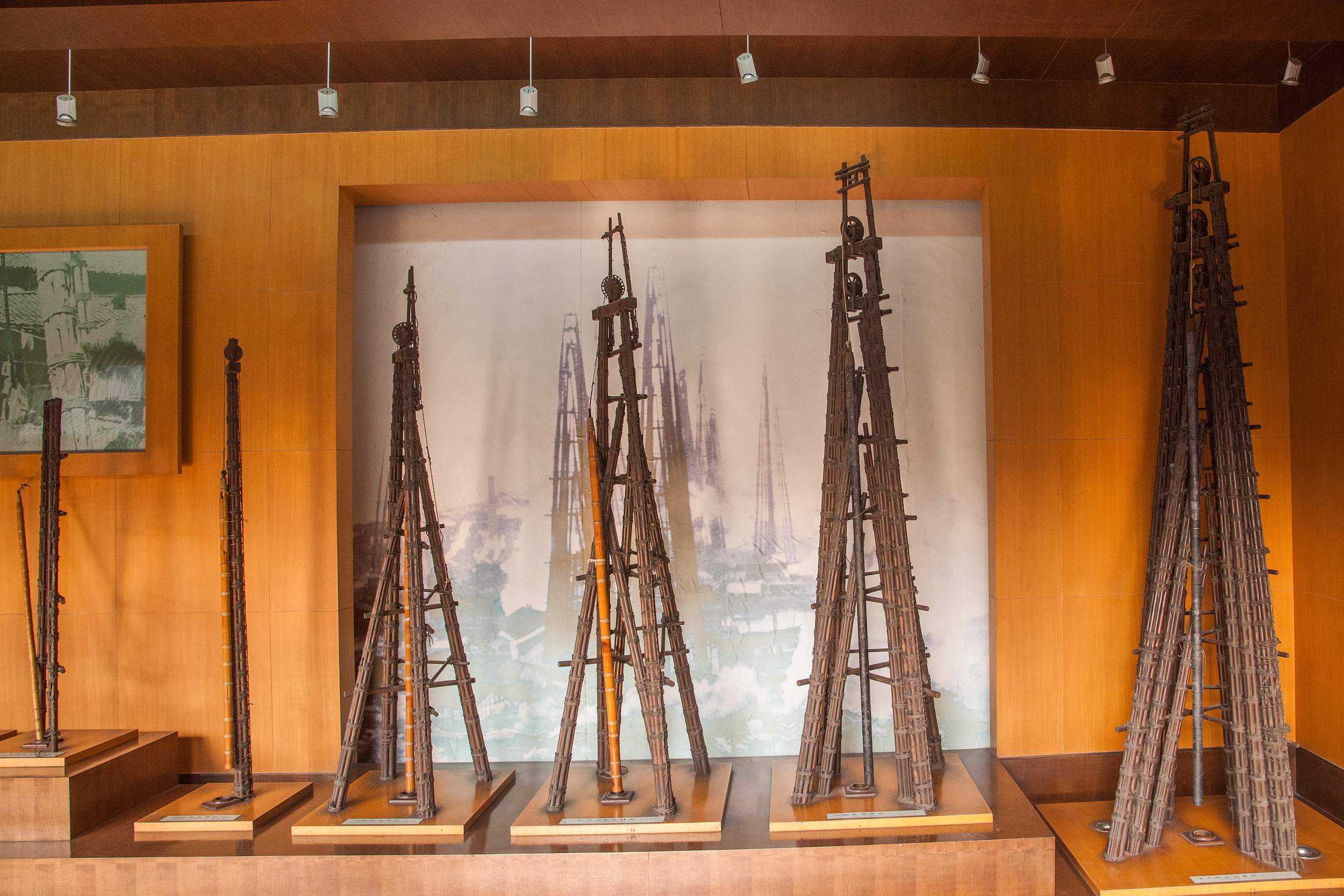
The percussion drill, a large type of rotary drill with an impact mechanism that produces a hammering motion, was invented by Chinese during the Eastern Han Dynasty.
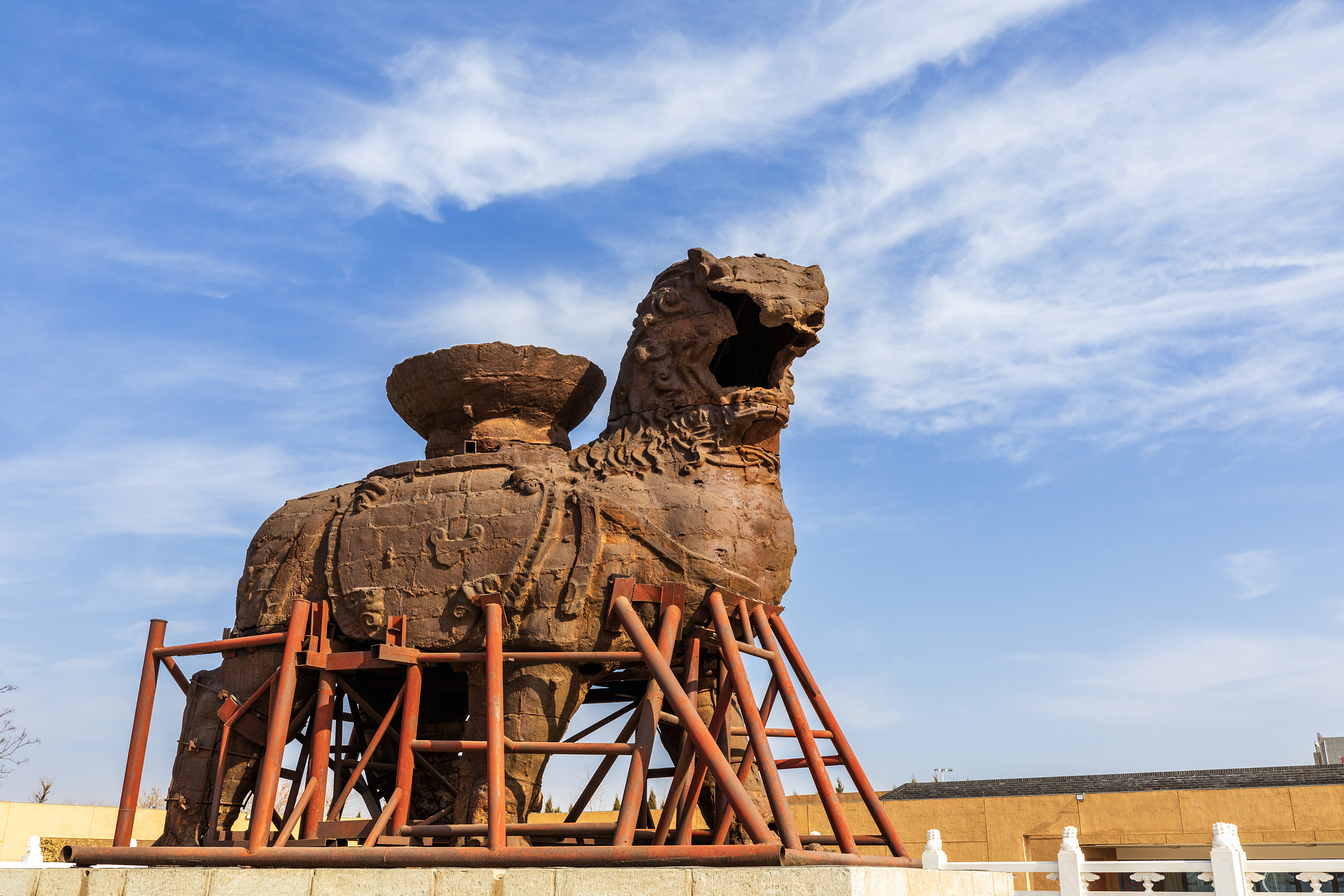
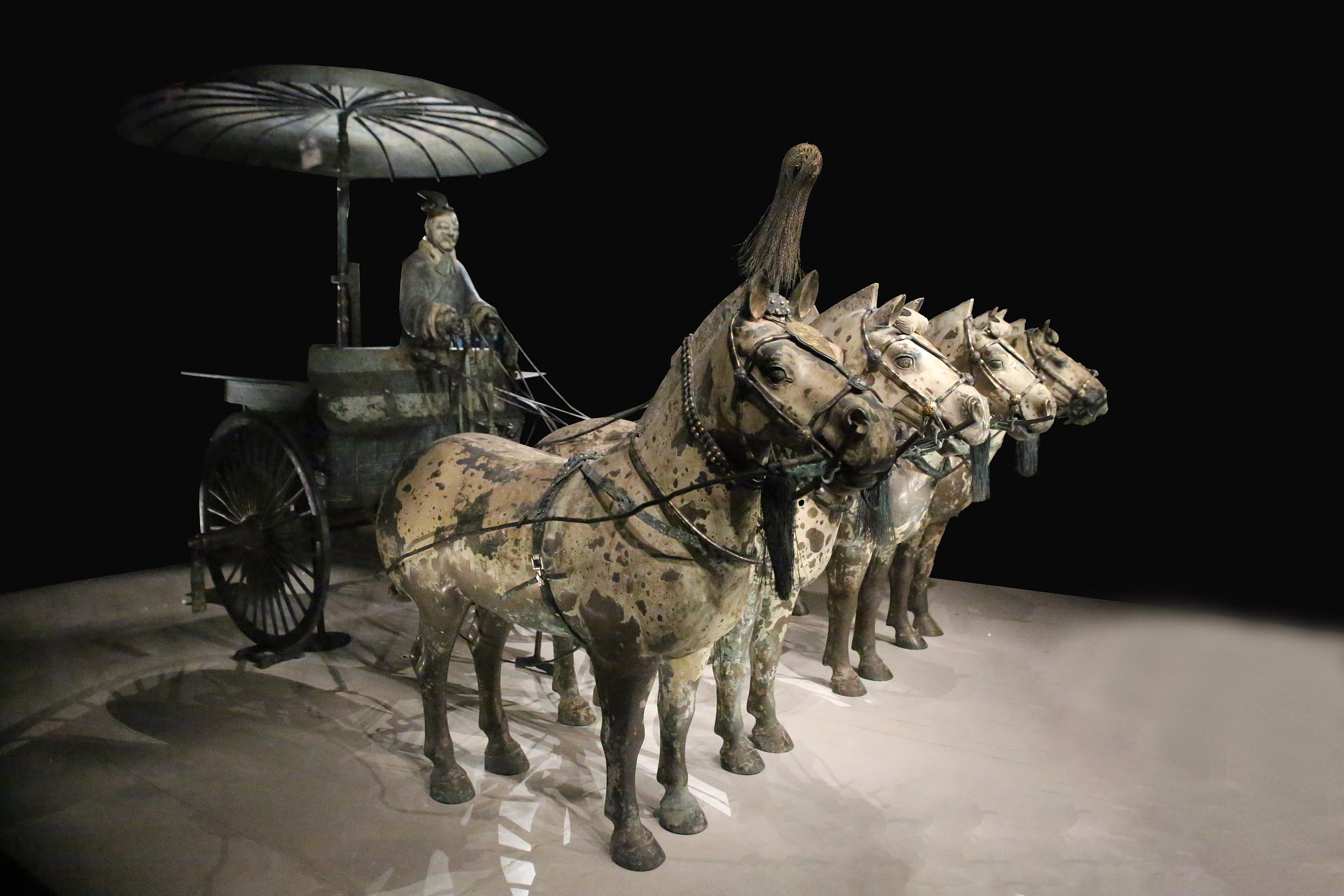
The Qin bronze chariots refer to two sets of large painted bronze models of chariots and horses, and their carriages, excavated in 1980 from the mausoleum of the first Qin emperor, Qin Shi Huang (247-220 BC), in Lintong, Shaanxi province.

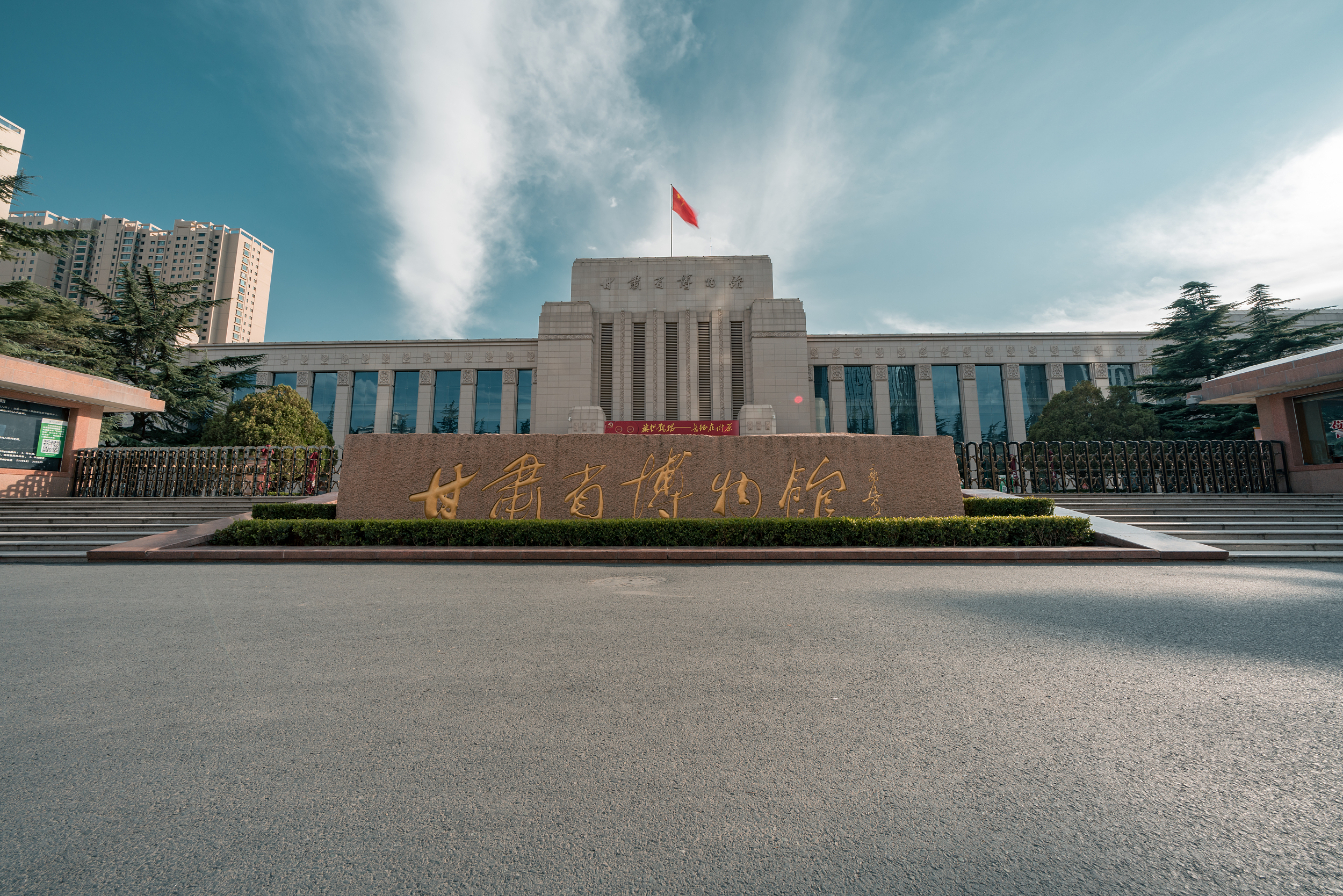
A Warring States Period Qin tripod-shaped bronze lamp was unearthed in 1974 in Pingliang, Gansu province, an important part of the Silk Road. The lamp is now on display in the Gansu Provincial Museum because of its unique scientific and historical value.

Chinese President Xi Jinping has sent a congratulatory letter to the Science and Technology Daily on the occasion of the 40th anniversary of its founding.
The 2026 Pujiang Innovation Forum wrapped up in Shanghai on September 14. South Africa featured as the Country of Honor this year.