
Enhancing Intelligent Transformation of Public Cultural Services
China's Ministry of Culture and Tourism recently issued the 15th Five-Year Plan (2026-2030) for the development of the public cultural service, focusing on five key areas including reform-driven quality and efficiency improvements and the digital-intelligent upgrading of public cultural services, with 18 key projects listed.
By 2030, the digital and intelligent construction of public cultural services will reach a new level, with richer digital resources and faster adoption of new smart service applications and scenarios.
Three key tasks are deployed to enhance the digital and intelligent level of public cultural services.
Building digital infrastructure for public culture
The plan calls for continued development of the national smart library system and the national public culture cloud platform to consolidate the core platforms of the country's public cultural digital infrastructure.
Regional digital service platforms will be integrated under unified standards and connected with national-level platforms to achieve interoperability. Digital facility construction will be incorporated into new infrastructure development, delivering integrated, one-stop platform services featuring region-wide sharing and coordinated operations.
Enriching public cultural digital resources
A three-tiered co-building network for public cultural digital resources at the national, provincial and municipal levels will be formed for co-constructing public cultural digital resources, advancing the digital collection, processing and transformation of China's excellent traditional culture.
The plan calls for building resource repository clusters for nationwide reading and arts education, developing diverse formats including micro-videos, massive open online courses, animation, audiobooks, digital exhibitions, digital cultural creations and interactive applications, and promoting the orderly opening, sharing and circulation of digital resources. Social forces are encouraged to develop these resources creatively through competitions, project cooperation and rewards.
Expanding new smart service applications and scenarios
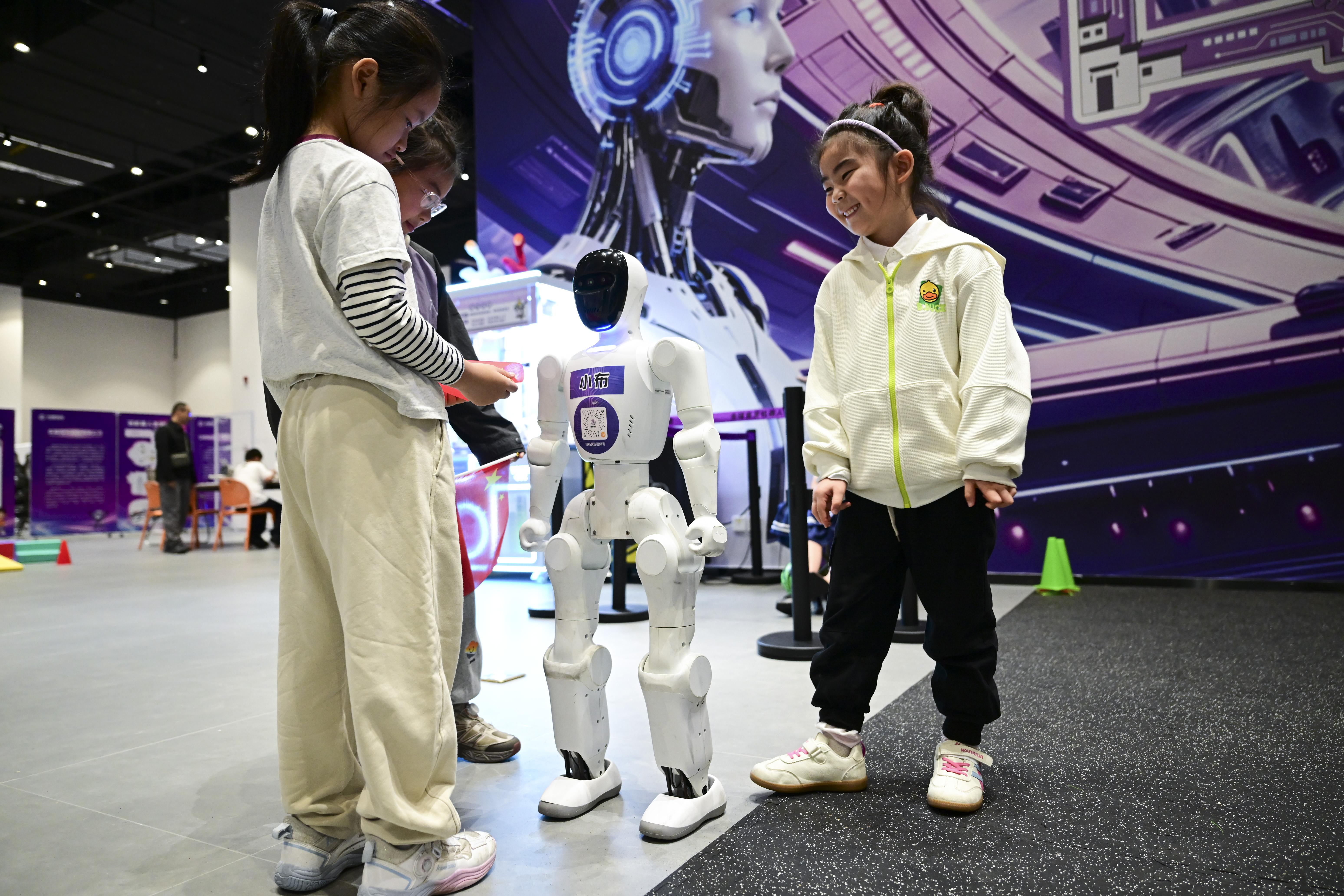
The plan aims to build digital service mechanisms covering urban and rural areas with optimized "one-stop" functions, create immersive digital cultural experience spaces, and expand applications of frontier technologies such as virtual reality, digital twins and AI.
AI will be used to empower the creation of content featuring Chinese cultural elements and symbols, while high-quality datasets and specialized large models will be developed in the public cultural field.
The plan also calls for accelerating the smart transformation of public libraries, deepening the application of AI and other information technologies, and strengthening public culture cloud construction.
Mass cultural creation and activities will be guided toward deeper integration with AI, online audiovisual and other technologies. Digital cultural resources will be extended to cover border and ethnic minority regions.