
友情链接
- Copyright © Science and Technology Daily, All Rights Reserved
- 科技日报社 中国科技网 版权所有


Xinjiang Uygur autonomous region, lying in the foothills of the Tianshan Mountains in north China, is charting a path of modernization that reflects China's vision for high-quality development.
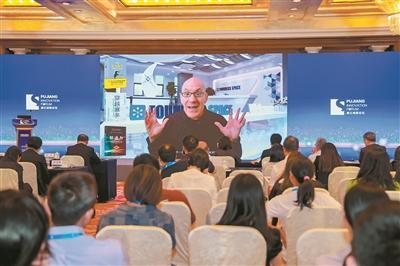
The Innovation Culture Forum was a highlight of the 2025 Pujiang Innovation Forum for its timely discussion on the role of culture in technological advancement.
The breeding of this new corn variety is a microcosm of the innovation in BAAFS' efforts to develop the seed industry. Over the years, it has made breakthroughs in breeding staple grains, vegetables, fruits and aquatic products. Today, many of its achievements are leading global seed breeding standards, enriching people's diets and safeguarding food security.
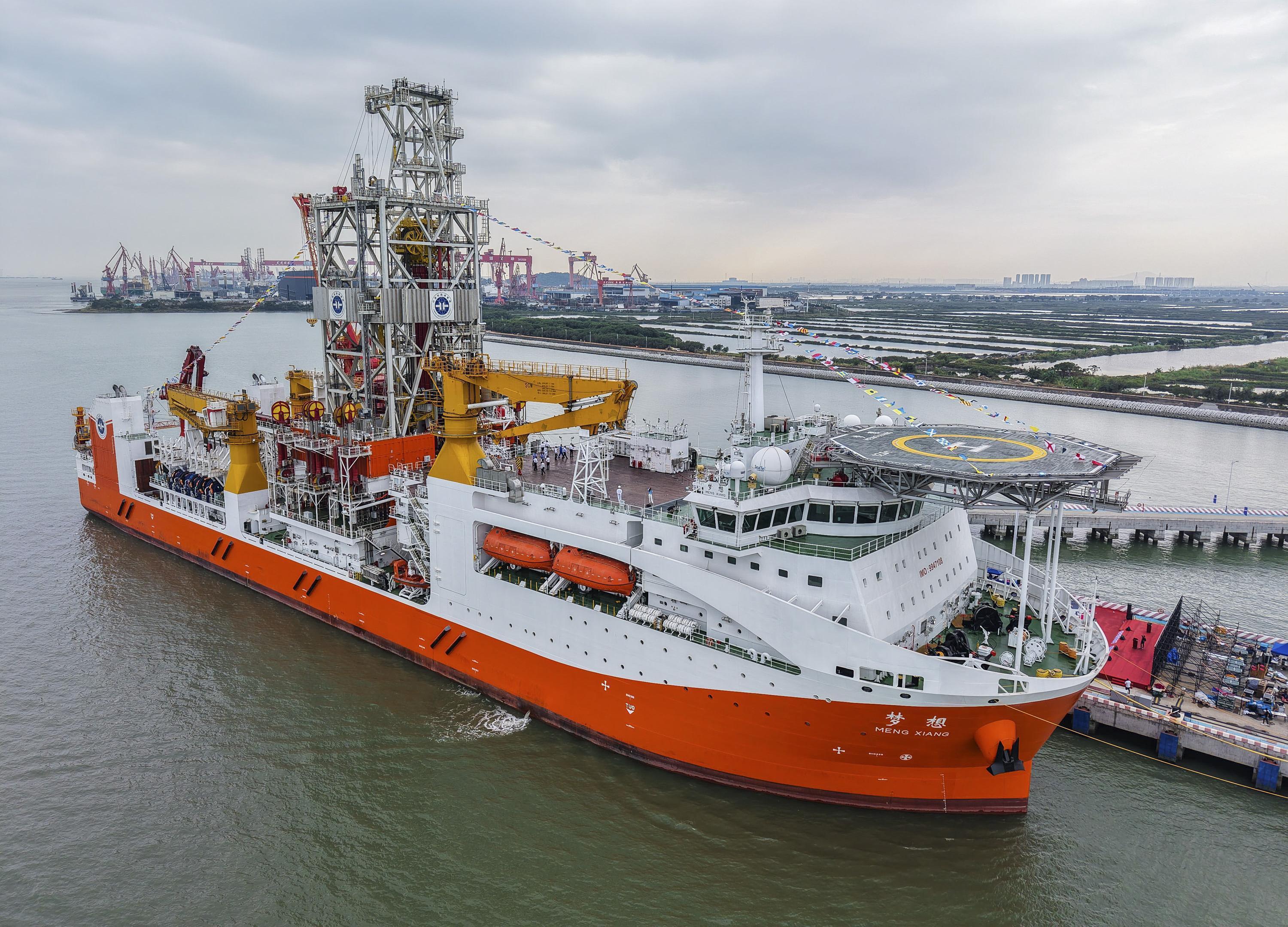
During the 14th Five-Year Plan period (2021–2025), China has intensified efforts to tackle key core technologies and apply research outcomes, leveraging innovation to lead the development of new quality productive forces. These efforts have yielded tangible results in upgrading traditional industries, boosting emerging sectors, and laying a solid foundation for future industries, said Yin Hejun, Minister of Science and Technology, at a press conference held by the State Council Information Office on Thursday.

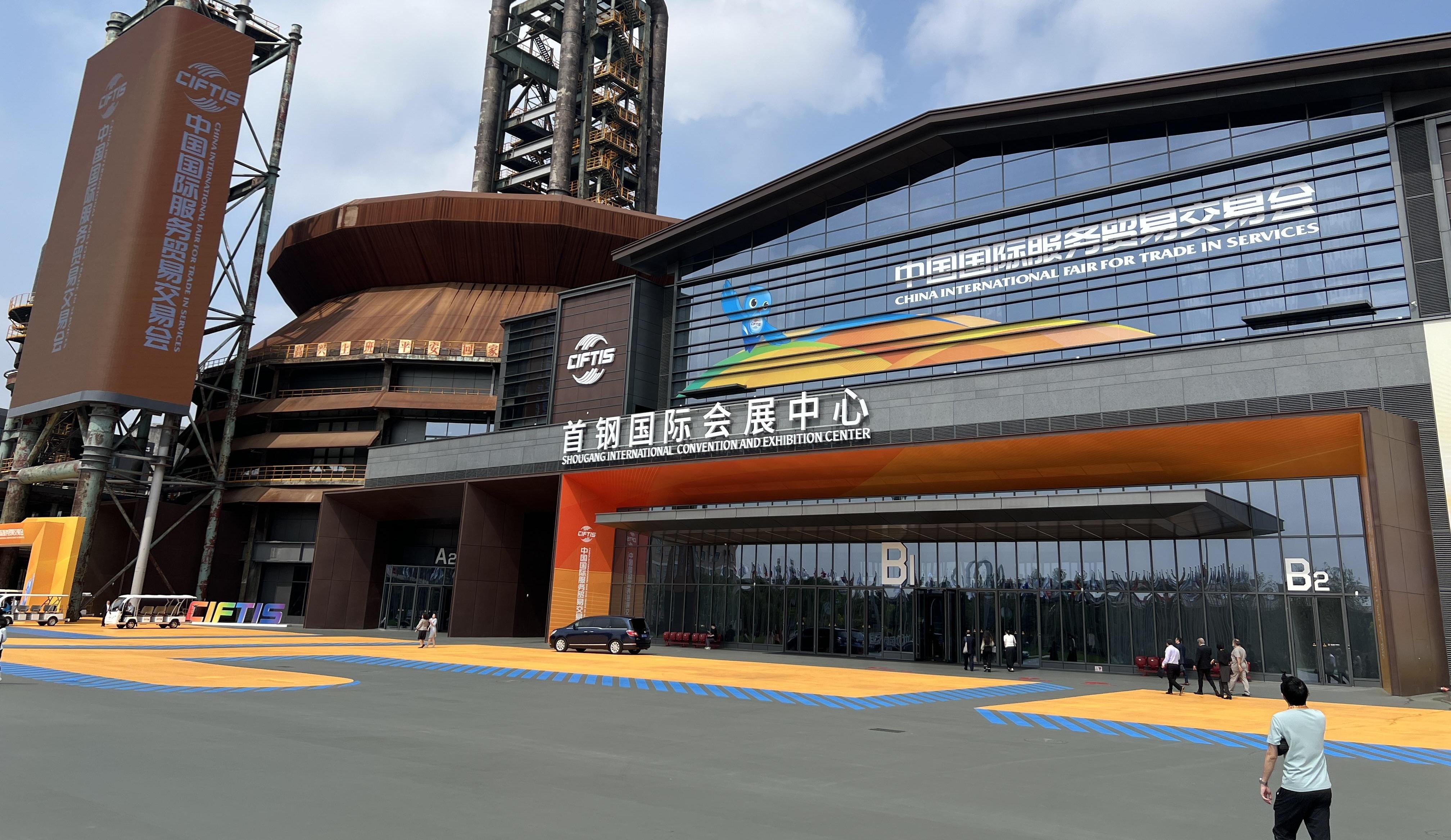
Held in Beijing's Shougang Park, a transformed industrial area, this year's CIFTIS, as always, is a grand international gathering, with more than 80 countries and international organizations exhibiting or holding events.
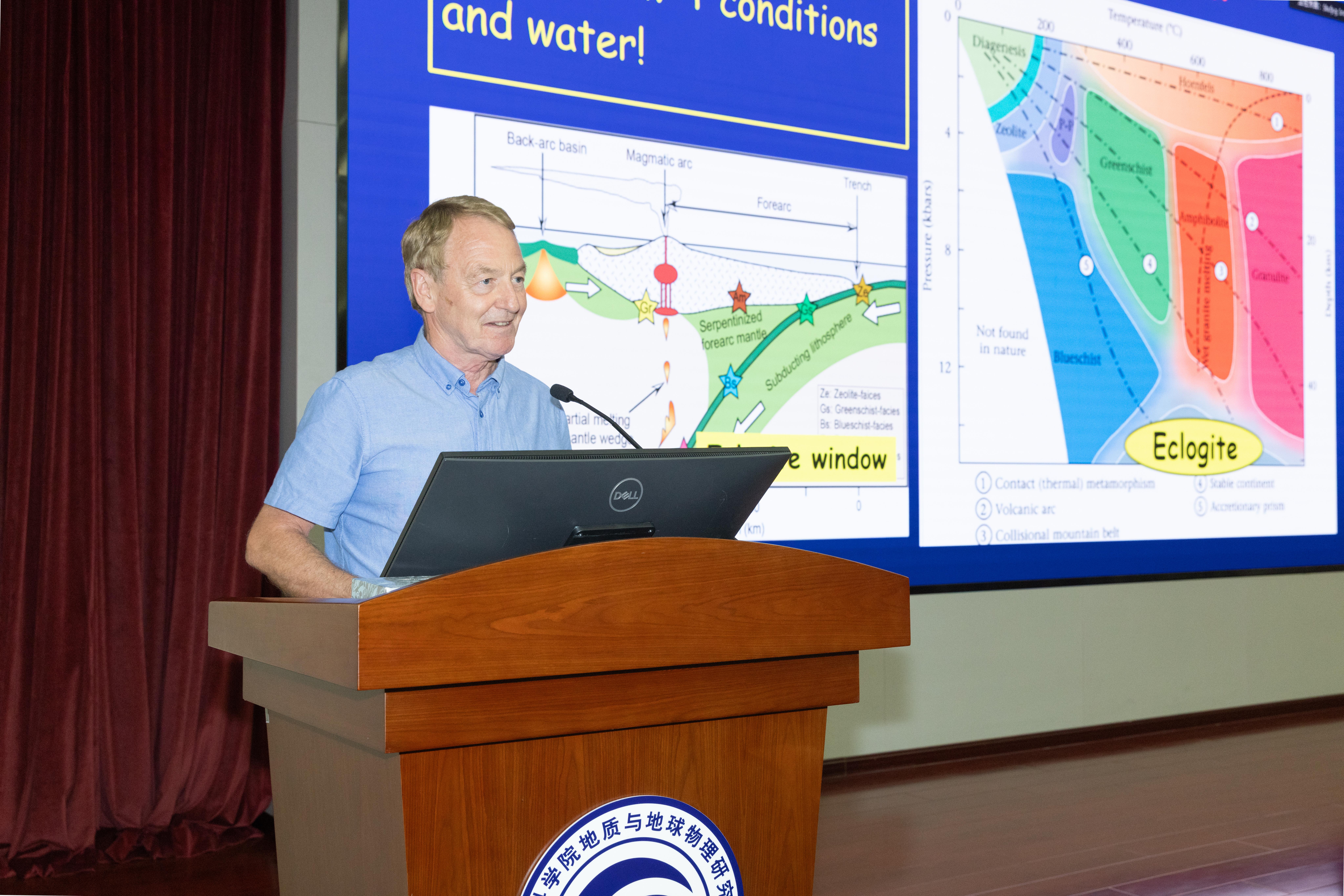
Imagine peering into Earth as if it were a patient undergoing a CT scan. That's essentially what Danish geophysicist Hans Thybo does, except that instead of X-rays, he uses seismic waves and other advanced imaging techniques to explore the planet's deep secrets.
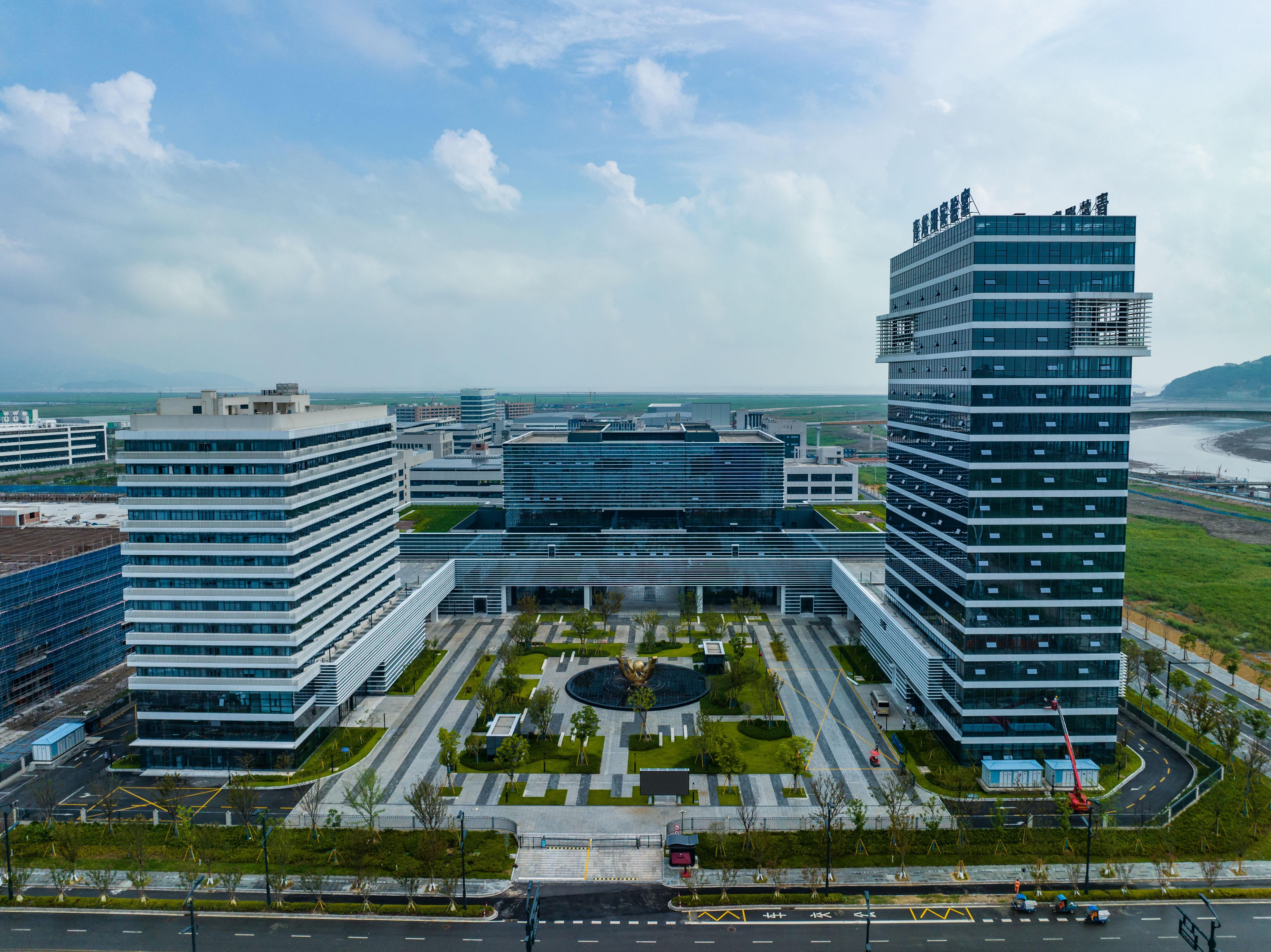
In 2006, Zhejiang province set itself the goal of "becoming one of China's innovative provinces within 15 years and building a strong province in science and technology." Armed with this blueprint, the province's independent innovation efforts went into overdrive.
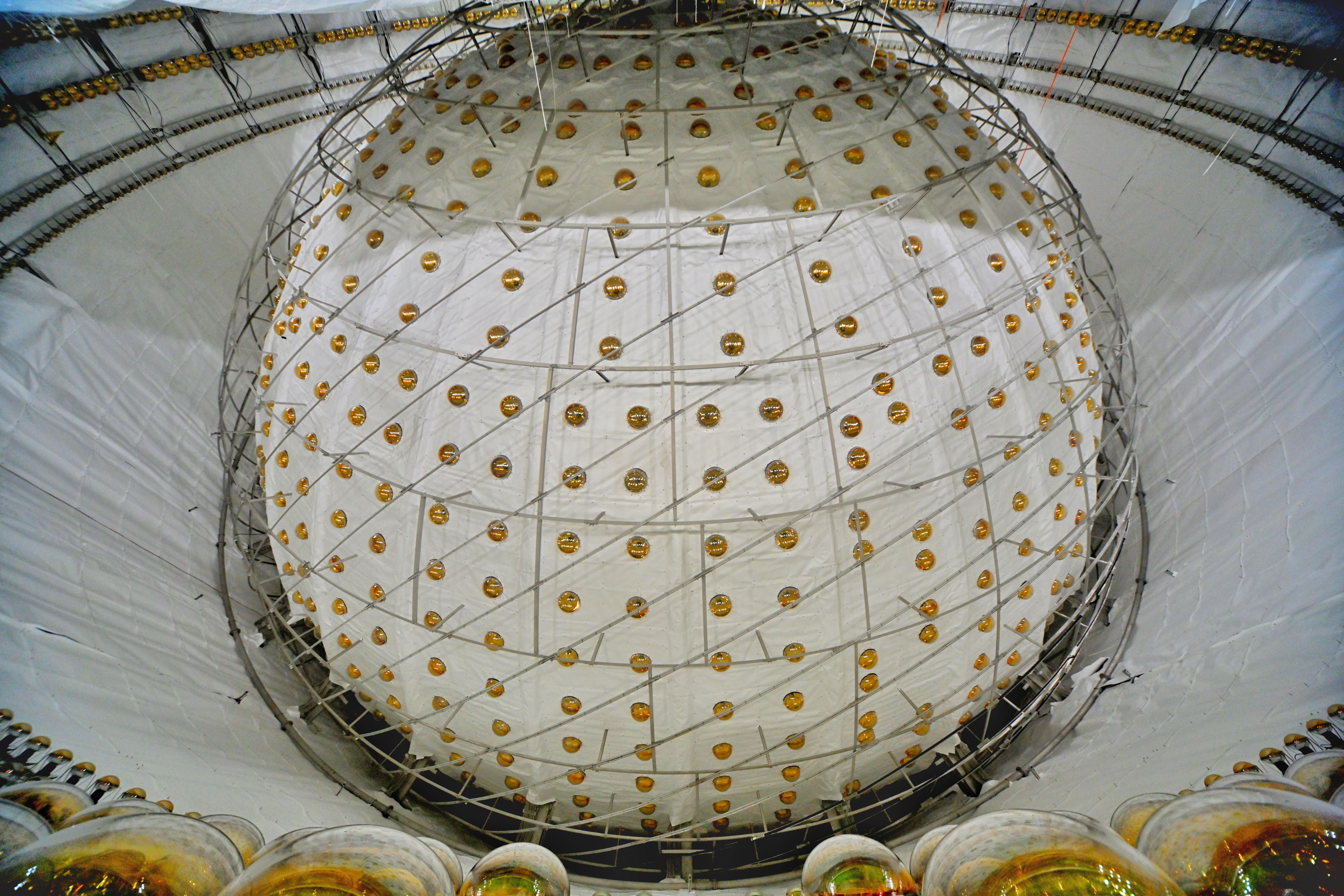
Located 700 meters underground in Kaiping, Jiangmen city in Guangdong province, JUNO is the first of a new generation of ultra-large and ultra-precision neutrino experiments to reach this stage and has set multiple world records in technology. Its operation will help answer fundamental questions about the nature of matter and the universe.

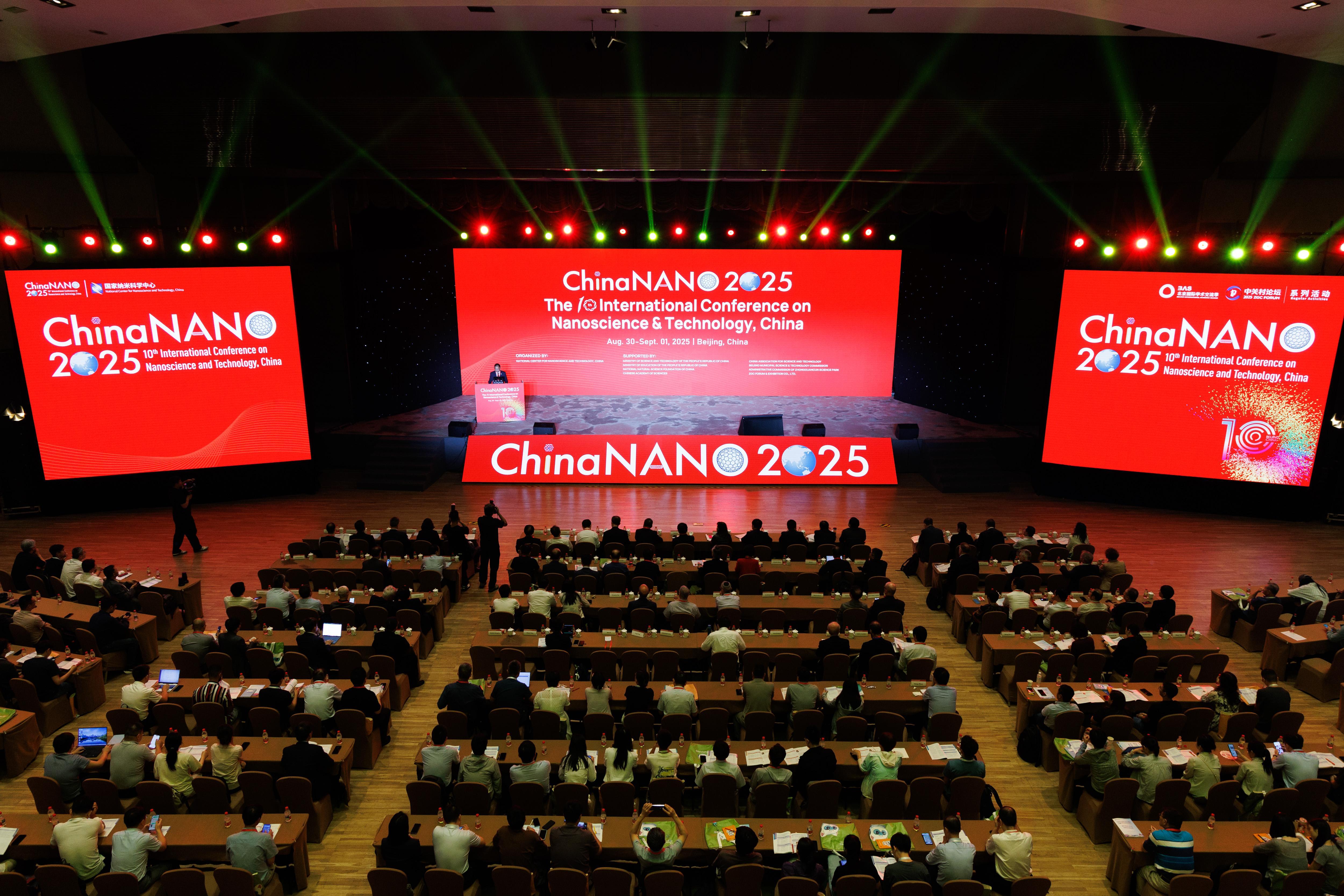
"Nanotechnology is a driving force behind breakthroughs in strategic areas such as green energy, biomedicine and information technology, accelerating the formation of new quality productive forces," said Bai Chunli, Academician of the Chinese Academy of Sciences and Chair of the ChinaNANO 2025 Conference.
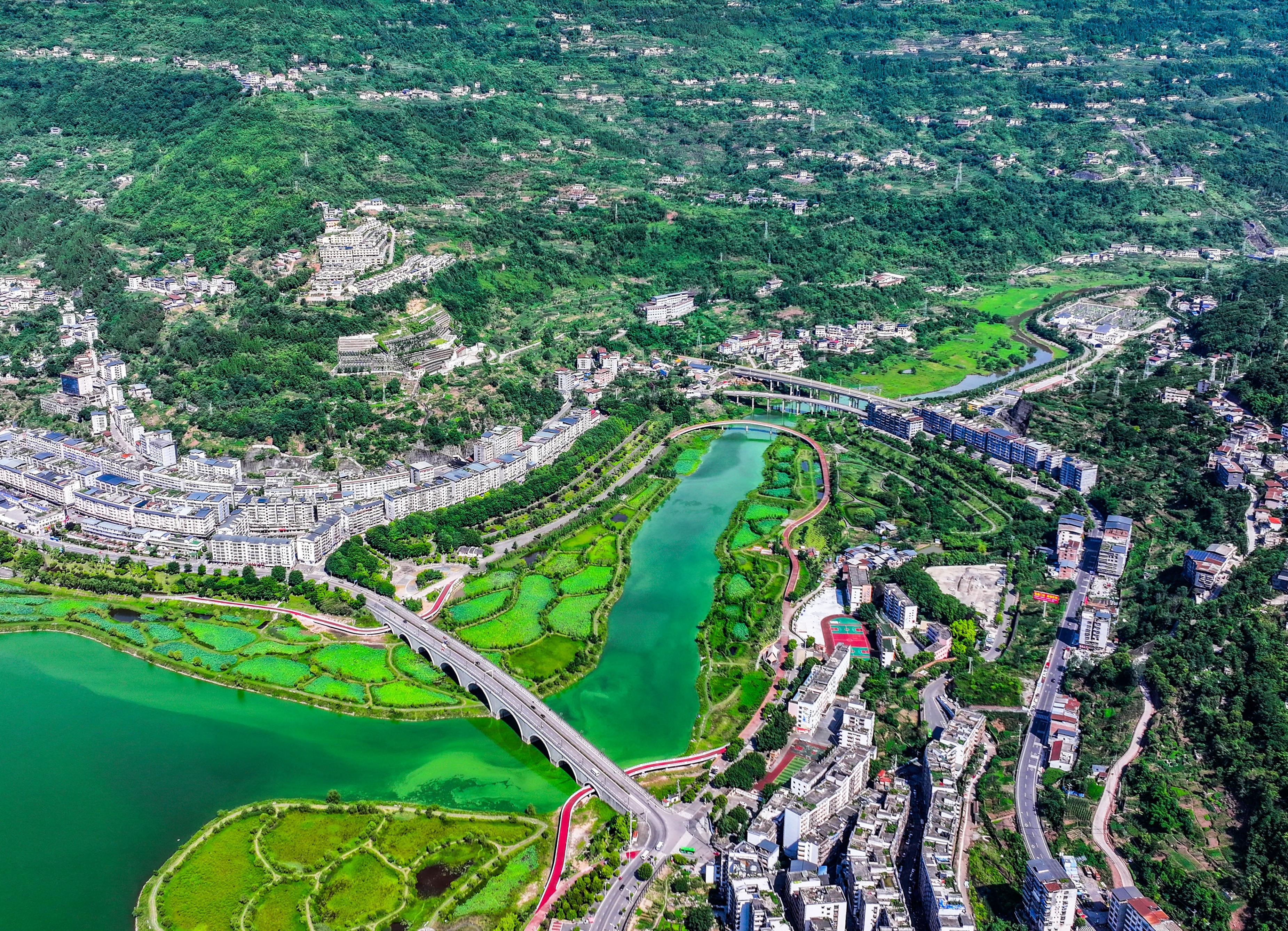
This year marks the 20th anniversary of the concept that "Lucid waters and lush mountains are invaluable assets," formulated to guide sustainable development in China.
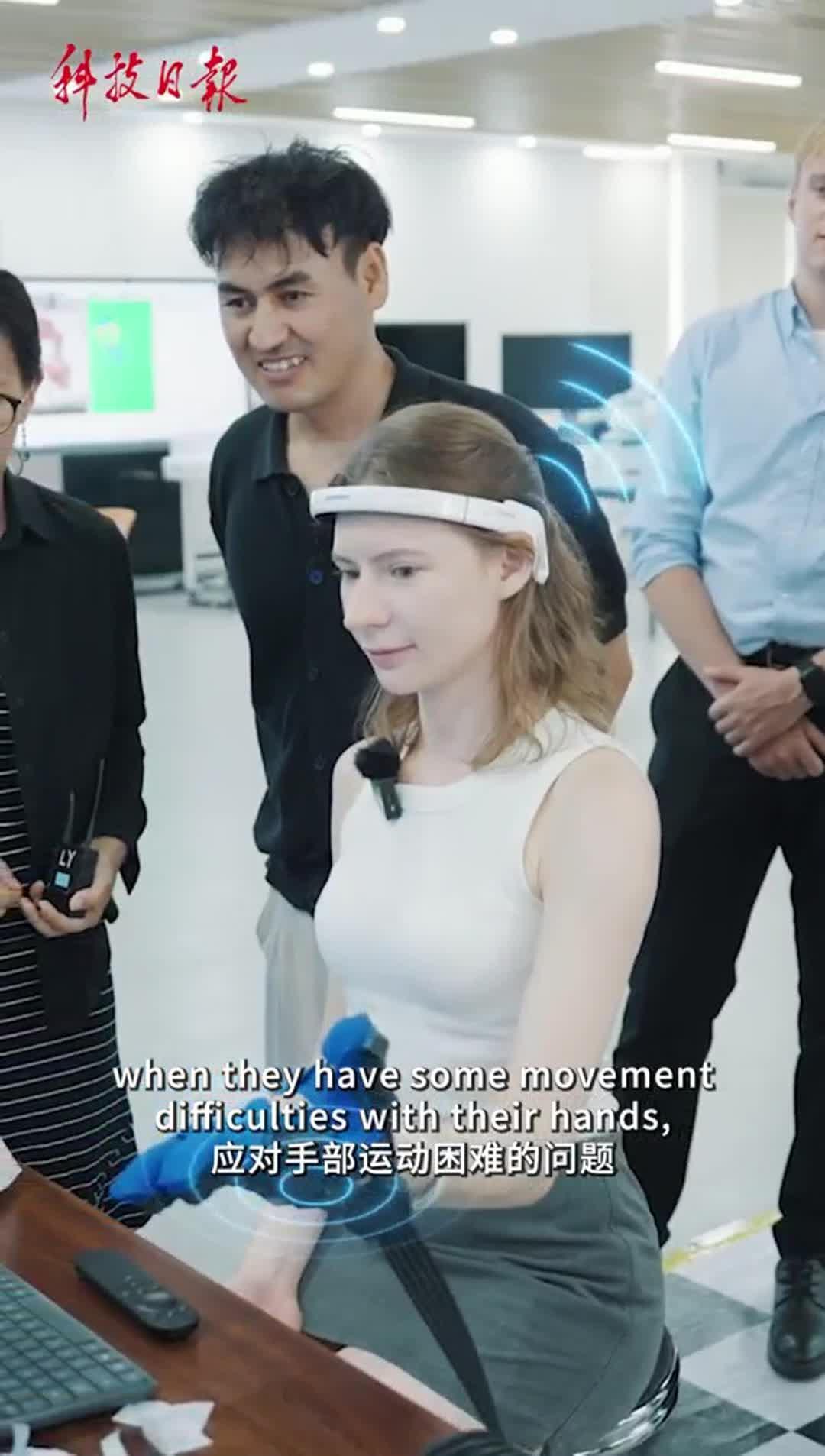
Recently, five international students and entrepreneurs visited Xi'an Jiaotong University in northwest China, learning about how the brain-computer controlled rehabilitation robot helps stroke patients to recover.
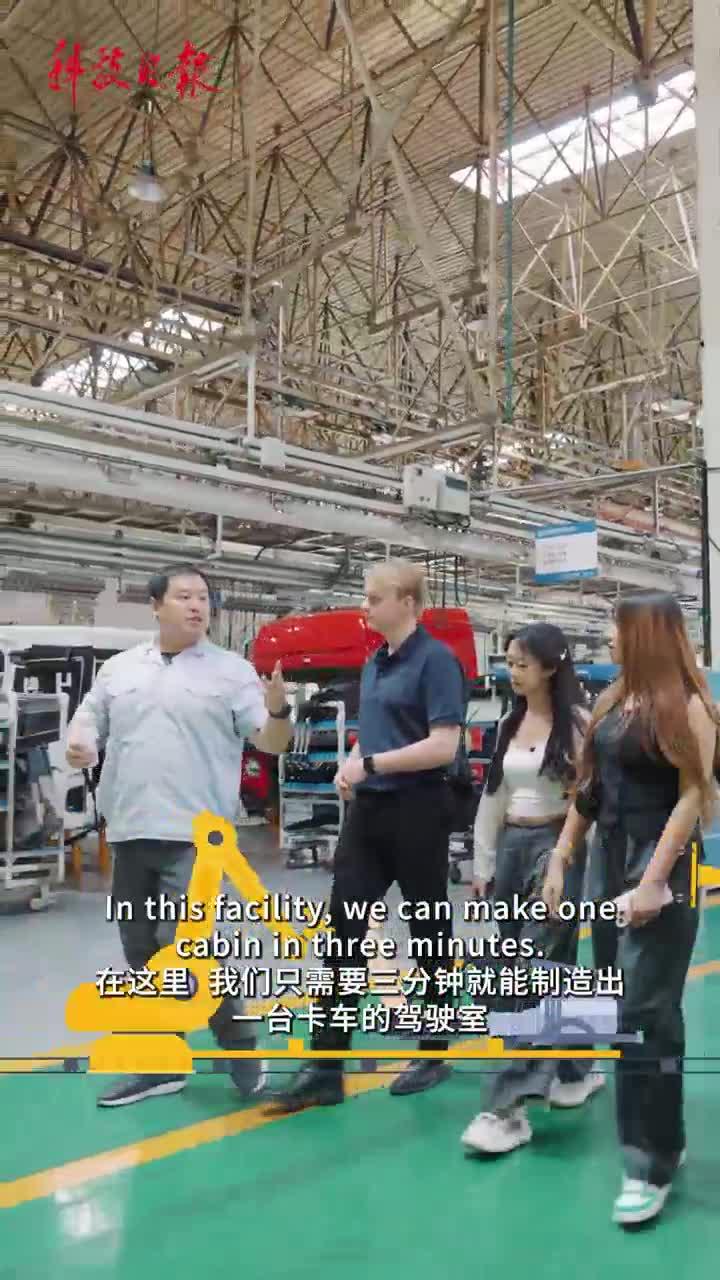
Recently, five international students and entrepreneurs visited Shaanxi Automobile in Xi'an city, northwest China, witnessing how intelligent manufacturing enables the production of a truck cab in just three minutes.

Xi'an in northwest China, where the ancient Silk Road began, now symbolizes China's fusion of heritage and innovation. Part of our "Into Tech Park" series, this article explores how technology fuels inclusive growth through the eyes of international students and entrepreneurs. Initiatives like the China-Europe Railway Express and Qinchuangyuan platform highlight Xi'an's role as a global hub, where policy support and cultural openness turn ideas into real impact. Here, ambition finds a home, and the future is built on shared opportunity.
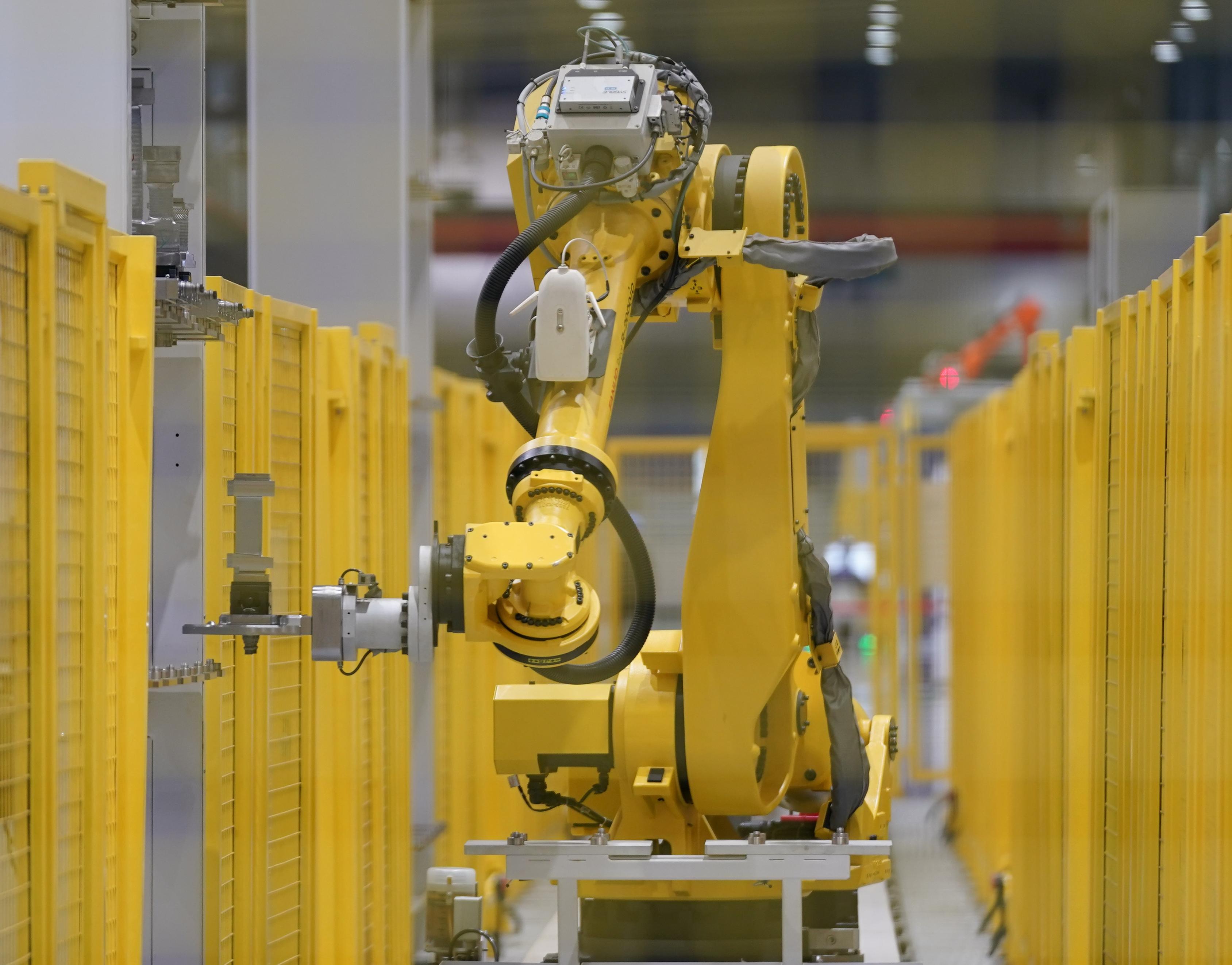
A new comprehensive roadmap for China's machinery industry emphasizes upgrading production capabilities as well as the integration of digital technologies into the entire industrial chain, setting clear objectives and phased timelines till 2030.
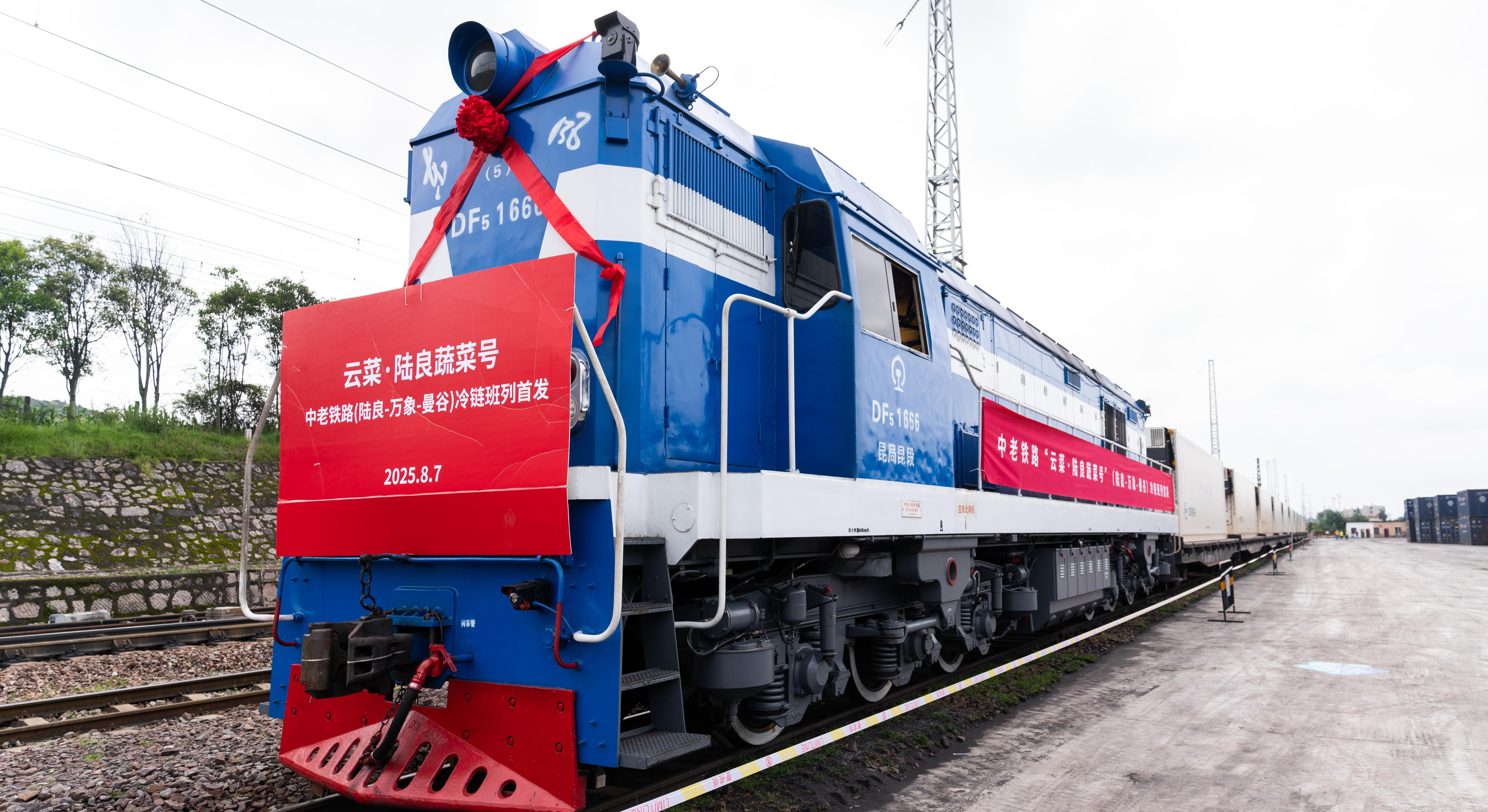
China and Myanmar took another step towards a new decade of deepening Lancang-Mekong Cooperation (LMC), with the signing of the 2025 LMC Special Fund project cooperation agreement on August 5.
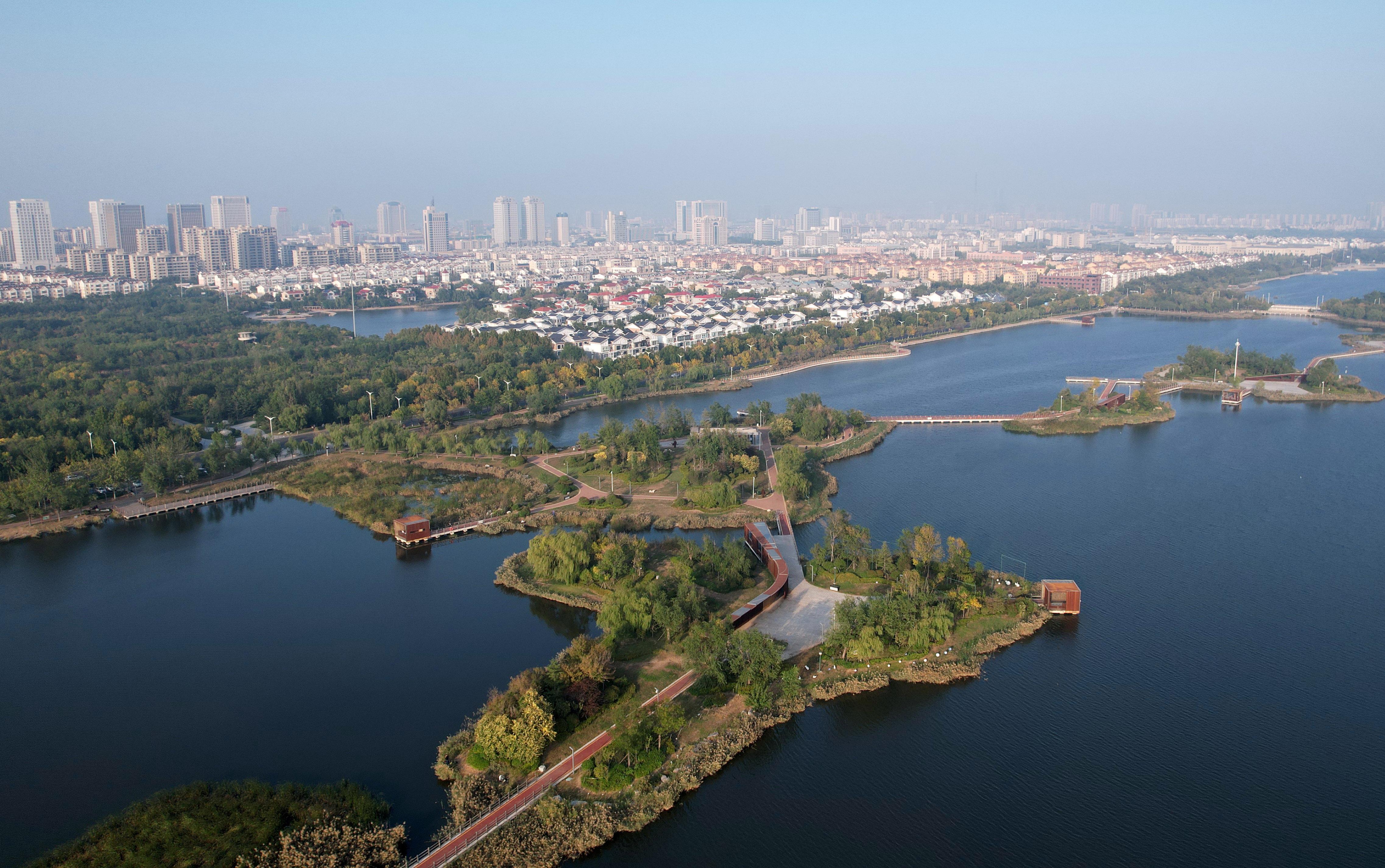
China has played a major role in wetland preservation. The country offers valuable experience for sand encroachment prevention and control.
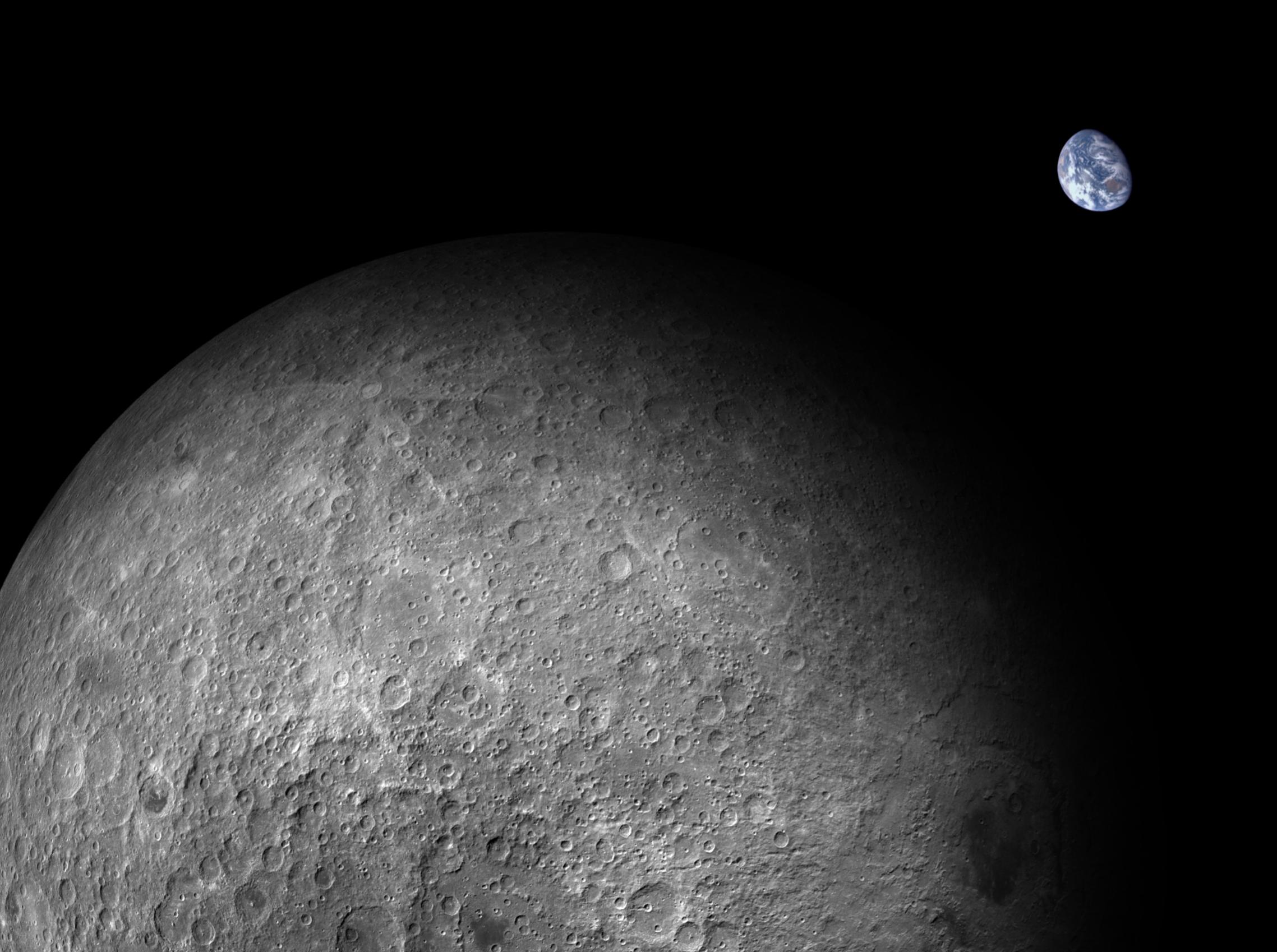
In a significant step toward sustainable lunar exploration, Chinese scientists have developed the country's first prototype machine capable of converting lunar soil into building bricks using concentrated solar energy. The lunar in-situ 3D printing device, developed by the Deep Space Exploration Laboratory (DSEL), is expected to play a key role in the construction of a future moon base.
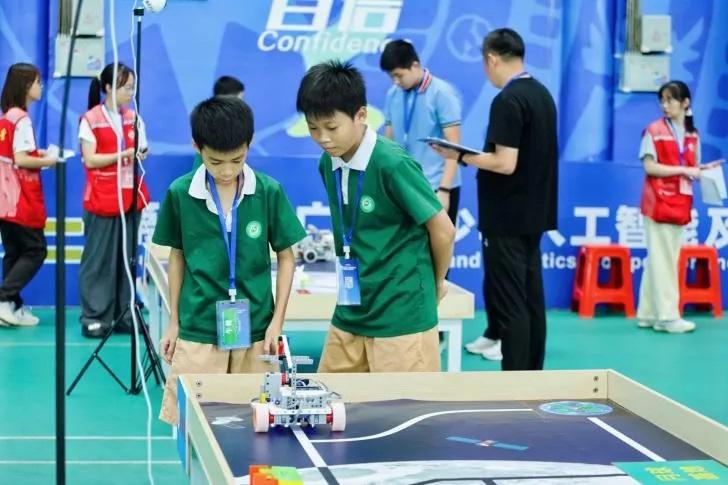
Robots throwing balls and AI used to solve logistics and transportation problems, were some of the entries battling it out for top honours at the 22nd Guangxi Adolescent AI and Robotics Competition and the Cross-Regional Invitational Tournament for Teenagers from ASEAN Countries.

Chinese President Xi Jinping has sent a congratulatory letter to the Science and Technology Daily on the occasion of the 40th anniversary of its founding.
One-eighth of the global population struggles with obesity. Yet, for many, losing weight proves incredibly difficult. New research on mice offers a crucial clue: Immune cells known as "adipose tissue macrophages" harbor an "obesity memory," acting as the hidden culprit.