
友情链接
- Copyright © Science and Technology Daily, All Rights Reserved
- 科技日报社 中国科技网 版权所有


On New Year's Eve, Chinese President Xi Jinping delivered his 2026 New Year message through China Media Group and the internet.

Chinese President Xi Jinping has sent a congratulatory letter to the Science and Technology Daily on the occasion of the 40th anniversary of its founding.
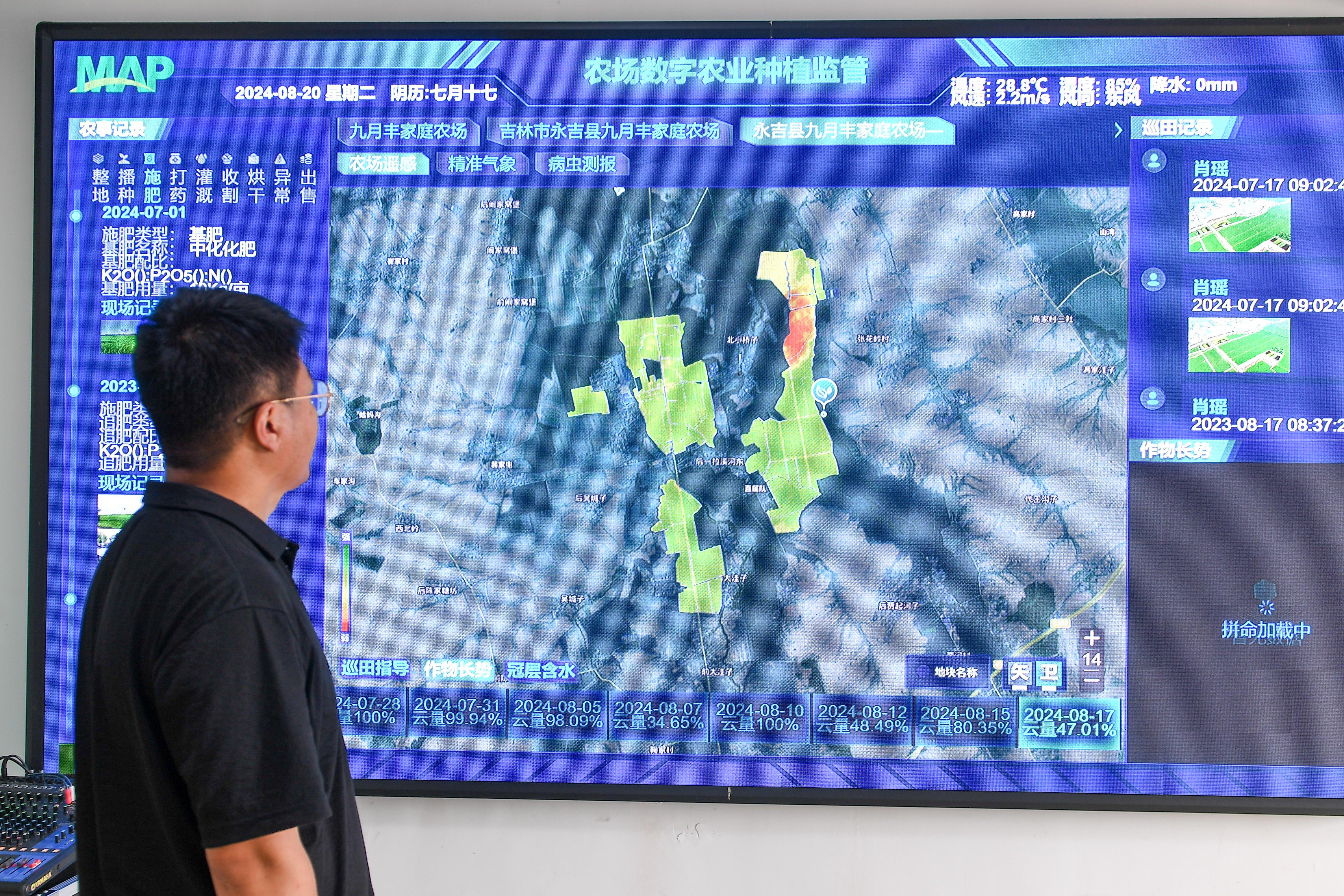
In 2025, China's agricultural sector brimmed with innovative vitality. Breeding innovations continuously broke high-yield records, and smart agriculture accelerated the reconstruction of production models, promoting a deep transformation of agricultural production from "experience-driven" to "technology-driven."
As Science and Technology Daily (S&T Daily) approaches its 40th anniversary, we are humbled by the warmth and wisdom shared with us by scientists from around the world. Their words remind us why this work matters, not just reporting breakthroughs, but connecting people through science. Over the years, we have strived to make complex ideas clear, to bring research out of labs and into public conversation, and to show how innovation shapes lives. Researchers and scholars have placed their trust in us, calling our pages "a window," "a bridge," even "a daily ritual." We are proud to stand with those who believe knowledge should be shared and real progress is driven by collaboration across borders. This milestone is not ours alone. It belongs to everyone who reads us, writes for us, and interacts with us. Thank you for walking this path.
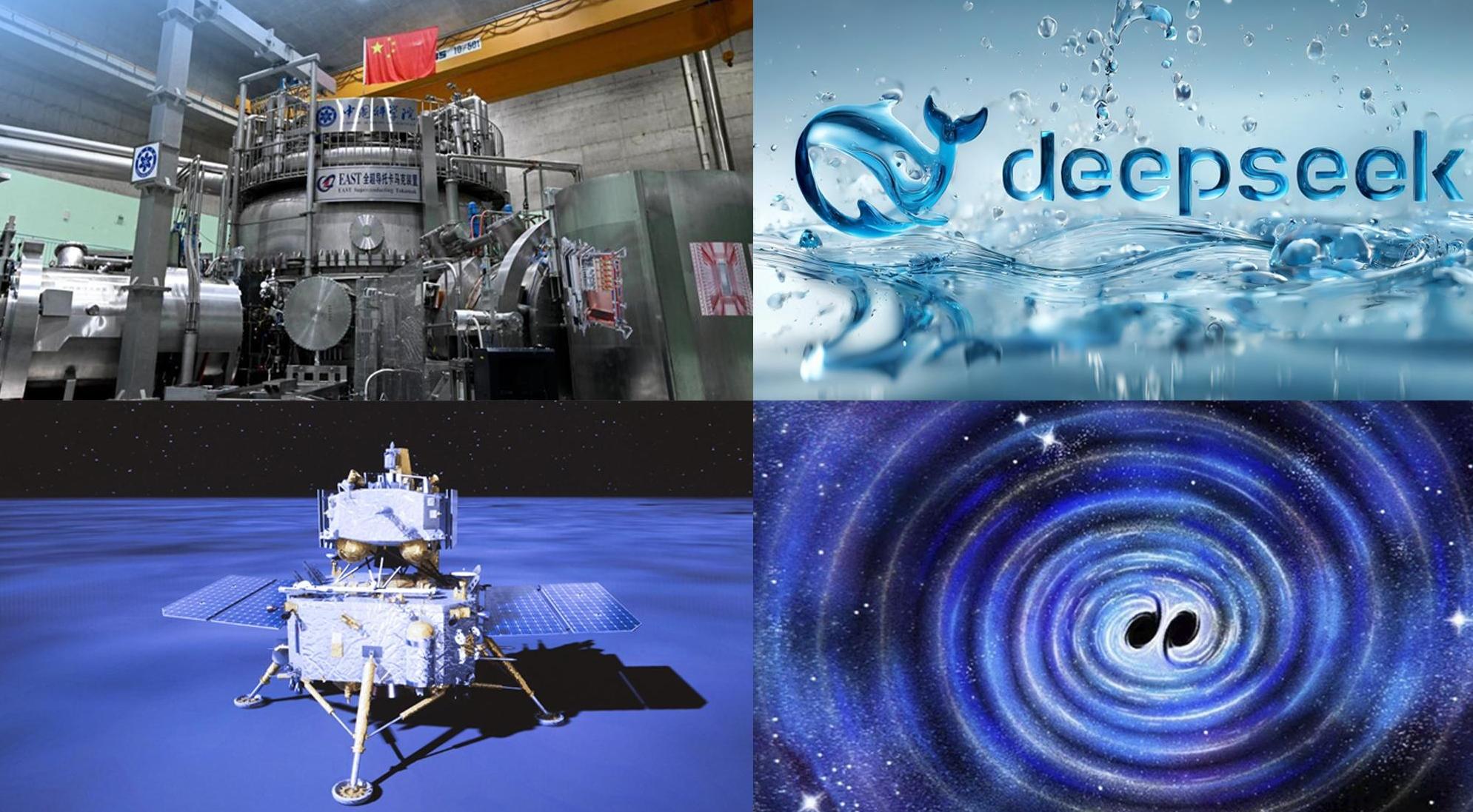
The achievements and discoveries in science and technology have not only profoundly reshaped how we live but also given us the confidence to confront challenges and embrace the future. Science and Technology Daily, in collaboration with a panel of media partners and academicians, has selected the 2025 top 10 science and technology news stories from China and around the world.

As the flagship oncology journal under Sage Publishing, TAMO strives to publish research of significant value to oncology research and clinical practice.

Recently, Raja Krishnamoorthi, a Democratic ranking member of the U.S. House Select Committee on China, introduced the so-called Stopping Adversaries From Exploiting LiDAR Act (Safe Lidar Act), calling for the gradual removal of Chinese-made Light Detection and Ranging (lidar) systems currently used in the United States and a ban on new imports after three years. Exceptions would apply only for limited purposes such as scientific research or cybersecurity testing. Lidar is a remote sensing method used to examine the surface of the Earth.

AI glasses, robotic pets, and foldable smartphones — these innovative Chinese tech products have become increasingly popular purchases with foreign tourists in China.

On December 17, Xueying 601, also known as Snow Eagle 601, China's first polar fixed-wing plane, carried out aerial surveys, its first scientific research task during the country's 42nd Antarctic expedition. Xueying 601's air routes, with the Zhongshan Station as the core and covering more than 20 domestic and international expedition stations, have built an air corridor for Antarctica.

The annual Central Economic Work Conference was held in Beijing from Wednesday to Thursday as Chinese leaders decided priorities for the economic work in 2026.

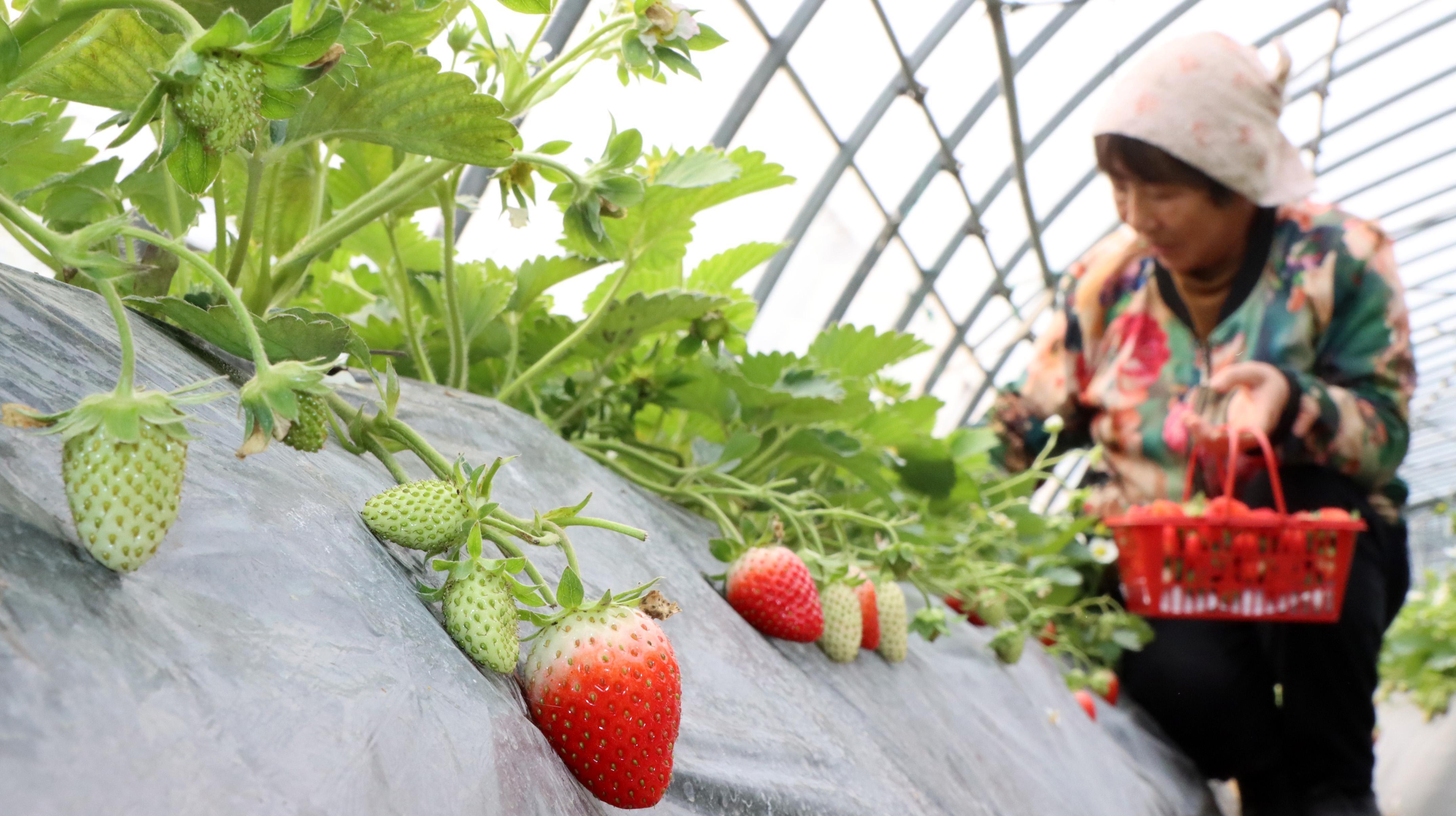
At the Agricultural High-tech Industrial Demonstration Area of the Yellow River Delta of Shandong province, the area of cultivated land has seen a net increase for four consecutive years, with a successive series of new saline tolerant crops being introduced. Saline-alkali land has been transformed into fertile soil, vividly demonstrating how technological innovation boosts agricultural output in the province.

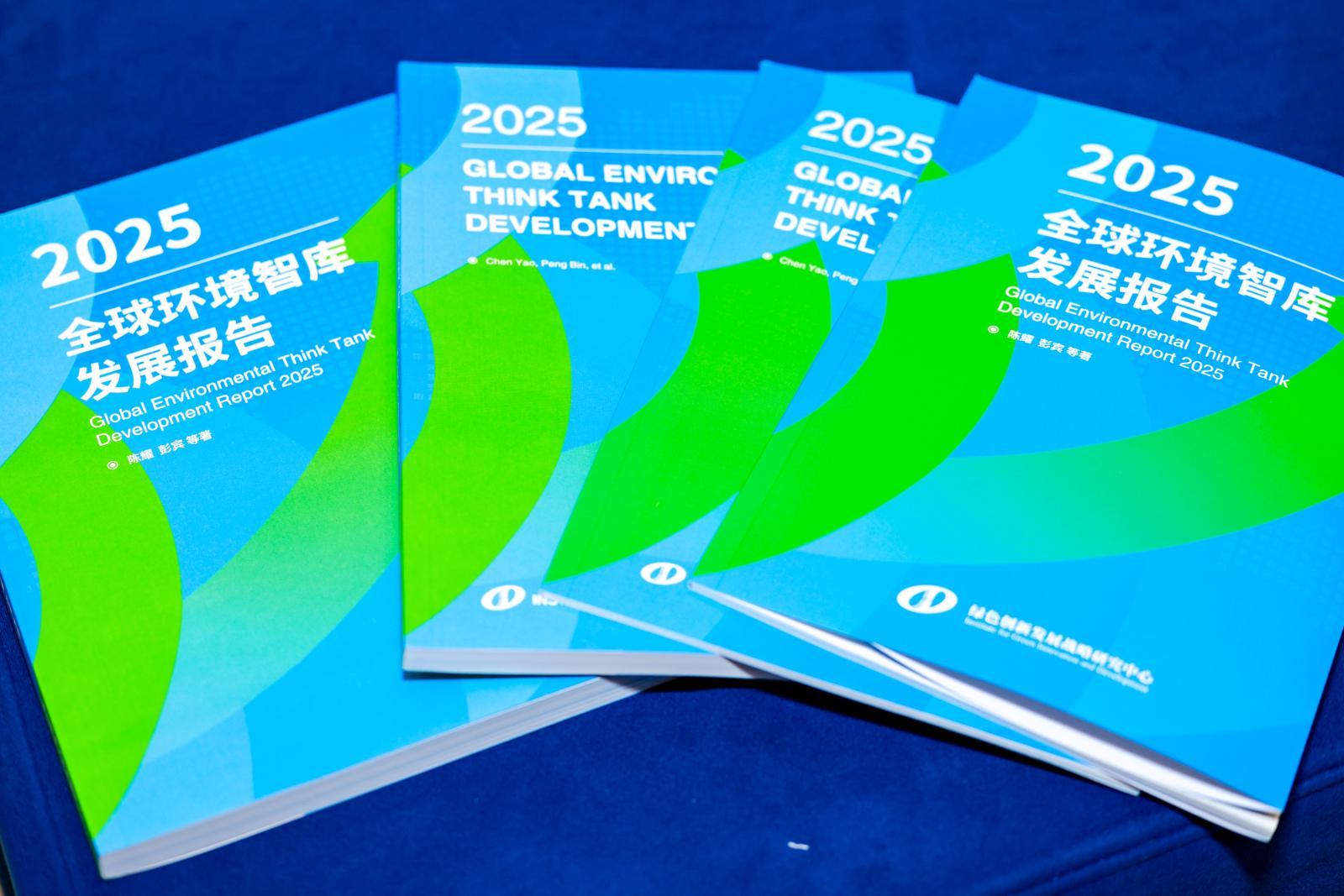
Eight Chinese think tanks are among the top environmental think tanks worldwide, six top in the field of environmental pollution control, and another six ace in the field of biodiversity and ecosystems. These are among the findings of the Global Environmental Think Tank Development Report 2025 released in Beijing on December 5 by the Institute for Green Innovation and Development, a science and technology think tank jointly established by Zhejiang University of Technology and the Chinese Society for Environmental Sciences.
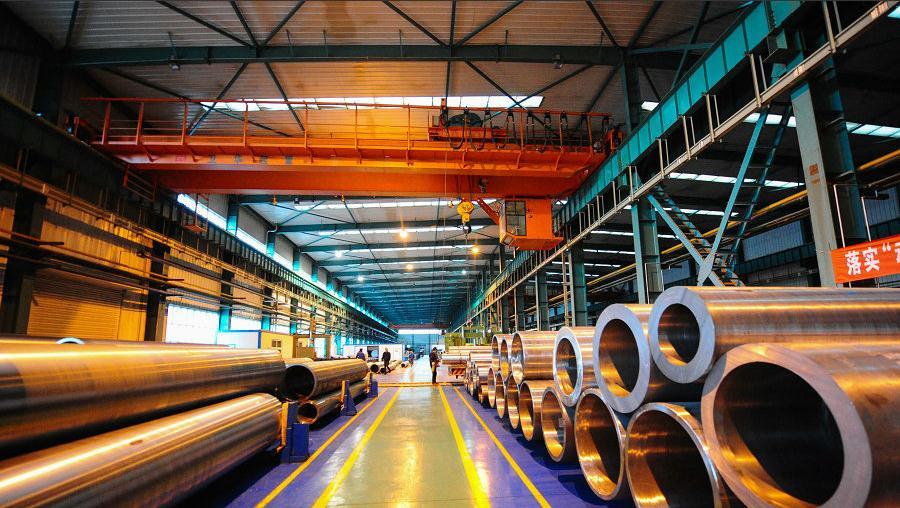
In the past, the manufacturing technology of ultra-high-pressure steel pipes over 10 meters in length was monopolized by foreign countries. However, times have changed after a Chinese company broke this bottleneck, and independently developed the 17-meter-pipe along with the capacity of mass production.

"Future", China's first deep-sea green and intelligent technology experimental vessel, recently completed its first deep and remote sea test since its delivery in July this year.

On November 21, L.I.S.T.E.N Science Space, an interactive hub to explore science beyond borders jointly built by the China Science and Technology Museum and the Sci-Bono Discovery Center of South Africa, opened to the public, marking new progress in sci-tech cooperation between China and South Africa.
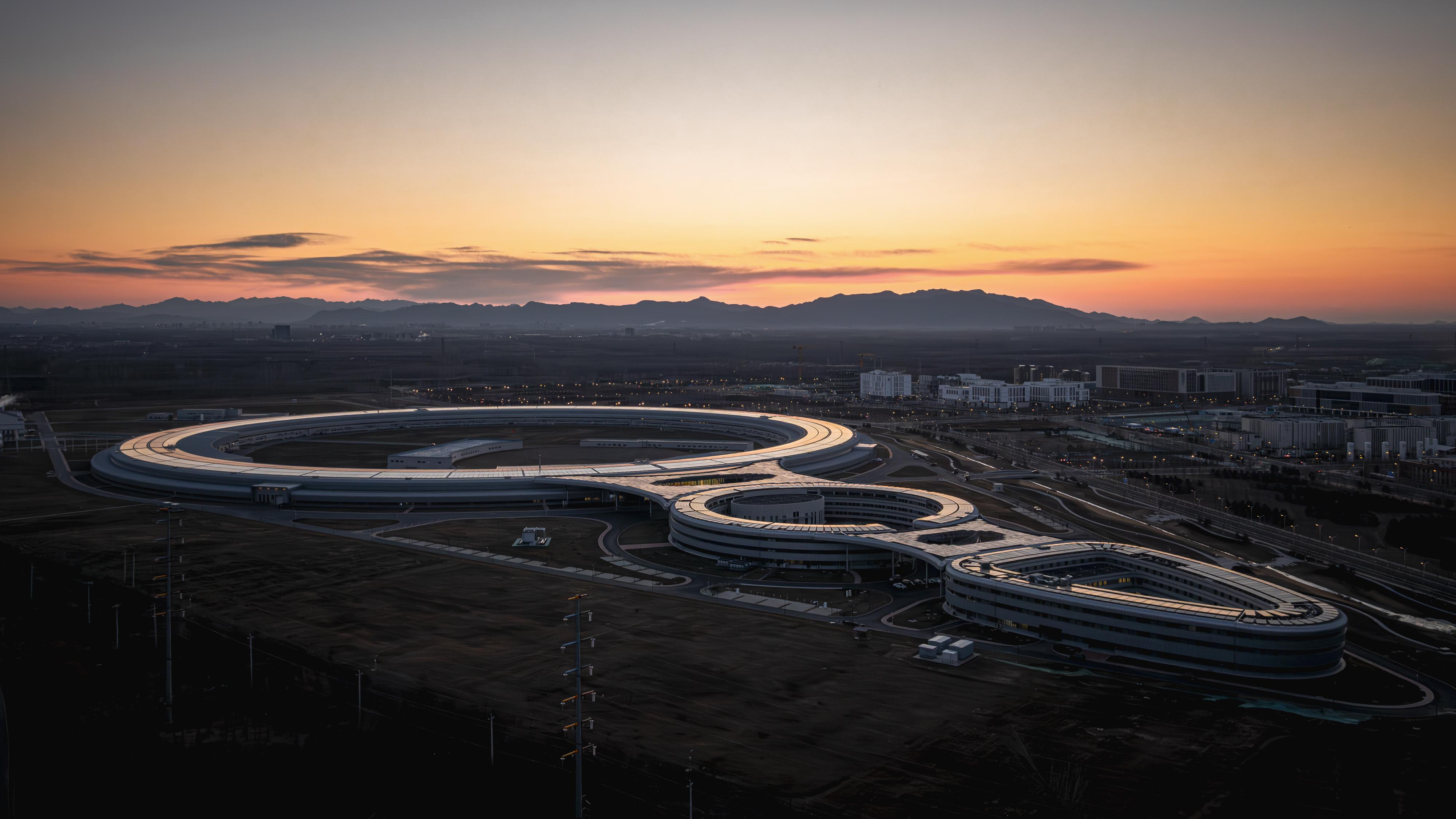
The results of sci-tech innovation during the 14th Five-Year Plan (FYP) period (2021-2025) have laid a solid foundation for building a country strong in science and technology, and the 15th FYP period (2026-2030) is a crucial and critical time for achieving this goal, said Yin Hejun, Minister of Science and Technology.
Chinese President Xi Jinping has sent a congratulatory letter to the Science and Technology Daily on the occasion of the 40th anniversary of its founding.
One-eighth of the global population struggles with obesity. Yet, for many, losing weight proves incredibly difficult. New research on mice offers a crucial clue: Immune cells known as "adipose tissue macrophages" harbor an "obesity memory," acting as the hidden culprit.