
New Rules Set for Used NEV Batteries
A new comprehensive regulation for the recycling and comprehensive utilization of used power batteries of new energy vehicles (NEVs) has been recently unveiled, with implementation slated from April 1, 2026.
The regulation was jointly released by six government bodies, including the Ministry of Industry and Information Technology (MIIT) and the National Development and Reform Commission.
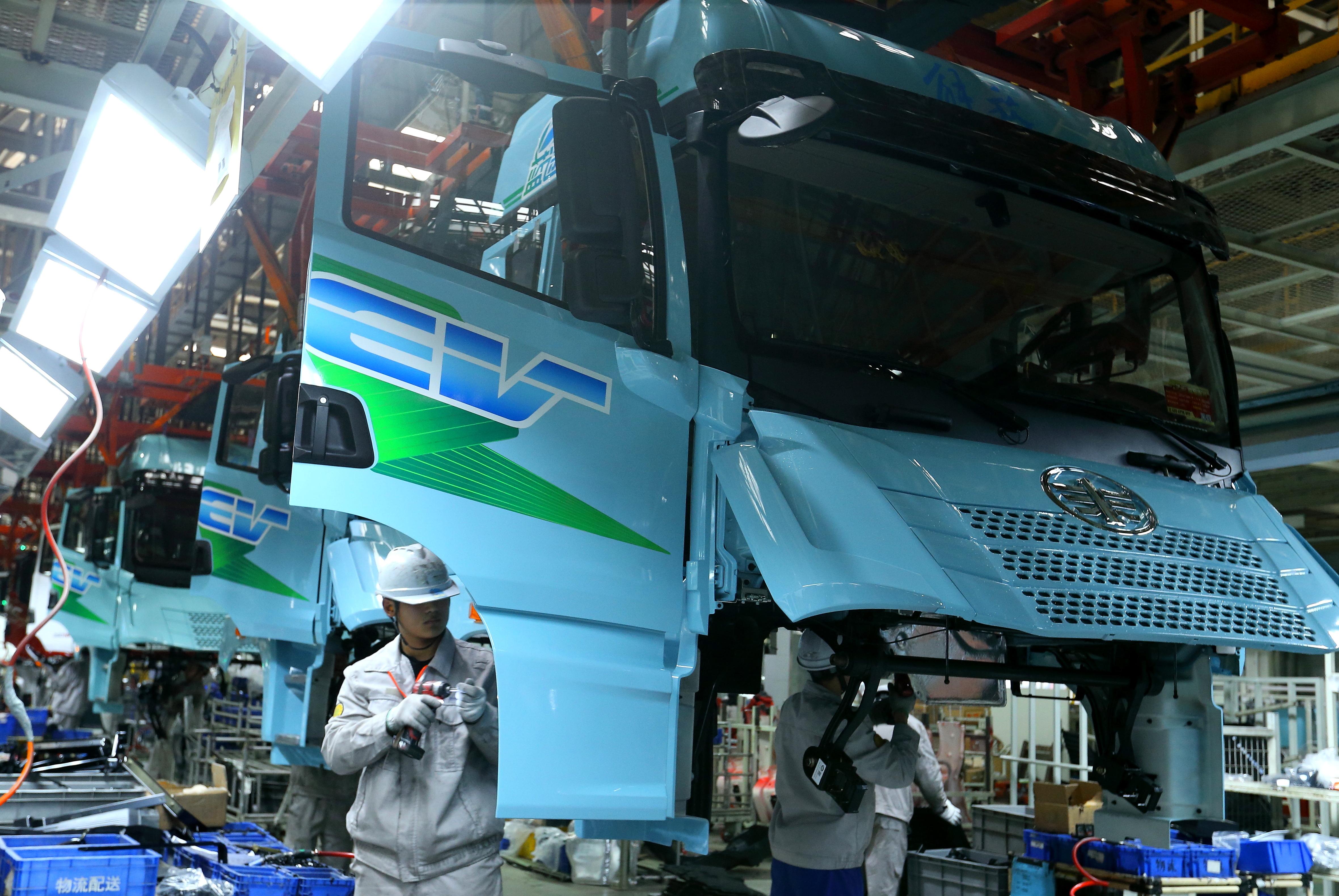
The move comes as China's NEV industry is expanding rapidly. Latest statistics show that in 2025, NEV production and sales reached 16.63 million and 16.49 million units respectively, each posting year-on-year growth of nearly 30 percent.
In recent years, with the rapid growth of the NEV industry, NEV power batteries are entering a phase of large-scale retirement, necessitating further regulation of the recycling and comprehensive utilization of used batteries, according to an official from MIIT.
Industry experts estimate that the country's used power battery generation would exceed one million tonnes by 2030.
The new document is built upon a series of core principles designed to enhance traceability, assign clear responsibility, and ensure environmental and safety compliance throughout the battery lifecycle. It aims to establish a coherent and enforceable system from production to recycling and comprehensive utilization.
It outlines a full-channel, full-chain and full-lifecycle management of used batteries. A national NEV power battery traceability information platform is being established to track batteries from production to end-of-life, requiring manufacturers to code and label batteries and report data.
It clarifies the recycling responsibilities of both battery and NEV manufacturers, and stipulates that the establishment of recycling service stations must comply with the laws and regulations.
Entities such as battery enterprises, NEV manufacturers, and scrap motor vehicle recycling and dismantling enterprises must standardize the transfer of used batteries.
Activities involving the comprehensive utilization of used batteries must comply with laws and regulations on resource utilization, environmental protection and safety production, and obtain necessary approvals like project approval and pollutant discharge permits.
The new policy, which replaces four previous guidance documents on battery recycling, includes a six-month transition window for existing NEV models to comply with the new information reporting requirements.