

China's Sci-tech Innovation Leads the Way
International institutions have recently published a series of reports to review global technological development in 2025. China's achievements in this field have been particularly notable, with many sci-tech research results recognized as major scientific breakthroughs.
In the field of basic research, several Chinese cities rank among the leaders globally in scientific research indices, and China's pool of top scientific research talent is growing. Meanwhile, in emerging technologies, China's breakthroughs in AI large model algorithms and applications, quantum technology and industrialization, and new energy have received significant attention.
According to the technology company Digital Science, China has over 30,000 AI researchers, which is three times the number of those in the U.S. Furthermore, China's number of AI postdoctoral fellows and doctoral students is nearly twice that of the total number of AI researchers in the U.S., giving it a unique advantage in long-term innovation.
In January 2026, Microsoft released a report stating that the popularity of DeepSeek in countries such as Russia, Belarus, Iran and in Africa has experienced "explosive" growth. In the field of advanced chips closely related to AI computing power, the financial research institution Bernstein Research predicts that in 2026, local enterprises such as Huawei will occupy 80 percent of the Chinese AI chip market, while NVIDIA's market share will drop to eight percent.
The U.S. journal Eurasia Review has reported that the most influential code is not being guarded in California, but is being shared with the world from Hangzhou and Beijing.
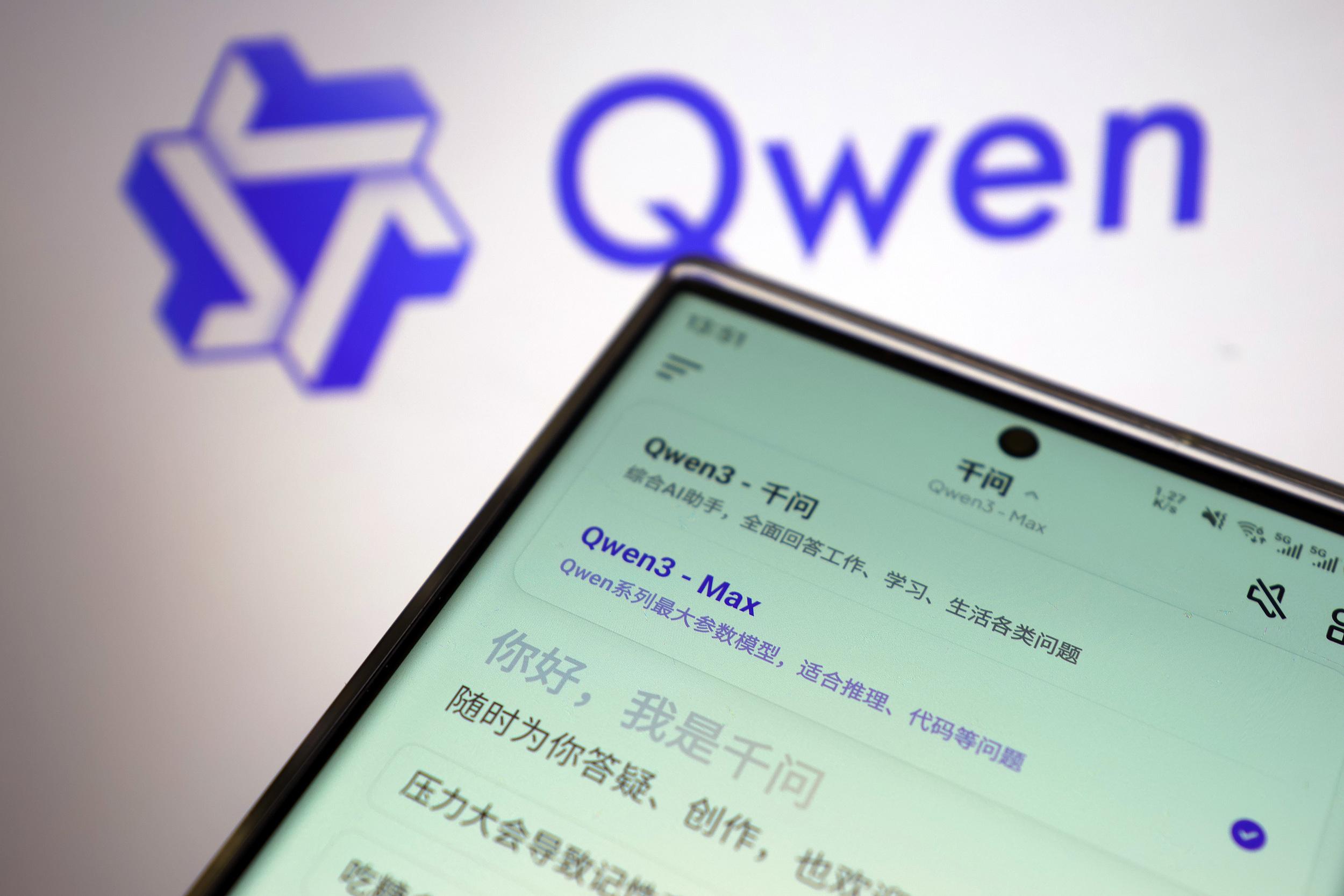
According to statistics from institutions such as the Massachusetts Institute of Technology at the end of November 2025, the download volumes of Chinese open-source models like DeepSeek and Qwen have accounted for 17 percent of the global total, surpassing any similar models in the U.S.
Nature magazine stated that DeepSeek R1 is extremely close to the related top models in the U.S., and boasts much lower training costs than that of its competitors.
Apart from the algorithmic innovations, Chinese AI large models are also moving rapidly towards the application end. A report released by Stanford University in the fourth quarter of 2025 said: Since the beginning of 2025, the growth rate of derivative models based on Alibaba's Qwen and DeepSeek has exceeded that of any other base models.
According to a report by the World Economic Forum, a collaborative effort between various stakeholders, including government, industries, universities, research institutes and end-users, is promoting the widespread adoption of AI throughout China. This collaboration is driving the development of AI industry clusters and nurturing a vibrant AI ecosystem.
International observers believe that China's extremely high social acceptance of AI has provided fertile ground for its rapid experimentation and deployment in the fields of healthcare, education and poverty reduction. This "social consensus" is one of the core competitive advantages for the long-term development of AI in China.