

Blocking Chinese EVs Hurts the U.S.
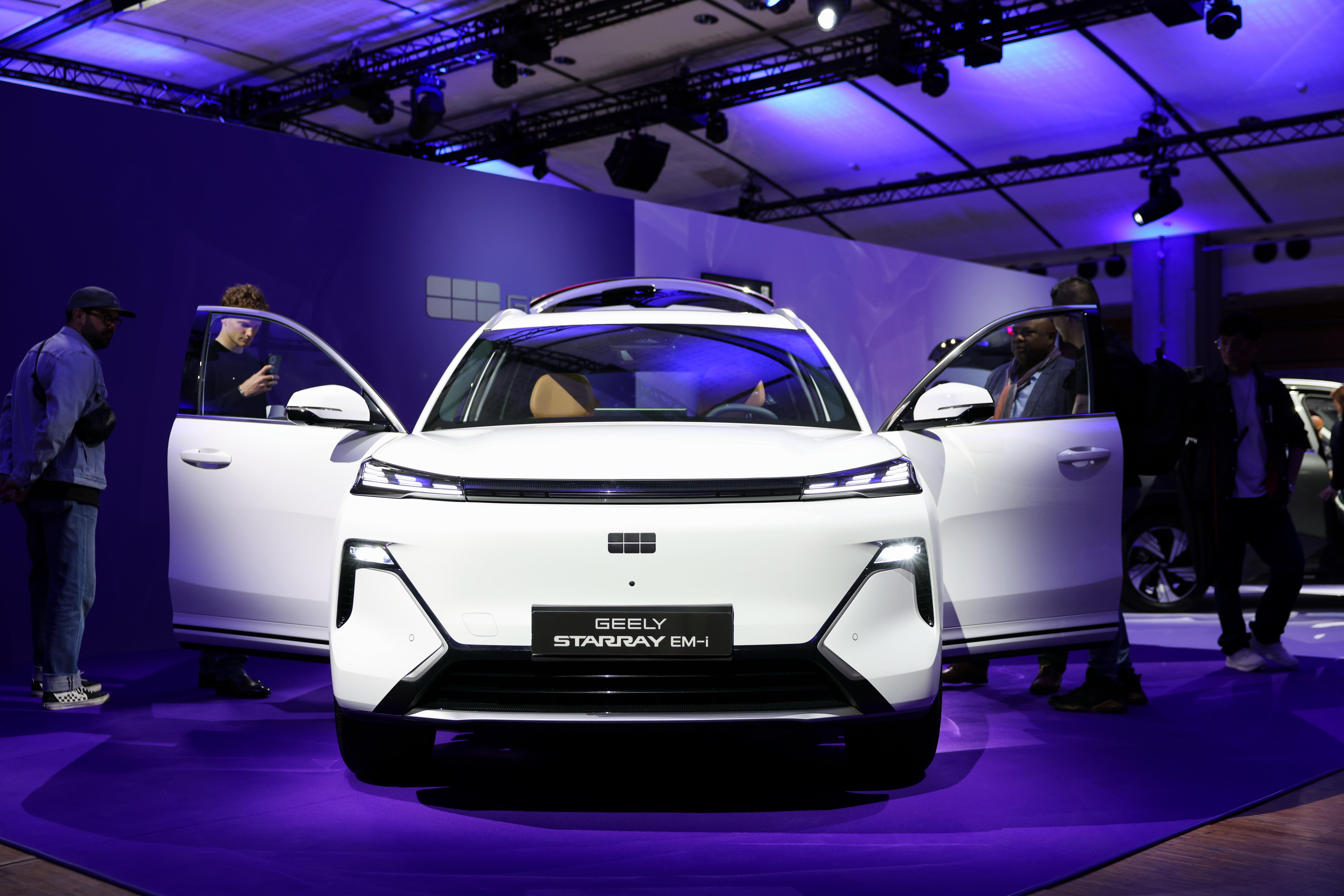
Recently, the U.S. has taken new action targeting China's automotive industry. More than 70 Democratic members of the House of Representatives cosigned a letter to President Donald Trump on April 28, citing the need to protect national security, data and American jobs, and urging the administration to block Chinese automakers from building factories or selling vehicles in the U.S.
This move is not an isolated political gesture, but rather part of a recurring pattern in U.S. trade and industrial policy in recent years: continuously expanding the definition of national security to build trade barriers, and using non-market means to suppress industries in which China holds a clear competitive advantage.
Washington's campaign to contain China's new energy vehicle (NEV) industry has gradually intensified, becoming a highly discriminatory policy framework. In 2024, through its review of Section 301 tariffs on China, the U.S. raised tariffs on Chinese electric vehicles (EVs) to 100 percent, while also imposing additional duties on key components such as lithium batteries and critical minerals. This move effectively shut the door on direct Chinese EV exports to the U.S.
In January 2025, the U.S. Department of Commerce introduced new regulations that packaged technological restrictions as compliance reviews. Citing "supply chain security," the rules imposed bans on Chinese-linked in-vehicle hardware, autonomous driving technologies, and connected software entering U.S. supply chains. Essentially, this serves as a textbook example of protectionism and economic coercion.
The latest congressional letter is clearly intended to further institutionalize this pressure campaign. By targeting issues such as corporate ownership, technology origins and third-country market access in advance, lawmakers are seeking to systematically block any possibility of Chinese automakers entering the U.S. market through localization strategies or indirect channels.
The logic behind this expanding net of restrictions — from trade barriers and technology blockades to domestic market exclusion — is clear: the real objective is not addressing evidence-based security risks, but preserving the U.S. industrial dominance.
Washington has repeatedly claimed that connected vehicles could become "mobile data collection devices" that threaten national security, yet it has consistently failed to present convincing evidence to support such allegations. For their part, Chinese automakers have repeatedly expressed their willingness to comply with local data-security and regulatory requirements and to cooperate on cybersecurity matters. However, the U.S. response has largely remained confined to broad political suspicion, with little constructive engagement.
Claims about "protecting jobs" or "preventing tariff circumvention" are familiar protectionist rhetoric. What truly unsettles Washington is the Chinese NEV companies' comprehensive advantage in areas such as battery technology, intelligent connectivity, and supply-chain integration. Rather than competing fairly, shutting the door whenever competition becomes difficult exposes the hypocrisy behind the U.S.' long-professed commitment to free markets and fair competition.
The consequences of Washington's escalating blockade strategy are likely to be far-reaching. Such barriers deprive Chinese companies of the opportunity to compete fairly in the U.S. market. Yet in the longer term, Chinese automakers have already diversified their global market presence. Despite being blocked from the U.S. market, China's technological and cost advantages will continue to gain traction in Europe, Southeast Asia and Latin America. The broader trajectory of the industry is unlikely to be reversed.
For the U.S., however, short-term protectionism may come at a long-term cost. Shielding domestic industries from competition risks weakening market dynamism, slowing innovation, delaying product upgrades and ultimately increasing costs for American consumers. More broadly, continually raising supply-chain barriers will further fragment global industrial networks, undermining the widespread adoption of new energy vehicles and slowing the pace of the global green transition.
History has repeatedly shown that weaponizing national security and politicizing industrial competition opens a Pandora's box that eventually backfires. NEVs are crucial to the global green transition, and their success depends on openness, cooperation and fair competition. Turning away from market principles in favor of protectionism will neither halt the rise of Chinese automakers nor strengthen America's long-term competitiveness. Instead, it risks eroding the U.S. industrial credibility and leaving the country increasingly passive in the next wave of global industrial transformation.
Isolation and exclusion offer no sustainable path forward. Only through healthy competition that drives technological progress and open cooperation that integrates global resources can the world achieve sustainable industrial development and meet the demands of the green transition.