

友情链接
- Copyright © Science and Technology Daily, All Rights Reserved
- 科技日报社 中国科技网 版权所有

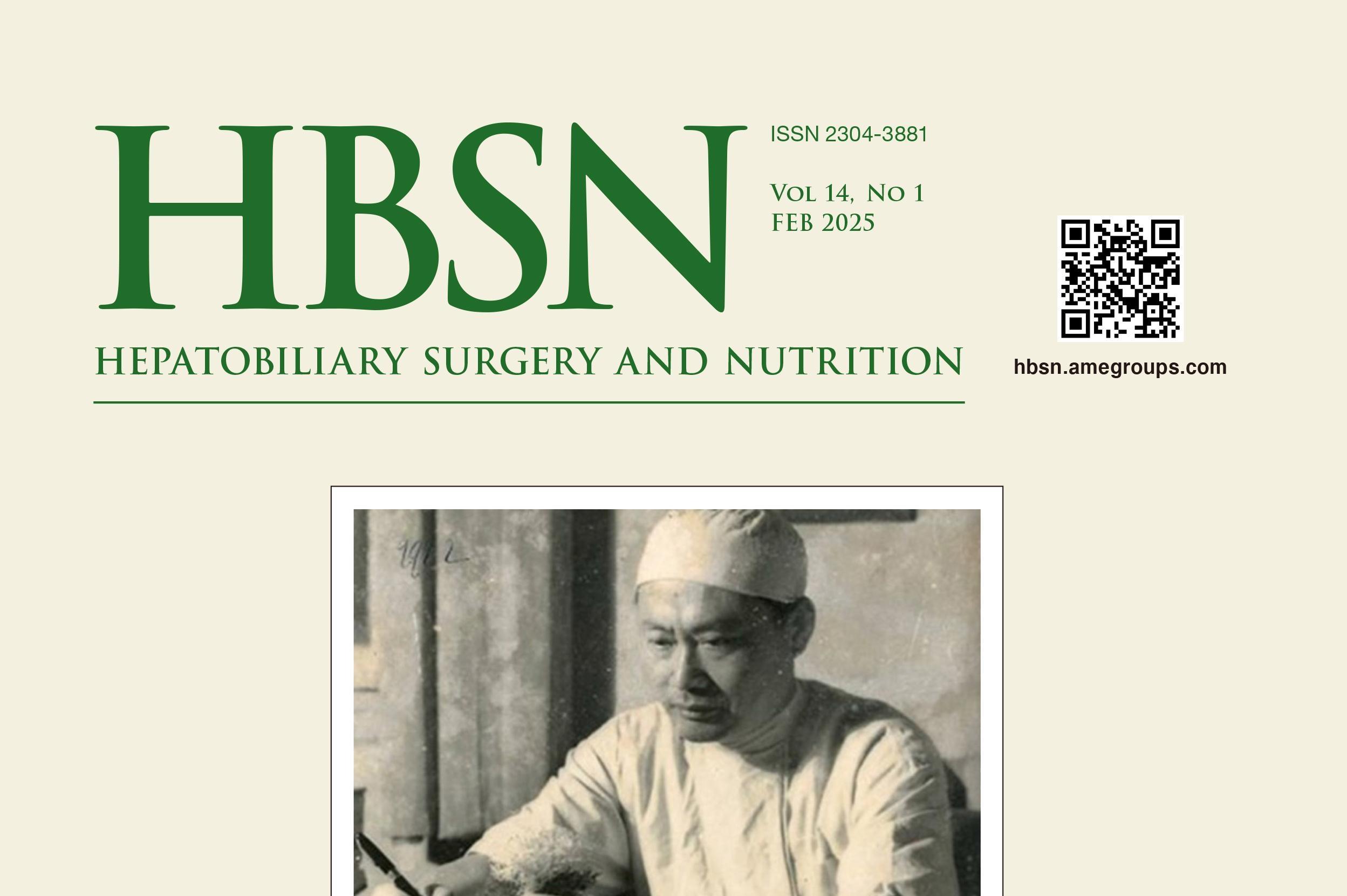
Since its launch in 2012, the journal Hepatobiliary Surgery and Nutrition (HBSN) has been committed to showcasing outstanding Chinese medical research and ensuring fair recognition of Chinese studies.

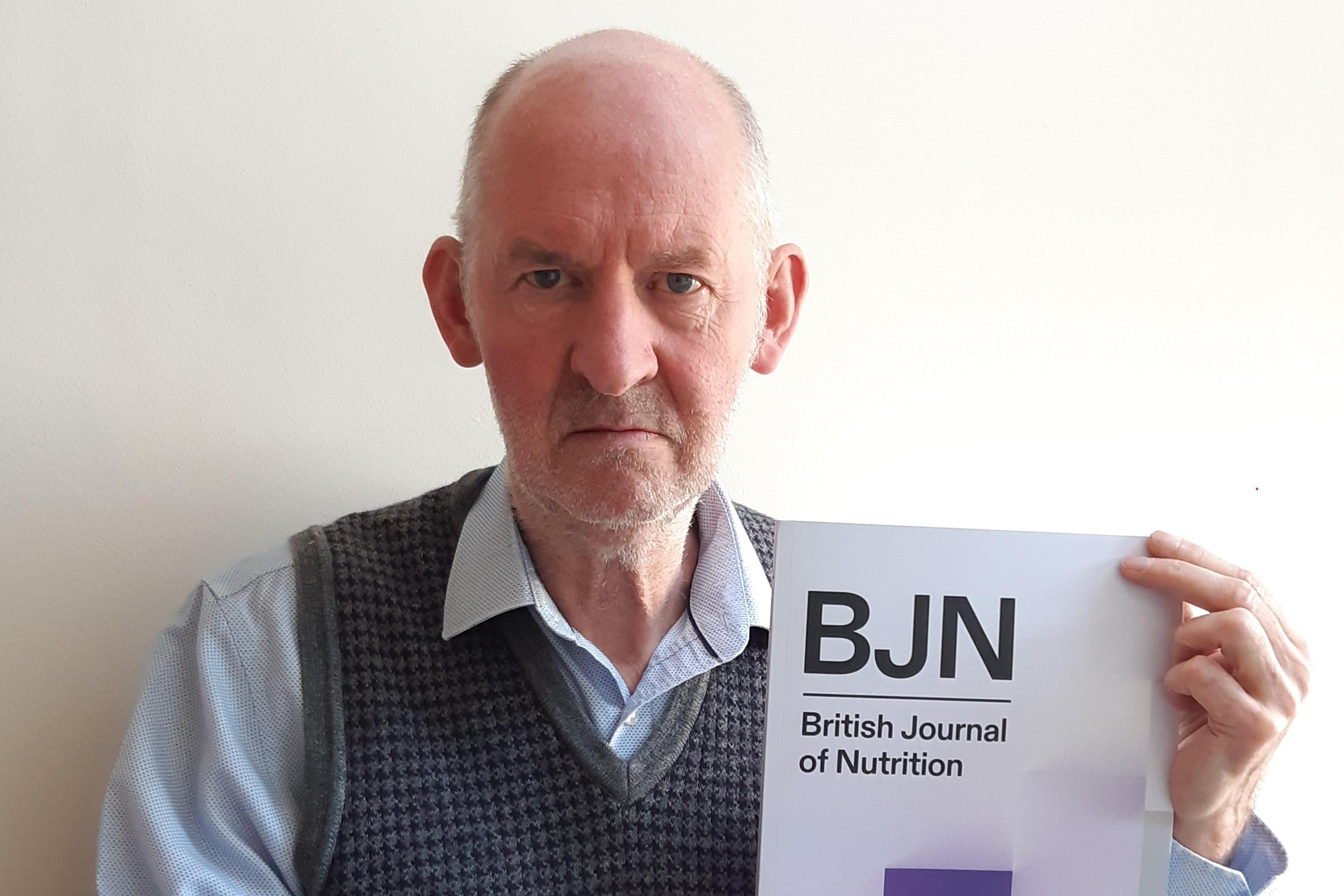
The British Journal of Nutrition (BJN) is the flagship journal of the Nutrition Society, founded in 1941 to advance the scientific study of nutrition and its application to the maintenance of human and animal health.

Advances in Atmospheric Sciences (AAS) is ranked third on the Top 100 journals list of science journals and first in Earth Sciences journals, according to the 2024 Report on the International Communication Impact of English-Language Scientific Journals Based in China, released on November 2.
Founded in 1990 by the Center for Excellence in Molecular Cell Science, the Chinese Academy of Sciences and the Chinese Society for Cell Biology, Cell Research (CR) is a monthly scholarly journal that publishes peer-reviewed research articles, authoritative reviews, letters, and research highlights in the life sciences.

In 2012, the American Institute of Physics (AIP) Publishing, a not-for-profit physics-focused institute, commemorated the 50th anniversary of Applied Physics Letters by launching a peer-reviewed open access scientific journal APL Materials. The journal was launched to establish a materials science journal for the physics community, covering the entire spectrum of materials science, including topics in chemistry, biology, and engineering. In only 10 years, the journal has built a community of materials science researchers across the world.

Tissue engineering is a biomedical engineering discipline that uses combinations of engineering, cells, materials and biochemical cues to restore, maintain, improve or replace different types of biological tissues. As the understanding of how these factors interplay deepened, the research field of tissue engineering rapidly expanded. So, in order to disseminate the new discoveries in the field, a number of new journals were established. Today, we are starting to see the development of tissue engineered products becoming available and used clinically, and this includes products for hard and soft tissue reconstruction and augmentation for improved clinical outcomes.



The editorial philosophy of Light: Science & Applications (Light), launched in March 2012, is explicitly defined: creating a top-tier comprehensive journal across the full spectrum of optics research, including basic, applied and engineering results in all areas of optics and photonics. The goal is to enlighten and contribute to the well-being of global optics researchers, engineers, students and the industry.

As the UNESCO states, science is mankind's greatest collective endeavor. The public, scientists and governments are all direct or indirect participants in the scientific enterprise. Their understanding and perception of science collectively influence whether science effectively responds to societal realities.

The Lancet was founded in 1823 by Thomas Wakley with the vision to drive positive social change by advancing medical research and science for the greater good, by addressing inequities of the time with access to medical knowledge for "medical and surgical practitioners" in the UK and the British colonies (as they were referred to at the time), and by being more than a medical journal. The Lancet has remained true to its core mission to drive positive social change, which is as relevant today as it was groundbreaking then, through the past two centuries amid seismic changes in our world.

The Journal of Applied Physics was started in 1931, from the realization that physics, as one of the foundational natural sciences, has profound implications for everyone's real life. When physics made incredible strides from the classical basics of Newton and Maxwell to the quantum and relativistic world of Planck and Einstein,itincreasingly affected everyone's life through its applications such astheelectric light, radio and radar.

Chinese President Xi Jinping has sent a congratulatory letter to the Science and Technology Daily on the occasion of the 40th anniversary of its founding.
22 researchers honored for Nobel-class discoveries, including pioneers of GLP-1 medicines and other world-changing advances.