

‘Multilateralism, A Necessity for Living Together’
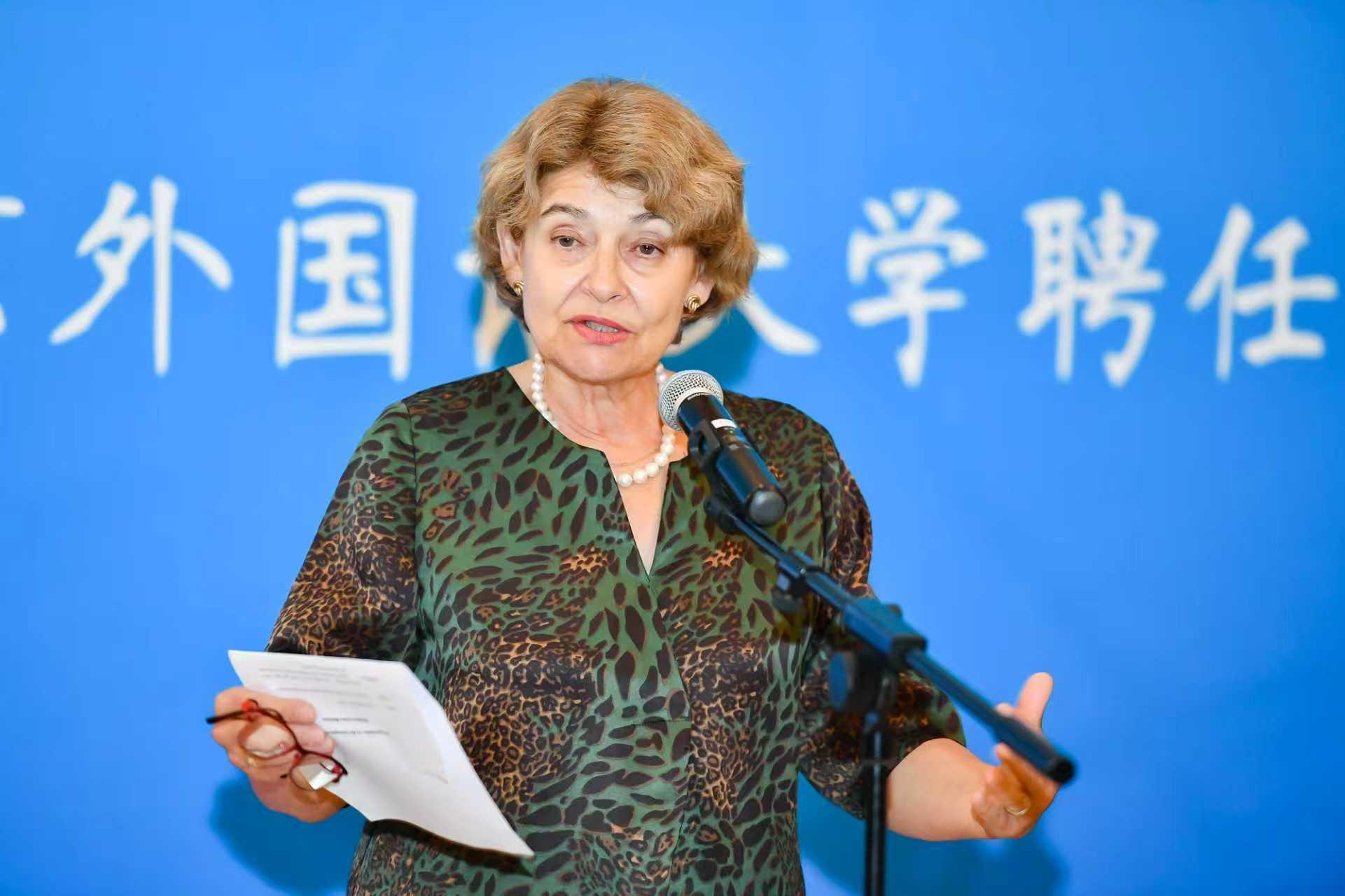
“I believed in those early years of my professional career, and I still do, that multilateralism is vital for living together in peace and mutual understanding,” former UNESCO director-general professor Irina Bokova told Science and Technology Daily in a recent interview.
This conviction, forged during her formative years in international affairs, has been a guiding principle throughout her career and she sees its urgency growing: “Even more so today, when we have huge opportunities for sustainable growth and inclusion, but also challenges—conflict, climate change, and the technological revolution.”
In her view, UNESCO's mission to build peace through education, science, and culture is more relevant than ever. “This profound humanist conviction remains as salient today as it was in 1945,” she said.
As she puts it: Multilateralism is not just a system, it is a necessity for living together.
Heritage as identity
Bokova has long championed a deeper understanding of cultural heritage, one that goes beyond architecture and archaeology.
“We often say that culture and heritage are not about bricks and stones, but about identities and belonging,” she emphasized. “They carry messages from the past that are important for societies today and tomorrow.”
This perspective guided her leadership at UNESCO, where she expanded efforts to protect both tangible and intangible heritage, from ancient sites to oral traditions and endangered languages.
She cited the restoration of Cambodia's iconic Angkor Wat as a powerful example of cross-border cultural cooperation, where Chinese and Cambodian experts worked side by side. “This collaboration is not just technical—it's deeply symbolic of mutual respect and enduring friendship,” she said.
The site, recognized for presenting “an irreplaceable uniqueness and possessing outstanding universal value,” reflects a shared global responsibility. Bokova stressed that such criteria are not ceremonial. They define World Heritage status and justify international commitment to preservation.
She recognizes China's growing leadership in global heritage. “China knows very well the power of culture and the need for the preservation of cultural heritage,” she said. “With its 60 sites on the World Heritage list, and 44 intangible traditions, China is one of the leading countries that innovate and expand the interpretation of the World Heritage Convention.”
The World Heritage Convention is an international treaty adopted by UNESCO in 1972 to protect cultural and natural sites of "outstanding universal value."
Cities as hubs of innovation
Under Bokova's leadership, UNESCO strengthened the Creative Cities Network, linking urban centers that use culture to drive sustainable development. “I am proud that during my tenure I could declare 11 out of these 12 cities members of this important network,” she remarked.
From her perspective, all of this shows China's leadership in crafting new approaches to culture as a powerful driver of creativity and sustainable human development.
"China has found that culture is now an important source of national cohesion and creativity, a pillar of socio-economic development," she said.
For Bokova, culture is not a luxury: “It is a democratic force for social cohesion and social inclusion and for living together in respect to each other.”
She sees institutions like the Beijing Foreign Studies University (BFSU) playing a vital role in preparing future generations for intercultural dialogue. “BFSU has rightfully put forward as its mission equipping students with the knowledge and competencies to understand and respect cultural differences,” she said.
This mission aligns with UNESCO's broader goal of fostering global citizenship through education. When young people learn to navigate cultural diversity with empathy and skill, they become agents of peace and cooperation.
Empowering the next generation for global service
One of Bokova's lasting contributions is establishing the first internship program between a UN agency and China, a milestone in China-UNESCO cooperation. It made UNESCO the first UN agency to engage in such cooperation with China, “opening pathways for Chinese talent to enter international organizations.”
The program created structured training and career opportunities, enabling young professionals to contribute to multilateral work. It includes mentorship, language training, and placements in UNESCO’s headquarters and field offices.
She thinks the UN must continue to attract diverse, committed talent: “The UN needs people who believe in multilateralism and are committed to its values, inclusivity and equity. The UN needs people who are committed to making this world a better place for all, who are competent, knowledgeable and, at the same time, ready to embrace change."
Future leaders, she insisted, must be equipped to navigate complex global challenges. “The UN needs people who share the humanistic vision of respect for all cultures and for diversity and who are capable of dealing with complex issues of conflict prevention, development needs and humanitarian action.”
Such professionals have to be nurtured. The China-UNESCO program exemplifies how targeted investment in human capital can strengthen global institutions and ensure they reflect the diversity of the world they serve.
The BFSU also contributed to this article.