

Are Low GI Foods Always Healthy?
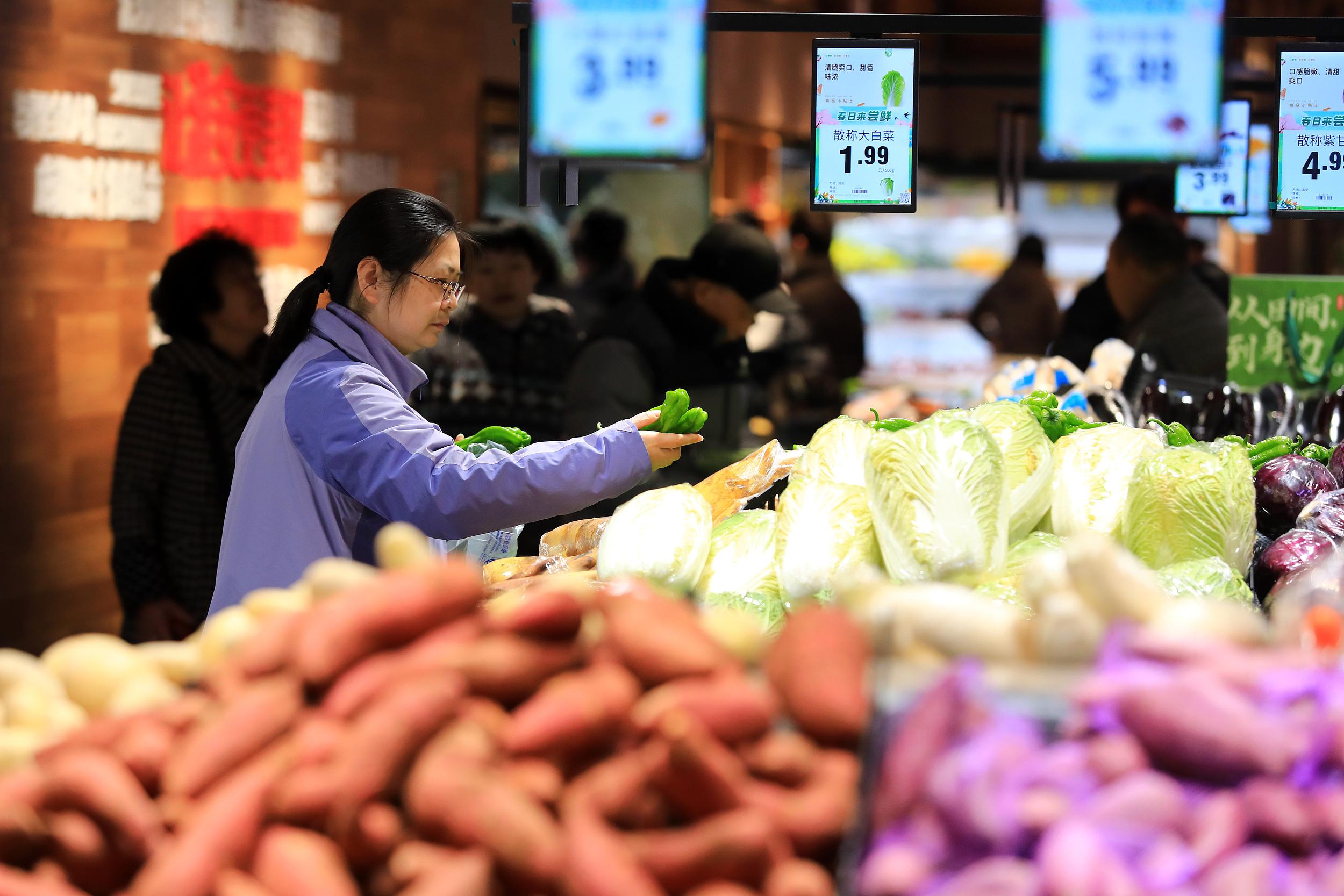
In many supermarkets, low glycemic index (GI) foods are prominently displayed, occupying almost half of the shelves. However, Science and Technology Daily reporters' investigation found that these low GI foods are generally priced 30 percent to 50 percent higher than similar products.
As the concept of healthy eating is now more widely accepted, low GI has gone from a professional nutritional term to a popular consumer buzzword. However, many consumers have unanswered questions about the health benefits of low GI foods and its masquerading as a marketing gimmick. To address these questions and demystify these food groups, the reporters sought answers from experts in the field.
The GI ranks carbohydrate-containing foods from 0 to 100, based on how quickly they raise blood sugar. According to China's national standards, foods with a GI of and below 55 can be labelled as low GI. These foods are characterized by a slow rise in blood sugar after consumption and a strong feeling of satiety, which theoretically helps stabilize blood sugar levels after a meal. Examples of low GI foods include legumes, non-starchy vegetables, fruits, whole grains and dairy.
"GI is a voluntary labelling item for food products. The initial purpose of labelling is to protect consumers' right to know and facilitate food choices for specific groups," explained Fan Zhihong, a professor at the College of Food Science and Nutritional Engineering at China Agricultural University.
Businesses cannot simply implement low-GI labelling at will. According to the Technical Specifications for Low GI Product Certification, businesses must submit their products to a qualified national certification body for testing. Consequently, an increasing number of consumers believe that foods labelled low GI are necessarily low-sugar, low-fat and low-calorie health foods.
Is this really the case? "Low GI does not equal low calorie, Fan explained further. The GI value primarily describes foods high in carbohydrates. If a food contains a high proportion of fat or protein and a low proportion of carbohydrates, blood sugar levels may rise slowly after consumption, but the total calorie content may be high.
In other words, a low GI cake that is high in oil and sugar may contain far more calories than a banana with a slightly higher GI that is rich in dietary fiber.
Experts warn that the health value of a food is not solely dependent on its GI value, and that it is essential to consider its fat, sodium, dietary fiber, vitamin and mineral content too. Determining a food's health value based solely on its low GI label is neither comprehensive nor scientifically sound.
Sun Yu, director of the Department of Endocrinology at Xuanwu Hospital of Capital Medical University, advises consumers to carefully check the ingredient list and nutrition facts label when purchasing food, as well as paying attention to whether it has a low GI label.
"If a low GI food has butter, cream and white sugar high on its ingredient list and its nutrition facts label shows high levels of fat and sodium, this means its calorie content is likely to be excessive. Therefore, even if it has a low GI value, it cannot be considered a healthy food," Sun added.