

Legendary Chinese Bows
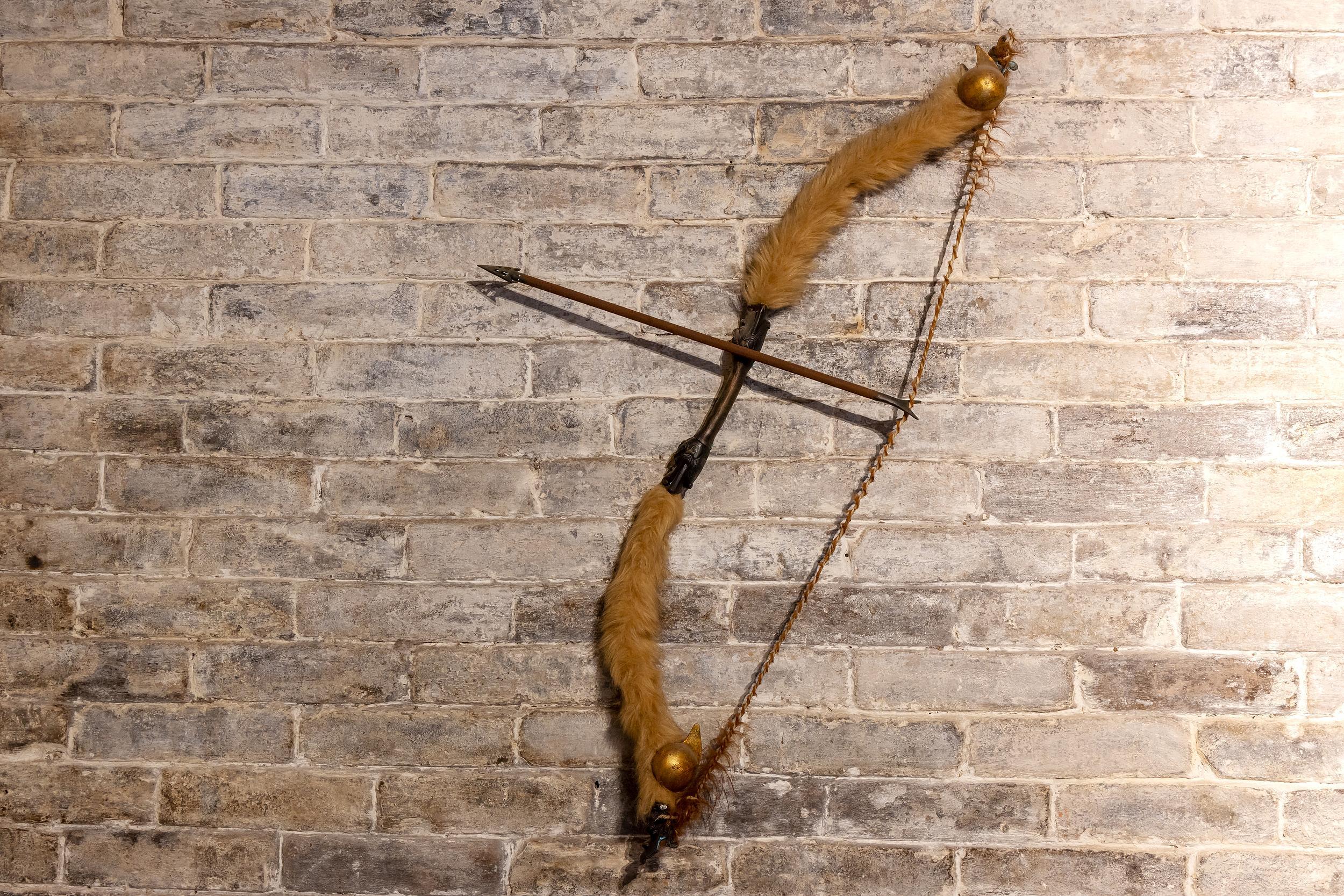
The bow served as the dominant weapon in ancient Chinese combat, and mastering its use was regarded as a vital military and ritual skill for thousands of years. Over the centuries, archers were used as infantry, chariot riders and cavalry. Although the significance of this weapon was challenged by the sword and crossbow, it continued to be an essential part of a commander's strategy on the battlefield, particularly during initial maneuvers, withdrawals and city defenses.
The bow has consistently been a key element of Chinese culture, with hunting and shooting from horseback being a popular activity among the aristocracy in China, possibly as far back as the Shang Dynasty (1600-1046 B.C.). The Shang notably granted the designation of Archer-Lord to the chiefs of conquered tribes, illustrating the great regard the bow enjoyed in ancient China, similar to the sword's status in western Europe.
The designs of both the bow and the arrow changed over time and across different locations. The most basic bows were crafted from wood or horn, whereas composite bows began to emerge during the Shang period — these bows consisted of as many as eight parts, including individual bamboo strips joined together or fastened with silk. Various types of wood utilized included silkwood thorn, wild mulberry, orange wood and quince.
All these woods, bamboo and horn were meticulously chosen and blended for their compressive or elastic qualities to achieve the most potent firing power.
Glues were created from plant or animal substances, and eventually fish glue was discovered to be the most effective. Animal sinew or tendon was utilized to wrap the completed bow and enhance its flexibility. The last step was to apply lacquer to the bow, safeguarding it from moisture. The bowstring was probably crafted from twisted strands of silk, leather or plant fibers, particularly bamboo.
It is noteworthy that arrows were often included in tombs, representing their significance to the deceased in the afterlife.
In the sixth century B.C., Confucius reinforced the significance of archery in the national consciousness by asserting it was among the six skills in the aristocratic education system in ancient China for self-cultivation.