

友情链接
- Copyright © Science and Technology Daily, All Rights Reserved
- 科技日报社 中国科技网 版权所有

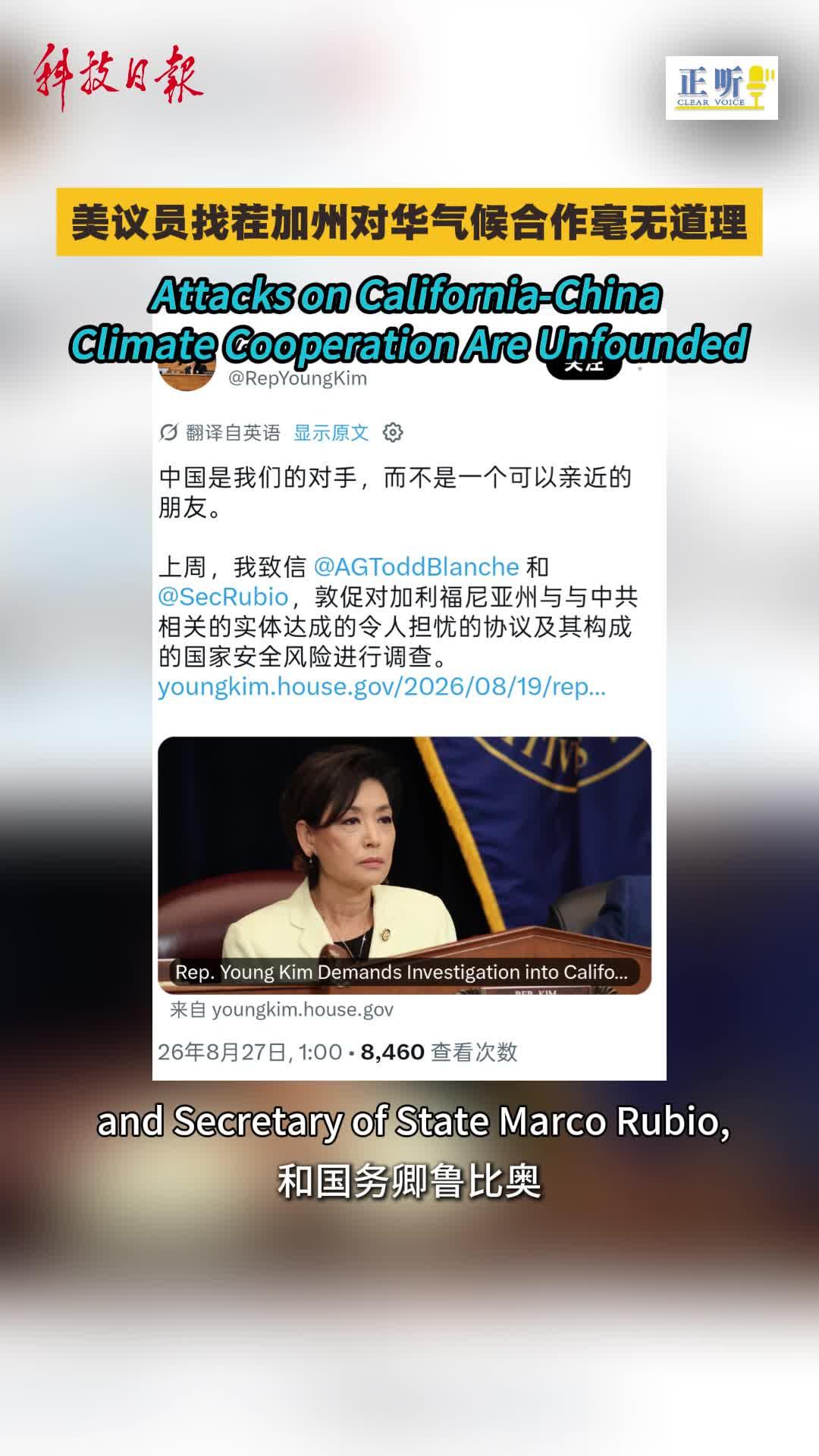
Recently, several U.S. lawmakers, including Representative Young Kim, jointly sent a letter to Attorney General Todd Blanche and Secretary of State Marco Rubio, calling for an investigation into California's climate cooperation with China.
The U.S. Department of Defense has ordered 30 domestic universities to immediately review their collaborations with foreign entities of concern.
Forcing other nations to pick sides gains no support and will ultimately leave the U.S. in an isolated position with few allies.

With the advent of the AI era, the entrepreneurial spark of One-person Companies (OPCs) is gaining significant momentum. As numerous cities roll out targeted policies and establish funds to support OPC development, industry experts at the inaugural "AI+OPC" Innovation and Development Conference in Hangzhou recently shared insights into how OPCs can thrive.
On August 4, U.S. media reported that the Federal Communications Commission (FCC) is drafting measures to ban imports of new Chinese optical transceivers, with some officials aiming to publish and implement the policy later this year.

China's Ecological and Environmental Code, the world's first code specifically named after the ecological environment, has drawn the attention of experts from around the globe. They regard it not only as a significant legal achievement in advancing China's ecological civilization, but also as a solid legal model for promoting the joint construction of a clean and beautiful world.

Last month, Wang Hong and Deng Yu became the first Chinese mathematicians to win the Fields Medal, and their stories have inspired people across China. During a press conference of the Ministry of Foreign Affairs, a spokesperson responded to a related question, saying: "This is not only the result of individual hard work, but also a vivid reflection of the vibrant spirit of today's Chinese youth, embodying the confidence and courage to forge ahead and give their all."
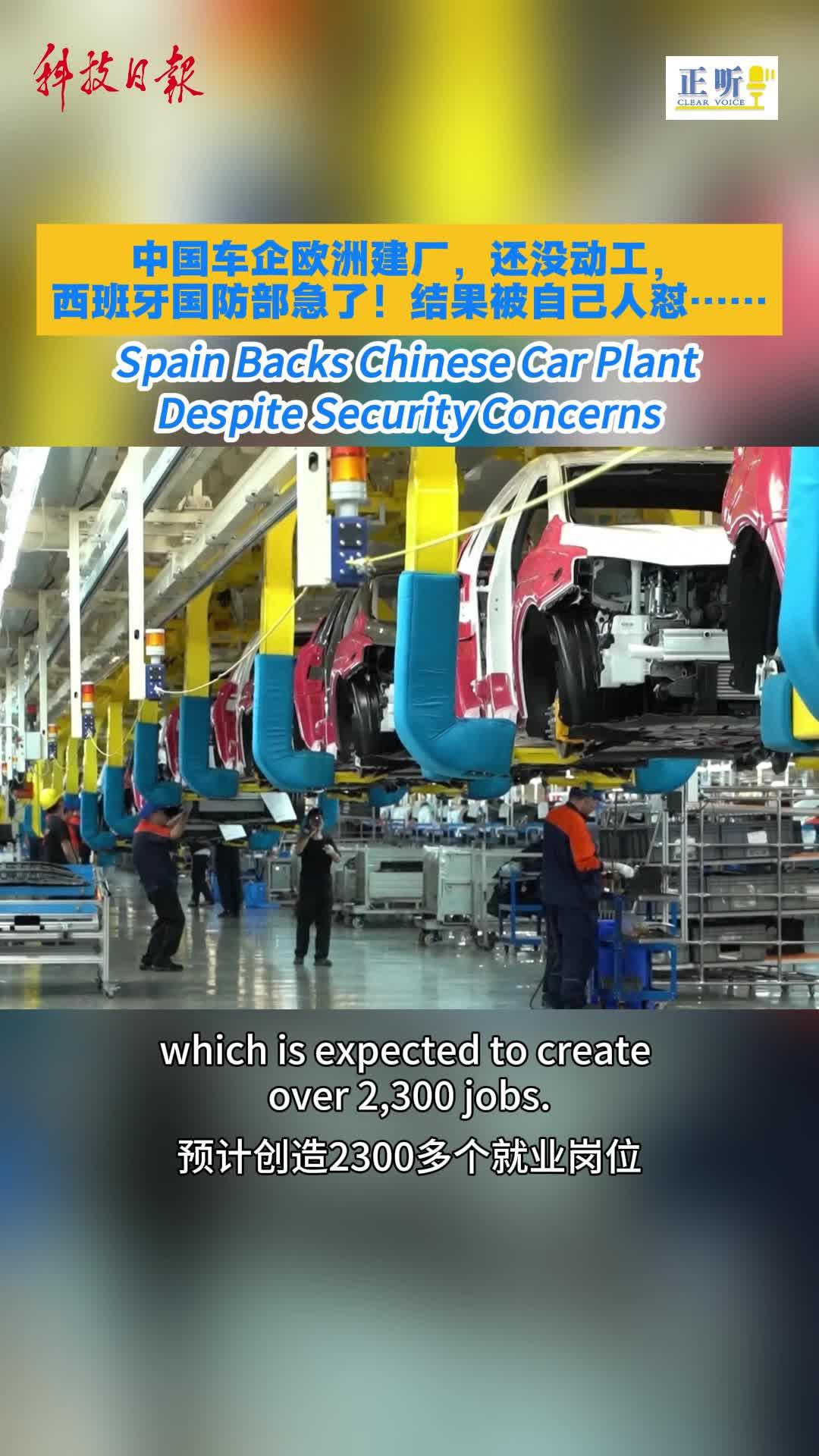
In June, China's SAIC Motor announced plans to build its first European electric vehicle factory in Ferrol, Spain, which is expected to create over 2,300 jobs. But just as the project awaited approval, Spain's Ministry of Defense issued a warning over so-called "espionage risks." This claim simply does not hold water. Even local officials see it clearly — the so-called security issue is nothing more than a label pinned on competitors when they can't win on merit.
Banning New Chinese-made Optical Transceivers Is a Blunder
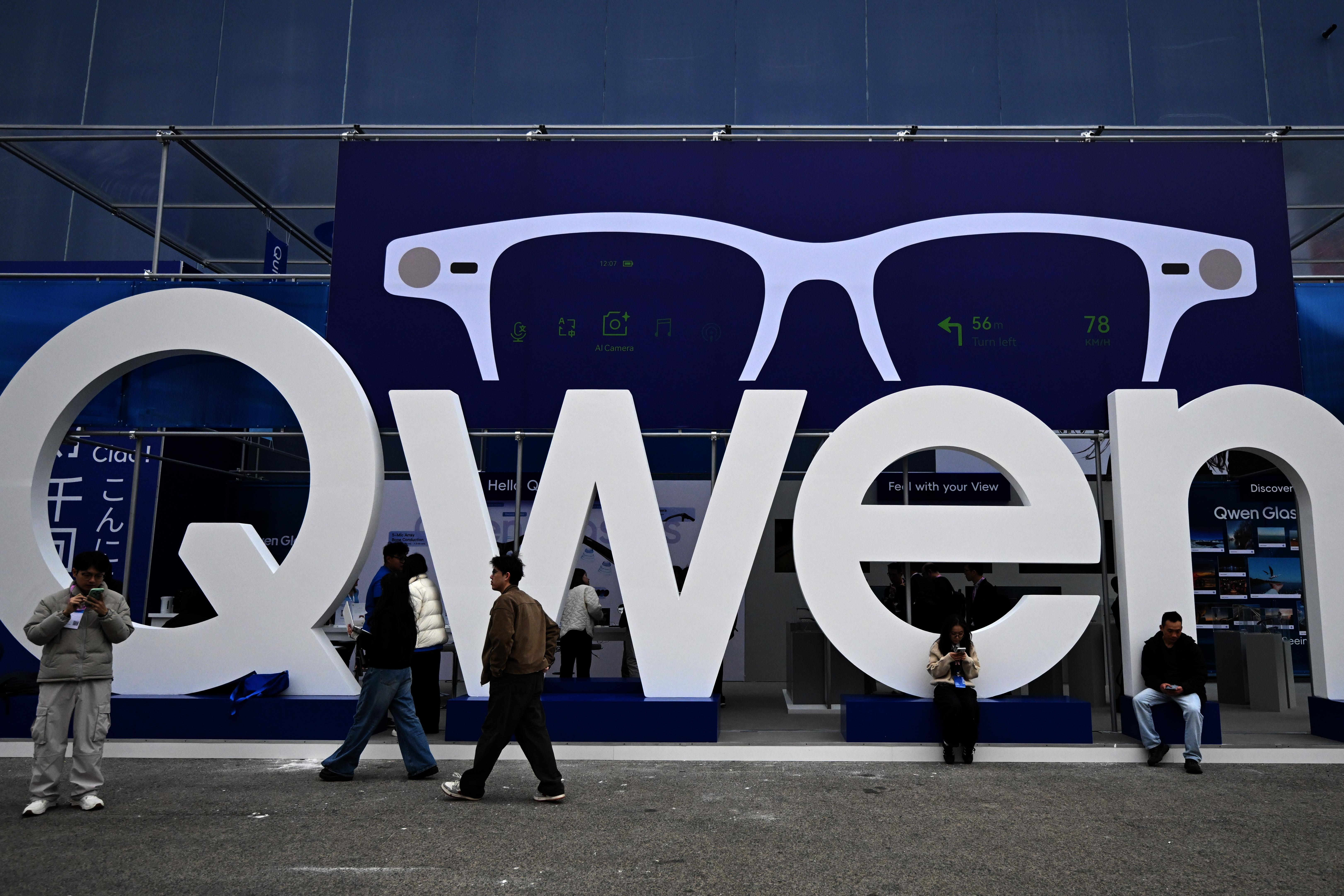
The Little Tech Association, a group of nearly 200 Silicon Valley companies, recently wrote to the White House and government officials like Commerce Secretary Howard Lutnick, urging them not to restrict access to Chinese open-weight AI models.
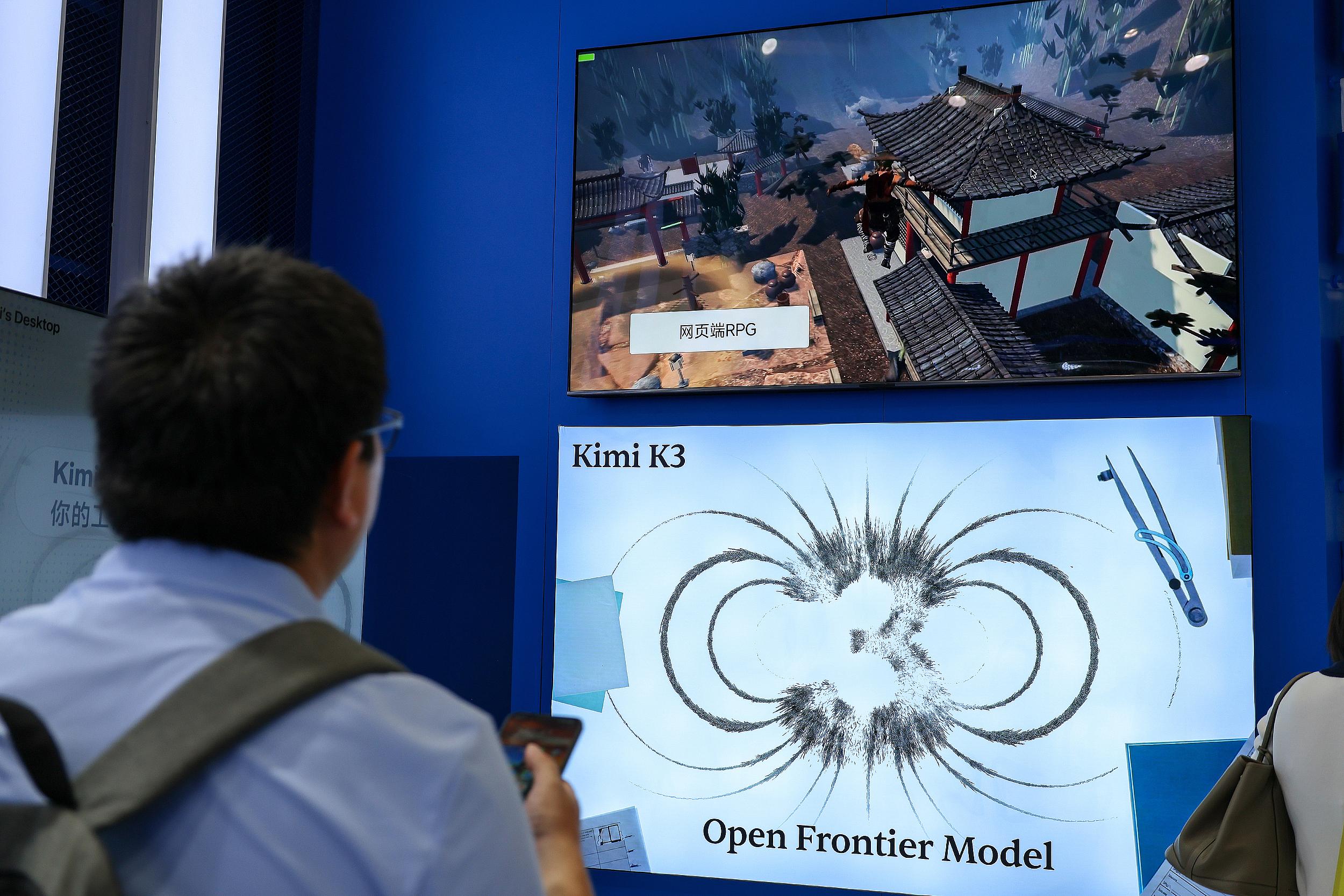
Western media outlets said the unveiling of K3 last month demonstrated a rapidly narrowing gap between China and the U.S. in frontier AI models.

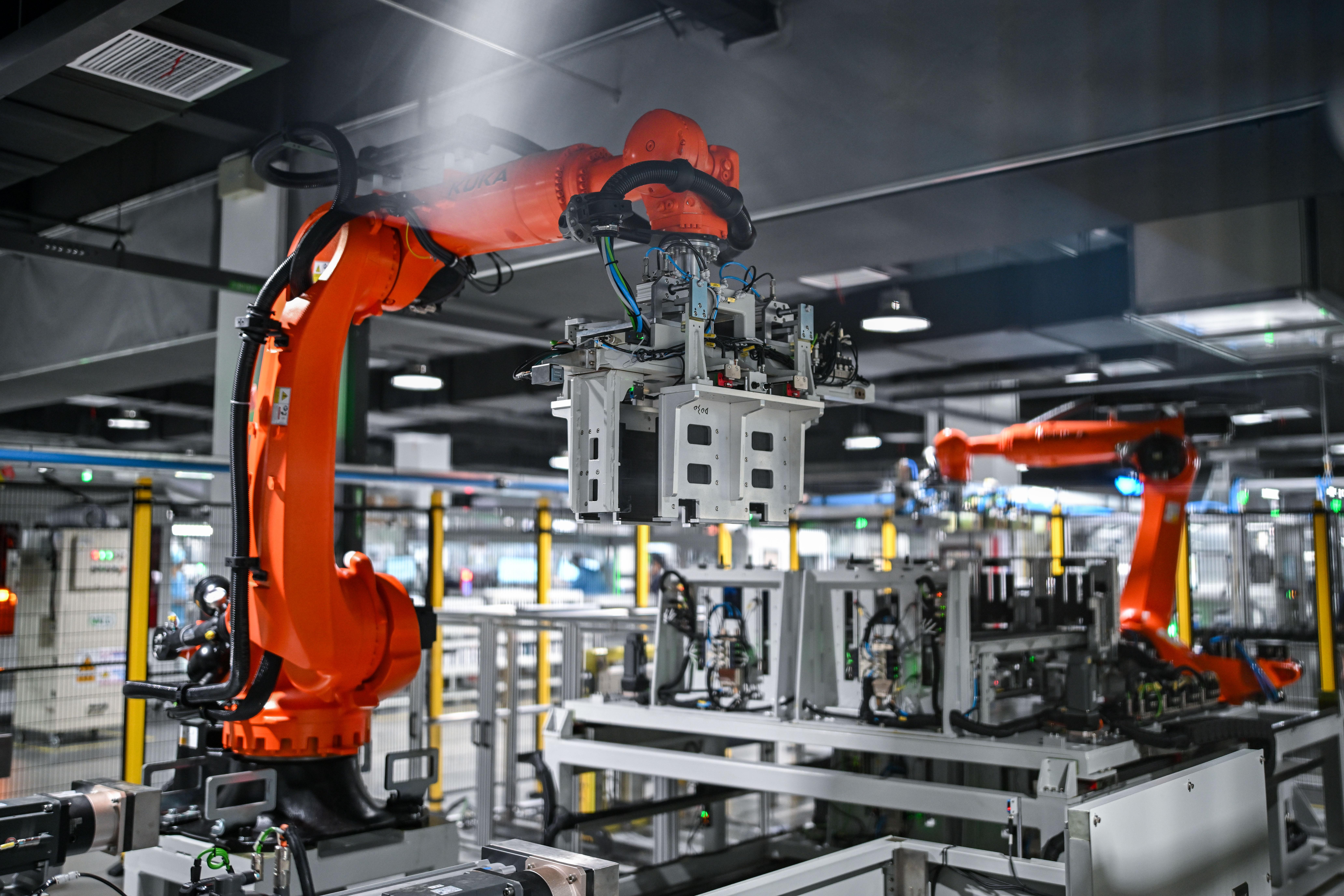
The U.S. has once again invoked "national security" to target Chinese robotics. On July 28, the U.S. Federal Communications Commission (FCC) announced that it would add foreign-produced "advanced robotic devices" and connected power inverters to its Covered List.
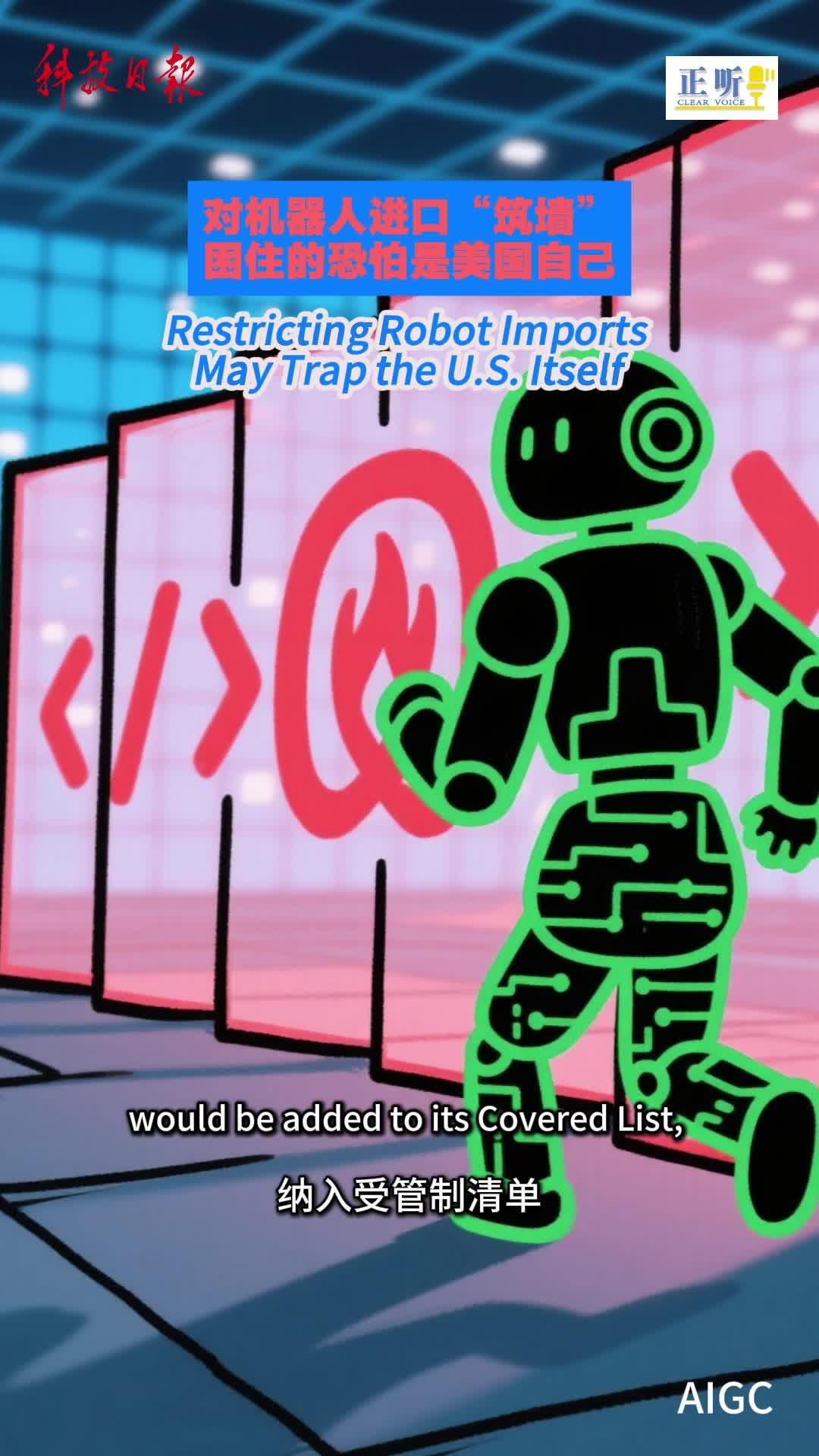
On July 28, the U.S. Federal Communications Commission announced that "advanced robotics equipment" manufactured abroad would be added to its Covered List, limiting the entry of such products into the U.S. market.

On July 22, Michael Kratsios, director of the White House Office of Science and Technology Policy (OSTP), suddenly claimed on social media that Chinese AI company Moonshot AI had developed its Kimi K3 model by distilling Fable, a model developed by U.S. AI company Anthropic. Just hours later, U.S. Treasury Secretary Scott Bessent threatened that Washington would use sanctions and "Entity List restrictions" to respond to what he described as Chinese companies' use of distillation.
A U.S. report previously pushed a "China Squeeze" narrative, and now mainstream U.S. media are claiming China is "pulling up the ladder," falsely accusing China of squeezing out the Global South's industrial space. They're trying to stage a divisive drama, but facts speak louder than words.

In covering the 2026 World AI Conference and High-Level Meeting on Global AI Governance, multiple international media outlets reported that global AI technological innovation has entered an unprecedented period of vitality. China is driving technological advancement, bridging the digital and AI divide, and improving global governance. This has injected momentum into promoting AI development that is positive, ethical, and beneficial to humanity.
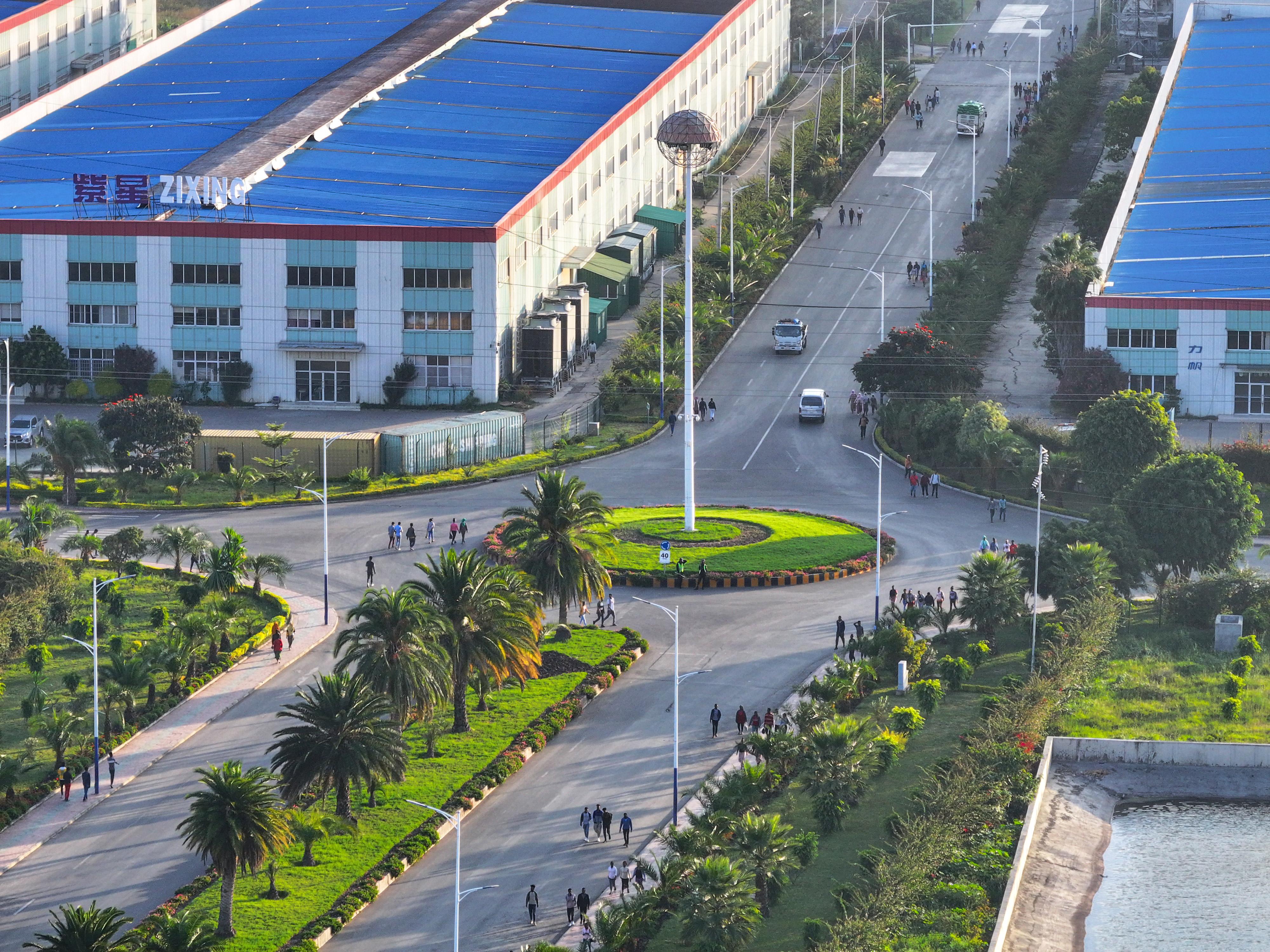
U.S. think tank Peterson Institute for International Economics recently introduced a new term — "China squeeze," arguing that China's manufacturing sector is not only challenging advanced industries in Europe and the U.S., but also crowding out the industrialization opportunities of other developing countries in the Global South.
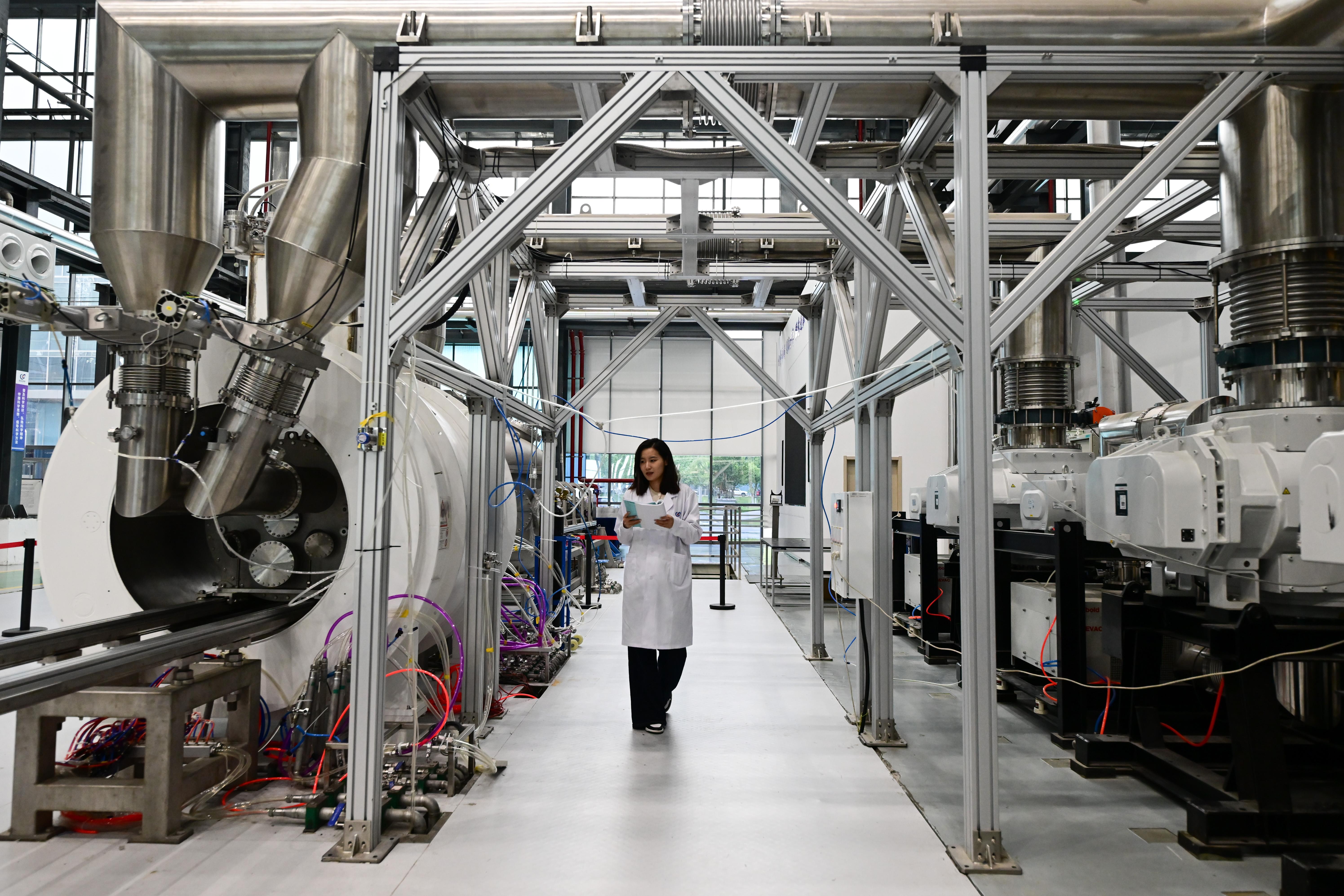
The U.S. National Science Foundation (NSF) recently issued a "Dear Colleague" letter, announcing plans to introduce a so-called new "research security policy" in fiscal year 2027. Citing concerns including "national security," the proposed policy would prohibit NSF-funded projects from collaborating with entities listed on what it describes as U.S. "Restricted Party Lists," including the U.S. Department of Commerce's Bureau of Industry and Security (BIS) Entity List, the Department of Defense's Section 1260H list, and the Federal Communications Commission's (FCC) Covered List.

While the U.S. is the "superhero" of global AI, China is the "supervillain." This claim was made by U.S. House Foreign Affairs Committee Chairman Brian Mast at a recent think tank event on "Securing America's AI Advantage: A Discussion on U.S. Export Control Policy."

China's software industry has surpassed 15 trillion RMB in scale. The rapid development of AI technology is bringing transformative challenges, with traditional models of R&D, business operations, and underlying technical systems facing multiple bottlenecks. All this has made transformation necessary and urgent.

Chinese President Xi Jinping has sent a congratulatory letter to the Science and Technology Daily on the occasion of the 40th anniversary of its founding.
Using flotation, a relic salvage technique, researchers have recovered microscopic plant remains from historical sites in China. Foxtail millet traces dating to around 8,600 years ago were unearthed at the Xinglong Site in Hebei and the Simagou Site in Inner Mongolia in north China; 7,700-year-old broomcorn and foxtail millet remains were found at Hebei's Sitai Site and Inner Mongolia's Yumin Site.