

友情链接
- Copyright © Science and Technology Daily, All Rights Reserved
- 科技日报社 中国科技网 版权所有

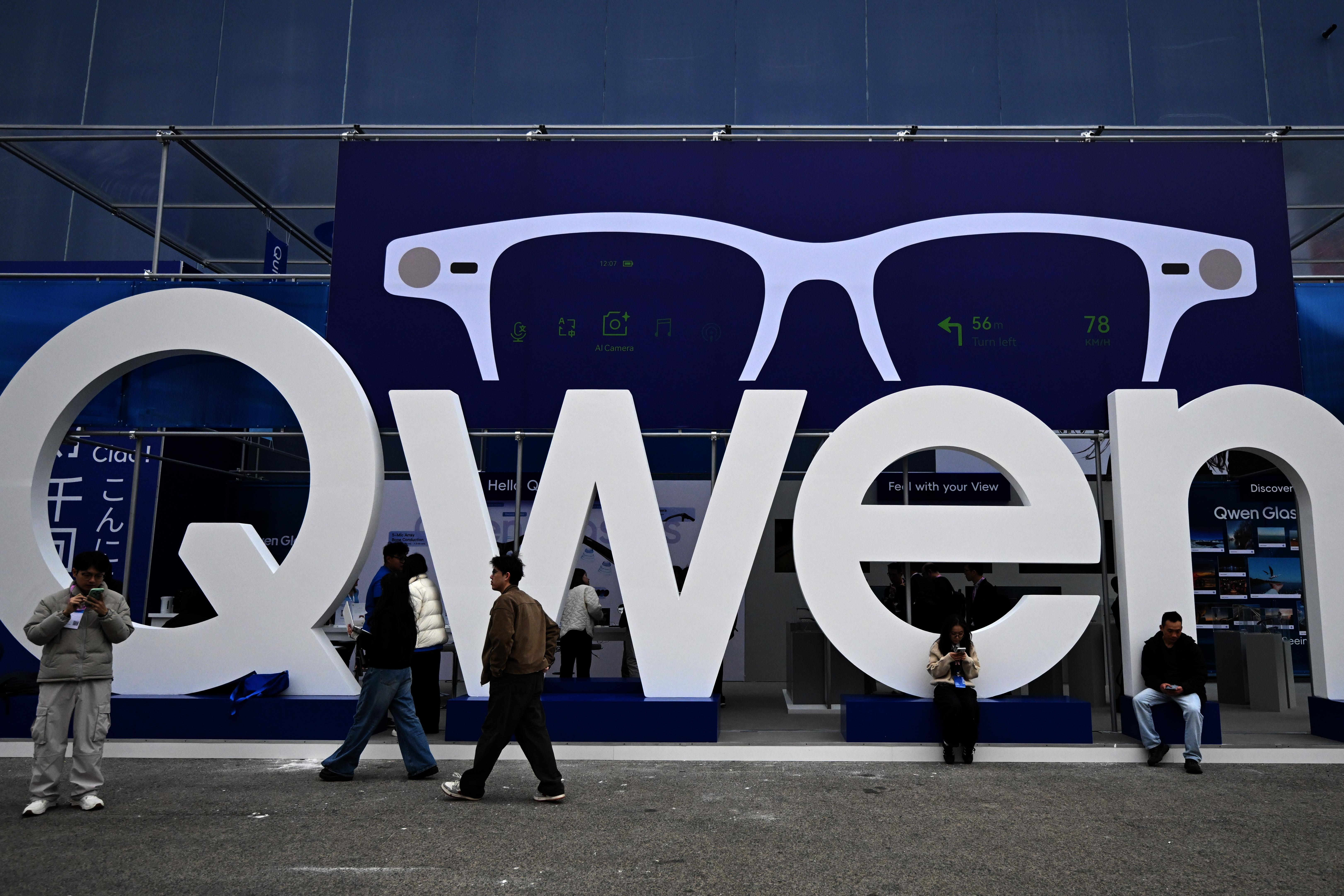
The Little Tech Association, a group of nearly 200 Silicon Valley companies, recently wrote to the White House and government officials like Commerce Secretary Howard Lutnick, urging them not to restrict access to Chinese open-weight AI models.
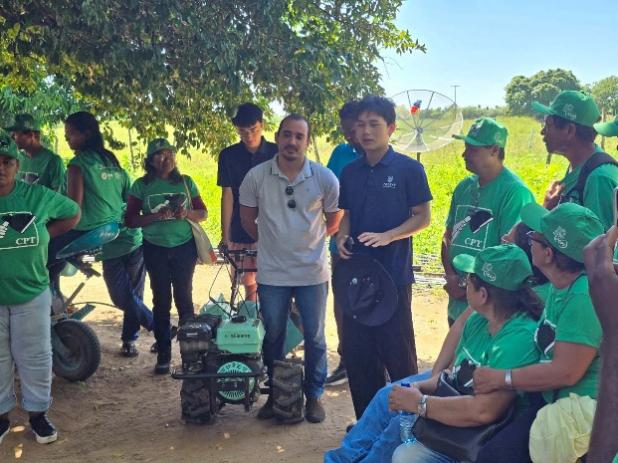
This is a snapshot of daily operations at the "Sci-tech Backyard (STB)" for smart agriculture jointly built by China and Brazil. To date, over 400 hectares at FAL, about 200 hectares in Apodi municipality in northeast Brazil, and nearly 133 hectares in the city of Londrina in southern Brazil have been transformed into smart demonstration zones. Chinese-backed solutions have nearly doubled the efficiency of large-scale corn farming.
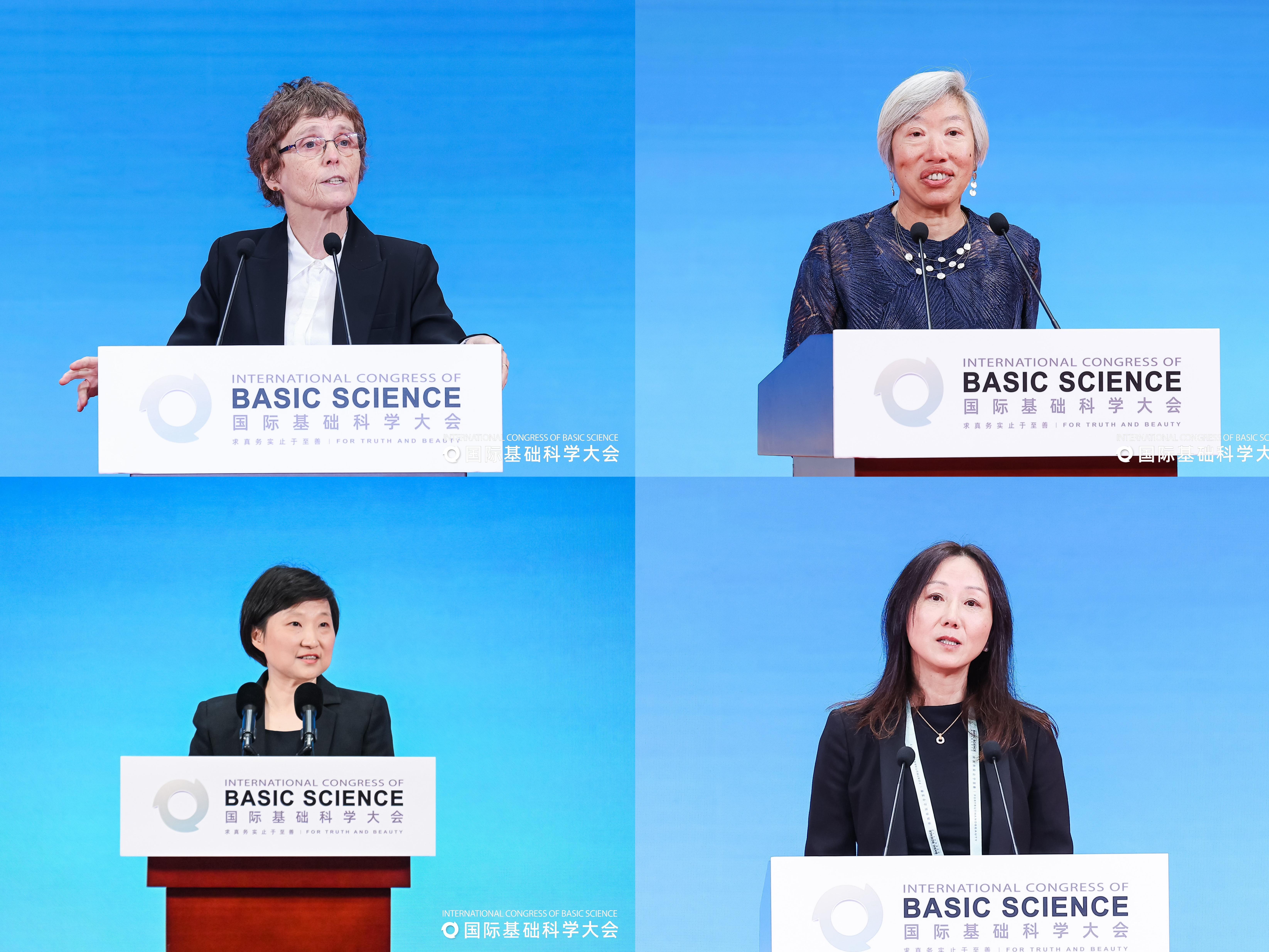
Among the nine recipients of the ICBS Medal awarded at the 2026 International Congress of Basic Science (ICBS), four are women: Claire Voisin, Andrea J. Liu, Bao Zhenan, and Zhuang Xiaowei. Shing-Tung Yau, chair of ICBS, highlighted this in his opening address, noting that "women researchers are contributing to every stage of scientific progress through their distinctive intellectual perspectives and sustained dedication."

The 2026 World AI Conference (WAIC) and High-Level Meeting on Global AI Governance will be held in Shanghai from July 17 to 20. Chinese President Xi Jinping will attend the opening ceremony and deliver a keynote address.
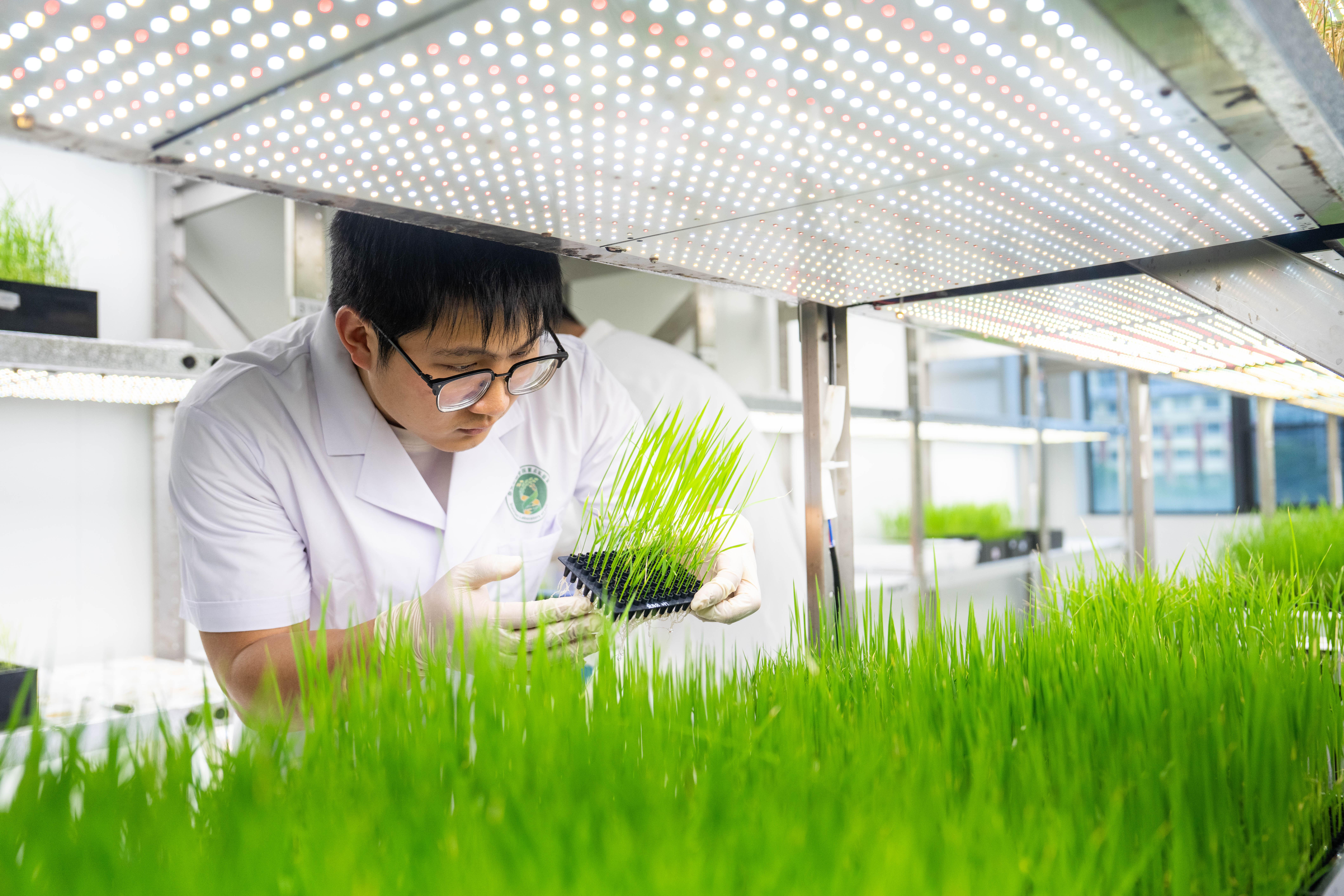
Science magazine has reported that in May, several members of the U.S. Congress introduced the Securing Innovation and Research from Adversaries (SIRA) Act, a bill that would prohibit U.S. researchers from using federal funds to collaborate with "blacklisted" Chinese entities. These include Chinese institutions and individuals. Joint research projects, co-authored papers, data sharing, personnel exchanges, and even the co-supervision of students would all be prohibited.

During the 14th Five-Year Plan period (2021-2025), China's capacity for scientific and technological innovation significantly improved, with breakthroughs in core technologies in key fields accelerated, according to an official report released by the National Bureau of Statistics on June 2.
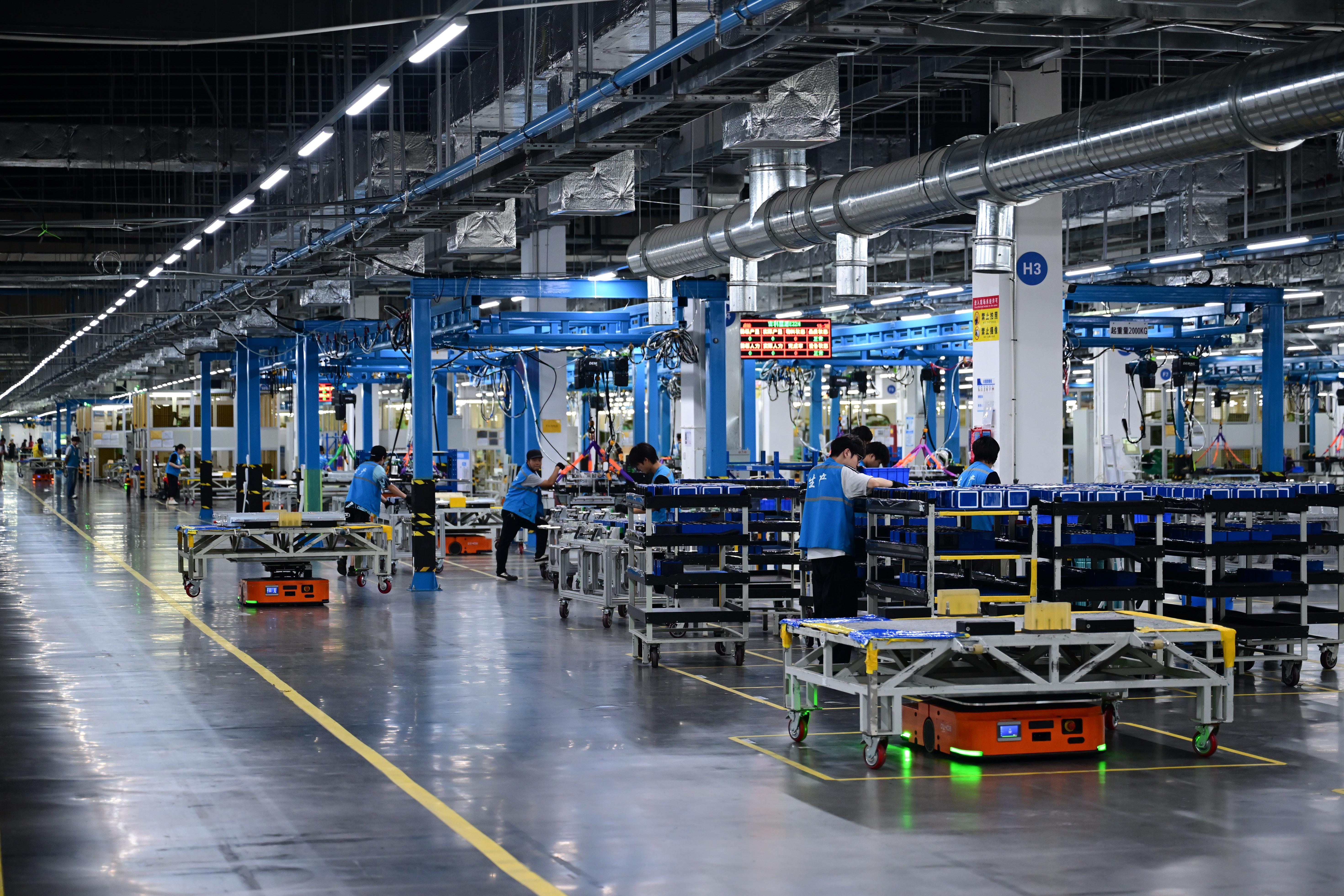
China aims to capitalize on the trends of a new scientific and technological revolution and industrial transformation, to advance its new-type industrialization, according to a State Council executive meeting held on June 5.
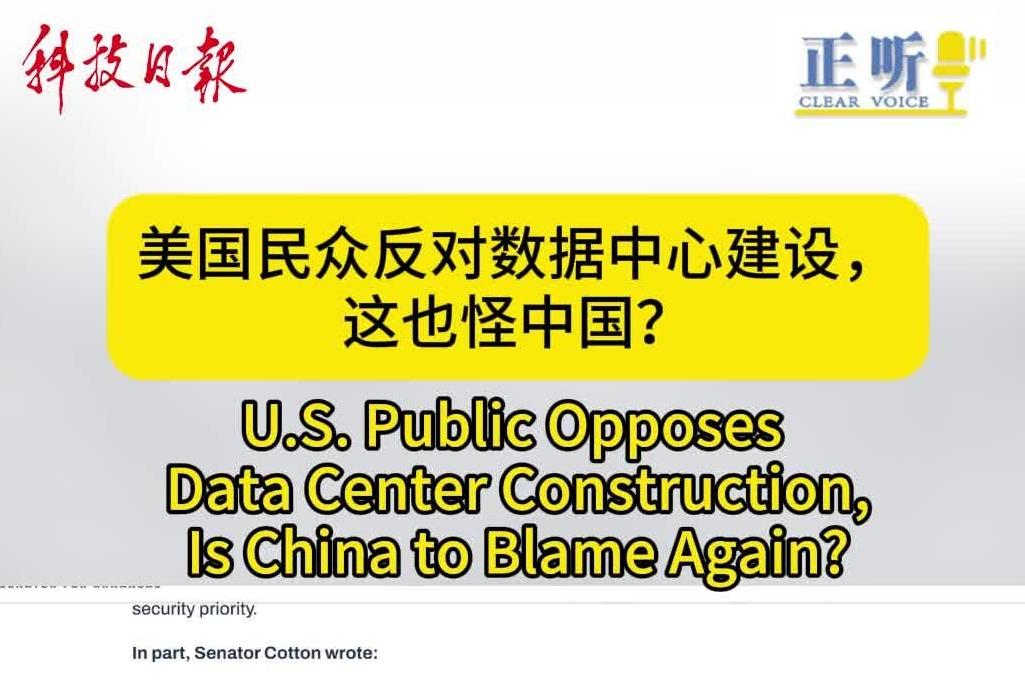
U.S. Senator Tom Cotton recently requested a DOJ investigation into alleged Chinese manipulation of U.S. data center policies and public opinion. At the same time, OpenAI released a report alleging that suspected Chinese accounts have been fueling anti-data center narratives on social media.

From both the commercial and global governance perspectives, moves to restrict U.S. biotech investment in China are shortsighted and extremely unwise, reflecting an overreach of national security rhetoric among certain U.S. politicians who politicize normal commercial cooperation.

Initially relying primarily on transplanting wild specimens, flower cultivation during the Spring and Autumn Period evolved into artificial cultivation. The Rites of Zhou, a Chinese text on bureaucracy and organizational theory, documents the existence of officials who were appointed to oversee gardens and orchards.
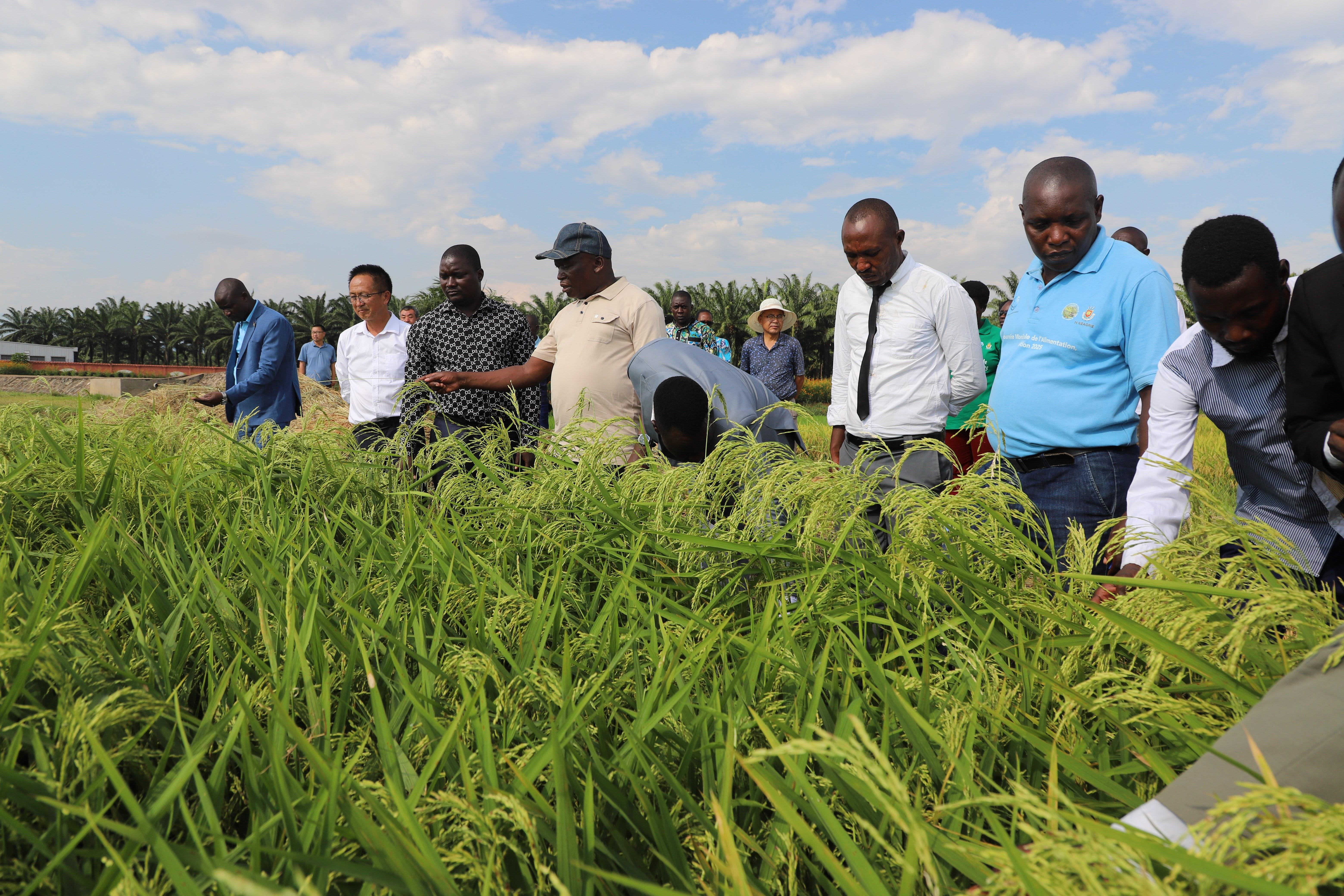
This is no ordinary grain. It is proof that Chinese hybrid rice has taken root across Africa — and it is not just surviving, but thriving and changing lives.
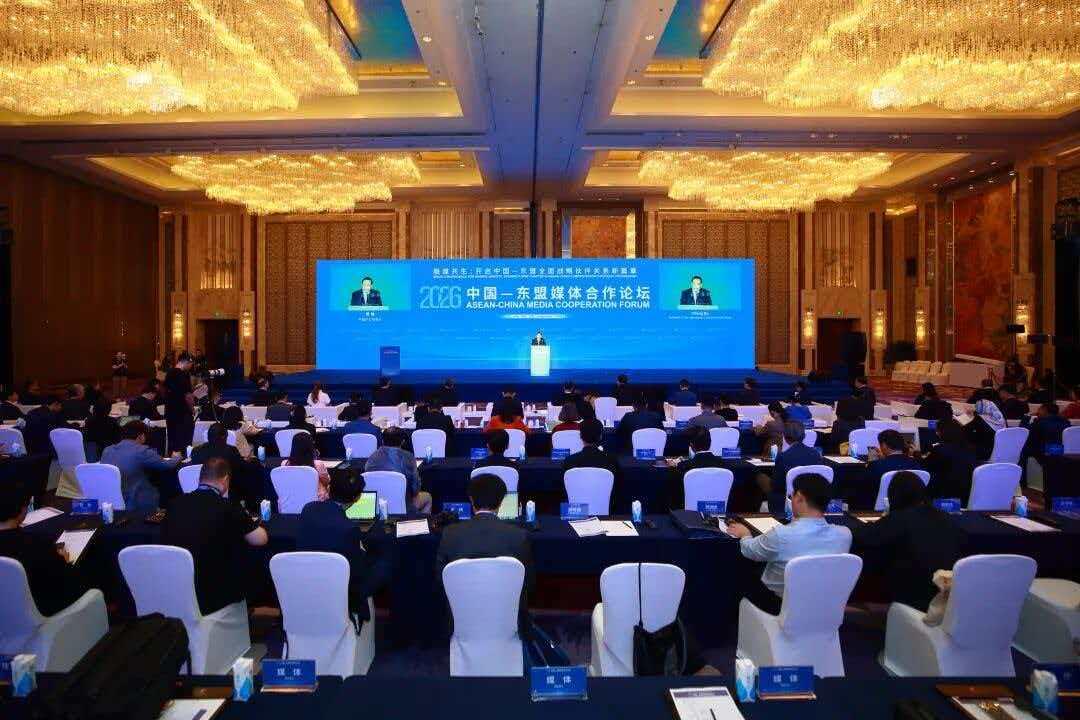
Under the theme "Media Convergence for Shared Growth: Opening a New Chapter in the ASEAN-China Comprehensive Strategic Partnership," the 2026 ASEAN-China Media Cooperation Forum was held on June 9 in Shenyang, northeast China's Liaoning province. Now in its ninth year, the forum aims to establish a strong rapport between China and ASEAN, invigorate international communication, and advance cross-border media collaboration.
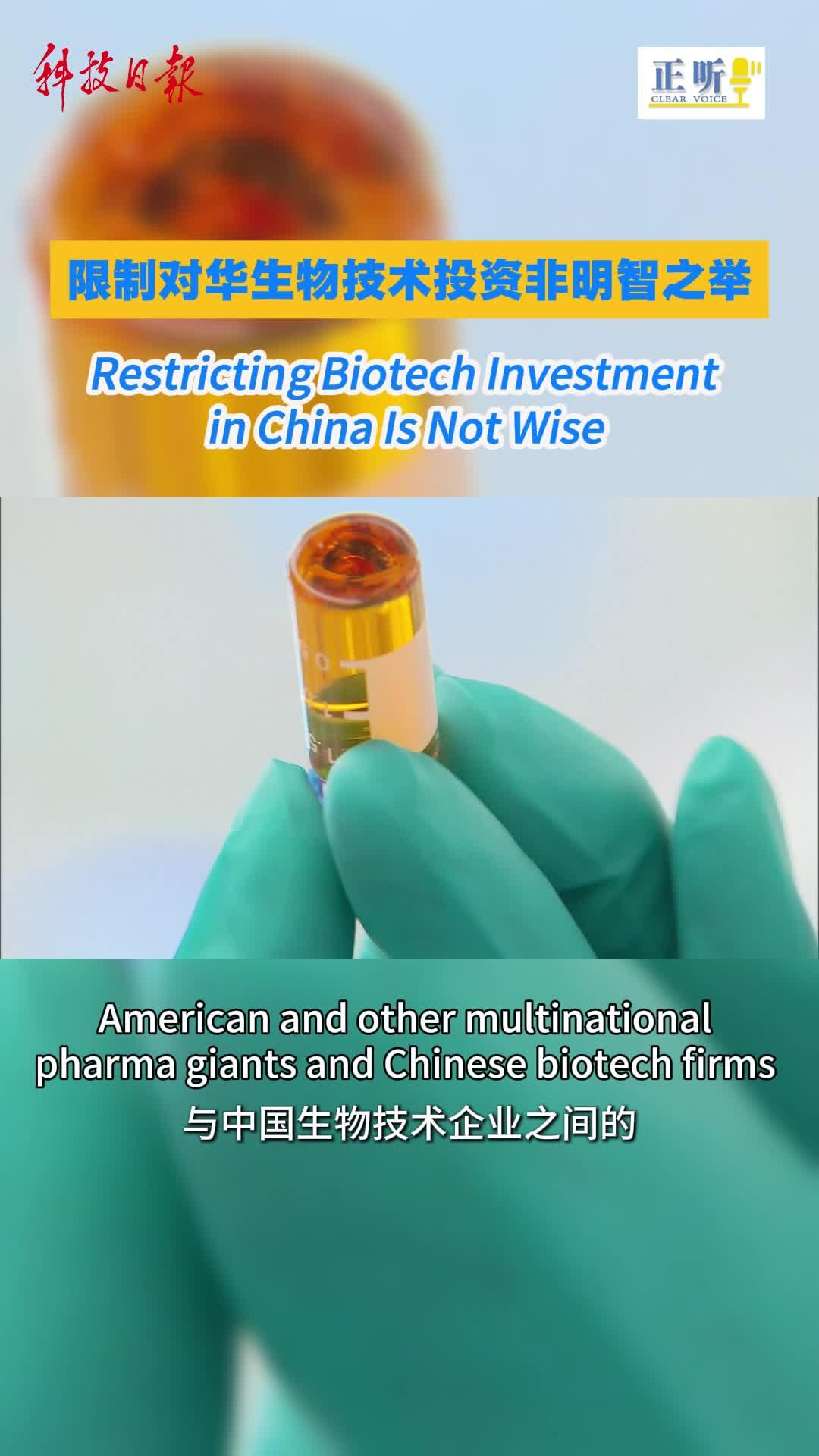
Recently, John Moolenaar, chairman of the House Select Committee on China, urged the U.S. Treasury to add biotech as a prohibited technology under the Comprehensive Outbound Investment National Security Act of 2025, aiming to limit American investment in China's biotech sector. But here's why that might backfire!
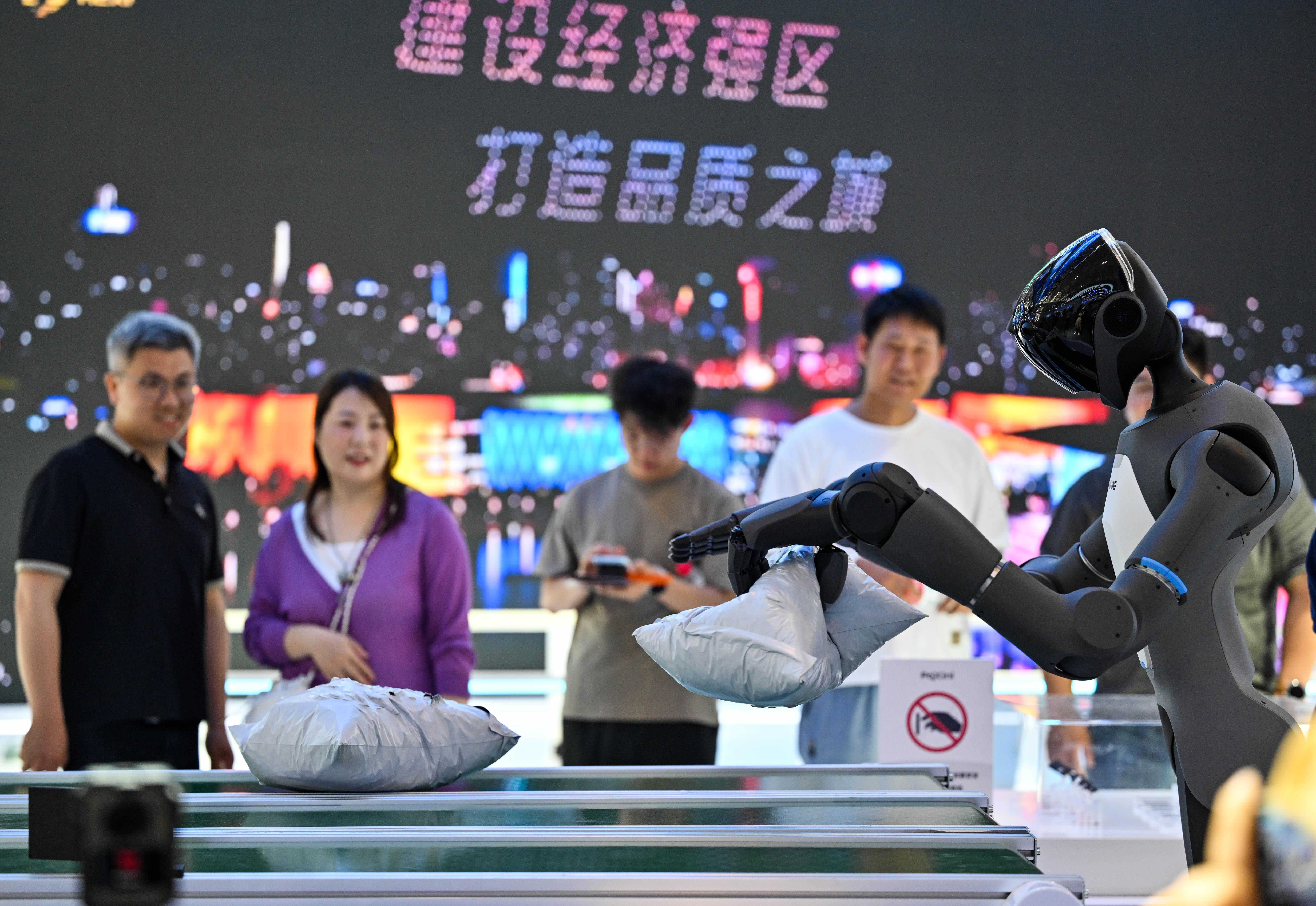
On May 14, Anthropic, a U.S. artificial intelligence (AI) company, released a policy paper that was inexplicably ill-timed. Rather than advocating dialogue and cooperation between China and the U.S. on AI, Anthropic instead advised Washington to adopt tougher measures to slow down China's AI development.

The EU's "three-supplier rule" is blatant protectionism cloaked in "supply chain security" and yet another example of the politicization and securitization of economic and trade issues.
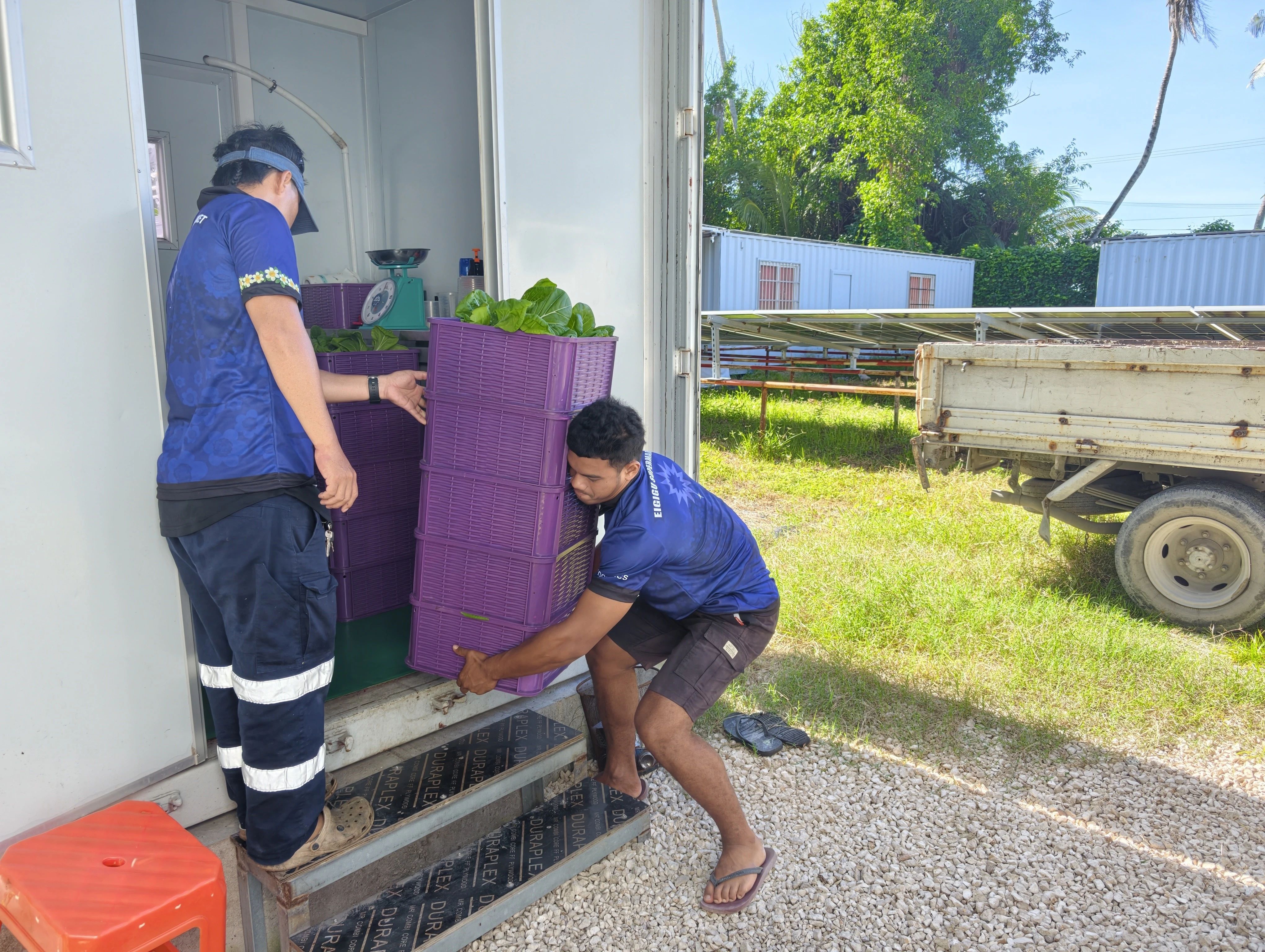
Two shipping containers, equipped with Chinese soilless hydroponic technology, now produce fresh lettuce and other vegetables every Monday, Wednesday and Friday. The system is efficient and climate-independent — ideal for an island nation like Nauru.
As China and Pakistan celebrate the 75th anniversary of their diplomatic relations this year, bilateral sci-tech cooperation is reaching new heights, with a Pakistani astronaut scheduled to join a mission to China's space station. The two countries have made substantial achievements in sci-tech cooperation under various mechanisms, especially the China-Pakistan Economic Corridor, a flagship project under the Belt and Road Initiative.

China has become the first country to grant frequency usage permits for sixth-generation (6G) technology trials. This key regulatory step, made possible after the 6GHz band was approved by the Ministry of Industry and Information Technology (MIIT), will shift 6G research from laboratory simulations to scenario validation, significantly accelerating its commercialization.
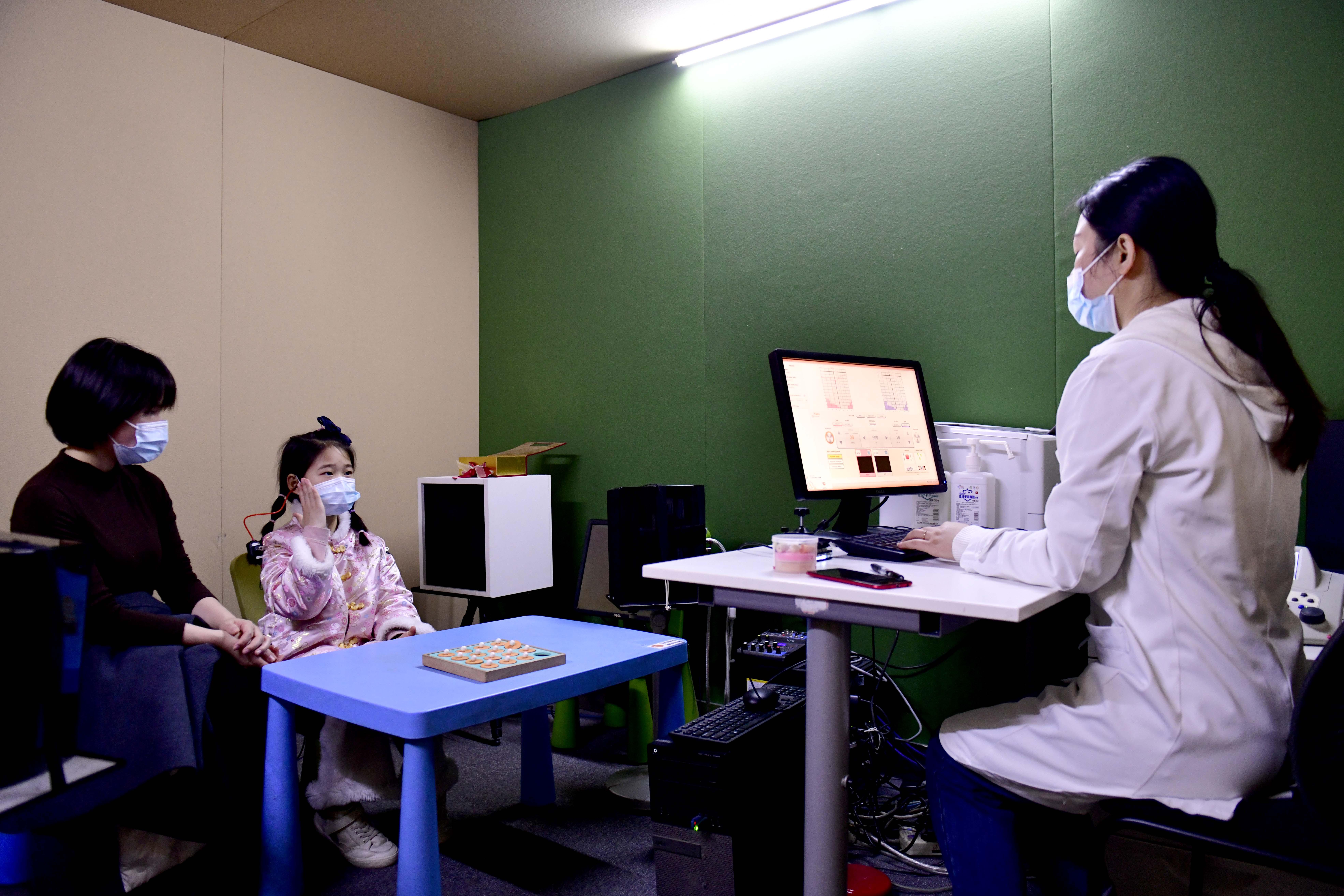
China's Ministry of Science and Technology has issued ethical guidelines for human genetic data research to promote responsible innovation and the healthy, orderly development of human genetic data.
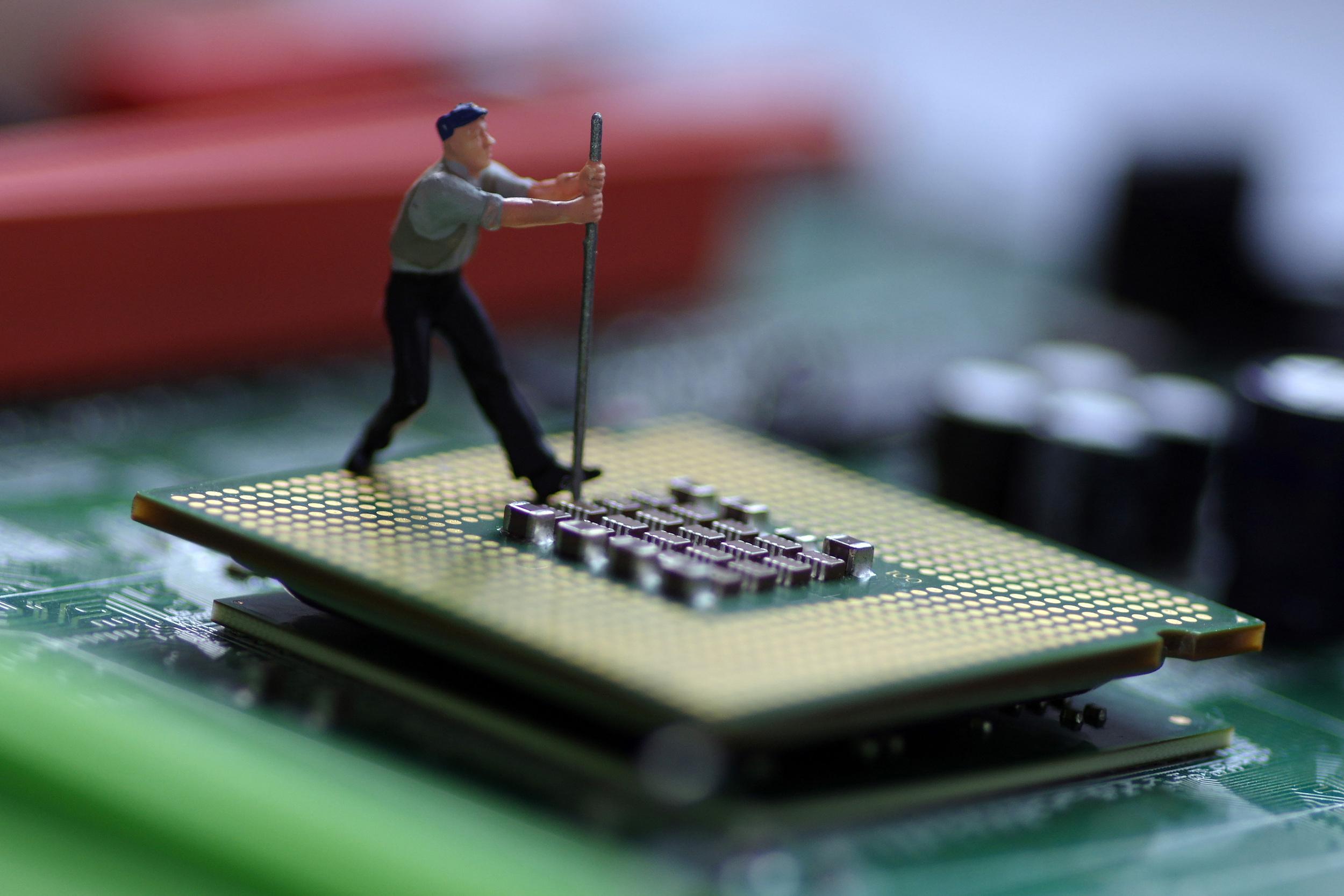
Huawei has proposed a revolutionary semiconductor evolution paradigm called the "τ (Tau) Law," shifting the industry's focus from transistor size to system time cost.

Chinese President Xi Jinping has sent a congratulatory letter to the Science and Technology Daily on the occasion of the 40th anniversary of its founding.
One-eighth of the global population struggles with obesity. Yet, for many, losing weight proves incredibly difficult. New research on mice offers a crucial clue: Immune cells known as "adipose tissue macrophages" harbor an "obesity memory," acting as the hidden culprit.